
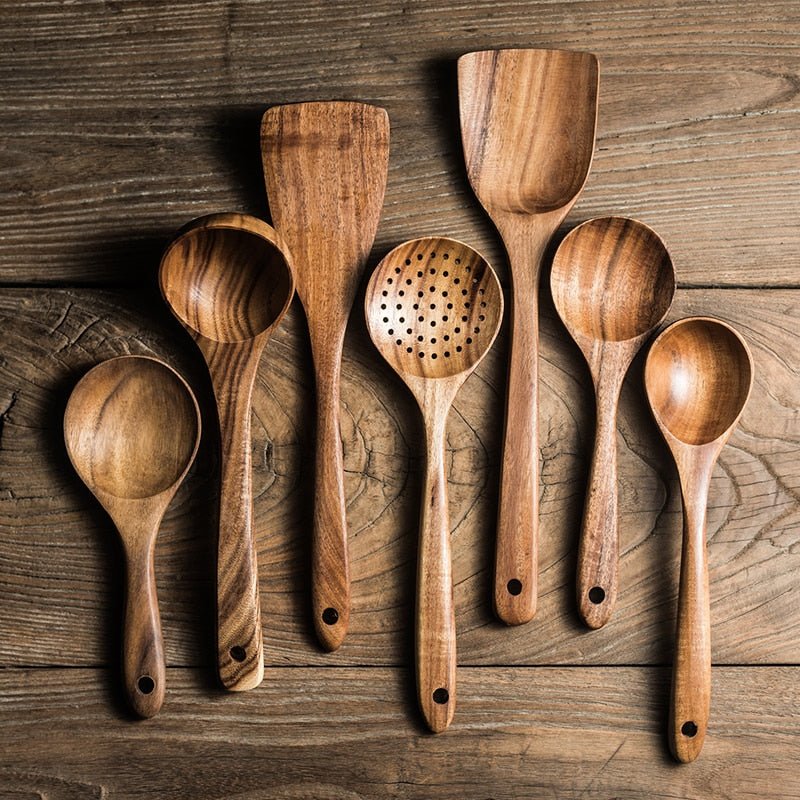
Have you ever wondered why certain cooking utensils seem to stand the test of time, while others wear out quickly? The secret may lie in the material they are made from.
Teak wood, known for its durability and beauty, is increasingly popular in kitchens around the world. But is teak really good for cooking utensils? As you navigate your culinary adventures, choosing the right tools can make a huge difference in your kitchen experience.
Imagine the ease of cooking with utensils that feel comfortable in your hand and last for years. Dive into this article to discover whether teak is the ideal choice for your cooking needs, and learn how the right utensils can transform your time in the kitchen into a delightful experience.

Credit: www.amazon.com
Teak Wood Characteristics
Teak wood is favored in crafting cooking utensils. Its unique characteristics make it an excellent choice for kitchens worldwide. Teak’s natural durability ensures utensils withstand regular use without wear. Additionally, its resistance to moisture prevents warping and cracking, maintaining the utensil’s integrity over time. Teak’s aesthetic appeal adds a touch of elegance to culinary spaces, making it a popular choice for discerning cooks.
Natural Durability
Teak wood is incredibly strong. This durability makes it perfect for kitchen use. Utensils made from teak last longer than those from other woods. The dense grain structure contributes to its sturdiness. Even with frequent use, teak retains its shape. It’s less prone to damage from cutting and chopping.
Resistance To Moisture
Teak excels in moisture resistance. This characteristic is vital for kitchen utensils. Exposure to water won’t cause teak to warp. It remains stable in humid environments. Teak’s high oil content helps repel water. This natural oil keeps the wood from absorbing excess moisture. Utensils stay smooth and functional for years.
Aesthetic Appeal
Teak has a rich, warm color. The grain patterns are distinct and attractive. This visual appeal enhances any kitchen setting. Teak’s finish remains beautiful over time. Even with regular use, it maintains its charm. Many choose teak for its beauty alongside its functionality. It adds a touch of sophistication to cooking spaces.

Credit: www.amazon.com
Benefits Of Teak In Cooking Utensils
Teak wood is becoming popular for cooking utensils. Its natural properties offer several benefits, making it a preferred choice for many kitchens. Discover why teak is a great option for your cooking tools.
Non-reactive Surface
Teak has a non-reactive surface. It does not absorb flavors or odors. This keeps your food tasting fresh. Teak’s surface is smooth, preventing unwanted reactions with acidic foods. Perfect for stirring sauces and soups.
Gentle On Cookware
Teak is gentle on cookware. It does not scratch pots and pans. This protects non-stick surfaces and extends their lifespan. You can stir, mix, and serve without worry. Teak utensils are ideal for delicate cookware.
Natural Antimicrobial Properties
Teak has natural antimicrobial properties. It helps reduce bacteria growth. This makes it safer for food preparation. Teak’s dense grain resists moisture, keeping utensils clean. A hygienic choice for your kitchen.
Comparing Teak With Other Woods
When choosing cooking utensils, the type of wood can make a big difference in durability and performance. Teak, known for its strength and natural oils, is often compared with other woods. But how does it really stack up? Let’s dive into some popular comparisons to help you make an informed choice for your kitchen.
Teak Vs. Bamboo
Bamboo is lightweight and eco-friendly, often catching the eye of the environmentally conscious. Its rapid growth makes it a sustainable choice. However, bamboo lacks the natural oils that teak possesses. These oils in teak can help prevent the wood from drying out, making your utensils last longer. Have you ever found your bamboo utensils cracking after a while?
Teak’s density also makes it more resistant to wear and tear. If you’re looking for something that can stand up to frequent use without showing signs of aging, teak might be the better option.
Teak Vs. Maple
Maple is a classic choice for kitchen utensils, appreciated for its smooth texture and bright appearance. While maple is beautiful, it doesn’t have the same water-resistant properties as teak. Teak can handle humid environments better, thanks to its natural oils.
Maple might be prone to staining, especially if you cook with colorful spices or sauces. Teak, on the other hand, tends to resist stains, keeping your utensils looking fresh over time. Would you prefer aesthetics or longevity?
Teak Vs. Olive Wood
Olive wood is known for its stunning grain patterns and unique appearance. It’s a favorite for those who want their kitchenware to stand out. But when it comes to strength and durability, teak takes the lead.
Olive wood can be softer and may not withstand heavy use as well as teak. If you’re someone who cooks often and needs reliable utensils, teak’s robustness is hard to beat. Have you ever had an olive wood spoon chip or break unexpectedly?
Choosing the right wood for your cooking utensils is more than just a decision of style. Consider the practical aspects of each option, and think about how it fits into your cooking habits. Which wood aligns best with your needs?
Care And Maintenance
Teak is an excellent choice for cooking utensils due to its durability and resistance to moisture. Its natural oils prevent cracking and warping, ensuring long-lasting use. Regular washing with mild soap and water keeps teak utensils in top condition, making them a smart addition to any kitchen.
Teak wood makes excellent cooking utensils. Proper care and maintenance ensure their longevity. It keeps them functional and attractive in your kitchen. This section provides essential tips on maintaining teak utensils. Follow these guidelines to preserve their beauty and durability.Cleaning Techniques
Clean teak utensils with mild soap and water. Avoid soaking them in water for too long. This prevents the wood from absorbing moisture. Use a soft sponge or cloth to scrub gently. Rinse thoroughly to remove soap residue. Dry them immediately with a clean towel. This helps prevent water spots and damage. Never put teak utensils in a dishwasher. High heat and harsh detergents can harm the wood.Proper Storage
Store teak utensils in a cool, dry place. Avoid direct sunlight and heat sources. These can cause the wood to crack or warp. Use a utensil holder or drawer to keep them organized. Make sure they are not crowded. This prevents scratches and dents. Regularly check for any signs of mold or mildew. Address these issues promptly to maintain wood quality.Periodic Oiling
Oil teak utensils regularly to maintain their shine. Use food-safe mineral oil or teak oil. Apply a small amount with a clean cloth. Rub it into the wood following the grain. Allow the oil to soak for a few hours. Wipe off any excess oil with a dry cloth. This process keeps the wood hydrated and prevents drying. Perform this task every few months, depending on use. Proper oiling enhances the utensil’s appearance and lifespan.Environmental Impact
When considering teak for cooking utensils, one cannot ignore the environmental impact of using this remarkable wood. Teak is known for its durability and resistance to water, but it’s essential to understand how its production affects our planet. Each piece of teak has a story, and as you stir your favorite dish with a teak spoon, you might wonder about its journey from forest to your kitchen.
Sustainability Of Teak
Teak is celebrated for its sustainability when sourced responsibly. Its ability to grow in various climates makes it a versatile choice. Teak plantations are increasingly popular as they can be managed to maintain ecological balance. Choosing teak utensils means supporting practices that prioritize long-term environmental health.
However, not all teak is created equal. The sustainability of teak largely depends on where and how it is grown. Plantation teak, which is cultivated in controlled environments, often has a smaller ecological footprint. Consider whether your teak utensils are crafted from plantation or natural forest wood.
Ethical Sourcing
Ethical sourcing of teak is crucial for minimizing its environmental impact. Unfortunately, illegal logging and unethical practices are still prevalent. When purchasing teak utensils, it’s essential to check for certifications like FSC (Forest Stewardship Council) that ensure ethical harvesting.
You might ask, “How can I ensure my purchase supports ethical sourcing?” Look for brands that are transparent about their sourcing. Brands committed to ethical practices often provide information about the origins of their teak.
Impact On Deforestation
Deforestation is a significant concern when it comes to teak production. Unsustainable logging can lead to loss of biodiversity and disruption of ecosystems. Choosing teak utensils from reputable sources helps combat deforestation.
Imagine the impact if every purchase you made supported responsible forestry. Your choice can contribute to preserving forest landscapes and wildlife habitats. Consider how your buying decisions can influence environmental conservation.
Ultimately, your choice of teak cooking utensils can reflect your values. Are you supporting sustainable practices and ethical sourcing? Making informed decisions not only enriches your culinary experiences but also promotes environmental stewardship.
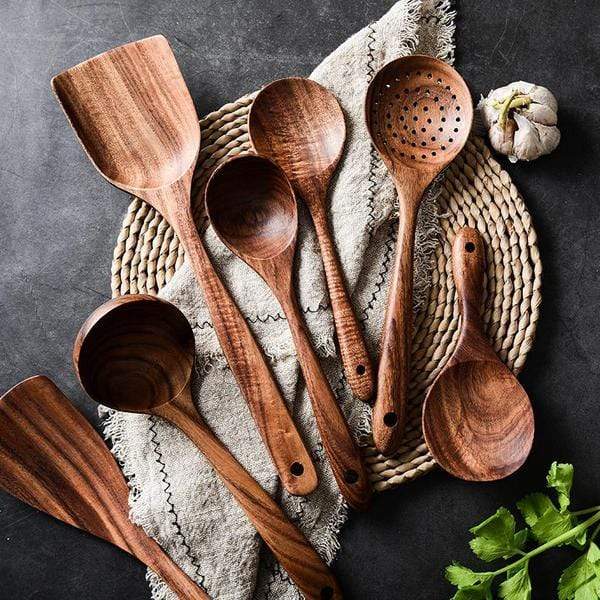
Credit: www.tillyliving.com
Choosing The Right Teak Utensils
Teak wood offers durability and resistance to moisture, making it ideal for cooking utensils. Its natural oils protect against wear, ensuring long-lasting use. Many chefs and home cooks prefer teak for its smooth texture and reliable performance in the kitchen.
Choosing the right teak utensils can make a significant difference in your cooking experience. Not only do they add a touch of elegance to your kitchen, but they are also known for their durability and resistance to moisture. However, selecting the right ones requires a bit of thought and understanding of what makes teak an excellent choice.Factors To Consider
When considering teak utensils, think about the wood grain. A tighter grain often indicates stronger wood, which means your utensils will last longer. Check the finish. A smooth finish ensures that the utensils won’t damage your cookware and will feel comfortable in your hand. Consider the weight. Teak utensils should feel balanced; not too heavy, but substantial enough to handle rigorous cooking tasks. Think about the maintenance. Teak requires occasional oiling to maintain its luster and prevent drying. Are you ready for that commitment?Recommended Brands
Several brands stand out for their quality teak utensils. Teakhaus offers a range of beautifully crafted pieces that are both functional and aesthetically pleasing. Totally Bamboo combines style and sustainability, providing utensils that are eco-friendly and durable. Earlywood is known for their minimalist designs, offering utensils that are both practical and elegant. Do you have a favorite brand that you trust in your kitchen?Price Vs. Quality
When it comes to teak utensils, price often reflects quality. Investing in a higher-priced set can mean better craftsmanship and longevity. However, don’t assume the most expensive is always the best. Some affordable brands offer excellent quality, so read reviews and ask for recommendations. Would you rather spend more upfront for durability, or are you willing to replace utensils more frequently to save on initial costs? Choosing teak utensils wisely can elevate your cooking experience. They are not just tools but companions in your culinary journey.Frequently Asked Questions
Are Teakwood Cooking Utensils Safe?
Yes, teakwood cooking utensils are safe and durable. They resist bacteria and won’t scratch non-stick cookware. Teakwood’s natural oils make it water-resistant, ensuring long-lasting use. Always hand wash and occasionally oil them to maintain quality. Perfect for eco-friendly kitchens.
Which Wood Is Best For Cooking Utensils?
Hardwoods like maple, walnut, and cherry are ideal for cooking utensils. They are durable, non-toxic, and resist moisture. These woods prevent bacteria buildup, ensuring safe food preparation. Avoid softwoods as they may splinter easily. Choose sustainably sourced wood for eco-friendly kitchen tools.
Is Olive Wood Or Teak Better For Utensils?
Olive wood is better for utensils due to its natural antibacterial properties. It is durable, stylish, and gentle on cookware surfaces. Teak is also durable but can be pricier. Both woods are excellent choices, but olive wood offers added benefits for kitchen use.
Choose based on your budget and aesthetic preference.
What Is Better, Teak Or Bamboo Cooking Utensils?
Teak utensils are durable and resist water, ideal for longevity. Bamboo utensils are lightweight, eco-friendly, and affordable. Both are non-scratch, making them perfect for non-stick cookware. Choose teak for durability or bamboo for sustainability and cost-effectiveness.
Conclusion
Teak proves to be a solid choice for cooking utensils. It offers durability and resistance to water. This makes it ideal for kitchen use. Its smooth surface is gentle on cookware. No scratches or damage here. Teak’s natural oils add to its charm.
This means less maintenance and more cooking. Aesthetic appeal is another plus. It enhances the kitchen’s look effortlessly. Teak offers a practical and stylish solution. Perfect for those who value both form and function. Choose teak utensils for a reliable kitchen companion.
Enjoy cooking with confidence and ease!

Hi, I’m Daniel Brooks—a food lover and kitchen gear enthusiast. I enjoy testing cookware, utensils, and gadgets to see what really works in everyday cooking. At PlugChef.com, I share honest reviews, comparisons, and simple guides to help you choose the best tools for a safer, smarter, and more enjoyable kitchen.
Related posts:
 What Type of Cooking Utensils are Safe: Expert Picks
 What Innovations Could Blenders Make: Unleashing Future Tech
 Smart Strategies to Organize a Small Kitchen: Maximize Space
 How to Organize a Kitchen Cabinet: Expert Tips & Tricks
 How to Organize Kitchen Drawers: Expert Tips and Tricks
 How to Organize a Corner Kitchen Cupboard: Expert Tips

