
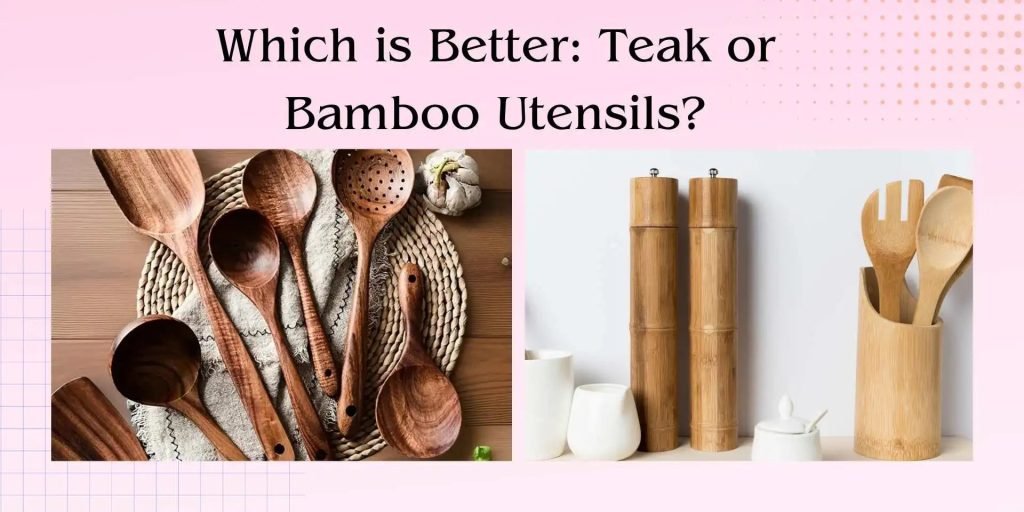
Choosing the right material for your cooking utensils can make a big difference in your kitchen experience. You might be wondering whether teak or bamboo is the better option.
Both materials have unique benefits and characteristics, but which one truly suits your culinary needs? Imagine effortlessly preparing your favorite meals with utensils that not only perform well but also enhance the aesthetic of your kitchen. Your decision could impact your cooking efficiency, the longevity of your tools, and even the flavor of your dishes.
Dive into this article to discover the advantages and drawbacks of teak and bamboo utensils, and find out which material aligns perfectly with your cooking style and kitchen environment. Your next culinary masterpiece awaits, and the right choice could be just a few paragraphs away.
Material Characteristics
Teak provides durability and resistance to moisture, making it ideal for cooking utensils. Bamboo offers lightweight, eco-friendly options with a smooth finish. Both materials are suitable, but teak may be more resilient in high-heat kitchens.
When choosing cooking utensils, the material you select plays a crucial role in your kitchen experience. Both teak and bamboo are popular choices, each offering distinct characteristics. Whether you prioritize durability, aesthetics, or ease of use, understanding these materials can help you make an informed decision.Durability And Strength
Teak is known for its impressive durability. Resistant to moisture and warping, it can withstand the rigors of daily cooking. This strength makes teak utensils a long-lasting addition to your kitchen. Bamboo, on the other hand, is surprisingly strong given its lightweight nature. It’s often praised for its ability to resist scratches and damage. However, bamboo might not fare as well as teak when exposed to prolonged moisture. Consider how often you cook and the wear and tear your utensils endure. A friend once told me how her teak spatula survived countless holiday meals, while her bamboo spoon needed replacement after a few years. Which would you prefer in your kitchen?Aesthetic Appeal
Teak’s rich, warm tones can add a touch of elegance to your kitchen. The natural grain patterns make each piece unique, often elevating the look of your cooking space. Bamboo offers a lighter, more modern aesthetic. Its clean lines and subtle patterns can complement minimalist or contemporary kitchen designs. Think about your kitchen’s style. Does the rustic charm of teak appeal to you, or do you lean toward the sleek simplicity of bamboo? Your choice could influence the overall vibe of your culinary haven.Weight And Handling
Teak utensils tend to be heavier, offering a solid feel when you cook. This weight can provide a sense of stability, especially during vigorous stirring or flipping. Bamboo is lightweight, making it easy to handle and maneuver. This can be particularly beneficial if you cook for extended periods or have a lot of dishes to prepare. Imagine stirring a thick stew with a teak spoon or flipping pancakes with a bamboo spatula. Which experience sounds more comfortable to you? Your cooking style might guide your preference here. Ultimately, the choice between teak and bamboo comes down to your personal needs and preferences. What are you looking for in your cooking utensils?
Credit: www.amazon.com
Environmental Impact
Choosing eco-friendly cooking utensils helps preserve our planet. Teak and bamboo are popular choices. They both offer unique environmental benefits. Understanding their impact can guide your decision.
Sustainability Of Teak
Teak wood is durable. It lasts for decades. This longevity reduces resource consumption. Teak comes from tropical forests. These forests need careful management. Responsible sourcing is crucial. Sustainable plantations provide a solution. They protect natural habitats. Supporting certified teak ensures ethical practices. It promotes forest conservation.
Sustainability Of Bamboo
Bamboo grows rapidly. It matures in three to five years. This fast growth makes it highly renewable. Bamboo plantations require less land. They restore degraded areas. Bamboo also absorbs carbon dioxide efficiently. It contributes to cleaner air. Its regenerative nature minimizes environmental strain. Buying bamboo supports sustainable development.
Carbon Footprint
Teak has a moderate carbon footprint. Harvesting and transport impact emissions. Sustainable practices can reduce this. Bamboo’s carbon footprint is lower. Its quick growth captures more carbon. Local sourcing further cuts emissions. Choosing these materials helps reduce your carbon footprint. It supports a healthier planet.
Performance In Cooking
Cooking utensils play a crucial role in your kitchen experience. The material they are made from can significantly impact their performance. Teak and bamboo are two popular choices, each offering unique benefits. Understanding their performance in cooking can help you make the best choice for your culinary adventures. Let’s dive into how they measure up in heat resistance, stain and odor resistance, and maintenance and care.
Heat Resistance
When you’re cooking up a storm, heat resistance is essential. Teak is known for its durability and ability to withstand high temperatures without warping. This quality makes it a reliable choice when stirring hot soups or frying. Bamboo, while somewhat heat resistant, is not as robust as teak. A bamboo spoon might feel more comfortable in your hand, but it requires careful handling in high heat.
Have you ever stirred a hot pot with a bamboo spoon and noticed a slight bend? It’s a gentle reminder of its limitations. If you frequently cook with high heat, consider if teak’s sturdiness is worth the investment. A quick question for you: How often do you find yourself cooking at high temperatures?
Stain And Odor Resistance
Stains and odors can cling to cooking utensils, altering the taste of your dishes. Teak has a natural oiliness that helps resist stains and odors. This feature is particularly handy when cooking with aromatic spices or colorful sauces. Bamboo, on the other hand, tends to absorb these elements, requiring more vigilant cleaning.
Imagine making curry and noticing the lingering smell on your bamboo spatula days later. It’s a common scenario. Teak’s resistance can save you from these surprises. Consider your cooking habits: Do you often cook with strong spices or vibrant ingredients?
Maintenance And Care
Maintenance is a significant factor in choosing utensils. Teak requires minimal care due to its natural oils, offering long-lasting durability. A simple wash and occasional oiling keep it in top shape. Bamboo demands more attention, including regular drying and oiling to prevent cracks.
Think of the time spent maintaining your utensils. Teak can be a time-saver in the long run. Do you prefer a low-maintenance option, or are you willing to invest time in upkeep for a lighter feel?
Choosing between teak and bamboo depends on your cooking style and priorities. Evaluate each material’s performance in your kitchen, and decide which aligns best with your needs. Your choice could enhance your cooking experience and make each meal preparation more enjoyable.
Cost Considerations
Teak utensils often come with a higher price due to durability and rich color. Bamboo offers a budget-friendly alternative, known for its lightweight and eco-friendly nature. Both options provide unique benefits, making choice dependent on personal preference and budget.
When deciding whether teak or bamboo is the better choice for cooking utensils, cost considerations play a crucial role in making an informed decision. You want utensils that fit within your budget but also offer value over time. Let’s break down the cost implications for both teak and bamboo, considering both the initial purchase price and the long-term investment.Initial Purchase Price
When you first shop for cooking utensils, the price tag often draws your attention. Teak utensils generally come with a higher initial cost compared to bamboo. This is largely due to the durability and the premium nature of teak wood. Bamboo, on the other hand, tends to be more affordable. Its fast-growing nature makes it less expensive to produce. If you’re setting up your kitchen on a budget, bamboo may initially seem like the more attractive option. But is saving a few dollars upfront always the best choice? Consider how often you cook and how important utensil longevity is to you.Long-term Investment
While teak utensils might require a higher initial spend, they can be a wise long-term investment. Teak is known for its resilience and resistance to moisture, making it less likely to warp or crack over time. You might find yourself replacing bamboo utensils more frequently, potentially offsetting the initial savings. Bamboo, although less durable, is still a great option if you value sustainability and frequently refresh your kitchen tools. It’s biodegradable and eco-friendly, aligning with environmentally conscious values. Think about your cooking habits. Do you prefer investing in something that lasts, or are you open to refreshing your utensils periodically? Your answer will guide your choice between teak and bamboo. Ultimately, both teak and bamboo have their merits in terms of cost. Consider what matters most to you in a cooking utensil, both now and in the years to come.Health And Safety
When selecting materials for cooking utensils, health and safety should be a top priority. You want to ensure that the utensils you use daily don’t pose any risk to your well-being. Both teak and bamboo have their pros and cons. Let’s take a closer look at potential allergens and chemical treatments associated with these materials.
Potential Allergens
Teak is a popular choice for its durability and resistance to moisture. However, it can sometimes cause allergic reactions. Some individuals may have sensitivity to the natural oils present in teak. If you’ve ever experienced skin irritation after handling teak products, this could be the reason.
Bamboo, on the other hand, is generally considered hypoallergenic. It’s less likely to cause allergies. This makes bamboo utensils a safer option for those with sensitive skin. Are you someone who’s prone to allergies? Bamboo might be your best bet.
Chemical Treatments
Teak utensils often undergo chemical treatments to enhance their lifespan. Treatments may include oils or sealants. While these treatments help in maintaining the wood, it’s essential to ensure they are food-safe. Always check labels to see if any harmful chemicals are involved.
Bamboo utensils are typically less reliant on chemical treatments. Bamboo grows quickly and is naturally strong, often requiring little enhancement. However, some manufacturers may use chemicals to preserve bamboo. It’s crucial to choose products labeled as organic or untreated.
Next time you shop for utensils, consider these factors. Your choice could impact not just your cooking experience but also your health.

Credit: www.amazon.com
Cultural And Historical Context
Teak has been valued for its durability, often used in traditional Asian kitchens. Bamboo, fast-growing and sustainable, has gained popularity for its eco-friendly qualities. Both materials reflect rich cultural histories, influencing modern choices in cooking utensils.
Cooking utensils hold a special place in various cultures, often reflecting the history and traditions of the people who use them. The choice between teak and bamboo is not just about practicality but also about appreciating these cultural narratives. Understanding the cultural and historical context can enrich your cooking experience and make your kitchen more meaningful.Traditional Uses Of Teak
Teak has been cherished for centuries, particularly in Southeast Asia, for its durability and resistance to water. This makes it a popular choice for shipbuilding and outdoor furniture. But did you know it has also been used in kitchens for generations? In many Asian households, teak utensils are handed down through families. They symbolize strength and continuity. My grandmother’s teak spatula, for instance, still sits proudly in my kitchen. It reminds me of family gatherings and the aromas of traditional dishes. Teak’s rich, golden-brown color and smooth texture make it not only functional but also aesthetically pleasing. Its historical significance adds a layer of tradition to your cooking routine. Wouldn’t it be interesting to have a piece of history in your hands every time you cook?Cultural Significance Of Bamboo
Bamboo, on the other hand, holds a significant place in various Asian cultures. Known for its rapid growth and sustainability, bamboo is more than just a plant; it’s a symbol of resilience and flexibility. In Chinese culture, bamboo is associated with integrity and grace. It’s common to see bamboo motifs in art and architecture. This cultural symbolism translates into the kitchen as well. Using bamboo utensils can be a nod to these values. Bamboo has been used for centuries in cooking, from chopsticks to steamers. Its lightweight nature makes it easy to handle, while its natural antibacterial properties add a layer of hygiene. Imagine crafting a meal with utensils that embody nature’s grace and tenacity. Choosing between teak and bamboo is more than just a decision of material; it’s about connecting with the cultural stories they carry. Which narrative resonates with you more?Consumer Preferences
Choosing the right material for cooking utensils is crucial. Both teak and bamboo have their unique benefits. Consumers often base their choices on durability, maintenance, and environmental impact. Each material appeals to different preferences and needs. Let’s explore what consumers are saying about these materials.
Trends In Kitchenware
Sustainability is a growing trend among consumers. Many prefer eco-friendly kitchenware options. Bamboo, a fast-growing grass, is often seen as a sustainable choice. Teak, known for its durability, appeals to those seeking long-lasting products. Both materials have carved their niches in modern kitchens.
User Reviews And Feedback
Users praise bamboo for its lightweight nature. It is easy to handle and gentle on cookware. Some users, though, mention it may wear out quicker than teak. Teak receives high marks for its robustness. It withstands frequent use without chipping. Users appreciate its rich, natural finish, adding warmth to the kitchen.
Both materials have their fans. The choice often boils down to personal preference. Consumers weigh factors like sustainability, durability, and aesthetics. Reviews reflect individual experiences, guiding new buyers in their decision-making process.

Credit: meserii.com
Frequently Asked Questions
Which Is Better, Teak Or Bamboo Kitchen Utensils?
Teak kitchen utensils are durable and resistant to moisture. Bamboo utensils are eco-friendly and lightweight. Choose teak for longevity and bamboo for sustainability. Both options offer unique benefits for different preferences.
Which Wood Is Best For Cooking Utensils?
Olive, maple, and beech wood are ideal for cooking utensils. These woods are durable and non-toxic. They resist staining and absorbing flavors. Their smooth surface ensures safe food handling, making them popular choices for kitchens. Choose these woods for long-lasting and safe culinary tools.
Is Teak Or Bamboo Better?
Teak offers durability and weather resistance, making it ideal for outdoor furniture. Bamboo is eco-friendly and lightweight, perfect for indoor use. Choose teak for longevity and bamboo for sustainability. Both have unique benefits depending on your needs.
Are Teak Wood Cooking Utensils Safe?
Yes, teak wood cooking utensils are safe. They are durable, non-toxic, and resistant to bacteria. Teak’s natural oils prevent moisture absorption, making it ideal for kitchen use. Ensure they are food-grade and sourced sustainably for best results.
Conclusion
Choosing between teak and bamboo can be tough. Both have unique benefits. Teak is durable and resistant to water. Bamboo is eco-friendly and lightweight. Consider your cooking style and needs. Teak works well for heavy-duty tasks. Bamboo suits simple, everyday cooking.
Think about cost too. Teak is often pricier, but lasts longer. Bamboo offers a budget-friendly choice. Decide based on what matters most to you. Both options enhance your kitchen. Make a choice that fits your lifestyle. Your cooking journey deserves the best tools.
Choose wisely and enjoy your meals!

Hi, I’m Daniel Brooks—a food lover and kitchen gear enthusiast. I enjoy testing cookware, utensils, and gadgets to see what really works in everyday cooking. At PlugChef.com, I share honest reviews, comparisons, and simple guides to help you choose the best tools for a safer, smarter, and more enjoyable kitchen.
Related posts:
 What Type of Cooking Utensils are Safe: Expert Picks
 What Innovations Could Blenders Make: Unleashing Future Tech
 Smart Strategies to Organize a Small Kitchen: Maximize Space
 How to Organize a Kitchen Cabinet: Expert Tips & Tricks
 How to Organize Kitchen Drawers: Expert Tips and Tricks
 How to Organize a Corner Kitchen Cupboard: Expert Tips

