

Have you ever stood in the grocery store aisle, staring at Yu Choy and Bok Choy, wondering which one to pick? You’re not alone.
Both look similar, but they taste different and work best in different recipes. Choosing the right one can make your meal pop with flavor or fall flat. You’ll discover the key differences between Yu Choy and Bok Choy. By the end, you’ll know exactly which green to grab for your next dish—and why it matters for your cooking.
Keep reading to unlock the secret to making your meals tastier and more nutritious.
Origins And History
Understanding the origins and history of Yu Choy and Bok Choy helps you appreciate their unique qualities beyond just taste. Both vegetables have deep cultural roots and have traveled through time and geography to reach your kitchen. Knowing where they come from can inspire you to use them in ways that honor their heritage and maximize their flavor.
Yu Choy Roots
Yu Choy, also known as Chinese flowering cabbage, comes from southern China. It has been cultivated for centuries, prized for its tender leaves and edible flower buds. Traditionally, Yu Choy was valued not only as a vegetable but also for its nutritional benefits in Chinese medicine.
What makes Yu Choy stand out is its slightly bitter flavor, which adds complexity to stir-fries and soups. If you’ve ever tried a dish with Yu Choy, you may have noticed how the small yellow flowers bring a subtle sweetness that balances the bitterness perfectly.
Bok Choy Background
Bok Choy, sometimes called white cabbage, has a long history in Chinese cuisine dating back over a thousand years. Originating from the Yangtze River Delta, it became a staple green vegetable due to its crunchy stems and mild taste.
Unlike Yu Choy, Bok Choy is known for its juicy, crisp texture that works well in a variety of cooking methods—from steaming to stir-frying. When you bite into fresh Bok Choy, you get a refreshing crunch that can brighten heavier dishes.
Appearance And Texture
Yu Choy and Bok Choy share a similar appearance but have distinct differences. Their leaf shapes and stem features set them apart. These details help in identifying and using them in cooking.
Leaf Shape And Color
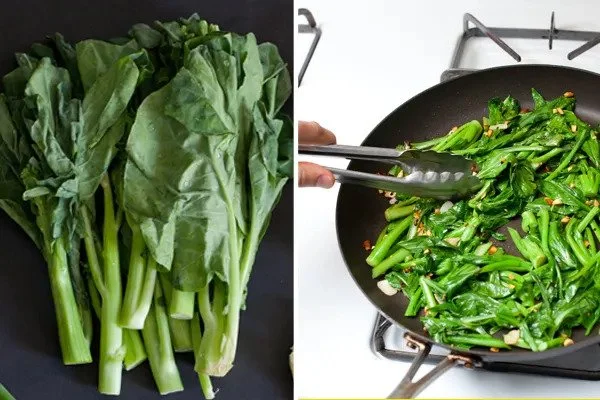
Yu Choy leaves are long and narrow. They have a bright green color with a slightly glossy surface. The leaves grow upright and have a tender texture.
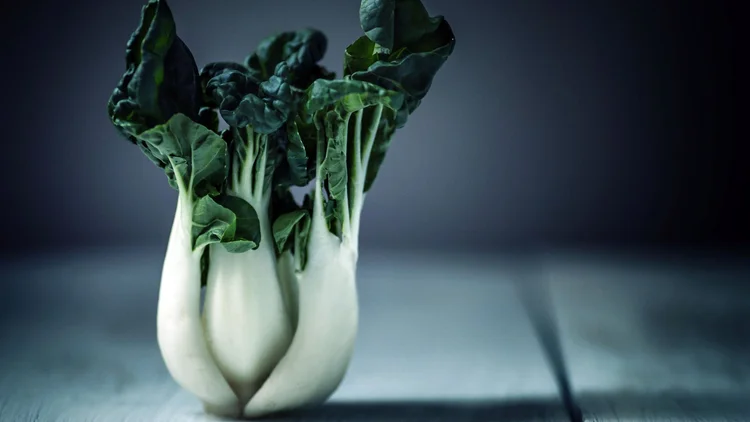
Bok Choy leaves are wider and more rounded. They have a darker green color on top and a lighter shade underneath. The leaves spread out more and feel crisp and firm.
Stem Characteristics
Yu Choy stems are thin and crunchy. They are light green and flexible. The stems blend smoothly into the leaves.
Bok Choy stems are thick and white. They have a crunchy texture and firm feel. The stems stand out clearly from the leafy part.
Flavor Profiles
Understanding the flavor profiles of Yu Choy and Bok Choy can transform how you cook with these greens. Each offers a distinct taste experience that can complement different dishes. Knowing their differences helps you decide which one suits your recipe or palate better.
Taste Of Yu Choy
Yu Choy has a mild, slightly sweet flavor with a hint of bitterness. Its leaves are tender, and the stems have a crisp texture that adds a pleasant crunch. When cooked, Yu Choy softens quickly and releases a subtle earthiness that pairs well with garlic and ginger.
I’ve noticed that stir-frying Yu Choy with soy sauce brings out a gentle sweetness that balances savory notes beautifully. If you prefer a less intense green flavor, Yu Choy might be your go-to choice. It works well in soups or as a side dish where you want the vegetable to blend rather than dominate.
Bok Choy Flavor Notes
Bok Choy stands out with its fresh, slightly peppery taste and a juicy crunch. The white stalks are sweeter and more robust compared to the leaves, which have a mild, cabbage-like flavor. This contrast gives Bok Choy a versatile edge in cooking.
Cooking Bok Choy quickly over high heat preserves its crispness and bright flavor. I often use it in stir-fries and noodle dishes where its texture and peppery kick add depth. Have you tried roasting Bok Choy? It caramelizes the stalks and intensifies the natural sweetness.
Credit: www.edengreen.com
Nutritional Benefits
Yu Choy and Bok Choy both offer vitamins and minerals essential for health. Yu Choy contains more calcium, while Bok Choy provides higher vitamin C. Both are low in calories and rich in fiber, supporting digestion and overall wellness.
Nutritional Benefits When it comes to leafy greens, Yu Choy and Bok Choy are often compared for their nutritional profile. Both are packed with essential nutrients, making them excellent additions to your diet. But how do they stack up against each other?Vitamins And Minerals
Yu Choy is a powerhouse of vitamins A, C, and K. These vitamins support everything from your vision to your immune system and bone health. You might find it surprising how much a simple leafy green can contribute to your daily vitamin intake. Bok Choy, on the other hand, is rich in calcium, magnesium, and iron. These minerals are crucial for maintaining strong bones, muscle function, and oxygen transport in your body. Eating Bok Choy could be a tasty way to meet your mineral needs.Calorie And Fiber Content
If you’re watching your calorie intake, both Yu Choy and Bok Choy are low-calorie options. This makes them ideal for weight management while still providing essential nutrients. You can enjoy a generous serving without worrying about calorie overload. Fiber is another area where both greens excel. They help support digestive health by keeping your bowel movements regular. Have you ever considered how a diet rich in fiber can make you feel more energized and less sluggish? Incorporating these greens into your meals can offer substantial nutritional benefits. Whether you’re stir-frying, steaming, or adding them to soups, they can be versatile additions to your cooking repertoire. Which one will you choose to add to your next meal?Culinary Uses
Both Yu Choy and Bok Choy bring unique flavors and textures to the kitchen. Understanding their culinary uses helps you choose the right green for your dishes. Each vegetable suits different cooking styles and recipes.
Cooking Methods For Yu Choy
Yu Choy has tender leaves and crunchy stems. It cooks quickly and keeps its shape well.
- Stir-frying preserves its crisp texture and bright flavor.
- Steaming softens the leaves without losing nutrients.
- Boiling works for soups and broths, adding a mild, slightly sweet taste.
- Sautéing with garlic or ginger enhances its natural flavor.
Yu Choy is ideal for quick-cooking dishes. It pairs well with meats and seafood.
Popular Dishes With Bok Choy
Bok Choy is a staple in many Asian meals. Its crunchy stems and tender leaves offer a fresh bite.
- Stir-fried Bok Choy with oyster sauce is a classic side dish.
- Adding Bok Choy to noodle soups provides texture and nutrition.
- Grilled Bok Choy works well as a smoky vegetable dish.
- It can be steamed and served with soy sauce and sesame oil.
Bok Choy also blends well in salads and casseroles. Its mild flavor complements bold spices and sauces.
Growing Conditions
Growing Yu Choy and Bok Choy requires understanding their unique preferences to get the best harvest. Both thrive under similar conditions but have subtle differences that can impact your gardening success. Paying attention to their climate and soil needs will help you decide which one suits your garden better.
Climate And Soil Needs
Yu Choy prefers cooler temperatures, ideally between 50°F and 75°F, making it perfect for spring and fall gardens. Bok Choy also enjoys cool weather but can tolerate slightly warmer temperatures, up to 80°F. Both plants dislike extreme heat, which can cause bolting and bitter leaves.
When it comes to soil, both need rich, well-draining soil with plenty of organic matter. A soil pH between 6.0 and 7.5 works best for them. If your soil is heavy clay or sandy, adding compost can improve texture and nutrient content.
Harvesting Tips
Harvest Yu Choy when the leaves reach about 6-8 inches tall for tender, sweet greens. Cutting the outer leaves first allows the inner leaves to keep growing, extending your harvest period. You might notice that harvesting too late can make the leaves tough, so timing is key.
Bok Choy is best picked when the heads are firm and compact, usually around 45 days after planting. You can cut the whole plant at the base or harvest leaf by leaf, depending on how you plan to use it. Have you tried harvesting Bok Choy before it fully matures? It can give you a milder flavor and more frequent yields.
Storage And Shelf Life
Storing Yu Choy and Bok Choy properly helps keep them fresh longer. Both greens are delicate and need cool, moist conditions. Understanding their storage needs extends shelf life and maintains flavor.
Best Storage Practices
- Wrap leaves in a damp paper towel to keep moisture.
- Place wrapped greens in a perforated plastic bag.
- Store in the refrigerator’s crisper drawer for best results.
- Keep temperature around 32-36°F (0-2°C) to prevent wilting.
- Avoid washing before storage; wash only before use.
Signs Of Freshness
- Leaves should be bright green and crisp, not wilted.
- Stems should feel firm and juicy without sliminess.
- Look for no yellow or brown spots on leaves.
- Fresh Yu Choy and Bok Choy have a mild, fresh smell.
- Avoid any signs of decay or unpleasant odor.

Credit: blog.blueapron.com
Health Considerations
Health plays a big role when choosing between Yu Choy and Bok Choy. Both greens offer good nutrition but also have some health considerations. Knowing these can help you enjoy them safely and benefit from their nutrients.
Allergies And Sensitivities
Some people may have allergies to vegetables in the Brassica family. Yu Choy and Bok Choy belong to this group. Allergic reactions can include itching, swelling, or stomach upset.
Those with sensitive digestion might find raw forms harder to digest. Cooking these greens often reduces this issue. Trying small amounts first helps to check for any reaction.
Potential Drug Interactions
Both Yu Choy and Bok Choy contain vitamin K. This vitamin helps blood clot but may affect blood-thinning medications.
People on blood thinners should keep a consistent intake of these greens. Sudden changes can alter medication effectiveness. Consulting a healthcare provider is important before eating large amounts.
Credit: blog.blueapron.com
Frequently Asked Questions
What Are The Main Differences Between Yu Choy And Bok Choy?
Yu Choy has smaller, more tender leaves with a slightly bitter taste. Bok Choy features larger, crunchier stalks and a milder flavor. Both belong to the same cabbage family but differ in texture, taste, and culinary use.
How Do Yu Choy And Bok Choy Differ Nutritionally?
Both are low-calorie, nutrient-rich greens. Yu Choy offers more vitamins A and C, while Bok Choy is higher in calcium and folate. Both support healthy digestion and immune function.
Which Dishes Best Suit Yu Choy Versus Bok Choy?
Yu Choy is ideal for stir-fries and soups due to its tender texture. Bok Choy works well steamed, grilled, or in salads because of its crunchy stalks. Both enhance Asian cuisine versatility.
Can Yu Choy And Bok Choy Be Substituted For Each Other?
Yes, but texture and flavor vary. Use Yu Choy for softer, slightly bitter greens. Choose Bok Choy for crunchier, milder taste. Adjust cooking time accordingly.
Conclusion
Yu Choy and Bok Choy both offer fresh, tasty options. Each has a unique texture and flavor. Yu Choy is more tender and mild. Bok Choy has crunchy stems and a peppery taste. Both vegetables fit well in many dishes.
Choose based on your recipe and taste. Eating either adds nutrition and color to meals. Enjoy trying both to find your favorite!

Hi, I’m Daniel Brooks—a food lover and kitchen gear enthusiast. I enjoy testing cookware, utensils, and gadgets to see what really works in everyday cooking. At PlugChef.com, I share honest reviews, comparisons, and simple guides to help you choose the best tools for a safer, smarter, and more enjoyable kitchen.
Related posts:
 What Type of Cooking Utensils are Safe: Expert Picks
 What Innovations Could Blenders Make: Unleashing Future Tech
 Smart Strategies to Organize a Small Kitchen: Maximize Space
 How to Organize a Kitchen Cabinet: Expert Tips & Tricks
 How to Organize Kitchen Drawers: Expert Tips and Tricks
 How to Organize a Corner Kitchen Cupboard: Expert Tips

