

Are you torn between choosing a yellow peach or a white peach next time you’re at the market? Both look delicious, but which one is really the best for your taste buds and health?
Understanding the difference can change the way you enjoy this juicy fruit. You’ll discover the unique flavors, textures, and benefits of yellow and white peaches. By the end, you’ll know exactly which peach suits your cravings and why. Keep reading—you might just find your new favorite!
Credit: www.nbcrightnow.com
Taste Profiles
Peaches offer a delightful burst of flavor that varies by type. The taste profiles of yellow and white peaches differ in sweetness, acidity, and texture. These differences affect how you enjoy them fresh or in recipes. Understanding these profiles helps you pick the right peach for your palate.
Sweetness Levels
Yellow peaches have a rich, robust sweetness. Their sugar content tends to be higher, giving a bolder taste. White peaches are sweeter but in a more delicate way. Their sweetness is gentle, almost floral. Both types satisfy sweet cravings but in unique ways.
Acidity And Tartness
Yellow peaches carry a noticeable tang. Their acidity adds a refreshing zest that balances the sweetness. White peaches have low acidity, making them taste smoother. They lack the sharp tartness found in yellow peaches. This contrast changes how each peach feels on the tongue.
Texture Differences
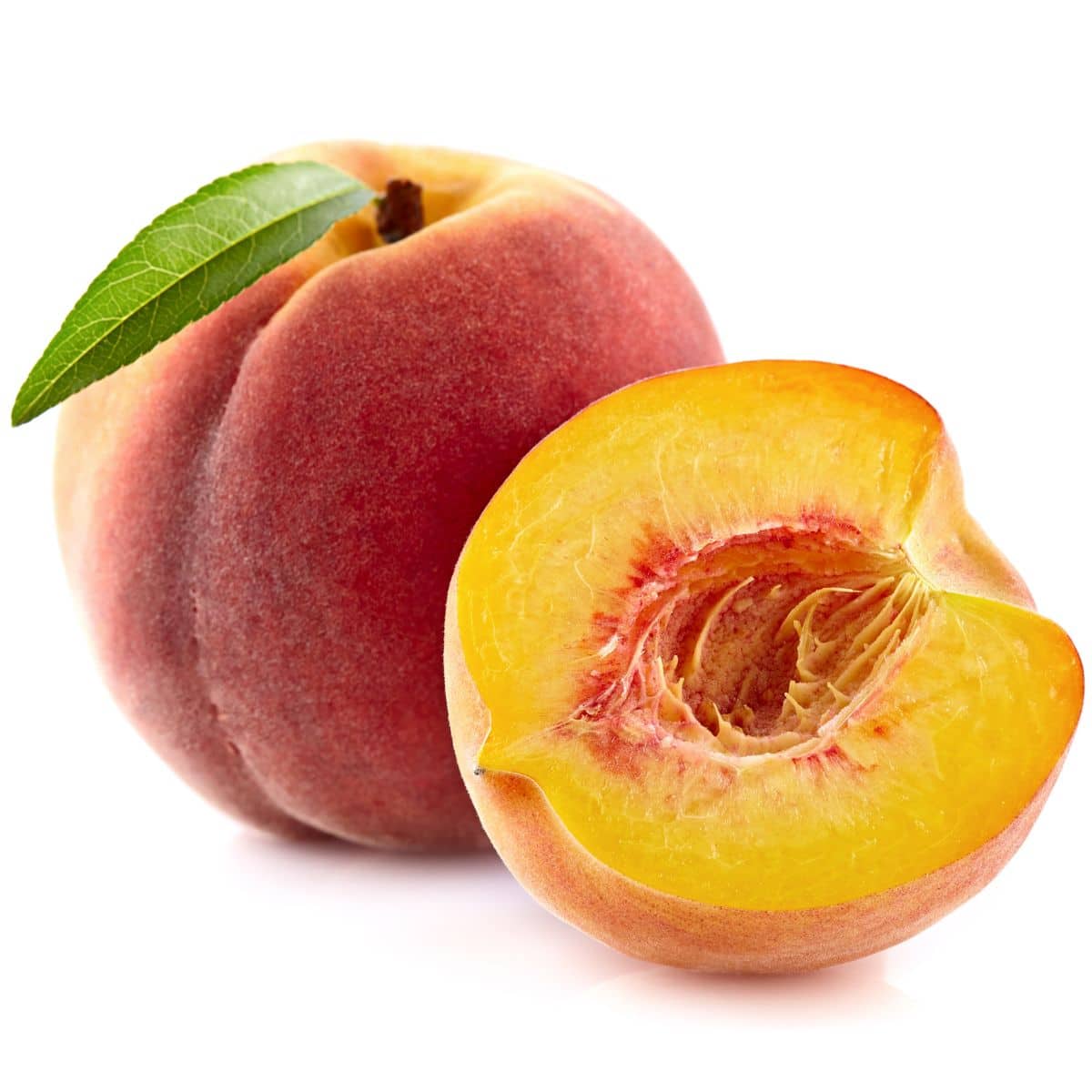
Yellow peaches have a firmer, slightly grainy flesh. This texture gives a juicy bite but with some resistance. White peaches are softer and silkier, melting easily in the mouth. Their texture feels more tender and less fibrous. This makes white peaches perfect for fresh eating.
Credit: www.liveeatlearn.com
Nutritional Content
Understanding the nutritional content of yellow and white peaches can help you choose the right fruit to fit your diet and health goals. Both varieties offer essential nutrients but differ slightly in their vitamin, mineral, and antioxidant profiles. Knowing these differences can guide you in making smarter food choices for energy, immunity, and overall wellness.
Vitamin And Mineral Comparison
Yellow peaches generally contain higher amounts of vitamin A, which supports eye health and immune function. White peaches, on the other hand, tend to have a bit more vitamin C, essential for skin health and healing.
Both types provide potassium, important for heart and muscle function, but yellow peaches usually deliver a slightly higher dose. Magnesium, calcium, and iron appear in similar amounts in both varieties, supporting bone strength and oxygen transport.
Calorie And Sugar Content
If you watch your calorie intake, you’ll find that yellow and white peaches are quite comparable, each containing roughly 40-50 calories per medium fruit. However, white peaches often have a marginally lower sugar content, making them a better pick if you want to reduce natural sugar consumption.
Despite these small differences, both peaches offer a sweet flavor without a heavy calorie load, making them excellent snacks or dessert options. Have you noticed which peach variety satisfies your sweet tooth more without feeling overly sugary?
Antioxidant Properties
Yellow peaches are rich in beta-carotene, an antioxidant that your body converts into vitamin A, helping protect cells from damage. White peaches contain more anthocyanins, antioxidants linked to reducing inflammation and supporting heart health.
Eating either peach adds valuable antioxidants to your diet, but choosing one over the other might depend on which health benefits you prioritize. Are you aiming for better skin and vision, or is heart protection your main goal?
Culinary Uses
Yellow and white peaches add sweet, juicy flavors to many dishes. Their unique tastes inspire diverse culinary uses. Each variety brings something special to the table.
Best Recipes For Yellow Peaches
Yellow peaches shine in savory and sweet recipes. Their bold flavor pairs well with spices.
- Grilled Peach Salad: Add grilled yellow peaches to mixed greens. Top with goat cheese and balsamic glaze.
- Peach BBQ Sauce: Blend peaches with honey and vinegar. Use it on grilled meats.
- Peach Cobbler: Bake peaches with cinnamon and sugar. Top with biscuit dough.
Ideal Dishes For White Peaches
White peaches offer a delicate sweetness. They enhance desserts and light dishes.
- Peach Sorbet: Puree white peaches and freeze. Enjoy a refreshing treat.
- Peach Tart: Arrange peach slices on a pastry crust. Bake until golden brown.
- Peach Smoothie: Blend peaches with yogurt and honey. A perfect breakfast option.
Pairing With Other Ingredients
Both peach types pair well with different ingredients. Each creates unique flavor profiles.
- With Cheese: Pair peaches with creamy cheeses like brie or ricotta.
- With Nuts: Add almonds or pecans for a crunchy texture.
- With Herbs: Use basil or mint to enhance peach flavors.
Growing And Harvesting
Growing and harvesting yellow and white peaches require attention to their specific needs. Both types thrive under certain conditions and have unique harvest timings. Understanding these factors helps in producing the best quality fruit.
Climate Preferences
Yellow peaches prefer warmer climates with plenty of sunlight. They grow well in areas with hot summers and mild winters. White peaches are more tolerant of cooler temperatures. They can handle slightly colder winters but still need enough sun to ripen properly.
Both types need well-drained soil and regular watering. Too much moisture can harm the trees. Good air circulation reduces the risk of disease.
Harvest Seasons
Yellow peaches usually ripen earlier in the season. Harvest time often falls between late June and early August. White peaches tend to ripen later, from mid-July to late August. The exact timing depends on the local climate and peach variety.
Pick peaches when they feel slightly soft and have a sweet fragrance. Ripe peaches separate easily from the tree. Harvesting at the right time ensures the best flavor and texture.
Storage And Shelf Life
Yellow peaches have a slightly longer shelf life than white peaches. They store well for about 5 to 7 days at room temperature. White peaches are more delicate and usually last 3 to 5 days.
Refrigerate both types to extend freshness. Keep peaches in a single layer to avoid bruising. Use breathable containers or perforated bags to maintain airflow.
Health Benefits
Both yellow and white peaches offer impressive health benefits, but their subtle differences might affect how they support your body. Understanding these benefits can help you decide which peach to add to your diet for targeted health goals. Let’s break down how each type supports digestion, immunity, and skin health.
Digestive Health
Yellow peaches contain more dietary fiber than white peaches, which helps keep your digestive system moving smoothly. Fiber acts like a natural broom, clearing out toxins and preventing constipation. If you’ve ever felt sluggish after meals, adding yellow peaches could improve your gut health and boost regularity.
White peaches are also gentle on digestion, thanks to their high water content. They hydrate your digestive tract, making it easier for nutrients to be absorbed. If you struggle with mild digestive discomfort, you might find white peaches easier to tolerate.
Immune Support
Both peach varieties are rich in vitamin C, a crucial nutrient for your immune system. Yellow peaches usually have a slightly higher vitamin C level, giving you a stronger defense against colds and infections. Eating a yellow peach daily can be a tasty way to keep your immune system alert.
White peaches offer antioxidants like chlorogenic acid, which help fight free radicals and reduce inflammation. These properties can support your immune function over time, especially during stressful periods. Have you noticed how your body reacts to seasonal changes? Including white peaches might keep your defenses steady.
Skin And Anti-aging Effects
Yellow peaches provide beta-carotene, a nutrient that your body converts into vitamin A. This vitamin is essential for skin repair and maintaining a youthful glow. If your skin feels dull or dry, eating yellow peaches could help refresh your complexion from within.
White peaches are packed with antioxidants that protect your skin from environmental damage. Regularly enjoying white peaches may slow down signs of aging like wrinkles and fine lines. Want to add a natural glow to your skin? Try swapping your usual snack for a juicy white peach.
Credit: www.liveeatlearn.com
Frequently Asked Questions
What Are The Main Differences Between Yellow And White Peaches?
Yellow peaches have a tangy, sweet flavor and firmer flesh. White peaches are sweeter, less acidic, and have softer flesh. Their color and taste distinguish them clearly.
Which Peach Type Is Better For Eating Fresh?
White peaches are preferred for fresh eating due to their sweeter, juicy taste. Yellow peaches are great too but have a slight tartness.
Are Yellow Peaches Or White Peaches Better For Cooking?
Yellow peaches hold their shape better when cooked, making them ideal for baking. White peaches are softer and suit fresh dishes or sauces.
How Do Yellow And White Peaches Differ Nutritionally?
Both peaches are low in calories and rich in vitamins A and C. Nutritional differences between them are minimal and not significant for most diets.
Conclusion
Yellow peaches have a sweet, tangy taste and firmer flesh. White peaches offer a softer texture and a milder, sweeter flavor. Both types are rich in vitamins and great for healthy snacks. Choosing depends on your taste and how you want to use them.
Try both to see which you like best. Each peach brings something special to the table. Enjoy fresh, baked, or in salads for a tasty treat. Simple, natural, and delicious options await with yellow or white peaches.

Hi, I’m Daniel Brooks—a food lover and kitchen gear enthusiast. I enjoy testing cookware, utensils, and gadgets to see what really works in everyday cooking. At PlugChef.com, I share honest reviews, comparisons, and simple guides to help you choose the best tools for a safer, smarter, and more enjoyable kitchen.
Related posts:
 What Type of Cooking Utensils are Safe: Expert Picks
 What Innovations Could Blenders Make: Unleashing Future Tech
 Smart Strategies to Organize a Small Kitchen: Maximize Space
 How to Organize a Kitchen Cabinet: Expert Tips & Tricks
 How to Organize Kitchen Drawers: Expert Tips and Tricks
 How to Organize a Corner Kitchen Cupboard: Expert Tips

