

When it comes to keeping your workplace safe, having the right first aid kit is not just a good idea—it’s essential. You never know when an accident might happen, and being prepared can make all the difference between a minor scare and a serious injury.
But what should your workplace first aid kit in NZ include? How do you make sure it meets the legal requirements and is ready for any emergency? This guide will help you understand exactly what you need, so you can protect your team and keep your workplace compliant.
Keep reading to discover how to create a first aid kit that truly works when you need it most.

Credit: nz.adventurekings.com
Importance Of Workplace First Aid Kits
Workplace first aid kits are more than just boxes filled with bandages and antiseptics. They are essential tools that can make a real difference in emergencies. Having a well-stocked and accessible first aid kit in your workplace can save lives, reduce recovery times, and keep your team safe and confident.
Quick Response Saves Lives
Accidents happen without warning. A prompt first aid response can prevent minor injuries from becoming severe. Imagine a colleague slipping and cutting their hand—immediate treatment with a first aid kit can stop bleeding and reduce infection risk.
Do you know where your workplace first aid kit is? Is it fully stocked and easy to access during an emergency?
Legal Requirements And Workplace Safety
In New Zealand, workplaces must follow health and safety regulations that include providing appropriate first aid facilities. Meeting these legal obligations protects your business from penalties and shows you value your employees’ wellbeing.
Beyond compliance, first aid kits foster a culture of safety. They remind everyone that preparedness is part of the workday.
Boosting Employee Confidence And Morale
Knowing that first aid supplies are readily available can make your team feel more secure. It encourages a supportive environment where people look out for each other.
Have you noticed how workplaces with visible safety measures tend to have higher employee satisfaction? Simple steps like maintaining a first aid kit contribute to this positive atmosphere.
Reducing Downtime And Improving Productivity
Minor injuries, if treated immediately, can prevent long absences. Quick first aid helps employees return to work faster and keeps your operations running smoothly.
Think about the cost of lost workdays. Investing in a quality first aid kit can be a smart move to keep productivity up.
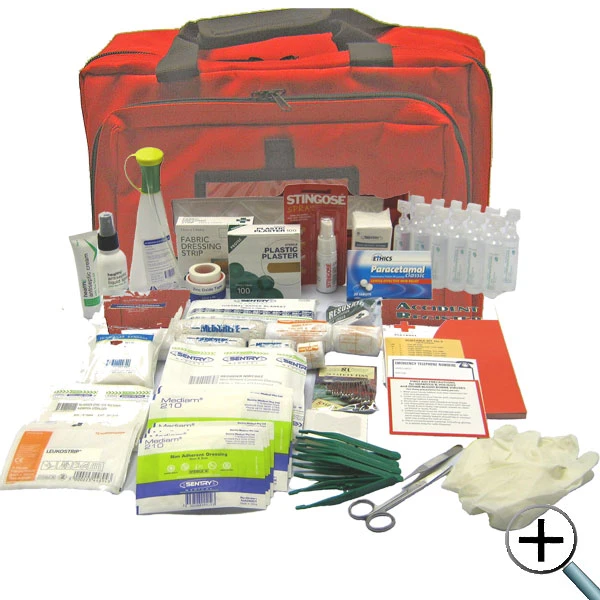
Credit: firstaidsupplies.co.nz
Regulations And Compliance In New Zealand
Workplace first aid kits in New Zealand must follow strict regulations. These rules ensure safety for all workers and visitors. Employers have legal duties to provide proper first aid supplies. Compliance helps reduce risks and improve response to injuries.
Understanding these laws is important for every business. They guide what types of first aid kits to keep and how to maintain them. Meeting these standards protects staff and avoids penalties.
Health And Safety At Work Act 2015
This Act sets the foundation for workplace safety. It requires businesses to manage risks and provide first aid resources. Employers must assess hazards and supply adequate first aid kits. The Act ensures everyone’s health is a priority at work.
Worksafe New Zealand Guidelines
WorkSafe provides clear instructions on first aid kit contents. Kits should match the type of work and number of employees. Guidelines cover kit size, placement, and regular checks. Following these helps keep kits ready for emergencies.
First Aid Kit Contents Requirements
- Bandages and dressings for different wounds
- Antiseptic wipes and creams
- Scissors, tweezers, and gloves
- Resuscitation masks
- Instructions for first aid procedures
Contents must be suitable for workplace risks and staff numbers. Regular restocking is necessary to replace used or expired items.
Record Keeping And Training
Employers must keep records of first aid training and incidents. Staff need basic first aid knowledge to act quickly. Training ensures confidence and proper use of kits. Documentation supports compliance during inspections.
Essential Components Of A First Aid Kit
A workplace first aid kit must contain key items to handle injuries safely and quickly. These essential components help treat wounds, burns, and other common accidents. Proper supplies reduce risks and support immediate care until professionals arrive.
Basic Medical Supplies
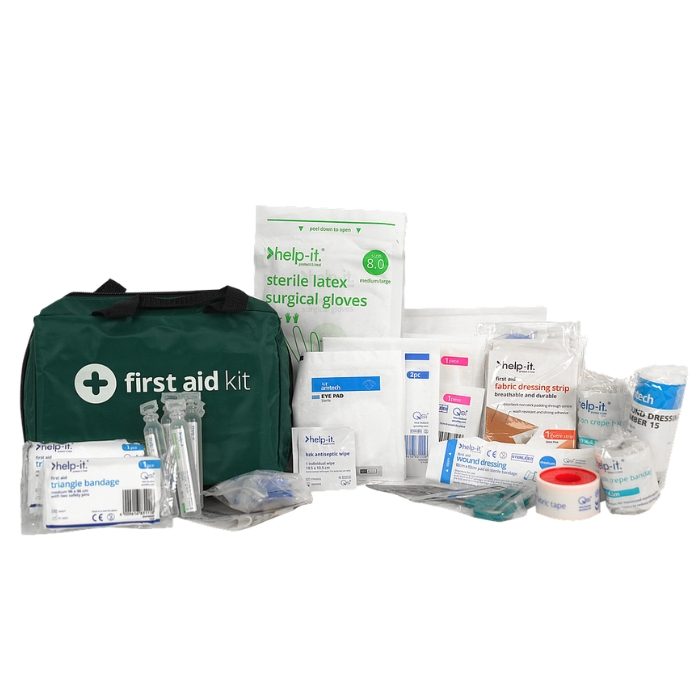
- Adhesive bandages in various sizes for small cuts
- Sterile gauze pads to cover larger wounds
- Medical tape to secure dressings and bandages
- Antiseptic wipes to clean wounds and prevent infection
- Scissors for cutting tape and clothing if needed
- Tweezers to remove splinters or debris
- Elastic bandages for sprains and strains
- Disposable gloves to keep hands clean and avoid contamination
Emergency Equipment
- CPR face shield or mask for safe resuscitation
- Instant cold packs to reduce swelling and pain
- Thermometer to check for fever or shock
- Emergency blanket to maintain body temperature
- Eye wash solution to rinse out irritants
- Burn gel or cream to soothe minor burns
Personal Protective Gear
- Disposable gloves to protect from blood and body fluids
- Face masks to reduce infection risk during treatment
- Safety goggles for eye protection
- Hand sanitizer to maintain hygiene before and after care
Customizing Kits For Specific Workplaces
Workplace first aid kits in New Zealand must fit the needs of each work setting. Different workplaces face unique risks and challenges. Customizing kits ensures readiness and safety for all employees. Proper supplies help handle injuries quickly and effectively. Tailoring kits also meets legal and health requirements specific to workplaces.
Office Environments
Office first aid kits focus on common minor injuries. These include cuts, scrapes, headaches, and eye irritations. Kits often contain:
- Adhesive bandages of various sizes
- Antiseptic wipes and creams
- Pain relief tablets
- Eye wash solutions
- Burn treatment gels
Compact kits fit under desks or in shared areas. Clear labels and easy-to-follow instructions help staff act fast. Regular checks keep supplies fresh and complete.
Industrial Sites
Industrial sites face higher risks from machinery and chemicals. Kits must cover serious injuries like cuts, burns, and fractures. Essential items include:
- Heavy-duty bandages and gauze pads
- Burn dressings and cooling sprays
- Splints for immobilizing broken bones
- Eye wash stations with large capacity
- Respiratory masks and gloves
Large, durable kits placed near work zones improve response time. Safety training helps workers know kit locations and proper use.
Remote Locations
Remote workplaces need kits for isolated conditions and delayed help. Kits must be larger and more comprehensive. Important supplies include:
- Extra bandages and antiseptics
- Emergency blankets and hydration aids
- Snake bite kits and insect repellent
- CPR masks and first aid manuals
- Communication devices for emergencies
Weatherproof containers protect supplies from damage. Training staff in basic first aid is crucial for remote safety.
Training And Education
Training and education form the backbone of effective workplace first aid readiness. Proper knowledge ensures quick, confident response during emergencies. Employees trained in first aid can reduce injury severity and save lives. Regular learning sessions help keep skills sharp and up to date.
First Aid Certification
First aid certification provides essential skills and knowledge to handle emergencies. Certified employees understand how to use the workplace first aid kit properly. Training covers CPR, wound care, choking relief, and more. Certification courses in New Zealand meet national safety standards. Having certified staff builds confidence and safety culture in the workplace.
Regular Drills And Practice
Regular drills reinforce first aid skills and improve reaction times. Practice sessions simulate real-life scenarios to prepare employees for emergencies. Drills help identify gaps in knowledge and kit supplies. They encourage teamwork and clear communication during crises. Scheduling frequent practice keeps everyone ready and alert.
Maintaining And Restocking Kits
Maintaining and restocking your workplace first aid kit in New Zealand is essential for safety and compliance. A well-kept kit ensures you’re ready to handle emergencies without delay. Neglecting this task can leave your team vulnerable when they need help the most.
Inventory Checks
Regular inventory checks keep your first aid kit fully equipped. You should schedule these checks monthly or after any incident that uses supplies. Make a checklist of essential items like bandages, antiseptics, and gloves to quickly spot what’s missing.
Keep a simple log to track when you last checked the kit and what was replaced. This habit saves time and avoids last-minute scrambles. Have you ever found your kit empty during an emergency? Avoid that risk by staying on top of inventory.
Expiration Date Monitoring
Many first aid items have expiration dates. Using expired supplies can be ineffective or even harmful. Check labels on medicines, ointments, and sterile dressings regularly to keep everything fresh and safe.
Set reminders on your phone or calendar to review expiry dates quarterly. Replace expired or nearly expired items immediately. This small effort can make a big difference in an emergency.
Emergency Response Procedures
Emergency response procedures are crucial for any workplace, especially when dealing with injuries or sudden health issues. Knowing exactly what to do can save lives and reduce the severity of injuries. Having a well-stocked Workplace First Aid Kit in NZ is only part of the solution; understanding the correct actions to take immediately is equally important.
Immediate Actions
When an accident happens, your first priority is to ensure safety for yourself and the injured person. Quickly assess the situation—look for any ongoing dangers like fire, electrical hazards, or falling objects.
Next, check the injured person’s condition. Are they conscious? Breathing normally? If you spot severe bleeding or signs of a heart attack, act quickly but calmly.
- Stop any bleeding using clean cloth or bandages from your first aid kit.
- Keep the injured person still and comfortable.
- Use gloves to protect yourself from blood or bodily fluids.
Have you ever felt unsure about what to do first during an emergency? Preparing ahead can help you stay confident and effective when seconds matter.
Calling For Help
Knowing when and how to call for professional help is vital. If the injury is serious or life-threatening, don’t hesitate to call emergency services immediately.
When you call, stay calm and provide clear information:
| Information to Provide | Details |
|---|---|
| Location | Exact address or description of the workplace |
| Nature of Emergency | Describe the injury or illness clearly |
| Number of People Injured | How many need assistance |
| Actions Taken | What first aid has been provided so far |
Have you considered how quickly you could communicate essential details under pressure? Practicing this can make a real difference in emergencies.
Credit: www.hecanterbury.co.nz
Common Workplace Injuries And Treatment
Workplaces often hide small risks that can lead to injuries if you’re not careful. Knowing how to handle common injuries quickly can make a big difference in recovery and safety. Having a well-stocked Workplace First Aid Kit NZ can help you respond effectively when accidents happen.
Cuts And Bruises
Cuts and bruises are among the most frequent injuries at work. A simple slip or bump can cause a cut that needs immediate cleaning to prevent infection.
Use sterile wipes from your first aid kit to clean the wound gently. Apply a clean bandage to keep dirt out and stop bleeding. If a bruise develops, cold packs can reduce swelling and pain.
Sprains And Fractures
Sprains and fractures might look similar but require very different care. If you suspect a sprain, rest the injured part and apply ice to reduce swelling.
For fractures, avoid moving the injured limb and call for medical help right away. Your first aid kit should include elastic bandages and splints to support the injury until professionals arrive.
Burns And Chemical Exposure
Burns and chemical exposure can cause serious damage quickly. Rinse the affected area with cool running water for at least 10 minutes to reduce heat and wash away chemicals.
Do not apply creams or ointments unless instructed. Cover the burn with a sterile, non-stick dressing from your kit. For chemical exposure, make sure to check the safety data sheet and seek urgent medical advice if necessary.
Promoting A Safety Culture
Promoting a safety culture in the workplace is vital for protecting employees. A strong safety culture ensures everyone knows the importance of first aid readiness. It encourages teamwork and responsibility in maintaining a safe work environment. This culture helps reduce accidents and improves overall health and safety standards.
Creating Awareness
Awareness is the first step to building a safety culture. Educate employees about the location and use of the workplace first aid kit. Regular training sessions can help workers understand basic first aid procedures. Use clear signs and labels to mark first aid kit spots. Share information on common workplace hazards and how to avoid them. Awareness makes employees confident and ready to act in emergencies.
Encouraging Reporting
Encouraging employees to report injuries or unsafe conditions is crucial. Create a simple and safe system for reporting accidents or near misses. Make sure workers know that reporting helps prevent future incidents. Praise and reward those who report hazards or injuries honestly. Transparent reporting builds trust and improves workplace safety. It also ensures the first aid kit is well-stocked and ready for use.
Frequently Asked Questions
What Should A Workplace First Aid Kit In Nz Contain?
A workplace first aid kit in NZ must include bandages, antiseptics, gloves, scissors, and burn dressings. It should also have eye wash, adhesive tape, and a first aid manual. The contents comply with NZ health and safety regulations to handle common workplace injuries effectively.
How Often Should Workplace First Aid Kits Be Checked In Nz?
Workplace first aid kits in NZ should be checked monthly. Regular checks ensure all supplies are stocked and unexpired. This helps maintain readiness for emergencies and compliance with workplace safety standards.
Who Is Responsible For Maintaining First Aid Kits At Work In Nz?
Employers are responsible for maintaining first aid kits in NZ workplaces. They must ensure kits are accessible, fully stocked, and regularly inspected. Proper maintenance supports workplace safety and legal compliance under NZ health regulations.
Are Workplace First Aid Kits Mandatory In New Zealand?
Yes, workplace first aid kits are mandatory in New Zealand. The Health and Safety at Work Act requires employers to provide suitable first aid equipment. This ensures immediate care is available during workplace injuries or emergencies.
Conclusion
A well-stocked workplace first aid kit in NZ saves time and lives. It helps treat injuries quickly and keeps workers safe. Regularly checking and refilling the kit is very important. Everyone should know where the kit is and how to use it.
Simple steps can prevent small injuries from becoming big problems. Stay prepared, stay safe.

I’m Abby Lu, a passionate home cook who loves simplifying everyday meals. At PlugChef.com, I share product reviews and cooking guides to help you find the best tools for your kitchen.
Related posts:
 What Type of Cooking Utensils are Safe: Expert Picks
 What Innovations Could Blenders Make: Unleashing Future Tech
 Smart Strategies to Organize a Small Kitchen: Maximize Space
 How to Organize a Kitchen Cabinet: Expert Tips & Tricks
 How to Organize Kitchen Drawers: Expert Tips and Tricks
 How to Organize a Corner Kitchen Cupboard: Expert Tips