

Are you confused about the difference between winter squash and butternut squash? You’re not alone.
Both are popular choices in the kitchen, but they’re not exactly the same. Understanding what sets them apart can help you pick the right one for your recipes and get the best flavor and nutrition. Keep reading, and you’ll discover simple tips to make your cooking easier and more delicious with these versatile squashes.
Flavor Profiles Compared
Understanding the flavor profiles of winter squash versus butternut squash can change how you choose and cook these versatile vegetables. Both offer a unique taste experience that can elevate your meals, but knowing their distinct flavors helps you match them with the right recipes. Let’s break down what makes each one special and how cooking methods influence their taste.
Taste Notes Of Winter Squash
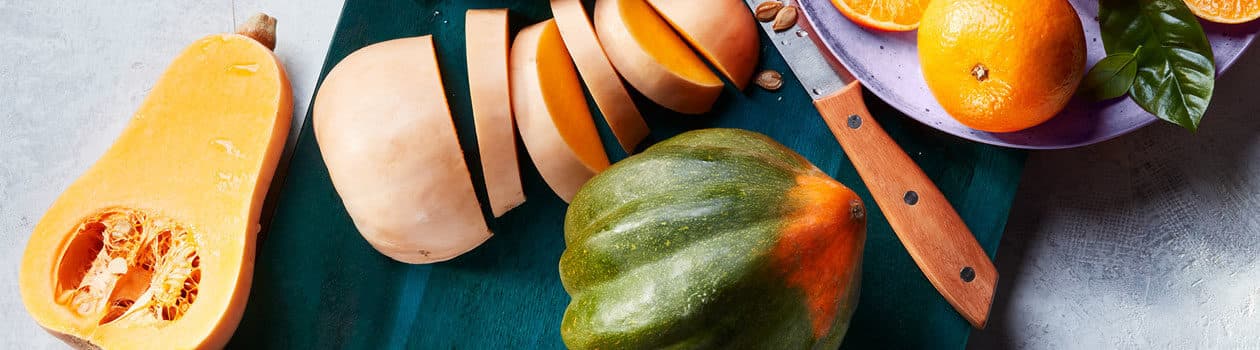
Winter squash includes varieties like acorn, kabocha, and delicata, each carrying subtle differences in flavor. Generally, they have a mildly sweet and nutty taste with earthy undertones. Some types, like kabocha, can even have a hint of pumpkin-like richness that adds depth to dishes.
Have you noticed how some winter squash feels almost creamy after roasting? That natural sweetness intensifies with heat, creating a comforting flavor that’s both hearty and satisfying. It’s not just about sweetness; the slight nuttiness adds complexity, making winter squash a perfect match for savory spices and herbs.
Butternut Squash Flavor Characteristics
Butternut squash stands out with its smooth, sweet, and slightly nutty flavor. It’s less earthy than many other winter squashes, making it a popular choice for purees, soups, and roasting. The sweetness is more pronounced, almost buttery, which makes it feel rich without adding fat.
If you’ve ever tasted butternut squash soup, you know how its natural sugars can transform into caramelized notes during cooking. This sweetness pairs beautifully with warm spices like cinnamon or nutmeg, but it also holds up well against savory ingredients like garlic and sage. The texture is velvety, which enhances its flavor experience.
Cooking Methods And Flavor Impact
How you cook your squash affects its flavor dramatically. Roasting tends to bring out the natural sugars, making both winter and butternut squash sweeter and more caramelized. Steaming or boiling, however, keeps the flavors mild and sometimes watery, which can be great for blending into soups.
Try pan-searing cubes of butternut squash to develop a slight crisp on the outside; it adds a smoky depth you wouldn’t get from boiling. On the other hand, slow-roasting winter squash can soften its nuttiness and create a rich, almost buttery flavor. Which cooking method do you prefer to highlight the squash’s natural qualities in your dishes?

Credit: www.grocery.coop
Nutritional Benefits
Winter squash offers a rich source of fiber and vitamins, supporting digestion and immunity. Butternut squash is high in vitamin A and potassium, promoting eye health and heart function. Both are nutritious choices for a balanced diet.
Winter squash and butternut squash offer impressive nutritional benefits. Both types are rich in essential nutrients, making them valuable additions to your diet. Understanding their nutritional profiles can help you make informed choices.Vitamin And Mineral Content
Winter squash is a powerhouse of vitamins. It contains high levels of vitamin A, which supports eye health. Butternut squash also provides a significant amount of vitamin A. Both squashes are rich in vitamin C. This vitamin boosts the immune system and skin health. They also supply important minerals like potassium and magnesium. These minerals help maintain healthy blood pressure and muscle function.Calorie And Fiber Comparison
Both winter and butternut squash are low in calories. They provide a filling option without adding extra calories. Winter squash contains about 40 calories per cup. Butternut squash offers slightly more at around 60 calories per cup. Both are excellent sources of dietary fiber. Fiber aids digestion and promotes a feeling of fullness. This makes them perfect for weight management.Antioxidants And Health Effects
Both squashes are rich in antioxidants. Antioxidants fight harmful free radicals in the body. This reduces the risk of chronic diseases. Winter squash contains carotenoids, which support heart health. Butternut squash is rich in beta-carotene. This antioxidant converts to vitamin A in the body, supporting vision. Including these squashes in your diet can have numerous health benefits.Culinary Uses
Both winter squash and butternut squash bring unique flavors and textures to your kitchen. Understanding their culinary uses can help you choose the right squash for your meals and elevate your cooking. Whether you want something hearty or subtly sweet, these squashes offer versatile options that fit different recipes and taste preferences.
Best Recipes For Winter Squash
Winter squash varieties, like acorn, kabocha, and delicata, shine in recipes that highlight their firm texture and rich taste. Roasting winter squash with olive oil, salt, and herbs brings out a deep, nutty flavor that complements many dishes.
Try making a winter squash soup by blending roasted squash with onions, garlic, and vegetable broth. The smooth, creamy result is perfect for chilly evenings. You can also cube winter squash and add it to stews or grain bowls for extra warmth and nutrition.
Popular Dishes With Butternut Squash
Butternut squash is famous for its sweet, buttery flavor and smooth texture. It’s a favorite in recipes like butternut squash risotto, where its natural sweetness balances the creamy rice perfectly.
Another popular dish is butternut squash pasta sauce, which adds a velvety texture and mild sweetness to your meal. Roasted butternut squash also works wonderfully in salads or as a side dish, paired with spices like cinnamon or cumin for a comforting twist.
Pairing With Other Ingredients
Pairing your squash with the right ingredients can make your dish unforgettable. Winter squash pairs well with savory spices such as sage, rosemary, and thyme, which enhance its earthy notes.
Butternut squash pairs beautifully with sweet and spicy flavors like maple syrup, chili powder, and nutmeg. Adding ingredients like garlic, onions, or sharp cheeses such as feta or parmesan can create a balanced dish that excites your taste buds.
Have you tried combining squash with grains like quinoa or farro? It’s a great way to add texture and make your meal more filling. Don’t hesitate to experiment with what you have on hand—you might discover your new favorite flavor pairing.
Credit: www.sobeys.com
Storage And Preparation Tips
Storing and preparing winter squash and butternut squash properly can make a big difference in your cooking experience and the final taste. Both types of squash have tough skins and dense flesh, which means handling them right is key to enjoying their flavors and textures. Let’s look at some practical tips that will help you pick, store, and prep your squash with ease.
Choosing Fresh Squash
Look for winter and butternut squash that feel heavy for their size. This usually means the flesh inside is dense and full of moisture. Check the skin for firmness and avoid any with soft spots or bruises, which can indicate spoilage.
Pay attention to color too. Butternut squash should have a uniform tan color without green patches. Winter squash varieties, like acorn or kabocha, have distinct colors but should be vibrant and not dull.
Proper Storage Techniques
Keep your squash in a cool, dry place with good air circulation. A pantry or cellar with temperatures around 50-60°F (10-15°C) works well. Avoid storing squash in the fridge if you plan to use it soon, as cold temperatures can affect the texture.
If you’ve cut the squash, wrap it tightly in plastic wrap or place it in an airtight container. Store cut squash pieces in the refrigerator and use them within 3-5 days to maintain freshness.
Peeling And Cutting Guidance
Use a sharp, sturdy knife when cutting squash to avoid slipping and injury. Start by cutting off both ends to create flat surfaces, which makes peeling and chopping safer and easier. For peeling, a vegetable peeler works well on butternut squash, but winter squash with thicker skins might need a knife.
Cut the squash into manageable pieces before cooking. For roasting, cubes or slices work great. If you want to puree the squash for soups or pies, smaller chunks will cook faster and blend more smoothly.
Cost And Availability
Cost and availability play a big role in choosing between winter squash and butternut squash. Both have unique patterns in price and market presence. Understanding these differences helps with smarter shopping and meal planning.
Seasonal Availability
Winter squash is generally available from late summer through early winter. Butternut squash shares a similar season but stays fresh longer because of its thick skin. Both squash types are harvested in the fall. This timing affects when they appear in stores and markets.
Price Differences
Winter squash often costs less than butternut squash. Prices vary by location and season. Butternut squash is usually pricier due to its popularity and sweetness. Bulk buying can lower the price for both kinds. Price changes depend on supply and demand.
Where To Buy
- Farmers markets offer fresh, local winter and butternut squash.
- Supermarkets stock both types year-round but with seasonal peaks.
- Organic stores may have higher prices but better quality squash.
- Online grocery shops provide delivery options for convenience.

Credit: parade.com
Frequently Asked Questions
What Is The Difference Between Winter Squash And Butternut Squash?
Winter squash is a broad category of hard-shelled squashes. Butternut squash is a specific type of winter squash with a sweet, nutty flavor and tan skin. They differ in shape, taste, and culinary uses.
How Do Winter Squash And Butternut Squash Differ In Taste?
Winter squash flavors range from mild to sweet, often earthy. Butternut squash has a sweeter, nutty taste, making it popular for soups and roasting.
Can Butternut Squash Be Used In Place Of Winter Squash?
Yes, butternut squash can replace many winter squash varieties in recipes. Its sweet flavor and smooth texture work well in soups, stews, and roasting.
Which Squash Is More Nutritious: Winter Squash Or Butternut?
Both are nutritious, rich in vitamins A and C. Butternut squash contains slightly more vitamin A and fiber, supporting eye health and digestion.
Conclusion
Both winter squash and butternut squash offer great taste and nutrition. Each has a unique texture and flavor for different dishes. Winter squash varieties tend to be larger and less sweet. Butternut squash is sweeter and easier to peel. Use them in soups, roasting, or baking for warmth and comfort.
Choosing depends on your recipe and taste preference. Try both to enjoy their distinct qualities. Cooking with these squashes adds color and health to your meals. Simple, tasty, and good for you—perfect for cold days.

Hi, I’m Daniel Brooks—a food lover and kitchen gear enthusiast. I enjoy testing cookware, utensils, and gadgets to see what really works in everyday cooking. At PlugChef.com, I share honest reviews, comparisons, and simple guides to help you choose the best tools for a safer, smarter, and more enjoyable kitchen.
Related posts:
 What Type of Cooking Utensils are Safe: Expert Picks
 What Innovations Could Blenders Make: Unleashing Future Tech
 Smart Strategies to Organize a Small Kitchen: Maximize Space
 How to Organize a Kitchen Cabinet: Expert Tips & Tricks
 How to Organize Kitchen Drawers: Expert Tips and Tricks
 How to Organize a Corner Kitchen Cupboard: Expert Tips

