
Have you ever found yourself frustrated with a stubbornly grimy tool that just won’t come clean? You’re not alone.
We all have that one tool in our collection, covered in rust or caked in dirt, that seems beyond saving. But before you toss it into the trash, consider a simple solution hiding in your kitchen cupboard: baking soda. Yes, the humble baking soda can transform your cleaning routine and breathe new life into your neglected tools.
Imagine having a pristine, rust-free tool ready for action, without the hassle of scrubbing for hours or investing in expensive cleaning products. Curious about how this works and why it’s so effective? Keep reading to discover how soaking your tools in baking soda can revolutionize your DIY projects and save you money. Your toolbox will thank you.
The Problem With Rusty Tools
Rust is a common enemy of metal tools. It weakens them over time. Rust makes tools less effective and more prone to breakage. This can lead to frustration and inefficiency during tasks. Rusty tools may also damage the materials they work on. Keeping tools rust-free is essential for their longevity and performance.
The Impact Of Rust On Tool Durability
Rust eats away at metal surfaces. This compromises the strength and structure of tools. Over time, tools become brittle and unreliable. Regular use accelerates wear and tear. This leads to frequent replacements, which can be costly.
Safety Concerns With Rusty Tools
Using rusty tools poses safety risks. Weak points can cause accidents or injuries. Loose parts may fall or break unexpectedly. This creates hazards during tasks. Rusty tools can slip or jam. This might lead to accidents during use.
Why Rust Affects Tool Performance
Rust creates rough surfaces on tools. It reduces their efficiency. Cutting tools become dull. Gripping surfaces lose their hold. This results in poor performance. Tasks take longer to complete. Effort increases as tools struggle to function correctly.
Credit: x.com
How Baking Soda Works
Using baking soda to soak tools is a common practice. But why does it work so well? The answer lies in its unique properties. Baking soda, a mild alkali, can dissolve dirt and grease. It also reacts chemically with certain substances. This makes it ideal for cleaning and rust removal.
Natural Cleaning Properties
Baking soda is a natural cleaner. It gently scrubs without scratching. Its fine particles can penetrate small crevices. This helps remove grime and debris effectively. It also neutralizes odors. Tools soaked in baking soda come out smelling fresh. This is especially useful for tools used in greasy environments.
Chemical Reaction With Rust
Rust is iron oxide. Baking soda can help break it down. It reacts with the rust, loosening its grip. This makes it easier to scrub off. The process is safe and non-toxic. No harsh chemicals are needed. This makes it a preferred choice for many. Plus, it’s cost-effective. Most households already have baking soda in the pantry.
Steps To Soak Tools In Baking Soda
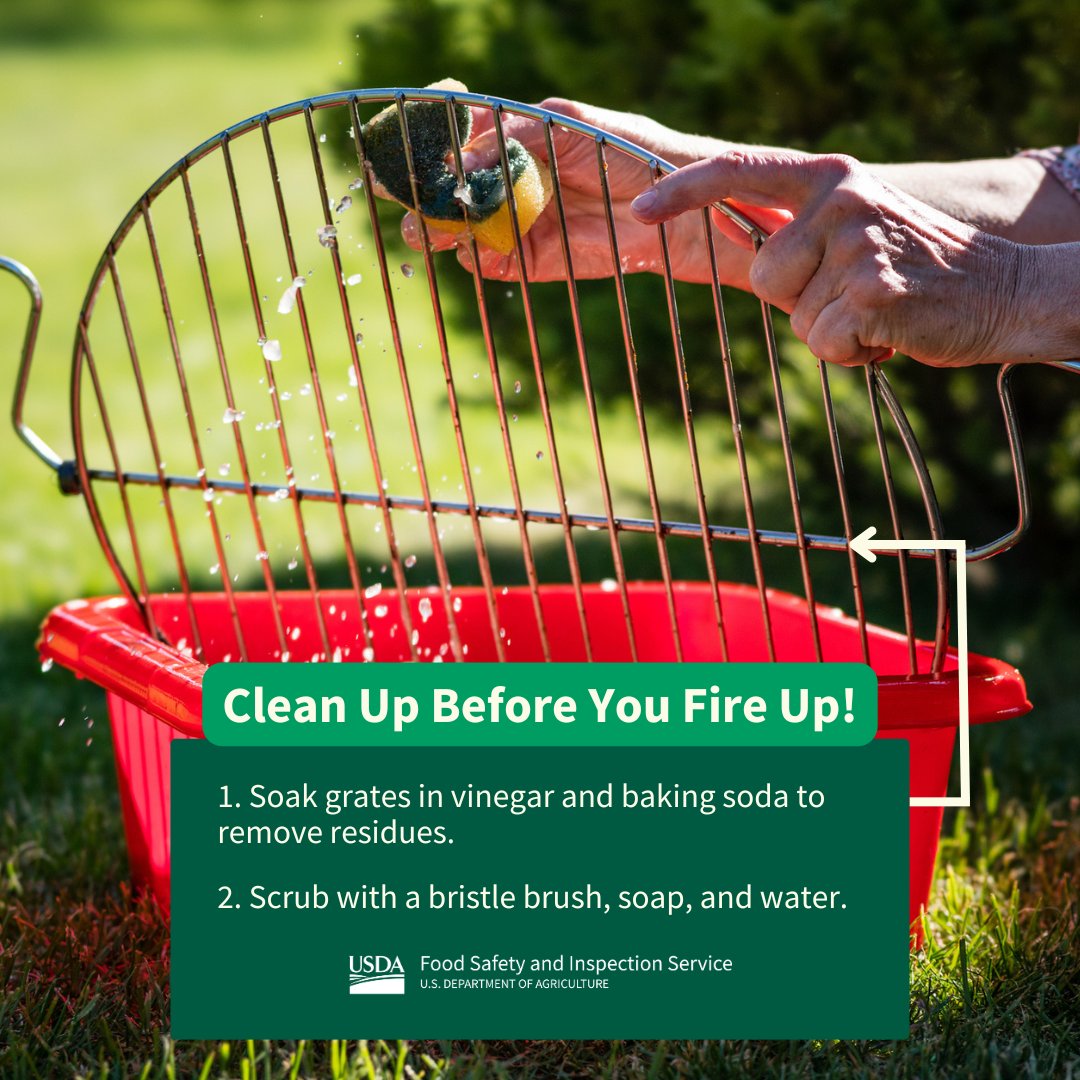
Soaking tools in baking soda helps remove rust and grime effectively. Baking soda’s mild abrasiveness cleans without damaging surfaces. This simple method also neutralizes odors, leaving tools fresh and ready to use.
Soaking tools in baking soda can restore their shine and functionality. This simple method removes rust and grime effectively. Follow these steps to rejuvenate your tools effortlessly.Preparing The Solution
Start by gathering a bowl or bucket. Ensure it’s large enough to hold your tools. Mix one part baking soda with two parts water. Stir until the baking soda dissolves completely. This creates a gentle cleaning solution. Use warm water for better results. Warm water helps the baking soda dissolve faster.Submerging The Tools
Place your tools in the prepared solution. Ensure each tool is fully submerged. This allows the solution to cover all surfaces. Arrange tools so they don’t overlap. Overlapping can prevent thorough cleaning. Use a brush to scrub stubborn spots. A toothbrush works well for small areas.Duration Of Soak
Let the tools soak for several hours. For best results, leave them overnight. Longer soaking enhances the cleaning effect. Check the tools periodically. Ensure they’re not corroding further. Baking soda is gentle, but it’s good to monitor. After soaking, rinse each tool with clean water. Dry them thoroughly to prevent rust.Benefits Of Using Baking Soda
Soaking tools in baking soda offers many benefits. This simple method is effective and easy to use. Baking soda is a natural cleaner. It helps remove rust and dirt from tools. Let’s explore some key advantages of using baking soda.
Cost-effective Solution
Baking soda is very affordable. You can find it in most stores. It costs less than many chemical cleaners. A small amount goes a long way. This makes it a great choice for budget-conscious people. You don’t need special equipment or products. Just mix with water and soak your tools.
Eco-friendly Alternative
Baking soda is safe for the environment. It does not harm plants or animals. Many cleaning agents contain harsh chemicals. These can pollute water and soil. Baking soda breaks down naturally. It leaves no harmful residues. Using it reduces your carbon footprint. It’s a simple way to go green.
Tips For Preventing Future Rust
Rust can be a real headache for tool owners. It damages tools and shortens their lifespan. Luckily, soaking tools in baking soda can remove rust. But what prevents future rust? Here are some practical tips to keep your tools rust-free.
Proper Storage Techniques
Store tools in a dry place. Moisture invites rust. Use a toolbox or cabinet with a seal. Ensure your tools are clean before storing them. Dirt can trap moisture and cause rust.
Consider using silica gel packs. They absorb moisture and keep the area dry. Regularly check your storage space for leaks or dampness.
Regular Maintenance
Inspect your tools often. Look for any signs of rust. Clean tools after use. Dirt and debris can lead to rust formation.
Apply a thin layer of oil to metal surfaces. This creates a protective barrier. Make sure to use the right oil for your tools. Regular maintenance keeps your tools in top condition.

Credit: www.instagram.com
Other Uses Of Baking Soda In Tool Care
Baking soda, a common household staple, does wonders for tool care. Its versatility extends beyond soaking tools. It offers practical solutions for maintaining your tool collection. Discover how baking soda can polish and deodorize.
Polishing Metal
Baking soda works wonders for polishing metal surfaces. Mix it with water to form a paste. Use a cloth to apply the paste to the metal. Gently rub the surface. It removes grime and restores shine. Rinse with water and dry thoroughly. This simple method keeps your tools looking new.
Deodorizing Toolboxes
Toolboxes can develop unpleasant odors. Baking soda can help deodorize them. Sprinkle baking soda inside the toolbox. Let it sit for a few hours. It absorbs odors effectively. Wipe the inside clean with a damp cloth. Your toolbox will smell fresh and clean.

Credit: www.wikihow.com
Frequently Asked Questions
What Is The Best Thing To Soak Tools In?
Soak tools in a mixture of vinegar and water to remove rust effectively. Use soapy water to clean grime. For oily residue, soak tools in a degreaser. Ensure tools are fully submerged for optimal results. Dry thoroughly after soaking to prevent further rusting.
What Are The Benefits Of Soaking In Baking Soda?
Soaking in baking soda detoxifies the skin, alleviates irritation, and softens calluses. It balances pH levels, reducing odor. Baking soda baths can soothe itchiness and enhance skin hydration, promoting relaxation. Regular use may improve skin health and overall well-being.
How Long To Leave Baking Soda On Metal?
Leave baking soda on metal for 15-30 minutes. Gently scrub with a soft brush for effective cleaning. Rinse thoroughly with water and dry to prevent moisture. Baking soda helps remove stains, odors, and light rust from metal surfaces.
How Do You Clean Tools With Baking Soda?
Mix baking soda with water to form a paste. Apply it to the tool using a brush. Scrub gently to remove dirt and grime. Rinse with water and dry thoroughly to prevent rust. Baking soda effectively cleans tools without harsh chemicals.
Conclusion
Soaking tools in baking soda works wonders. It cleans and protects. Baking soda removes rust and grime. Tools look shiny and new. It’s a simple process. Easy for everyone to try. Soak, scrub, and rinse. That’s all it takes. You save money and time.
No need for expensive cleaners. Baking soda is cheap and effective. Your tools stay in great condition. Give it a try. You won’t regret it. Cleaner tools last longer. Your work becomes easier. Experience the difference today. You’ll be glad you did.

I’m Abby Lu, a passionate home cook who loves simplifying everyday meals. At PlugChef.com, I share product reviews and cooking guides to help you find the best tools for your kitchen.
Related posts:
 What Type of Cooking Utensils are Safe: Expert Picks
 What Innovations Could Blenders Make: Unleashing Future Tech
 Smart Strategies to Organize a Small Kitchen: Maximize Space
 How to Organize a Kitchen Cabinet: Expert Tips & Tricks
 How to Organize Kitchen Drawers: Expert Tips and Tricks
 How to Organize a Corner Kitchen Cupboard: Expert Tips