

Have you ever found yourself staring at a rusted tool, wondering if there’s a simple way to restore its former glory? You’re not alone, and there’s good news.
Baking soda, a household staple, might just be the solution you’ve been searching for. Imagine transforming your old tools into shiny, like-new pieces without breaking the bank or spending hours scrubbing away rust. By soaking your tool in baking soda, you tap into a method that’s both effective and surprisingly easy.
But why baking soda? What makes it the unsung hero in your toolbox maintenance routine? As you read on, you’ll discover the science behind this everyday miracle worker and how it can save you time and effort. Unlock the secrets of baking soda and unveil a process that’s accessible to anyone. Whether you’re a seasoned DIY enthusiast or just looking for a quick fix, this approach could change how you care for your tools forever. Ready to dive into the fascinating world of tool restoration with baking soda? Let’s get started!
Benefits Of Baking Soda For Cleaning
Soaking tools in baking soda helps remove stubborn stains and rust. This natural cleaner acts gently yet effectively. Its mild abrasive properties make it perfect for restoring tools to their original condition. Plus, baking soda is eco-friendly and safe, ensuring no harm to your tools or the environment.
When you think of baking soda, you probably imagine it sitting on a kitchen shelf, ready for baking. But did you know it’s also a powerhouse for cleaning? Baking soda is a simple, affordable way to tackle grime and residue on tools. From my experience, soaking an old, rusty hammer in a baking soda solution worked wonders, making it look nearly new. Why not give it a try on your own toolbox?What Makes Baking Soda A Cleaning Powerhouse?
Baking soda, or sodium bicarbonate, is mildly abrasive. This quality helps it scrub off stubborn dirt without scratching surfaces. It’s also a natural deodorizer. This means it neutralizes odors rather than just covering them up.Safe And Non-toxic
One major benefit is its safety. You don’t have to worry about harsh chemicals harming your skin or the environment. When you soak your tools in a baking soda solution, you’re opting for a non-toxic cleaner. It’s safe for both you and your metal tools.Cost-effective Cleaning Solution
Baking soda is incredibly budget-friendly. A small box can last a long time, even with frequent use. Compared to pricey commercial cleaners, you’re getting a great deal. Why spend more when you can achieve the same results at a fraction of the cost?Easy To Use
Cleaning with baking soda is straightforward. Mix it with water to create a paste or solution. Then soak or scrub your tools as needed. No complicated instructions or special equipment required. Isn’t it nice when the simplest solutions are the best?Versatility Beyond Tools
Beyond cleaning tools, baking soda can tackle various cleaning tasks around your home. From freshening up the fridge to unclogging drains, its uses are endless. Have you tried using it for other cleaning tasks yet? It might just become your go-to solution. So next time you’re facing a cleaning challenge, remember the humble box of baking soda. It’s effective, safe, and easy on your wallet. What more could you ask for in a cleaning agent?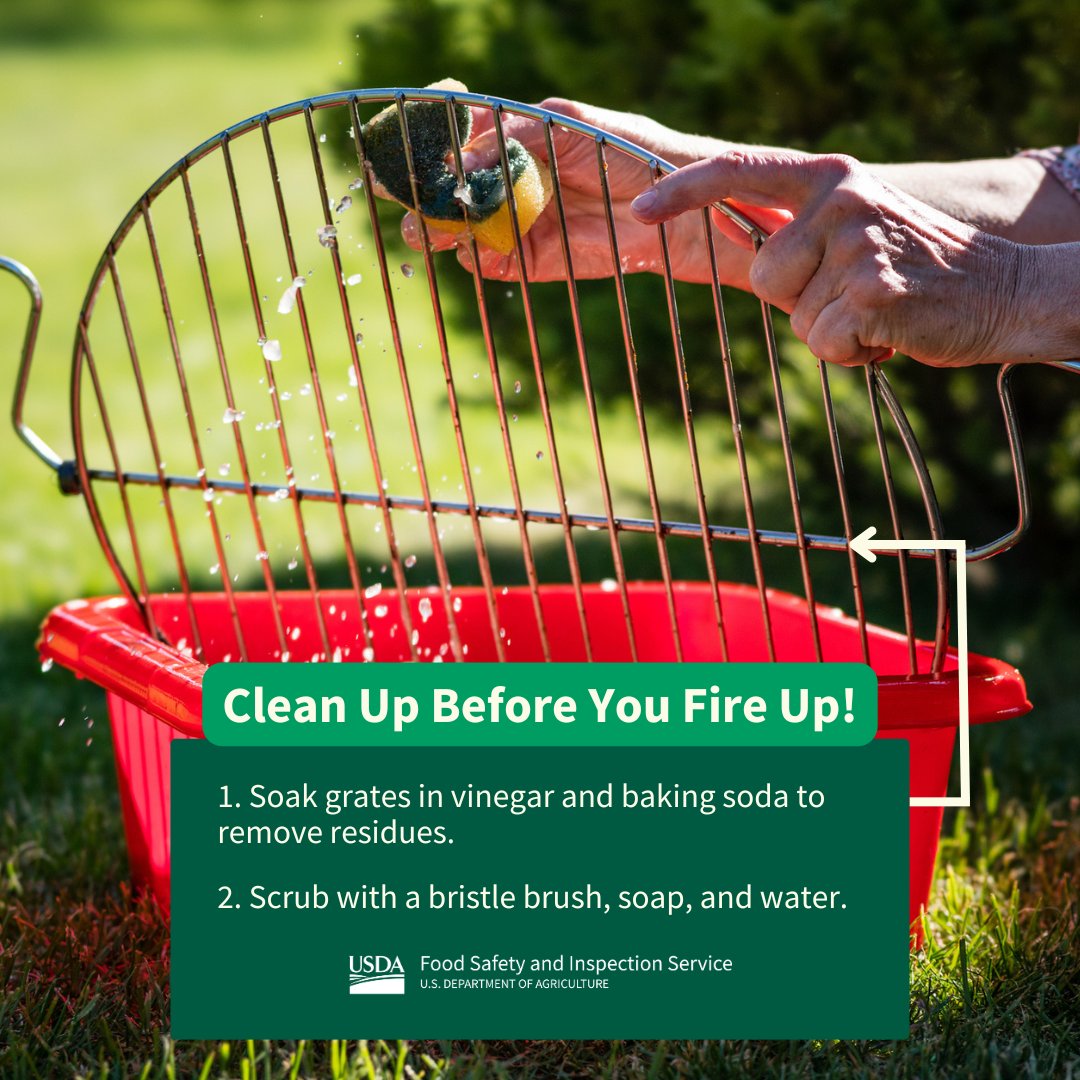
Credit: x.com
Common Tools To Soak
Soaking tools in baking soda offers many benefits. It helps remove rust, grime, and stubborn stains. This simple method can extend the life of your tools. But which tools benefit the most from this treatment? Let’s explore the common tools you should soak.
1. Hand Tools
Hand tools like wrenches, pliers, and screwdrivers often collect rust. Baking soda works wonders here. It helps clean and restore these essential items. A quick soak can make them look new again.
2. Garden Tools
Garden tools face dirt, moisture, and plant sap. These elements can cause rust and buildup. Soaking them in baking soda helps remove these residues. It keeps your tools ready for the next gardening task.
3. Kitchen Utensils
Kitchen tools like knives and scissors can dull over time. Baking soda helps remove residue and restore their shine. A regular soak ensures they remain efficient.
4. Power Tool Attachments
Attachments for drills and saws often gather debris. Soaking them in baking soda loosens grime and rust. This maintenance step keeps your power tools performing well.
5. Metal Cleaning Brushes
Metal cleaning brushes can lose their effectiveness with dirt buildup. Baking soda soaks help maintain their cleaning power. It ensures they remain a useful part of your toolkit.
Step-by-step Soaking Process
Soaking tools in baking soda is a simple yet effective method to restore their shine and functionality. Whether you’re dealing with rust or grime, this step-by-step soaking process offers a practical solution. Let’s dive into how you can prepare, immerse, and time the soaking for the best results.
Preparation Of Solution
Start by gathering a bowl or container large enough to fit the tool you want to soak. Add warm water to the container—this helps dissolve the baking soda more effectively.
Next, add a generous amount of baking soda to the water. A ratio of 1 tablespoon of baking soda per cup of water is a good starting point. Stir until the baking soda is completely dissolved.
Remember, it’s not an exact science. Feel free to adjust the amount based on the tool’s size and condition.
Immersion Techniques
Carefully place your tool into the baking soda solution. Make sure the entire tool is submerged for even cleaning.
If the tool is too large, you might need to flip it halfway through the soaking process. This ensures both sides benefit from the cleaning action.
It’s fascinating how tools transform with just a bit of attention. Think of it as a mini spa day for your toolbox!
Duration Of Soaking
How long should you soak the tool? It depends on the level of grime or rust. Typically, soaking for about 30 minutes is sufficient for light cleaning.
For tougher stains or rust, consider leaving it overnight. Don’t worry about overdoing it; baking soda is gentle and won’t harm your tools.
Have you ever been surprised by how a simple overnight soak can make your tools look brand new?
So, next time you’re working on a project, take a moment to soak your tools and see the difference. It’s a small step that can make your work more enjoyable and efficient. Ready to give your tools the care they deserve?

Credit: www.instagram.com
Alternative Methods
Baking soda effectively cleans tools by breaking down dirt and grime. It acts as a natural abrasive, gently scrubbing surfaces. Soaking tools helps remove rust and stains, restoring their shine.
When it comes to cleaning tools, soaking them in baking soda is a widely known method. However, there are alternative methods that can be just as effective, and sometimes even more so, depending on the type of grime or rust you are dealing with. These alternatives can provide your tools with a refreshed look, without damaging their surfaces. Let’s delve into two exciting combinations that can enhance your cleaning regimen.Vinegar And Baking Soda Combo
If you’ve ever tried mixing vinegar with baking soda, you’ve witnessed the fizzing reaction that can be quite satisfying. This duo is not just a science experiment; it’s a powerful cleaning agent. Mix equal parts vinegar and baking soda to create a paste. This concoction is excellent for removing rust and stubborn stains. Imagine your old garden shears covered in rust. You might be surprised at how this mix can bring them back to life. Scrub the paste onto the rusty areas and let it sit for about 15 minutes. Then rinse it off with water, revealing a cleaner surface. Doesn’t it make you wonder what other items in your garage could benefit from this simple trick?Using Lemon And Salt
Lemon and salt are another dynamic duo that might already be sitting in your kitchen. This combination is particularly effective for tools that need a gentle yet effective cleaning. Cut a lemon in half and sprinkle salt generously on the cut side. Use the lemon as a scrubber on the tool’s surface. The acidity of the lemon helps break down grime, while the salt acts as an abrasive agent to scrub it away. Think about your trusty hammer that’s seen better days. This method can help remove light rust and give it a shine. It’s also a natural way to clean without harsh chemicals. Are you ready to harness the power of nature to keep your tools in top condition? Give it a try and see the difference yourself. Both of these alternative methods are straightforward and use everyday items. So, next time you need to clean your tools, why not try these combinations? They might just become your new go-to solutions.Safety Precautions
Soaking tools in baking soda can effectively remove rust and grime. This process is simple, but safety precautions are necessary. Baking soda is gentle, yet other factors can present risks. Understanding these precautions ensures a safe cleaning experience.
Wear Protective Gear
Always wear gloves when handling baking soda solutions. Gloves protect your skin from irritation. Use goggles to shield your eyes from splashes. Ensure proper ventilation in your workspace. This prevents inhaling any particles.
Use Appropriate Containers
Choose containers made of non-reactive materials. Glass or plastic are ideal choices. Avoid metal containers, which may react with baking soda. Ensure the container is large enough for the tool to submerge completely.
Control The Amount Of Baking Soda
Measure the baking soda accurately. Too much can lead to unwanted reactions. A balanced mix is effective and safe. Follow the recommended proportions for optimal results.
Dispose Of Waste Properly
After soaking, discard the solution responsibly. Do not pour it down the sink without checking disposal guidelines. Some areas have specific rules for disposal. Follow local regulations to avoid environmental harm.
Inspect Tools Before Soaking
Check tools for delicate parts. Some components may not withstand soaking. Be cautious with electrical or sensitive items. Ensure compatibility with baking soda solutions.
Environmental Impact
Soaking tools in baking soda offers a sustainable cleaning solution. Unlike chemical cleaners, baking soda is gentle on the environment. This natural compound is biodegradable and non-toxic. It doesn’t contribute to water pollution or harm aquatic life.
Reduced Chemical Waste
Many commercial cleaners contain harmful chemicals. These can end up in water systems. Baking soda reduces this risk. It breaks down naturally without leaving toxic residues.
Sustainable Sourcing
Baking soda is sourced sustainably. It’s a naturally occurring mineral. Extracted in an eco-friendly manner, it doesn’t deplete resources. This makes it an ideal alternative for eco-conscious individuals.
Energy Efficient
Producing baking soda requires less energy than chemical cleaners. Its simple production process minimizes environmental impact. This contributes to lower carbon emissions.
Safe For Home Disposal
Baking soda is safe to dispose of at home. It doesn’t require special disposal methods. This makes it convenient and eco-friendly for households.
Biodegradable Nature
Once used, baking soda breaks down easily. It returns to its natural state without harming the ecosystem. This ensures a minimal environmental footprint.

Credit: www.wikihow.com
Frequently Asked Questions
What Is The Best Thing To Soak Tools In?
The best solution for soaking tools is a mixture of vinegar and water. This effectively removes rust and grime. For tougher rust, use a commercial rust remover. Always dry tools thoroughly after soaking to prevent further corrosion. Regular maintenance keeps tools in top condition.
What Are The Benefits Of Soaking In Baking Soda?
Soaking in baking soda can soothe skin irritation and help detoxify. It balances pH levels and relieves itching. Baking soda baths can also soften skin and reduce body odor. Regular use may enhance relaxation and promote better hygiene.
How Long To Leave Baking Soda On Metal?
Leave baking soda on metal for 15 to 30 minutes. Rinse thoroughly with water to avoid residue.
How Do You Clean Tools With Baking Soda?
Mix baking soda with water to create a paste. Apply the paste to the tools. Scrub using a brush. Rinse thoroughly with water. Dry completely to prevent rust.
Conclusion
Soaking tools in baking soda is simple and effective. It cleans and protects them. Baking soda removes rust and grime. It is affordable and easy to use. Regular maintenance saves time and money. Tools last longer with this method. Keep your tools clean and functional.
Baking soda is a smart choice for tool care. It’s gentle yet powerful. No harsh chemicals needed. Make this a regular habit. Your tools will thank you. So grab some baking soda today. Start protecting your valuable tools.

I’m Abby Lu, a passionate home cook who loves simplifying everyday meals. At PlugChef.com, I share product reviews and cooking guides to help you find the best tools for your kitchen.
Related posts:
 What Type of Cooking Utensils are Safe: Expert Picks
 What Innovations Could Blenders Make: Unleashing Future Tech
 Smart Strategies to Organize a Small Kitchen: Maximize Space
 How to Organize a Kitchen Cabinet: Expert Tips & Tricks
 How to Organize Kitchen Drawers: Expert Tips and Tricks
 How to Organize a Corner Kitchen Cupboard: Expert Tips

