
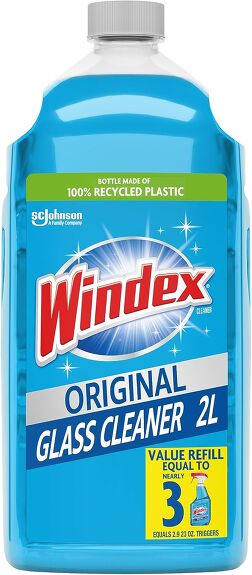
Have you ever grabbed a bottle of Windex to clean your windows, only to notice it seems to stop bugs in their tracks? It might surprise you to learn that this common household cleaner can actually kill bugs.
But why does Windex have this unexpected power? If you’re curious about what’s really happening when Windex meets those pesky insects invading your space, keep reading. Understanding this can help you make smarter choices for pest control and keep your home both clean and bug-free.
Let’s dive into the science behind why Windex kills bugs—and what that means for you.

Credit: www.weekand.com
Windex Ingredients That Affect Bugs
Windex contains ingredients that can harm bugs on contact. These chemicals disrupt their breathing and nervous systems. Understanding these ingredients helps explain why Windex kills bugs.
Role Of Ammonia
Ammonia is a key ingredient in Windex. It irritates the bugs’ respiratory system and skin. This causes bugs to suffocate or die quickly. Ammonia also breaks down the waxy coating on bug bodies. This makes them lose moisture and dry out fast.
Other Chemicals In Windex
Windex includes detergents and solvents. These chemicals dissolve the bugs’ outer shell. The loss of this protective layer leads to dehydration. Fragrances and colorants in Windex may also disturb bugs. They contribute to the toxic environment bugs face when sprayed.
Credit: www.familyhandyman.com
How Windex Impacts Insect Physiology
Understanding how Windex affects insect physiology reveals why it is effective at killing bugs. The active ingredients in Windex interfere with vital systems that insects rely on for survival. Let’s break down the specific ways it impacts their bodies, starting with their respiratory system and then looking at the exoskeleton.
Effects On Bug Respiratory System
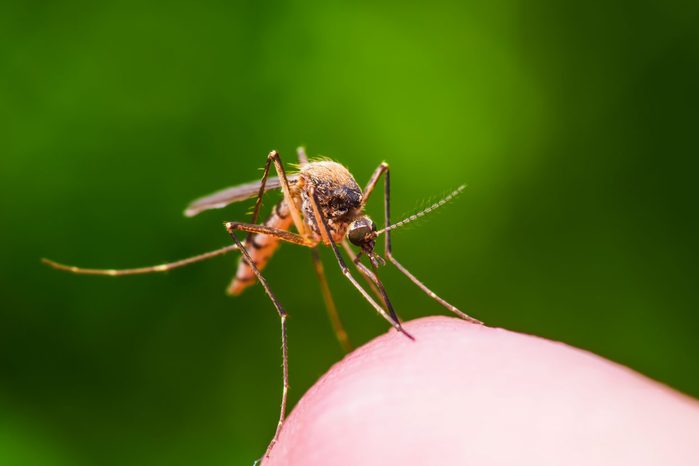
Insects breathe through tiny openings called spiracles located on their bodies. When you spray Windex, the liquid can clog these spiracles, cutting off the bug’s air supply. Without oxygen, insects quickly suffocate and die.
This effect is why Windex works so fast on small crawling bugs like ants or spiders. It’s not just about toxicity; it physically blocks their breathing. Have you noticed how bugs often twitch and stop moving shortly after contact? That’s their oxygen supply shutting down.
Disruption Of Bug Exoskeleton
The insect exoskeleton is a tough outer shell that protects its internal organs and helps retain moisture. Windex contains chemicals that break down the waxy layer on this shell. This damage causes the bug to lose water rapidly, leading to dehydration.
Once the protective barrier is compromised, insects become vulnerable to environmental stress and infection. This is why even if a bug doesn’t die immediately after contact, it usually succumbs within hours. The chemical assault on their exoskeleton is a slow but sure way to eliminate pests.
Windex As An Insecticide Alternative
Windex, commonly known for its streak-free shine on windows, has found an unexpected role as an insecticide alternative. While it might not be the first solution that comes to mind for pest control, many people have discovered its surprising ability to kill bugs. But why does Windex kill bugs, and when should you consider using it over traditional pesticides?
Effectiveness Compared To Traditional Pesticides
Windex contains ammonia and other cleaning agents that can be lethal to insects upon contact. This makes it an effective quick fix for small-scale infestations or when you spot a bug crawling across your floor. Unlike traditional pesticides, Windex doesn’t leave behind a long-lasting chemical residue, which can be a benefit if you’re concerned about children or pets.
However, it’s essential to recognize that Windex isn’t designed to target specific pests like many professional-grade insecticides. This means it might not be as effective for large infestations or specific bug types. Consider how frequently you encounter bugs and the severity of your problem before swapping out your go-to pest control products.
Situations Where Windex Works Best
Windex shines in situations where you need an immediate, on-the-spot solution. If you’re dealing with a lone ant or a pesky fly buzzing around your kitchen, a quick spray of Windex can handle the situation efficiently. It’s especially handy during impromptu outdoor gatherings when bugs start to invade your space.
Keep in mind that Windex is best suited for hard surfaces where you can easily wipe away the residue. Using it on porous surfaces or fabrics might not yield the same results and could cause stains. Have you ever tried using Windex as a bug spray? It’s worth keeping a bottle handy for those unexpected bug encounters.
In your experience, what unconventional methods have you used to tackle bugs at home? Share your thoughts and join the conversation on alternative pest control solutions.
Credit: www.hometalk.com
Safety And Environmental Considerations
Using Windex to kill bugs might seem like a quick fix, but it’s important to think about safety and environmental effects. You need to ask yourself: is it safe for the people and pets around you? And what happens to the environment when you spray Windex outside? Understanding these points helps you make smarter choices in pest control.
Risks To Humans And Pets
Windex contains chemicals like ammonia and other cleaning agents that can irritate skin, eyes, and lungs. If you spray it where children or pets can reach, they might accidentally ingest or inhale harmful substances.
I once had a friend whose cat got sick after wandering into a freshly cleaned window. It made me realize how easily pets can be affected by household cleaners used as bug killers.
- Always keep pets and children away from areas treated with Windex.
- Wear gloves and ensure good ventilation when using it.
- Never spray directly on your skin or face.
Environmental Impact Of Using Windex
When Windex enters the environment, it can affect water quality and harm beneficial insects. The chemicals do not break down quickly and may contaminate soil and waterways.
Consider this: spraying Windex on outdoor plants might kill bugs you don’t want to harm, like bees and butterflies. These insects play a crucial role in pollination and maintaining a healthy ecosystem.
- Limit Windex use to indoor areas to reduce environmental harm.
- Explore safer, eco-friendly alternatives for pest control outdoors.
- Dispose of Windex containers properly to avoid chemical runoff.
How often do you think about the long-term effects of quick pest fixes like Windex? Being aware of these safety and environmental factors can help you protect your loved ones and the planet while managing bugs effectively.
Tips For Using Windex To Control Bugs
Using Windex to control bugs can be a handy trick, but it works best when applied correctly. Knowing how to use it effectively can make a big difference in managing those unwanted visitors without causing damage to your plants or surfaces. Here are some practical tips to help you get the most out of Windex for bug control.
Application Methods
Spraying Windex directly onto bugs is the most straightforward way to use it. The solution kills insects by disrupting their protective outer layer. Aim for a fine mist rather than a heavy spray to avoid wasting product and to cover a larger area.
You can also use a cloth dampened with Windex to wipe down surfaces where bugs tend to gather. This works well on windowsills, door frames, and kitchen counters. The residue left behind can deter bugs from returning.
Try targeting common bug entry points like cracks and crevices with a light application. This creates a barrier that many insects avoid. Have you noticed how a little spray in these spots reduces bug appearances over a few days?
Precautions To Take
Windex contains chemicals that might harm certain plants or surfaces, so test it on a small, hidden area first. Avoid using it on delicate leaves or porous materials that can absorb the solution and get damaged.
Keep in mind that Windex is not safe for all insects; beneficial bugs like ladybugs and bees can be harmed. Use it selectively and only when necessary to protect your garden’s ecosystem.
Always wear gloves when handling Windex to protect your skin. Also, keep pets and children away from treated areas until the solution has dried completely. Safety should always come first when using household products for pest control.
Frequently Asked Questions
Why Does Windex Kill Bugs Instantly?
Windex contains chemicals like ammonia and alcohol that damage a bug’s protective outer shell. This causes dehydration and suffocation, leading to their quick death.
Can Windex Be Used As A Bug Spray?
Yes, Windex can act as a mild bug spray. It kills small insects on contact but is not a long-term pest control solution.
Is Windex Safe For Plants When Killing Bugs?
Windex can harm plants if sprayed directly because of its chemicals. Use it cautiously and avoid applying it on plant leaves to prevent damage.
How Does Windex Affect Different Types Of Bugs?
Windex is most effective on soft-bodied insects like aphids and spiders. Harder insects may be less affected but can still die from prolonged exposure.
Conclusion
Windex kills bugs by breaking down their outer layer quickly. Its chemicals dry out insects, making it hard for them to survive. This makes Windex a handy option for small bug problems at home. Still, it works best on bugs you can see and reach easily.
Use it carefully to avoid harm to plants or pets. Understanding why Windex kills bugs helps you use it smarter and safer around the house. Simple, effective, and ready when you need it.

Hi, I’m Daniel Brooks—a food lover and kitchen gear enthusiast. I enjoy testing cookware, utensils, and gadgets to see what really works in everyday cooking. At PlugChef.com, I share honest reviews, comparisons, and simple guides to help you choose the best tools for a safer, smarter, and more enjoyable kitchen.
Related posts:
 What Type of Cooking Utensils are Safe: Expert Picks
 What Innovations Could Blenders Make: Unleashing Future Tech
 Smart Strategies to Organize a Small Kitchen: Maximize Space
 How to Organize a Kitchen Cabinet: Expert Tips & Tricks
 How to Organize Kitchen Drawers: Expert Tips and Tricks
 How to Organize a Corner Kitchen Cupboard: Expert Tips