

Have you ever wondered why organic milk seems to last longer in your fridge compared to regular milk? You might be surprised to learn that the secret behind its extended shelf life isn’t just a marketing gimmick.
In fact, understanding why organic milk stays fresh longer can change the way you shop and store your groceries. Imagine saving money and reducing waste, all while enjoying milk that’s truly better for you and your family. You’ll discover the fascinating science behind organic milk’s longevity, uncovering the hidden benefits that can make your daily life simpler and healthier.
Get ready to transform your milk-buying habits and unlock the secret to longer-lasting freshness!
Organic Milk Basics
Understanding the basics of organic milk can give you a clearer picture of why it tends to have a longer shelf life compared to regular milk. Organic milk is not just a health trend; it follows specific standards and definitions that set it apart. Let’s dive into what makes organic milk unique and how its production standards contribute to its longevity.
Definition Of Organic Milk
Organic milk is produced following stringent guidelines that exclude synthetic substances. It comes from cows that are not treated with antibiotics or growth hormones, and they graze on organic pastures. This careful regulation ensures the milk is free from unwanted chemicals, making it a healthier option for many.
When you choose organic milk, you’re opting for a product that prioritizes animal welfare and environmental sustainability. The cows enjoy open pastures and consume a diet free from genetically modified organisms (GMOs). Ever wondered why organic milk tastes different? The natural diet and stress-free environment of the cows play a significant role.
Production Standards
The production standards for organic milk are rigorous and detailed. Farmers must adhere to rules that emphasize the quality of life for the cows and the purity of the milk. These standards not only focus on what cows eat but also how they live, ensuring they have access to outdoor spaces.
Organic milk undergoes ultra-pasteurization, a process that heats the milk to a higher temperature than regular pasteurization. This kills more bacteria and extends the shelf life significantly. Are you surprised that organic milk can last weeks longer in your fridge? It’s all about the meticulous production process.
By choosing organic milk, you’re not just buying a product—you’re supporting practices that promote a healthier planet and happier cows. Consider whether the extra shelf life and peace of mind are worth the price tag for you. How do your purchasing decisions impact the world around you?
Credit: www.tasteofhome.com
Shelf Life Factors
Have you ever wondered why organic milk seems to last longer than regular milk? It’s not just a coincidence. There are specific factors that contribute to its extended shelf life, making it a popular choice for many households. Understanding these factors can help you make informed choices at the grocery store and keep your milk fresher for longer.
Pasteurization Methods
Organic milk undergoes a special pasteurization process known as ultra-pasteurization. This method heats the milk to a higher temperature than regular pasteurization. While conventional milk is typically heated to around 161°F for about 15 seconds, ultra-pasteurization raises the temperature to about 280°F for just 2 seconds. This intense heat kills more bacteria, extending the milk’s shelf life significantly.
You might wonder, does this affect the taste? Some say ultra-pasteurized milk tastes slightly different, but many find it indistinguishable from regular milk. The trade-off for longer shelf life is often worth it, especially if you’re someone who finds milk spoiling too quickly.
Packaging Techniques
The packaging of organic milk plays a crucial role in its longevity. Organic milk is often packaged in aseptic containers. These containers are designed to be airtight and prevent contamination, keeping the milk fresh for longer periods. Unlike regular milk cartons, aseptic packaging helps maintain the milk’s quality by minimizing exposure to light and air.
Next time you pick up a carton of organic milk, take a closer look. The packaging might seem ordinary, but it’s working hard to ensure your milk stays fresh. Have you noticed any difference in how long your organic milk stays good compared to regular milk?
By considering these factors, you can better understand why organic milk often lasts longer on your refrigerator shelf. Now, when you choose organic, you’re not just opting for fewer chemicals—you’re also choosing longer-lasting freshness.
Ultrahigh Temperature Processing
Organic milk often has a longer shelf life than regular milk. This is due to ultrahigh temperature (UHT) processing. This method heats milk to very high temperatures for a short time. It kills bacteria and spores that spoil milk. UHT processing changes how milk is stored and used.
Process Overview
UHT processing heats milk to about 280°F (138°C). This is much hotter than pasteurization. The milk is heated for just two to four seconds. This short burst kills harmful microorganisms. It makes the milk safe to drink for a long time. After heating, the milk is quickly cooled. This prevents further spoilage.
Impact On Shelf Life
The high temperature kills almost all bacteria. It extends the shelf life of organic milk. UHT milk can last for months without refrigeration. This makes it convenient for storage. It reduces waste from spoiled milk. Consumers can buy in bulk and store it longer.
Long shelf life benefits both sellers and buyers. It allows more time to sell milk before expiration. For consumers, it means fewer trips to the store. UHT processing makes organic milk more practical for modern lifestyles.
Preservation Techniques
Organic milk often lasts longer on the shelf due to preservation techniques. These methods ensure milk stays fresh and safe. Understanding these techniques can help consumers make informed choices. Let’s explore how natural additives and storage conditions play a role.
Natural Additives
Natural additives help extend the shelf life of organic milk. These include vitamins and minerals. They act as natural preservatives. They keep milk fresh and nutritious. Organic milk often contains more of these additives. This enhances its longevity compared to regular milk.
Storage Conditions
Proper storage conditions also influence the shelf life. Organic milk is often ultra-pasteurized. This process kills more bacteria. It allows the milk to last longer. Keeping milk cold is crucial. Store it at consistent low temperatures. This prevents spoilage and maintains quality. A well-sealed container helps too. It keeps out air and contaminants.
Comparing Organic And Conventional Milk
Understanding the differences between organic and conventional milk can be enlightening. Both types of milk have their own unique qualities. One key difference is shelf life. Organic milk tends to last longer than conventional milk. This difference lies mainly in their processing methods.
Differences In Processing
Organic milk undergoes a process called ultra-pasteurization. This involves heating the milk to a higher temperature. The temperature is usually around 280°F for two seconds. This method kills more bacteria, extending shelf life. Conventional milk is typically pasteurized at 161°F for 15 seconds. This lower temperature doesn’t eliminate as many bacteria.
Another factor is the packaging. Organic milk often comes in aseptic cartons. These cartons prevent light and air from spoiling the milk. Conventional milk is usually packaged in transparent plastic jugs. This packaging can allow light and air to degrade the milk faster.
Shelf Life Contrast
The shelf life of organic milk can be up to 40 days. This extended period is due to ultra-pasteurization and packaging. Conventional milk usually lasts about 14 to 21 days. Its shorter shelf life results from lower pasteurization temperatures. The packaging choice also affects its longevity.
Ultra-pasteurization and aseptic packaging make organic milk last longer. This process doesn’t change the taste or nutrition significantly. Consumers can enjoy fresh milk for a longer time without spoilage worries.

Credit: www.organicvalley.coop
Consumer Preferences
Consumers are increasingly choosing organic milk. The reasons behind this preference are varied. Organic milk offers benefits that appeal to health-conscious buyers. Its longer shelf life is a practical advantage too. Let’s dive into why people favor organic milk through taste, quality, and health benefits.
Taste And Quality
Organic milk often boasts a richer taste. This is due to the cows’ diet. They consume organic feed and graze on pasture. This natural diet enhances the milk’s flavor. Many consumers claim it tastes fresher. The quality of organic milk is also superior. Stricter standards ensure purity and safety. Consumers enjoy a product that’s both delicious and trustworthy.
Health Benefits
Organic milk is free from artificial hormones. This is a key factor for many buyers. They seek healthier options for themselves and their families. Organic milk also contains higher levels of certain nutrients. Omega-3 fatty acids are one example. These nutrients contribute to better health. Choosing organic is a simple way to improve diet quality.
Market Trends
Organic milk lasts longer due to ultra-pasteurization. This process heats milk at higher temperatures, killing more bacteria. Consequently, it stays fresh longer compared to regular pasteurized milk.
The organic milk market has been witnessing significant growth, fueled by increasing health awareness and a shift towards sustainable consumption. As consumers become more conscious about the benefits of organic products, demand for organic milk has surged. This trend not only affects consumers but also influences the broader dairy industry, prompting producers to adapt to changing preferences.Demand For Organic Milk
The demand for organic milk has skyrocketed in recent years. Health-conscious individuals are opting for organic milk due to its perceived health benefits, such as the absence of synthetic hormones and antibiotics. Families are increasingly prioritizing organic options for their children, seeking cleaner and more natural alternatives. In my own household, switching to organic milk was a decision driven by the desire for better nutrition. This choice is echoed by many who are willing to pay a premium for the assurance of quality and safety. Have you noticed how your shopping cart has changed over the years?Impact On Dairy Industry
The rising demand for organic milk has had a significant impact on the dairy industry. Dairy farmers are now more inclined to convert their farms to organic, driven by the promise of higher profits and consumer preference. This shift requires substantial changes in farming practices, such as adopting organic feed and ensuring animal welfare standards. Traditional dairy producers are feeling the pressure to innovate and meet the organic demand. Some have started offering organic lines to capture this growing market segment. How do you think this shift impacts the price and availability of dairy products in your local stores? The transformation is not just about meeting current demand; it’s about setting new standards for the future. The organic trend challenges the industry to rethink its practices, highlighting the importance of sustainability and ethical production. Are you ready to embrace this change in your daily choices?Credit: medium.com
Frequently Asked Questions
Is Organic Milk Really Better For You Than Regular Milk?
Organic milk contains no synthetic hormones or antibiotics. It may have higher omega-3 fatty acids. Nutrient differences are minimal, but some prefer it for environmental reasons. Personal preference and dietary needs matter most.
Why Does Organic Milk Not Need To Be Refrigerated?
Organic milk is often ultra-pasteurized, heating it at higher temperatures. This process extends shelf life without refrigeration until opened.
Can You Drink Organic Milk Past The Expiration Date?
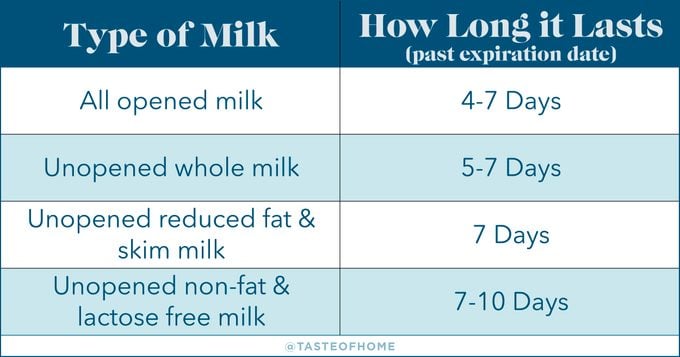
You can drink organic milk past the expiration date if it smells and tastes fine. Always check for spoilage signs like sour smell or curdling. Expired milk might still be safe, but its quality decreases over time. It’s best to consume it within a few days past the date.
What Makes Organic Milk Last Longer?
Organic milk lasts longer due to ultra-high temperature (UHT) processing. This involves heating milk to 280°F for a few seconds. UHT kills bacteria and extends shelf life. Additionally, organic milk often uses airtight packaging, preventing contamination and spoilage, contributing to its longevity.
Conclusion
Organic milk lasts longer due to its unique processing methods. It undergoes ultra-pasteurization, killing more bacteria. This extends shelf life significantly. Packaging also plays a role. Airtight cartons keep milk fresher longer. Organic farming practices ensure quality milk. Cows eat healthier, producing better milk.
No artificial hormones mean purer milk. This benefits shelf life too. Consumers enjoy fresher, safer milk. Choosing organic milk is a smart choice. It stays fresh for weeks, reducing waste. Enjoy the benefits of longer-lasting organic milk. Healthy and convenient for families everywhere.

Hi, I’m Daniel Brooks—a food lover and kitchen gear enthusiast. I enjoy testing cookware, utensils, and gadgets to see what really works in everyday cooking. At PlugChef.com, I share honest reviews, comparisons, and simple guides to help you choose the best tools for a safer, smarter, and more enjoyable kitchen.
Related posts:
 What Type of Cooking Utensils are Safe: Expert Picks
 What Innovations Could Blenders Make: Unleashing Future Tech
 Smart Strategies to Organize a Small Kitchen: Maximize Space
 How to Organize a Kitchen Cabinet: Expert Tips & Tricks
 How to Organize Kitchen Drawers: Expert Tips and Tricks
 How to Organize a Corner Kitchen Cupboard: Expert Tips