

Have you ever wondered why some cutting boards seem to keep your knives sharper and last longer? If you’re passionate about cooking or simply love spending time in the kitchen, choosing the right cutting board can make a huge difference.
Enter the end grain cutting board—a kitchen tool that not only enhances your culinary experience but also stands as a testament to craftsmanship and durability. But what makes these cutting boards so special? Why should you consider swapping your current board for an end grain option?
Dive into this article to uncover the secrets behind their superior performance, and discover how they can transform your kitchen routine into a more enjoyable and efficient process. Prepare to be amazed by what you’ve been missing!

Credit: www.nytimes.com
End Grain Structure
The structure of end grain cutting boards sets them apart. Unlike other types, end grain boards expose the wood’s natural fibers. This unique construction offers several benefits that enhance kitchen performance.
Unique Wood Orientation
End grain boards showcase the wood’s vertical fibers. This orientation provides a self-healing surface. As knives cut into the board, fibers close back up. The board maintains its smoothness over time. It reduces visible knife marks, preserving aesthetics.
Natural Resilience
The inherent resilience of end grain boards is impressive. The vertical fibers absorb impacts effectively. This makes the board highly durable under daily use. It’s less prone to cracking and splitting. The board stays strong even after constant chopping.
End grain structure offers longevity. It’s a practical choice for any kitchen. The board’s robustness makes it reliable. You can trust its performance with every use.
Durability And Longevity
When considering kitchen essentials, the durability and longevity of your tools can make all the difference. End grain cutting boards are a staple for many chefs and home cooks because they promise just that—lasting power and resilience. Their unique construction not only enhances performance but also ensures they stand the test of time. But what exactly makes them so enduring?
Resistance To Knife Marks
Every time you chop or slice, your knife leaves an impression. Traditional cutting boards often bear scars from these encounters. However, end grain boards are different. Their design allows the wood fibers to absorb the impact, making them highly resistant to knife marks. This means your board looks newer for longer, saving you the hassle of frequent replacements.
Imagine never having to worry about unsightly grooves that harbor bacteria. You get a cleaner, safer surface for your food prep. Isn’t that a kitchen win?
Self-healing Properties
End grain cutting boards have a fascinating trait: self-healing. As you cut, the wood fibers gently separate. Once the pressure of the knife is removed, these fibers spring back into place. This self-healing nature not only maintains the board’s appearance but also extends its lifespan.
Think of it like having a board that repairs itself after each use. It’s a smart investment that keeps giving back to you. Isn’t it intriguing how a simple design choice can offer such a profound benefit?
So, when you’re choosing a cutting board, consider how it will stand up to your daily culinary adventures. With an end grain board, you’re opting for a tool that’s not just tough but also clever in its longevity. Your kitchen deserves nothing less.
Knife Preservation
End grain cutting boards offer excellent benefits for knife preservation. These boards are designed with the wood fibers standing upright. This unique structure provides a softer surface for cutting. The result? Less wear on your knives.
Gentle On Blades
End grain boards are gentle on blades. The upright fibers allow the knife to slip between them. This reduces resistance during cutting. Less friction means less damage to your knife’s edge.
The soft nature of end grain wood helps preserve sharpness. Blades stay sharper longer. This means fewer trips to the sharpener. A real plus for busy kitchens.
Reduced Sharpening Frequency
Using an end grain board reduces sharpening frequency. The gentle surface minimizes dulling. This keeps your knives in top condition for longer periods.
Less frequent sharpening saves time and effort. It also extends the life of your blades. End grain boards are an investment in your kitchen tools.
Keep your knives sharp and efficient with less maintenance. Enjoy the benefits of a cutting board that respects your blades.

Credit: elliscustomcreations.com
Aesthetic Appeal
End grain cutting boards offer stunning visual appeal with their unique, checkerboard pattern. These boards resist knife marks better, keeping them looking fresh. Their durability ensures they last longer, maintaining their beauty for years.
When you walk into a kitchen, the beauty of an end grain cutting board can instantly capture your attention. Unlike ordinary cutting boards, end grain boards offer a unique visual appeal that enhances the aesthetic of your culinary space. They are not just functional tools; they are pieces of art that add character to your kitchen.Distinctive Patterns
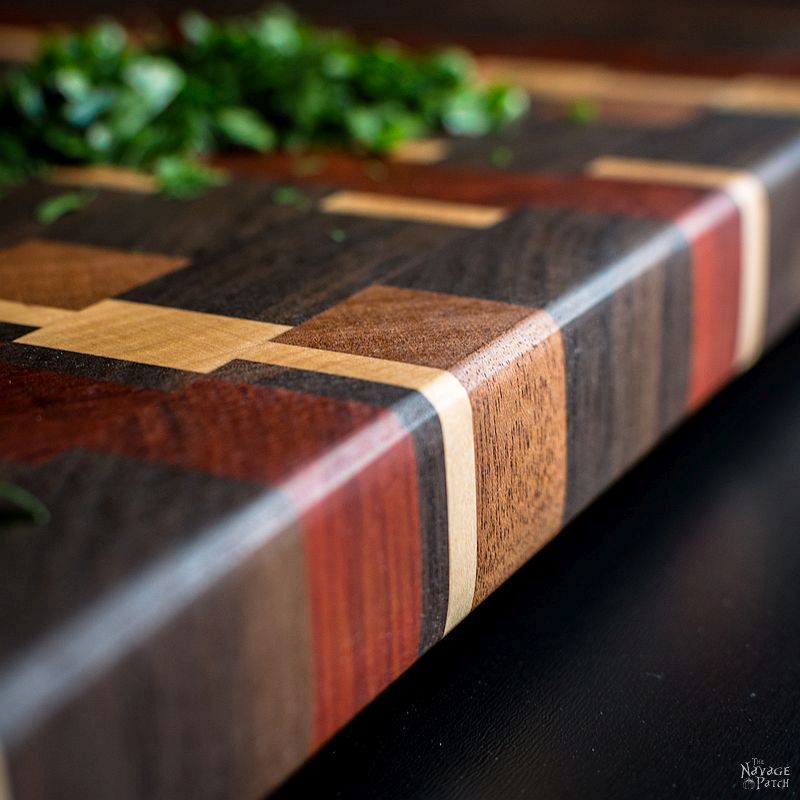
End grain cutting boards boast intricate patterns that are naturally formed by the wood fibers. These patterns resemble a checkerboard, showcasing the end of the wood grain. Each board is unique, with no two patterns being the same. This uniqueness makes your cutting board a conversation starter. Imagine hosting a dinner party and impressing your guests not only with your cooking but also with your stylish kitchen accessories. Have you ever considered how a simple kitchen tool can elevate your entire dining experience?Variety Of Wood Choices
End grain cutting boards come in a variety of wood types, each offering its own distinct color and texture. Whether you prefer the rich, dark tones of walnut or the lighter hues of maple, there’s a board that matches your taste. You can even find boards made from exotic woods like cherry or teak. This variety allows you to choose a board that complements the other elements in your kitchen. Think about matching your cutting board to your cabinetry or countertops. Wouldn’t it be satisfying to see how a well-chosen board ties your kitchen’s decor together?Maintenance And Care
End grain cutting boards are cherished for their durability and beauty. Proper maintenance and care are essential to preserve these qualities. With the right techniques, you can keep your cutting board in excellent condition.
Proper Cleaning Techniques
Cleaning your end grain cutting board is crucial. Start by rinsing it with warm water. Use a mild dish soap to remove food residues. Scrub gently with a soft brush. Avoid soaking the board in water. Dry it immediately with a clean towel.
For stubborn stains, sprinkle some baking soda. Scrub lightly with a damp cloth. Rinse thoroughly and dry. This prevents moisture buildup. Regular cleaning stops bacteria growth, keeping your board safe.
Regular Oiling Tips
Oiling your cutting board maintains its quality. Use food-grade mineral oil for this purpose. Begin by cleaning the board thoroughly. Apply a generous amount of oil. Spread it evenly with a cloth. Let the board absorb the oil overnight.
Repeat this process monthly. Oiling prevents the wood from cracking. It also keeps the board looking fresh. Regular oiling enhances its longevity. This simple step ensures your end grain cutting board remains in top shape.
Credit: www.thenavagepatch.com
Environmental Considerations
End grain cutting boards offer better durability, reducing the need for frequent replacements. This choice minimizes waste and supports sustainable living. Wood’s natural antibacterial properties also enhance kitchen hygiene.
When you choose an end grain cutting board, you’re not just picking a kitchen tool. You’re making a choice that impacts the environment. Let’s explore how these boards contribute positively to our planet.Sustainability Aspects
End grain cutting boards are crafted from smaller pieces of wood glued together. This process often uses wood that might otherwise be discarded. By doing so, manufacturers reduce waste and make full use of available resources. The durability of end grain boards is another sustainability factor. They last longer than many other types of cutting boards, reducing the need for frequent replacements. This longevity means fewer boards end up in landfills, easing the burden on waste management systems. Have you ever thought about the wood source? Many companies prioritize sourcing wood from sustainable forests. This ensures that the trees used are replaced and the forest ecosystem remains balanced. Next time you buy, check for certifications like FSC, which indicate sustainable practices.Eco-friendly Practices
Manufacturers often adopt eco-friendly practices in producing end grain cutting boards. Some use non-toxic, food-safe adhesives and finishes. These choices not only make the boards safer for your family but also reduce the release of harmful chemicals into the environment. Consider the energy used in production. Many companies are shifting to renewable energy sources. By supporting these businesses, you’re indirectly advocating for cleaner energy solutions. Think about packaging too. Some brands now use recyclable or biodegradable packaging materials. This small change significantly reduces the environmental footprint. Next time you shop, look for brands that emphasize eco-friendly packaging. Choosing an end grain cutting board is more than a kitchen decision—it’s an environmental one. How will your choices impact the planet today?Choosing The Right Board
End grain cutting boards offer durability and a smooth surface for chopping. They show fewer knife marks and help keep blades sharp. These boards absorb impact, making them ideal for frequent use in any kitchen.
Choosing the right end grain cutting board can elevate your kitchen experience. Not all boards are created equal. Different factors affect their performance and durability. Let’s explore key aspects to consider. Each plays a crucial role in finding the best board for your needs.Size And Thickness
The size of your cutting board matters. Choose a size that fits your counter space. Consider what you will cut most often. Larger boards are perfect for big tasks. A smaller board works well for quick jobs. Thickness also affects stability. Thicker boards tend to last longer. They resist warping better than thin ones. Choose a thickness that feels stable and solid.Budget And Quality
Quality often correlates with price. High-quality boards can be more expensive. But they last longer and look better. Cheaper boards may wear out quickly. Consider your budget and cooking habits. Investing in quality can save money over time. Look for boards made from durable woods. Maple and walnut are popular choices. They offer a good balance of cost and longevity.Frequently Asked Questions
What Is The Healthiest Type Of Cutting Board To Use?
Bamboo cutting boards are the healthiest choice. They are antimicrobial, eco-friendly, and resistant to knife scars. Bamboo’s hardness prevents bacteria absorption, making it a sanitary option for kitchens. Choose a board with a smooth surface to ensure easy cleaning and long-lasting durability.
Are End Grain Boards More Hygienic?
End grain boards can be more hygienic due to their self-healing properties. Knife cuts close, reducing bacteria buildup. Regular cleaning and maintenance enhance hygiene. These boards are preferred by chefs for their durability and safety. Ensure proper sanitation practices to maintain optimal hygiene.
What Is The Best Grain For Cutting Boards?
The best grain for cutting boards is end grain. It offers durability and gentle surface for knives. End grain boards are highly resistant to cuts and warping, ensuring longevity. They also provide a self-healing surface, which maintains a smooth cutting area over time, making them an excellent choice for culinary enthusiasts.
What Is Better, End Grain Or Edge Grain?
End grain boards are more durable and gentle on knives. Edge grain boards are more affordable and easier to maintain. Choose end grain for longevity and knife preservation. Opt for edge grain for budget-friendly, easy care solutions. Consider your needs and budget when deciding.
Conclusion
End grain cutting boards offer unique benefits. They are durable and gentle on knives. The fibers absorb impact, preserving blades longer. Their patterns add aesthetic value to kitchens. These boards resist scratches and scars, making them long-lasting. They also provide safe surfaces for food preparation.
Regular maintenance keeps them in top shape. Consider adding an end grain board to your kitchen tools. Enjoy its beauty and functionality. It’s a wise choice for anyone who loves cooking. Choosing quality tools enhances your culinary experience every day.

I’m Abby Lu, a passionate home cook who loves simplifying everyday meals. At PlugChef.com, I share product reviews and cooking guides to help you find the best tools for your kitchen.
Related posts:
 What Type of Cooking Utensils are Safe: Expert Picks
 What Innovations Could Blenders Make: Unleashing Future Tech
 Smart Strategies to Organize a Small Kitchen: Maximize Space
 How to Organize a Kitchen Cabinet: Expert Tips & Tricks
 How to Organize Kitchen Drawers: Expert Tips and Tricks
 How to Organize a Corner Kitchen Cupboard: Expert Tips

