

When it comes to cooking, the tools you use can make a huge difference in your culinary experience. You’re likely familiar with the basics, such as pots, pans, and knives, but have you ever considered the wood of your cooking utensils?
Believe it or not, the type of wood you choose can impact not only the longevity of your utensils but also your cooking process. Imagine stirring your favorite soup with a spoon that feels just right in your hand or flipping a pancake without worrying about damaging your pan.
Choosing the right wood can enhance these everyday kitchen tasks. So, which wood is best for cooking utensils? Stay with us as we unravel the secrets of different woods and help you make the best choice for your kitchen needs. Your cooking experience is about to get a whole lot better!
Types Of Wood For Cooking Utensils
Choosing the right wood for cooking utensils is crucial. It affects durability, aesthetics, and safety. Different types of wood offer distinct benefits. Understanding these can help you pick the best option for your kitchen needs.
Hardwoods Vs. Softwoods
Hardwoods come from trees with broad leaves. These woods are dense and durable. Maple, walnut, and cherry are popular hardwoods for utensils. They resist scratching and warping. Hardwoods are often more expensive but last longer.
Softwoods come from needle-bearing trees. Pine and cedar are common examples. They are generally lighter and less dense. Softwoods are more prone to damage. They are not ideal for daily kitchen use. But, they are often more affordable.
Popular Wood Choices
Bamboo is a top choice. It’s technically a grass, but very sturdy. Bamboo is eco-friendly and resists moisture. It is lightweight and affordable.
Olive wood is another popular option. It has a unique grain and is naturally antibacterial. Olive wood is dense and durable. It’s perfect for elegant kitchen tools.
Beechwood is often used for its smooth texture. It is durable and has a neutral color. Beechwood is ideal for utensils that require precise shaping.
Teak is highly resistant to water. It contains natural oils that prevent cracking. Teak is excellent for utensils often exposed to moisture. It has a rich, warm color.
Acacia wood is known for its durability. It has a beautiful grain and is resistant to water. Acacia is a budget-friendly option with premium qualities.
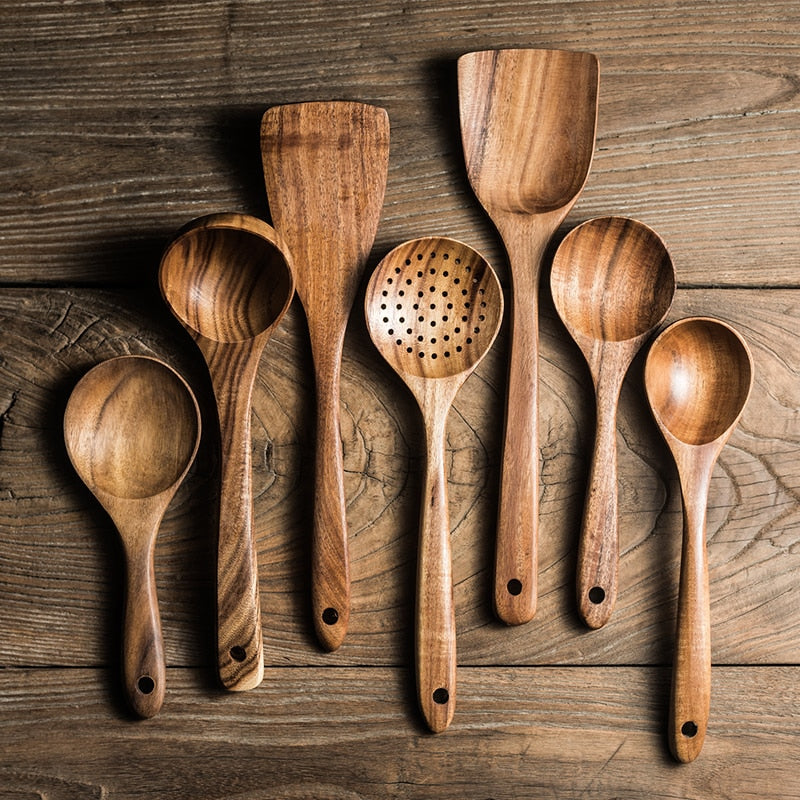
Credit: www.tillyliving.com
Benefits Of Using Wooden Utensils
Wooden utensils are a charming choice in any kitchen. They bring a natural touch to cooking tasks. Choosing wooden tools means selecting durability, non-reactive properties, and heat resistance. These benefits make wooden utensils a reliable option for many cooks.
Durability And Longevity
Wooden utensils can last for years. They resist scratches and dents. Their sturdy nature makes them a great investment. With proper care, they can serve a kitchen for decades. This longevity saves money and reduces waste.
Non-reactive Properties
Wood does not react with food. It keeps flavors pure and fresh. You avoid the metallic taste often found with metal utensils. Wooden tools are also safe with acidic foods. They do not alter the taste or color of dishes.
Heat Resistance
Wooden utensils handle heat well. They do not conduct heat like metal. This keeps handles cool and safe to touch. You can stir hot pots without worry. Wooden tools are less likely to melt or warp under high temperatures.
Top Wood Choices For Utensils
Choosing the right wood for cooking utensils can make a big difference in your kitchen. Different woods offer unique benefits, from durability to aesthetics. Have you ever wondered why some wooden spoons outlast others? Let’s dive into some top wood choices for utensils that can enhance your cooking experience.
Maple
Maple is a popular choice due to its hard nature, which makes it incredibly durable. It resists scratches and dents, helping your utensils maintain their shape over time. Maple’s light color can add a touch of elegance to your kitchen. Consider how its neutral tones might complement your existing kitchen decor.
Beech
Beech wood is another favorite among chefs and home cooks alike. Its smooth texture is gentle on your cookware, preventing scratches. Beech is known for its fine grain, which makes it easy to carve into delicate shapes. Have you ever admired the detailed carvings on a wooden spatula? That’s likely beech at work.
Cherry
Cherry wood brings a warm, rich hue to your utensils, making them visually striking. It is also sturdy, ensuring longevity. Cherry wood develops a beautiful patina as it ages, giving your utensils a timeless look. Imagine how a cherry wood spoon could become a cherished heirloom in your family.
Olive Wood
Olive wood is prized for its unique grain patterns and stunning colors. Each piece is distinct, offering a personalized touch to your utensil collection. Olive wood is dense, providing durability and resistance to odors. Its natural oils help keep it smooth, reducing the need for frequent maintenance. How might olive wood’s beauty inspire your culinary creations?
Bamboo
Bamboo is an eco-friendly choice that is gaining popularity. It grows quickly and regenerates easily, making it a sustainable option. Bamboo is lightweight yet strong, perfect for everyday use. It resists moisture, reducing the risk of bacterial growth. Could bamboo be your go-to choice for a greener kitchen?
Each type of wood offers something special for your cooking needs. Consider what qualities matter most to you. Whether it’s durability, sustainability, or aesthetic appeal, there’s a wood choice that aligns with your culinary goals.
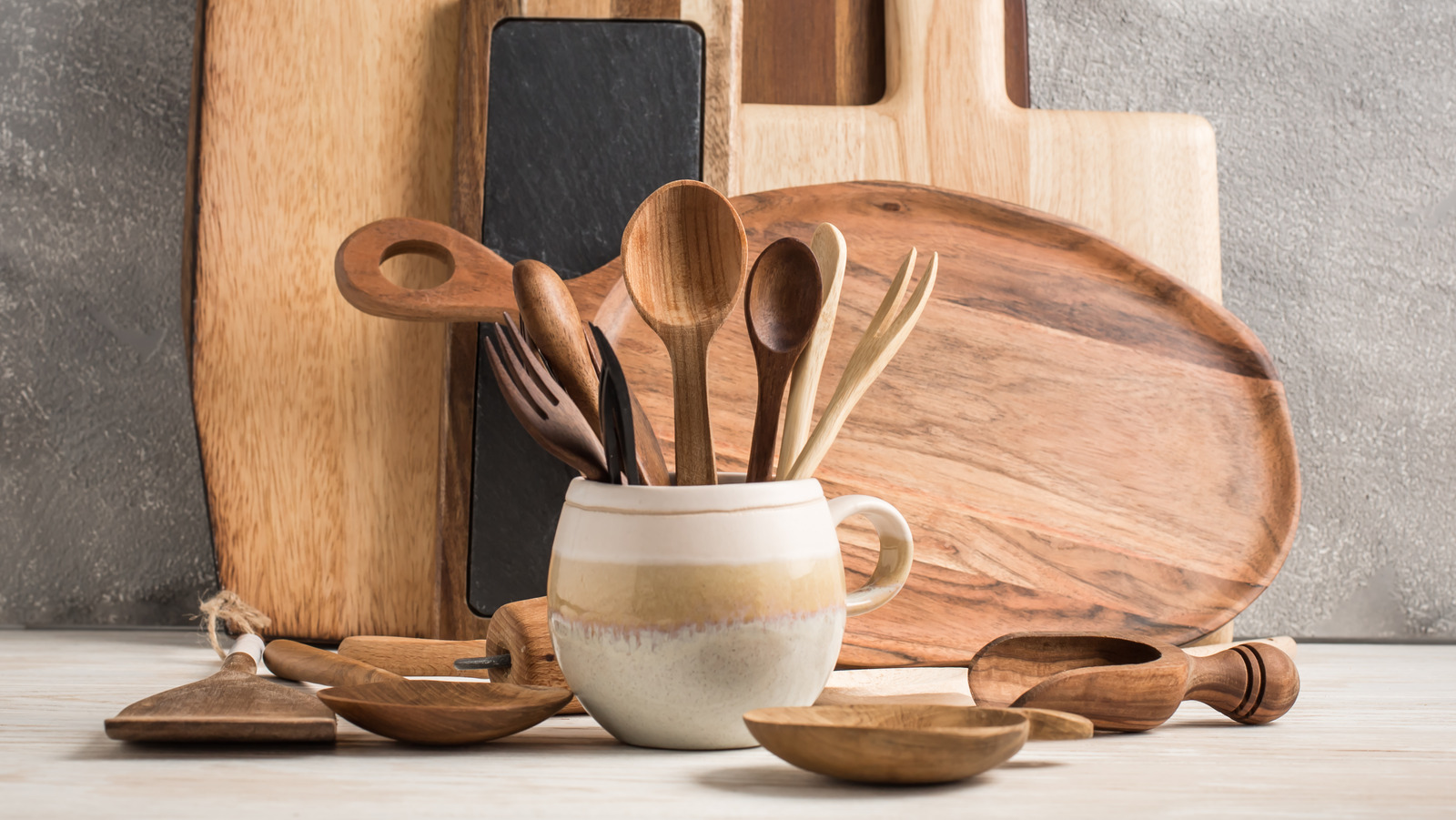
Credit: www.tastingtable.com
Factors To Consider When Choosing Wood
Selecting the right wood for cooking utensils involves considering durability, non-toxic properties, and grain smoothness. Hardwoods like maple and cherry offer excellent durability and are safe for food contact. Smooth grain prevents splintering, ensuring safe and comfortable use in the kitchen.
When choosing wood for your cooking utensils, several factors come into play. These include the wood’s grain and texture, how easy it is to maintain, and its sustainability. Each element can affect not only the longevity of your utensils but also how they interact with the food you prepare. Let’s delve into these aspects to help you make an informed choice.Grain And Texture
The grain and texture of wood can significantly impact your cooking experience. Utensils with a fine, tight grain are often smoother and less likely to splinter. Maple and birch are great examples, offering a silky finish that’s gentle on non-stick surfaces. However, open-grain woods like oak might not be the best choice for kitchen tools. They tend to absorb more moisture, which can lead to quicker wear and tear. You want a wood that feels good in your hand and doesn’t snag on your favorite pan.Maintenance And Care
Consider how much effort you’re willing to put into maintaining your cooking utensils. Woods like teak and acacia are naturally water-resistant, making them easier to clean and less prone to warping. A quick hand wash and occasional oiling can keep them in top shape. If you prefer low-maintenance options, steer clear of woods that require frequent treatment to avoid cracking or drying out. Think about your weekly routine and whether you have the time to give your utensils the care they need.Sustainability
In today’s world, sustainability is more important than ever. Choosing utensils made from sustainably sourced wood helps protect our planet. Bamboo, for instance, is a fast-growing, renewable resource that’s also durable and lightweight. You might want to check if the wood is certified by organizations like the Forest Stewardship Council (FSC). This certification ensures the wood comes from responsibly managed forests. Are you making choices that reflect your values and contribute to a healthier environment? By considering these factors, you can select the best wood for your cooking utensils, enhancing both your culinary adventures and your kitchen’s eco-footprint.Care Tips For Wooden Utensils
Wooden utensils are a staple in many kitchens. They are durable, gentle on cookware, and have a natural charm. Proper care ensures they last long and remain effective. Here, you’ll find tips to keep your wooden utensils in top shape.
Cleaning Methods
Wash wooden utensils by hand. Use warm water and mild soap. Avoid soaking them for too long. Dry them immediately with a towel. This prevents water from seeping into the wood.
Avoiding Damage
Keep wooden utensils away from extreme heat. Don’t use them with boiling liquids. Avoid putting them in dishwashers. The heat and water pressure can damage the wood. Store them in a dry place to prevent warping.
Periodic Conditioning
Condition wooden utensils every few months. Use food-safe oil like mineral oil. Rub the oil onto the wood with a soft cloth. Let the oil soak in overnight. Wipe off any excess oil the next day. This keeps the wood moisturized and prevents cracks.
Comparing Wood To Other Materials
Choosing the right material for cooking utensils matters. Each material has its own benefits. Wood is a popular choice. But how does it compare to others? Let’s explore the differences. This can help you make an informed decision.
Wood Vs. Metal Utensils
Metal utensils are durable. They withstand high heat. But they can scratch non-stick pans. Wood is gentle on cookware. It won’t damage delicate surfaces. Metal can also get hot quickly. This can lead to burns. Wooden handles stay cool. They offer a safer cooking experience.
Wood Vs. Plastic Utensils
Plastic utensils are lightweight. They come in many colors. But they can melt at high temperatures. This might release harmful chemicals. Wood is heat resistant. It won’t melt or deform. Plastic can also absorb food odors. Wood remains odor-free with proper care.
Wood Vs. Silicone Utensils
Silicone utensils are flexible. They can withstand high heat. But they are not as sturdy. Wood offers a robust feel. It provides better control during cooking. Silicone can sometimes leave a rubbery taste. Wood maintains the natural taste of food. It offers a more authentic cooking experience.
Expert Recommendations
Maple and beech wood are ideal for cooking utensils due to their durability and smooth finish. These hardwoods resist scratching and last longer. Olive wood, with its unique grain, adds elegance and is also a good choice for kitchen tools.
When choosing wood for cooking utensils, expert recommendations can guide you towards the best options. Professionals in the culinary field emphasize durability, safety, and aesthetics. They suggest considering the type of food you’ll be preparing and the cooking techniques you prefer. Let’s explore expert insights on selecting the best wood for your kitchen tools.Choosing The Right Wood For Specific Uses
Different woods serve different purposes in the kitchen. Maple is a fantastic choice for spoons and spatulas due to its hardness and fine grain. It resists absorbing odors and flavors, keeping your dishes pure. Olive wood, on the other hand, is perfect for salad servers. Its natural oils provide a smooth finish and prevent the wood from drying out. Additionally, olive wood’s beautiful grain adds a touch of elegance to your dining experience. For cutting boards, consider walnut. Its rich color and durability make it a favorite among chefs. Walnut is gentle on knives, extending their lifespan while providing a sturdy surface for cutting.Balancing Aesthetics And Functionality
When choosing wood, you might wonder how it will look in your kitchen. Consider the overall style and color scheme you have. Cherry wood offers a warm hue that develops a rich patina over time, adding character to your utensils. Functionality is equally important. Bamboo is lightweight and eco-friendly, making it a popular choice for everyday kitchen tools. It resists moisture, which helps prevent cracking and warping. Think about how the wood feels in your hand. Ash wood, known for its excellent grip, is ideal for handles on ladles and stirring sticks. It ensures comfort and control, especially during long cooking sessions. Have you ever found yourself using a wooden spoon that just didn’t feel right? Reflect on those experiences to make informed decisions. Combining aesthetics with practicality ensures your utensils are both beautiful and effective. Next time you shop for kitchen tools, ask yourself: which wood will enhance my cooking and suit my style?:max_bytes(150000):strip_icc()/HeaderWoodenSpoons-9f7b62b656824f77a76a06dd0efd37b9.jpg)
Credit: www.seriouseats.com
Frequently Asked Questions
Is Teak Or Bamboo Better For Cooking Utensils?
Teak is durable and water-resistant, ideal for long-lasting utensils. Bamboo is eco-friendly and lightweight, perfect for quick cooking tasks. Choose teak for durability, bamboo for sustainability. Both are excellent choices based on personal preference and specific cooking needs.
What Is The Healthiest Material For Cooking Utensils?
Stainless steel, cast iron, and silicone are the healthiest cooking materials. They are durable, non-toxic, and safe. Stainless steel resists rust and corrosion, while cast iron adds iron to food. Silicone is heat-resistant and ideal for non-stick cooking. Choose these materials for safe and healthy cooking.
Do Professional Chefs Use Wooden Utensils?
Yes, professional chefs often use wooden utensils. They are gentle on cookware, durable, and eco-friendly. Wooden utensils prevent scratching on non-stick surfaces and do not conduct heat. They are favored for their versatility and natural feel in the kitchen. Chefs appreciate their reliability and ease of use.
Which Is Better Bamboo Or Acacia Wood Cooking Utensils?
Bamboo utensils are lightweight, eco-friendly, and less prone to bacteria. Acacia wood is durable, rich in color, and resistant to water damage. Choose bamboo for sustainability or acacia for longevity and aesthetics. Both are excellent options for cooking utensils, depending on your priorities.
Conclusion
Choosing the right wood for cooking utensils is important. Each type offers unique benefits. Maple, cherry, and walnut are popular choices. They are durable and safe for food contact. Bamboo is also a good option. It’s eco-friendly and lightweight. Consider your cooking needs.
Think about durability and maintenance. Wood utensils add charm to your kitchen. They feel natural and warm. Perfect for stirring, mixing, and serving. Make an informed choice for your kitchen. Enjoy the beauty and function of wooden utensils. They enhance your cooking experience.
Simple yet effective tools in your culinary journey.

Hi, I’m Daniel Brooks—a food lover and kitchen gear enthusiast. I enjoy testing cookware, utensils, and gadgets to see what really works in everyday cooking. At PlugChef.com, I share honest reviews, comparisons, and simple guides to help you choose the best tools for a safer, smarter, and more enjoyable kitchen.
Related posts:
 What Type of Cooking Utensils are Safe: Expert Picks
 What Innovations Could Blenders Make: Unleashing Future Tech
 Smart Strategies to Organize a Small Kitchen: Maximize Space
 How to Organize a Kitchen Cabinet: Expert Tips & Tricks
 How to Organize Kitchen Drawers: Expert Tips and Tricks
 How to Organize a Corner Kitchen Cupboard: Expert Tips

