

Imagine cooking a delicious meal, only to wonder if the utensils you’re using are safe. You might have heard that some materials can leach harmful substances into food, altering its taste and risking your health.
Choosing the right utensils is as crucial as the ingredients you use. But how do you know which ones are safe? This article will guide you through the maze of cookware options, helping you make informed choices for your kitchen.
Discover how the right utensils can enhance your cooking experience, ensuring your meals are both tasty and healthy. Keep reading to uncover the secrets of safe cooking utensils that could revolutionize your culinary adventures.

Credit: www.amazon.com
Stainless Steel Cookware
Stainless steel cookware offers a safe option for cooking, resisting rust and maintaining flavor. Its durable surface prevents harmful reactions with food, ensuring health and taste are preserved. This versatile choice suits various cooking styles, making it a reliable addition to any kitchen.
When considering safe cookware, stainless steel is often a top contender. You might have noticed its shiny, sleek appearance in many kitchens. But its appeal goes beyond just aesthetics. It’s a popular choice for many home cooks and chefs alike, offering a range of benefits that make it a reliable option for preparing meals.Benefits Of Stainless Steel
Stainless steel cookware is known for its durability. You don’t have to worry about scratches or dents with regular use. It withstands high heat, making it ideal for searing or browning meats. This type of cookware is non-reactive, meaning it doesn’t interact with acidic or alkaline foods. You can cook a tomato sauce without altering its taste or color. Plus, it’s easy to clean, often requiring just a quick wash with soap and water. Stainless steel is also versatile. You can use it on various cooktops, whether it’s gas, electric, or induction. This flexibility means you can stick with your favorite cookware even if you change stoves.Considerations For Use
While stainless steel offers many advantages, there are a few things to keep in mind. It doesn’t conduct heat as well as some other materials, such as copper. You might notice uneven cooking if you’re not careful. Using a pan with a copper or aluminum core can help distribute heat more evenly. Stainless steel is not naturally non-stick. You may need to use more oil or butter to prevent sticking, especially with delicate foods like eggs or fish. If you’re watching your fat intake, this is an important factor. Have you ever struggled with food sticking to your pan? A simple tip is to preheat your pan before adding oil. Test the heat by flicking a drop of water into the pan. If it sizzles and evaporates, it’s ready to use. Lastly, stainless steel can be heavy. If you often move your cookware around or have limited storage space, consider this when choosing your pots and pans. Stainless steel cookware might just be the reliable kitchen companion you need. What’s your experience with it? Does it meet your cooking needs?Cast Iron Options
Cast iron cookware has been a staple in kitchens for generations. It’s loved not just for its durability but also for the unique benefits it brings to your cooking. If you’ve never cooked with cast iron, you’re missing out on a tool that can last a lifetime. Let’s dive into why you might consider this timeless option for your culinary adventures.
Health Benefits
Cooking with cast iron can be a healthier choice. It naturally boosts iron content in your meals, which is crucial for your body’s health. Are you often tired or feeling weak? Adding a bit more iron might be the answer. Unlike non-stick pans, cast iron doesn’t release harmful chemicals. It’s a safe option you can trust in your kitchen.
Maintenance Tips
Keeping your cast iron in top shape is easier than you might think. After cooking, clean it with warm water and a stiff brush. Avoid soap, as it can strip the seasoning. Dry thoroughly, then rub a little oil over the surface. This keeps it seasoned and ready for your next meal. Have you ever felt frustrated with rusty cookware? With proper care, your cast iron will remain rust-free and reliable.
Choosing the right cookware is more than just a matter of preference. It’s about making informed decisions that impact your health and the quality of your meals. Have you considered how your utensils affect your cooking experience? Cast iron might just be the perfect match for your kitchen needs.
Non-stick Alternatives
Are you tired of worrying about the safety of your non-stick cookware? You’re not alone. Many people are looking for alternatives that are safer for their health and the environment. Let’s dive into the world of non-stick alternatives and discover how you can make cooking both safe and enjoyable.
Safety Concerns
Have you ever wondered what’s really in your non-stick pans? Many traditional non-stick coatings contain chemicals like PFOA and PFAS, which can release harmful fumes when overheated. These chemicals have been linked to health issues, raising concerns about their safety in everyday cooking.
Imagine cooking a delicious omelet without worrying about invisible toxins. By choosing non-stick alternatives, you can minimize these risks and enjoy peace of mind. Options like ceramic and stainless steel offer a safer cooking experience without compromising on quality.
Choosing The Right Non-stick
So, what should you look for when picking a non-stick alternative? Consider materials like ceramic, cast iron, and stainless steel. Ceramic pans are praised for their non-toxic coating that won’t leach chemicals into your food. Plus, they’re easy to clean and maintain.
Stainless steel is another excellent choice. Although it requires a bit more oil, it’s durable and can withstand high temperatures without releasing harmful fumes. Cast iron, with its natural non-stick properties, can be a fantastic option too, offering even heat distribution.
Which of these alternatives aligns with your cooking habits? Think about how often you cook and what kind of meals you enjoy. This will guide you in selecting the right non-stick alternative for your kitchen. Investing in safer cookware might just be the key to healthier meals and a happier cooking experience.
Ceramic Cookware Choices
Choosing the right utensil for ceramic cookware is essential for safety. Opt for wooden or silicone tools. These materials prevent scratches on the ceramic surface, ensuring a longer lifespan and safe cooking.
Choosing the right cookware can make a significant difference in your cooking experience. Ceramic cookware has gained popularity for its aesthetic appeal and safety features. But is it the right choice for you? Let’s delve into the world of ceramic cookware to see if it deserves a spot in your kitchen.Advantages Of Ceramic
Ceramic cookware is celebrated for its non-stick surface. You can cook with less oil, making your meals healthier. Plus, cleaning up becomes a breeze. Safety is another big plus. Ceramic is free from harmful chemicals like PFOA and PTFE, which can be found in some non-stick coatings. This means you can cook with peace of mind, knowing you’re keeping harmful substances out of your food. Ceramic cookware is also known for its heat retention. It evenly distributes heat, ensuring your food cooks uniformly. This can be particularly useful when you’re making dishes that require consistent temperatures.Potential Drawbacks
While ceramic cookware has its perks, there are some downsides to consider. Durability is a concern. Ceramic coatings can chip or crack over time, especially if you use metal utensils or stack your pots and pans carelessly. Another thing to watch out for is the heat limit. High temperatures can damage the ceramic coating, so it’s not suitable for all cooking methods. You might need to adjust your cooking habits if you prefer high-heat techniques like searing. Cost can also be a factor. Quality ceramic cookware can be pricey. Before investing, consider your cooking needs and budget to ensure it’s a worthwhile choice for you. Have you ever tried cooking with ceramic cookware? Reflect on your experience and decide if its benefits align with your culinary goals.Copper Cookware
Copper cookware offers excellent heat conductivity and precise cooking control. While it’s safe for most cooking, lining with stainless steel or tin prevents copper from reacting with acidic foods. This ensures safe and flavorful meals without altering taste.
Copper cookware has long been a favorite in kitchens. Its unique properties make it a desirable choice for many cooking enthusiasts. Copper pots and pans offer precision, beauty, and a touch of elegance to any culinary experience.Pros Of Copper
Copper provides excellent heat conductivity. It distributes heat evenly across the surface. This helps in cooking food uniformly without any hot spots. Its responsiveness allows quick temperature adjustments. Chefs can control the cooking process with ease. Copper cookware often comes with a lining. It enhances durability and prevents food from sticking. The aesthetic appeal of copper is undeniable. It adds a sophisticated charm to kitchen spaces.Cautionary Points
Copper can react with acidic foods. This may alter the taste of dishes. Always ensure your copper cookware is lined. Unlined copper is not safe for cooking. Copper surfaces require regular polishing. Without maintenance, they lose their shine and effectiveness. Copper cookware is usually heavier. Handling may be challenging for some users. High costs are often associated with copper cookware. It is an investment, not a budget-friendly option.
Credit: www.reddit.com
Glass And Pyrex Options
Glass and Pyrex utensils are safe for cooking. They withstand high temperatures, ensuring food cooks evenly. Choose Pyrex for its durability and resistance to thermal shock.
Cooking can be a joyful experience, especially when you know your utensils are safe and reliable. Glass and Pyrex options are popular choices in many kitchens for their durability and versatility. They are non-reactive, meaning they won’t interact with your food, keeping flavors pure. Whether you’re baking, microwaving, or serving, glass and Pyrex have you covered. But when should you reach for these trusty companions, and how can you use them safely?When To Use Glass
Glass and Pyrex are ideal for baking. They distribute heat evenly, ensuring your dishes cook consistently. Imagine pulling a perfectly golden lasagna out of the oven, every layer cooked just right. They are also great for microwave cooking. Next time you need to reheat leftovers, reach for a glass container. It won’t warp or release chemicals into your food, unlike some plastics. For cold dishes, glass excels in presentation. A vibrant salad or a layered dessert looks stunning in a clear glass bowl. Wouldn’t you agree that seeing your food adds to the anticipation of tasting it?Safety Tips
Always avoid sudden temperature changes with glass. Placing a cold dish straight into a hot oven can cause it to shatter. Let it sit at room temperature for a while. Use oven mitts or potholders. Glass retains heat well, and those casserole dishes can be deceivingly hot long after they’re out of the oven. Check for any chips or cracks before using glassware. Damage can compromise the integrity of the dish, leading to breakage at inopportune times. By following these tips, you can enjoy the benefits of glass and Pyrex with peace of mind. Have you ever had a glass dish break unexpectedly? It can be a stark reminder to handle these kitchen companions with care.Silicone Bakeware
Silicone bakeware offers a safe option for cooking. It resists heat and doesn’t react with food. Plus, its non-stick surface makes cleaning easy.
Silicone bakeware is making waves in the culinary world. Its flexibility and durability have made it a go-to choice for many home cooks and professional chefs alike. But is it the right choice for your kitchen?Why Choose Silicone
Silicone bakeware is incredibly versatile. It’s safe to use in the oven, microwave, and even the freezer. Imagine baking a cake and then popping it directly into the freezer for quick cooling. It’s also non-stick, which means you can often skip the hassle of greasing your pans. Your muffins and cakes will slide out effortlessly, saving you time and frustration. Silicone is lightweight yet sturdy. Unlike heavy metal pans, you won’t need to flex your muscles to lift a silicone mold filled with batter.Proper Usage Guidelines
While silicone is user-friendly, there are a few things to keep in mind. Always check the temperature limits specified by the manufacturer. Most silicone bakeware can withstand temperatures up to 500°F, but it’s best to be sure. Place your silicone bakeware on a sturdy baking sheet before filling it. This provides stability and makes it easier to move in and out of the oven. Wash your silicone bakeware thoroughly. Although it’s dishwasher safe, hand washing with warm soapy water ensures that all food residue is removed, prolonging its life. Have you tried silicone bakeware in your kitchen yet? If not, consider starting with a simple muffin pan or baking mat. They could become your favorite kitchen companions, turning cooking into a more enjoyable and less stressful activity.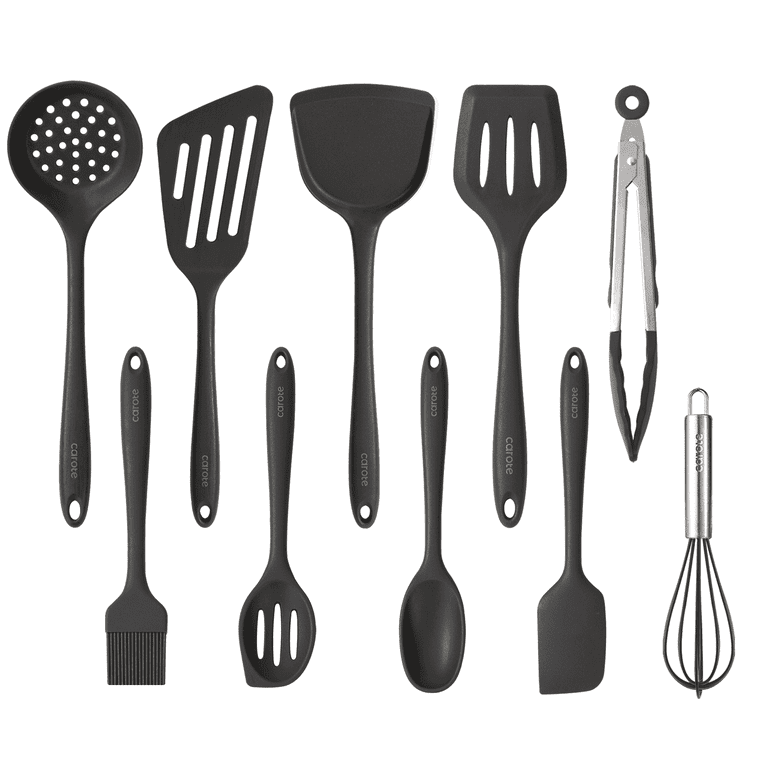
Credit: www.walmart.com
Frequently Asked Questions
What Are The Safest Utensils To Cook With?
Stainless steel, cast iron, and ceramic utensils are safe for cooking. They don’t leach harmful chemicals. Choose utensils with non-toxic coatings. Avoid Teflon at high temperatures. Ensure proper maintenance for longevity and safety.
Which Utensils Are Not Safe For Cooking?
Non-stick pans with scratched surfaces, aluminum pots without coating, and utensils made from plastic or copper can be unsafe. Cast iron and stainless steel are safer choices. Avoid using chipped or damaged cookware to prevent harmful chemical leaching or food contamination.
Always prioritize food safety by using appropriate cooking utensils.
Which Metal Utensils Are Safe For Cooking?
Stainless steel, cast iron, and copper are safe metals for cooking. They offer durability and even heat distribution. Ensure copper is lined with stainless steel or tin for safety. Avoid using aluminum and non-stick coated pans at high temperatures, as they can release harmful substances.
Choose quality, well-maintained utensils for the best results.
What Is The Safest Material To Use For Cooking?
Stainless steel is considered the safest material for cooking. It resists rust and doesn’t react with food. Cast iron is also safe, providing durability and even heating. Ceramic and glass are non-toxic options, ideal for baking. Use these materials to ensure health-friendly and efficient cooking.
Conclusion
Choosing safe utensils is crucial for healthy cooking. Stick to stainless steel. It’s sturdy and non-reactive. Cast iron is another great choice. It adds iron to food. But, avoid aluminum for acidic dishes. Ceramic-coated options work well too. They prevent sticking and are easy to clean.
Glass is perfect for baking. It doesn’t leach chemicals. Always check for scratches and damage. Replace worn-out pieces. Safety matters more than style. Be mindful while shopping for kitchen tools. Prioritize your health. Keep these tips handy for smart choices.
Cooking safe boosts well-being. Enjoy your meals with confidence.

Hi, I’m Daniel Brooks—a food lover and kitchen gear enthusiast. I enjoy testing cookware, utensils, and gadgets to see what really works in everyday cooking. At PlugChef.com, I share honest reviews, comparisons, and simple guides to help you choose the best tools for a safer, smarter, and more enjoyable kitchen.
Related posts:
 What Type of Cooking Utensils are Safe: Expert Picks
 What Innovations Could Blenders Make: Unleashing Future Tech
 Smart Strategies to Organize a Small Kitchen: Maximize Space
 How to Organize a Kitchen Cabinet: Expert Tips & Tricks
 How to Organize Kitchen Drawers: Expert Tips and Tricks
 How to Organize a Corner Kitchen Cupboard: Expert Tips

