

You open the fridge, and what do you see? Rows of plastic containers filled with leftovers, meal preps, and snacks.
But wait, are those containers actually safe for storing your food? You might not realize it, but the type of plastic you use can affect your health and the freshness of your meals. Choosing the right plastic containers for food storage isn’t just about convenience; it’s about ensuring your family’s safety and enjoying your meals without worry.
In this guide, we’ll uncover which plastic containers are safe for your food storage needs. Stick around to learn how you can make smarter choices and protect what matters most.

Credit: www.amazon.com
Types Of Food-safe Plastics
When you’re choosing plastic containers for food storage, it’s crucial to know which types are safe. Not all plastics are created equal; some can leach harmful chemicals into your food. Understanding the types of food-safe plastics can help you make better choices for your kitchen. Let’s dive into the specifics of each type and discover what makes them safe for storing your delicious meals.
Polyethylene Terephthalate (pet)
Polyethylene Terephthalate, or PET, is commonly used in beverage bottles and food jars. Have you ever noticed the freshness of your favorite soda or juice? That’s PET working its magic. It’s lightweight and resistant to impact, making it ideal for preserving flavors and protecting the contents. Next time you store leftover soup or salad dressing, consider using PET containers. They’re designed to keep your food safe and flavorful.
High-density Polyethylene (hdpe)
Think of HDPE as the durable friend in your plastic container collection. It’s often found in milk jugs, detergent bottles, and cutting boards. You might have used HDPE containers without realizing it. They’re robust and withstand temperature variations, making them great for both refrigeration and pantry storage. Next time you store grains or cereal, reach for HDPE containers. They offer reliability and peace of mind.
Polypropylene (pp)
Polypropylene is the versatile member of the plastic family. It’s frequently used in yogurt containers, straws, and bottle caps. Do you enjoy taking your lunch to work? PP containers are perfect for microwave reheating and dishwasher cleaning. They don’t warp under heat, ensuring your meals are ready when you are. Consider PP for your next meal prep session. You’ll appreciate their flexibility and ease of use.
When selecting containers, do you think about the type of plastic you’re using? Knowing these types can enhance your kitchen experience and keep your meals safe and tasty. Wouldn’t it be reassuring to know your food is stored in the safest possible way?
Identifying Safe Containers
Storing food safely is crucial for health. Choosing the right plastic container ensures food stays fresh and free from harmful chemicals. Some plastics can leach toxins into food, especially when heated. Knowing which containers are safe helps maintain the quality of your meals. This guide will help identify safe plastic containers for food storage.
Plastic Identification Codes
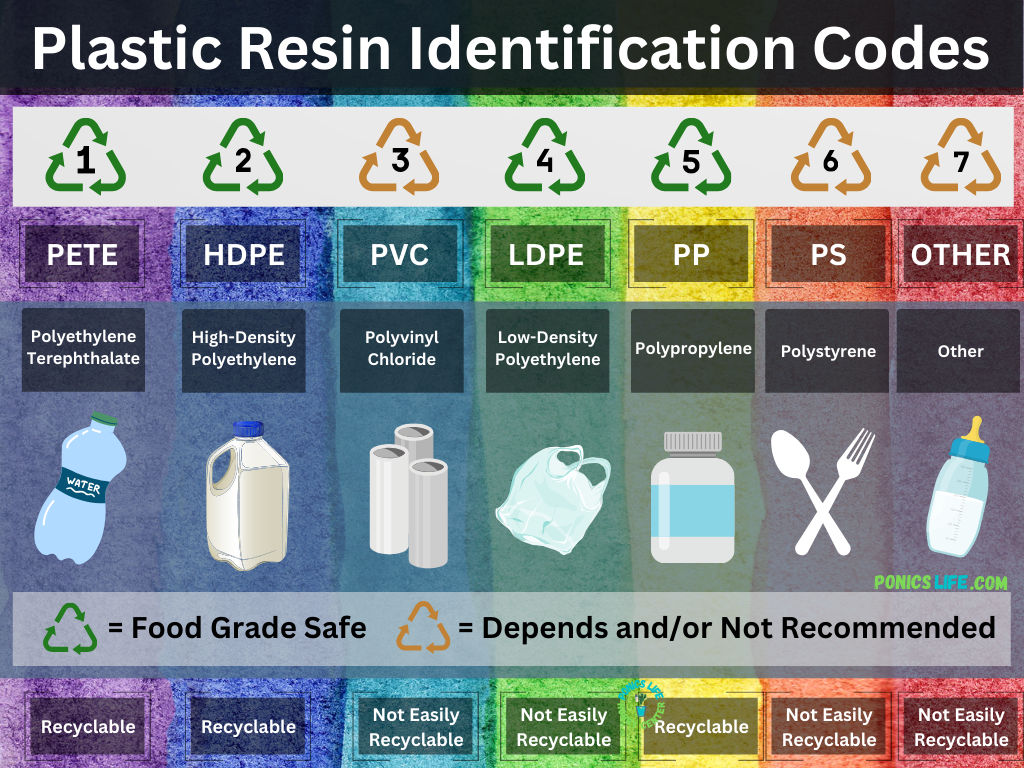
Plastic containers have codes usually at the bottom. These codes range from 1 to 7 and indicate the type of plastic used. Code 1 (PET or PETE) is safe for single use. Code 2 (HDPE) is safe for food storage. Code 5 (PP) is also considered safe. Avoid Code 3 (PVC), Code 6 (PS), and Code 7 (other), as they may contain harmful chemicals. Checking these codes is a simple way to ensure your containers are safe.
Recognizing Food-grade Symbols
Food-grade containers have specific symbols. Look for a cup and fork symbol; it means the container is safe for food. Some containers also have a “BPA-free” label. BPA is a harmful chemical found in some plastics. Containers without BPA are safer for food storage. Another symbol to check is the recycling triangle with numbers 2, 4, or 5. These numbers indicate safer plastics for food use. Recognizing these symbols ensures your food stays safe from harmful chemicals.
Health Concerns Of Unsafe Plastics
Plastics are everywhere. They’re used for storing food too. But not all plastics are safe. Some can harm our health. Unsafe plastics may release toxic chemicals. These chemicals can enter food. Eating such food can be harmful. It’s vital to know which plastics are safe.
Bisphenol A (bpa) Risks
BPA is found in many plastics. It’s used to make containers. BPA can seep into food. This happens especially when heated. Consuming BPA can be risky. It may affect the brain. It can harm children more. BPA exposure is linked to health problems. It may cause hormonal issues. Avoiding BPA is wise. Choose BPA-free containers.
Phthalates And Their Impact
Phthalates are used in plastics. They make plastics flexible. These chemicals can leach into food. Especially when stored for long. Phthalates can disrupt hormones. They may impact growth. These chemicals are harmful. Especially for kids and pregnant women. Using phthalate-free containers is safer. Check labels before buying.
Credit: ponicslife.com
Tips For Safe Plastic Usage
Plastic containers are incredibly convenient for storing leftovers and meal prep. Yet, knowing how to use them safely is crucial to avoid health risks. If you’ve ever wondered whether you’re using your plastic containers properly, here are some practical tips to ensure safe usage.
Avoiding Heat Exposure
Heat can cause chemicals to leach from plastic into food. It’s best to keep plastic containers out of the microwave. Have you ever noticed your container warping after heating? That’s a sign it’s been exposed to too much heat. Consider transferring food to glass or ceramic before reheating.
Even in the dishwasher, high temperatures can damage plastics. Handwashing is a safer option to extend the life of your containers. Warm water and mild soap will do the trick.
Proper Cleaning Techniques
Cleaning plastic containers properly prevents bacteria buildup. Use a soft sponge to avoid scratches where bacteria can hide. Do you sometimes struggle with stubborn stains? Try using baking soda mixed with water to gently scrub them away.
Airing them out after washing helps prevent odor retention. Remember to dry them completely before storing to keep mold at bay.
If your container has a lid with seals, give special attention to those areas during cleaning. Hidden food particles can lead to unpleasant surprises.
Are you using the right cleaning methods for your plastic containers? Ensuring cleanliness is key to safe food storage.
Alternatives To Plastic Containers
Plastic containers often raise concerns about safety and environmental impact. Many people seek safer, eco-friendly alternatives for food storage. Fortunately, several options exist that meet these needs. These alternatives are not only safe but also durable and reusable. Let’s explore some popular choices.
Glass Containers
Glass containers offer a safe, non-toxic option for storing food. They do not leach chemicals into food, even when heated. Glass is also resistant to staining and odor absorption. This makes it ideal for a variety of foods. Glass containers come in many shapes and sizes. Some even have airtight lids for better food preservation. They are easy to clean and usually dishwasher safe. Their transparency helps you see stored food easily. This reduces waste and keeps your kitchen organized.
Stainless Steel Options
Stainless steel containers provide another safe alternative to plastic. They are durable and long-lasting, making them a cost-effective choice. Stainless steel is lightweight compared to glass, which is great for transport. These containers don’t react with acidic foods. This ensures your food’s flavor and quality remain intact. Most stainless steel options are also dishwasher safe, simplifying cleanup. They are perfect for storing dry goods and even liquids. Some come with insulated features to keep food hot or cold. This makes them versatile for various storage needs.
Credit: www.theguardian.com
Frequently Asked Questions
What Is The Healthiest Container To Store Food In?
Glass containers are the healthiest for storing food. They are non-toxic, non-reactive, and preserve flavors. Glass is also recyclable, making it environmentally friendly. Stainless steel and food-grade silicone are also good options for safe food storage. Always ensure containers are free of harmful chemicals like BPA.
Do All Plastic Containers Leach Microplastics Into Food?
Not all plastic containers leach microplastics into food. Quality, type, and condition of the plastic matter. Choose BPA-free, food-grade containers to minimize risk. Avoid heating food in plastic to reduce microplastic leaching. Always check labels and manufacturer’s guidelines for safe usage.
Is Pp 7 Plastic Safe For Food?
PP 7 plastic, also known as polypropylene, is generally safe for food contact. It is durable and heat-resistant, making it suitable for food storage and microwave use. Always check for food-safe markings to ensure safety.
What Foods Should Not Be Stored In Plastic Containers?
Avoid storing acidic foods like tomatoes, citrus fruits, and vinegar in plastic containers. They can cause chemical leaching. Hot foods and greasy items like oils should also be avoided due to the risk of melting and contamination. Use glass or stainless steel containers for better safety and preservation.
Conclusion
Choosing safe plastic containers for food is important for health. Always check labels for safety information. Look for BPA-free and food-grade plastics. These options help keep food safe and fresh. Reusable containers are good for the environment too. They reduce waste and save money over time.
Regularly inspect containers for cracks or damage. Replace them when needed to avoid risks. Safe storage practices ensure healthy meals for your family. Make informed choices to protect what matters most. Prioritize safety and quality in your food storage solutions.
Your health and peace of mind are worth it.

I’m Abby Lu, a passionate home cook who loves simplifying everyday meals. At PlugChef.com, I share product reviews and cooking guides to help you find the best tools for your kitchen.
Related posts:
 What Type of Cooking Utensils are Safe: Expert Picks
 What Innovations Could Blenders Make: Unleashing Future Tech
 Smart Strategies to Organize a Small Kitchen: Maximize Space
 How to Organize a Kitchen Cabinet: Expert Tips & Tricks
 How to Organize Kitchen Drawers: Expert Tips and Tricks
 How to Organize a Corner Kitchen Cupboard: Expert Tips

