

When you think about a first-aid kit, you probably picture bandages, antiseptics, and maybe some pain relievers. But have you ever wondered which important item is usually missing from most first-aid kits?
Knowing what’s not included can be just as crucial as knowing what is. This simple piece could make a big difference in an emergency, and missing it might leave you unprepared when you need help the most. Keep reading to discover what that item is and why you should consider adding it to your kit right now.
Your safety depends on it.
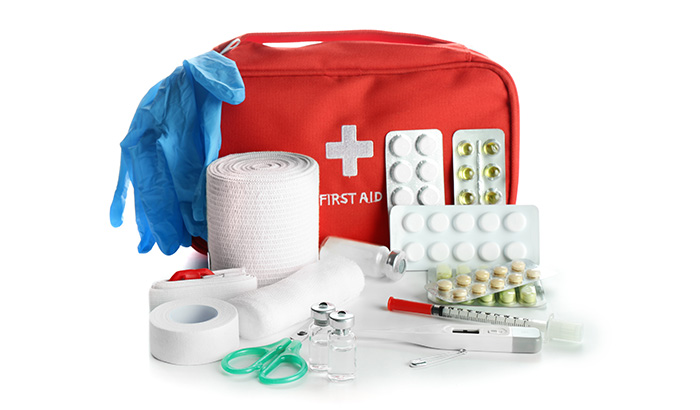
Common First-aid Kit Items
A first-aid kit holds essential supplies for treating minor injuries. It helps manage cuts, scrapes, and pain quickly. Knowing what items to expect in a kit makes it easier to respond to emergencies.
Some items appear in almost every first-aid kit. These items cover basic wound care and pain relief, making them vital for any home or travel kit.
Bandages And Dressings
Bandages protect wounds from dirt and germs. They stop bleeding and help wounds heal faster. Dressings come in various sizes to cover small to larger injuries. Adhesive bandages, gauze pads, and adhesive tape are common types found in most kits.
Antiseptics And Creams
Antiseptics clean wounds to prevent infection. They kill bacteria and reduce the risk of illness. Common antiseptics include alcohol wipes and iodine swabs. Healing creams, like antibiotic ointments, soothe skin and speed recovery.
Pain Relievers
Pain relievers reduce discomfort from injuries or illnesses. Over-the-counter medicines like ibuprofen or acetaminophen are often included. These help manage headaches, muscle pain, or fever effectively. They are easy to use and provide quick relief.
Surprising Essentials Often Missing
Most people think first-aid kits are ready for any emergency, but many kits miss some crucial items. These essentials might not seem obvious at first, yet they can make a big difference when you need them most. Have you ever checked your kit carefully to spot what’s missing?
Emergency Contact List
Many first-aid kits don’t include an emergency contact list, but it’s a simple item that can save valuable time. Imagine being in a situation where you’re injured or helping someone else, and you need to call a family member or doctor quickly. Having phone numbers printed and stored in your kit ensures you won’t waste time searching for them on your phone or paper.
Write down contacts like:
- Close family members or friends
- Your doctor or local clinic
- Poison control center
This small addition can turn your kit from basic to truly helpful.
Medical Gloves
Medical gloves are often missing from first-aid kits despite being vital for safety. They protect you from germs and prevent infections when treating wounds. Using gloves also protects the injured person from any germs you might carry.
Look for disposable nitrile or latex gloves, which are easy to carry and use. Including at least a pair or two can make you feel more confident handling emergencies without risking contamination.
Cpr Face Shield
Performing CPR can be intimidating, especially without proper protection. A CPR face shield is a thin barrier that covers the patient’s mouth and nose, reducing the risk of disease transmission during rescue breaths. Surprisingly, many kits don’t have this essential item.
Adding a face shield helps you act quickly and safely when someone’s breathing or heartbeat stops. It’s compact and inexpensive, but its presence can boost your willingness to perform lifesaving CPR.
Specialized Tools And Equipment
Specialized tools and equipment often go beyond basic first-aid needs. These items serve specific purposes but do not always fit into a standard first-aid kit. Including them depends on the kit’s intended use and the user’s skills.
Many first-aid kits focus on essentials like bandages, antiseptics, and pain relievers. Specialized tools require more care and knowledge to use safely. Their absence in common kits is typical to keep things simple and accessible.
Tweezers And Scissors
Tweezers and scissors are helpful for removing splinters or cutting tape and gauze. Some kits include them, but many do not. These tools need to be clean and sharp to work well. Without proper care, they might cause injury or infection.
Thermometer
A thermometer measures body temperature, an important health indicator. Many basic first-aid kits leave this out. Digital thermometers require batteries and can break if handled roughly. People often keep thermometers separately for easier access and better care.
Splint Materials
Splint materials stabilize broken or injured limbs until medical help arrives. They include rigid boards, padded wraps, or inflatable devices. Most first-aid kits do not carry full splinting supplies. These items take up space and demand knowledge to apply correctly.

Credit: compliplus.com
Non-medical Supplies
Non-medical supplies often get overlooked when packing a first-aid kit, yet they can make a huge difference during an emergency. These items don’t treat wounds directly but support your safety and comfort. Knowing which non-medical supplies are usually missing can help you prepare better and react faster when it counts.
Flashlight
A flashlight is rarely included in basic first-aid kits, but having one can be a lifesaver in power outages or low-light situations. Imagine trying to clean a wound or locate your supplies in the dark—without a reliable light source, it becomes a struggle. Adding a compact, battery-powered flashlight to your kit ensures you’re ready to handle emergencies anytime, anywhere.
Blanket
Blankets are not typical in standard first-aid kits, yet they play a critical role in preventing shock and maintaining body temperature. I once experienced a cold night after a minor hiking accident, and a blanket would have kept me warmer while waiting for help. Carrying a lightweight emergency blanket can provide comfort and stabilize the injured until professional help arrives.
Whistle
A whistle is often missing from first-aid kits, but it’s an essential signaling device if you need to attract attention. When you’re stranded or lost, shouting might not be heard, but the sharp sound of a whistle travels farther. Including a whistle in your kit increases your chances of being found quickly, especially in outdoor settings.
Why These Items Matter
Knowing why certain items are missing from a first-aid kit helps you prepare better. Some essentials might not be included but are important for safety. Understanding their role can save lives and reduce injury risks.
Enhanced Safety Measures
Missing items often improve safety during emergencies. They protect wounds from infection and prevent complications. Having these items means safer care until professional help arrives.
Preparedness For Various Scenarios
Different accidents require different tools. Some items cover less common injuries or conditions. Including them ensures readiness for a wider range of emergencies.
Improving Response Time
Quick access to the right tools speeds up first aid. It reduces pain and stops problems from getting worse. Items not usually in kits might help act faster and more effectively.
Credit: blackdiamondrestoration.com
How To Customize Your First-aid Kit
Customizing a first-aid kit makes it more useful for your unique needs. Basic kits often miss items important for specific situations. Tailoring your kit ensures you have what matters most in emergencies. Follow simple steps to build a kit that fits your lifestyle and health conditions.
Assessing Personal Needs
Start by thinking about your daily activities and health issues. Consider allergies, medications, and common injuries. Include items for children or elderly family members if needed. Think about your environment, such as outdoor work or travel risks. A clear list helps you choose the right supplies.
Adding Missing Essentials
Check your kit for common but often missing items. Some kits lack items like tweezers, allergy medicine, or instant cold packs. Add personal medications and extra bandages for frequent injuries. Include tools like scissors and gloves for safety. Don’t forget any special items your assessment shows are necessary.
Regular Kit Maintenance
Keep your first-aid kit ready by checking it regularly. Replace used or expired items promptly to avoid surprises. Update the kit if your health or lifestyle changes. Store it in an easy-to-access place and inform family members. A well-maintained kit is reliable in every emergency.

Credit: www.capecodhealth.org
Frequently Asked Questions
What Items Are Essential In A First-aid Kit?
Essential items include bandages, antiseptic wipes, adhesive tape, scissors, tweezers, and gloves. These help treat minor injuries quickly and prevent infections effectively.
Why Are Medications Usually Excluded From First-aid Kits?
Medications are often excluded due to expiration risks and potential allergies. It’s safer to keep prescription drugs separate and consult a doctor before use.
Is A Flashlight Necessary In A First-aid Kit?
A flashlight is useful but not mandatory. It helps provide visibility during emergencies in low-light conditions, making treatment easier and safer.
Can You Include Personal Hygiene Items In First-aid Kits?
Personal hygiene items like hand sanitizers are often included. They help maintain cleanliness and reduce infection risks during first aid procedures.
Conclusion
Not all items belong in a first-aid kit. Some things are better left out. Knowing what not to include helps keep the kit useful and organized. Avoid clutter with unnecessary items. Focus on essentials like bandages, antiseptics, and pain relief.
Keep your kit ready for real emergencies. Regularly check and update its contents. A well-packed kit can save time and reduce stress. Simple and practical always works best. Stay prepared, stay safe.

I’m Abby Lu, a passionate home cook who loves simplifying everyday meals. At PlugChef.com, I share product reviews and cooking guides to help you find the best tools for your kitchen.
Related posts:
 What Type of Cooking Utensils are Safe: Expert Picks
 What Innovations Could Blenders Make: Unleashing Future Tech
 Smart Strategies to Organize a Small Kitchen: Maximize Space
 How to Organize a Kitchen Cabinet: Expert Tips & Tricks
 How to Organize Kitchen Drawers: Expert Tips and Tricks
 How to Organize a Corner Kitchen Cupboard: Expert Tips

