
Are you mindful of your health when it comes to cooking? You might already choose fresh ingredients and healthy recipes, but what about the utensils you use every day?
The right tools can make a big difference, not just in how your meals turn out, but in ensuring that your health is protected. When you pick cooking utensils, you’re not just choosing something to stir your soup or flip your pancakes; you’re making a choice that affects the safety and nutritional value of your food.
We’ll explore which cooking utensils are best for health, helping you make informed decisions that benefit you and your loved ones. Stick around, because the health of your meals starts with the tools you use.
Credit: www.caiteyjay.com
Non-toxic Cookware Materials
Choosing the right cookware can impact your health significantly. Non-toxic materials ensure no harmful chemicals leach into your food. Healthy cooking starts with safe utensils. Let’s explore some of the best non-toxic cookware materials.
Stainless Steel Benefits
Stainless steel is a popular choice for many home cooks. It doesn’t react with acidic foods. This ensures the taste and quality of your meals remain intact. It’s also durable and resistant to rust. This makes it a long-lasting option for your kitchen. Cleaning stainless steel is easy. It often requires just soap and water. Plus, it can withstand high temperatures. This makes it ideal for a variety of cooking methods.
Cast Iron Versatility
Cast iron cookware offers excellent heat retention. This ensures even cooking every time. It’s naturally non-stick when seasoned properly. This reduces the need for excess oils. Cast iron also adds a small amount of iron to your food. This can be beneficial for those needing more iron in their diet. It’s versatile and can be used on the stove or in the oven. With proper care, cast iron can last a lifetime.
Glass Cookware Safety
Glass cookware is non-reactive and safe for all types of food. It doesn’t leach chemicals or odors. This keeps your meals healthy and pure. Glass is also transparent. This allows you to monitor the cooking process easily. It’s safe for both microwave and oven use. Just be cautious with sudden temperature changes. Glass cookware is easy to clean and dishwasher safe. This makes it a convenient choice for many households.

Credit: natural-cure.org
Avoiding Harmful Chemicals
Choosing the right cooking utensils is crucial for good health. Many utensils contain harmful chemicals that leach into food. These chemicals can cause various health issues. Avoiding them ensures a safer cooking experience. This section explores common materials that pose risks.
Dangers Of Teflon
Teflon is popular for its non-stick properties. It contains polytetrafluoroethylene (PTFE), which releases toxic fumes when overheated. These fumes can cause flu-like symptoms in humans. Long-term exposure may lead to more severe health concerns. Consider alternatives like ceramic or stainless steel.
Risks Of Aluminum
Aluminum utensils are lightweight and affordable. They can leach into food, especially acidic dishes. High aluminum intake is linked to neurological issues. It may affect cognitive functions over time. Opt for safer materials like glass or cast iron.
Eco-friendly Options
Choosing the right cooking utensils is crucial for health and the environment. Eco-friendly options provide safer alternatives to traditional materials. They help reduce the impact on nature. Ceramic and bamboo utensils stand out for their benefits.
Benefits Of Ceramic
Ceramic utensils are non-toxic. They don’t leach harmful chemicals into food. Unlike plastic, ceramic doesn’t absorb odors. It offers a clean cooking experience every time. Ceramic is durable and long-lasting. It withstands high temperatures without degrading. This makes it ideal for cooking various dishes. Many chefs prefer ceramic for its even heat distribution. Your meals cook evenly and taste better.
Sustainable Bamboo
Bamboo is a fast-growing plant. It’s a sustainable choice for utensils. Bamboo utensils are lightweight yet strong. They resist stains and won’t scratch non-stick surfaces. This helps prolong the life of your cookware. Bamboo is naturally antibacterial. It reduces the risk of bacteria in the kitchen. Using bamboo tools means supporting eco-friendly practices. They are biodegradable, leaving no harmful waste behind.
Credit: www.meghantelpner.com
Choosing Utensils For Nutrient Retention
Choosing the right cooking utensils isn’t just about convenience; it’s also about preserving the nutrients in your food. You might be surprised to learn that the material of your pots and pans can significantly affect the vitamin and mineral content of your meals. When you’re looking for healthier cooking options, consider how your utensils can help maintain the nutritional value of your ingredients.
Preserving Vitamins With Iron
Iron cookware, like cast iron pans, is a fantastic choice for retaining vitamins in your meals. Cooking with iron can actually add a small amount of this essential mineral to your food, which is beneficial if you have low iron levels. I once made a stir fry in a cast iron skillet and noticed how vibrant the vegetables remained, not to mention the slight iron boost added to my diet.
Iron cookware is also known for its ability to distribute heat evenly, reducing the cooking time. Shorter cooking times help preserve heat-sensitive vitamins like vitamin C and B vitamins, which are prone to breaking down when exposed to prolonged heat. So, if you’re looking to retain as much nutrition as possible, iron might just be your best friend in the kitchen.
Minimizing Metal Leaching
One concern with some metal utensils is the potential for metal leaching, where metals can transfer into food. To minimize this, choose stainless steel cookware, which is known for its durability and resistance to this issue. Stainless steel is a reliable option for cooking acidic foods like tomatoes, as it prevents unwanted flavors and metal residues from contaminating your meals.
Have you ever noticed a metallic taste in your spaghetti sauce? That might be due to metal leaching from cookware not suited for acidic ingredients. Opting for high-quality stainless steel can help you avoid this while keeping your dishes tasting fresh and nutritious.
Think about your current cooking utensils. Are they helping or hindering your efforts to eat healthily? Making informed choices about your kitchen equipment can make a significant difference in your diet. Remember, investing in the right tools today can lead to healthier meals tomorrow.
Maintaining Safe Cooking Practices
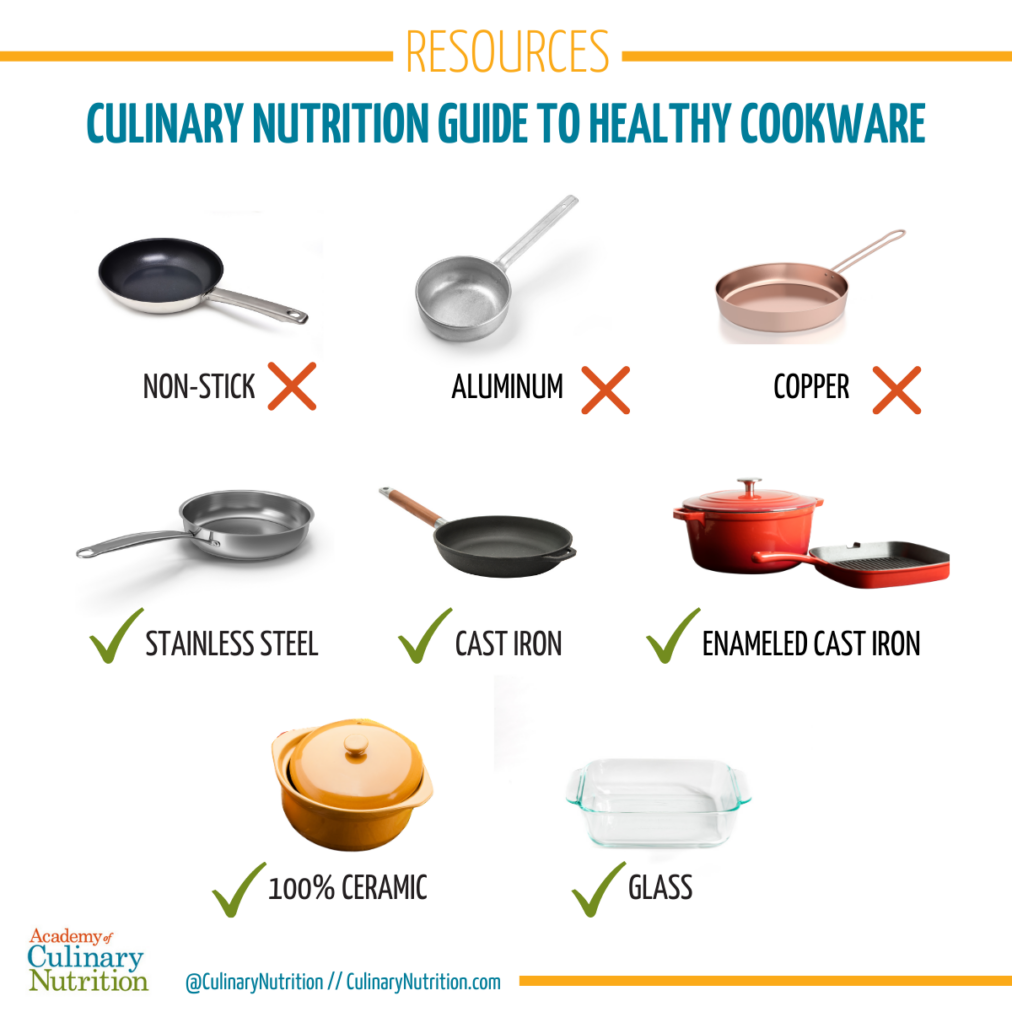
Choosing the right cooking utensils can improve health. Opt for stainless steel, cast iron, or glass materials. Avoid non-stick pans with harmful chemicals.
Cooking is more than just combining ingredients; it’s about maintaining safe practices that ensure your meals are healthy and delicious. Choosing the right utensils is crucial, but equally important is how you care for them. Proper care can extend their life and keep your cooking practices safe. Let’s dive into how you can maintain the longevity and cleanliness of your cooking tools with simple, effective tips.Proper Care For Longevity
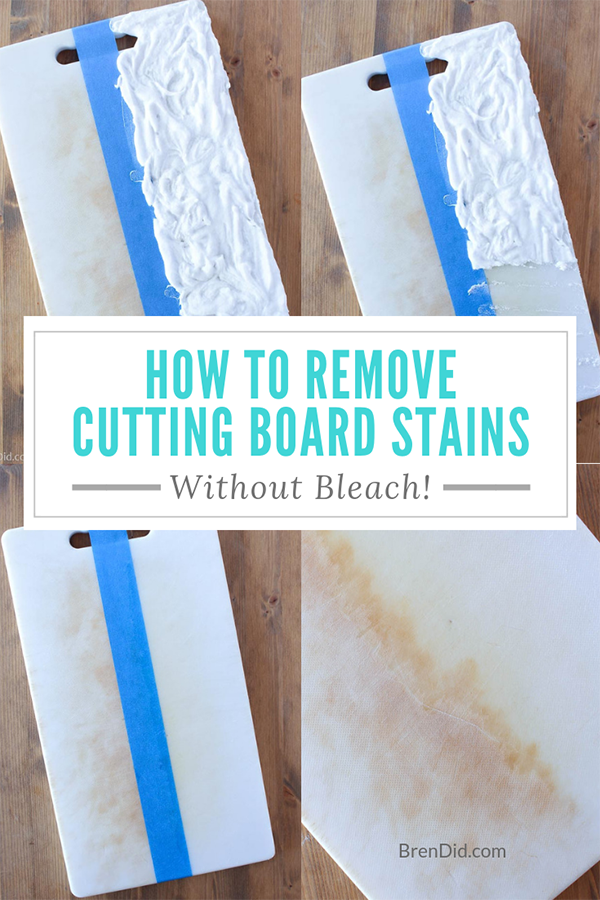
Taking care of your cooking utensils can save you money and prevent potential health risks. Stainless steel, for instance, is durable but needs regular cleaning to avoid rust. A friend once shared how her neglected cast iron skillet developed a layer of rust, making it unusable. She learned that a little care goes a long way. Avoid using metal scrubbers on non-stick pans to prevent damage. Instead, opt for soft sponges. Have you ever seen a pan lose its non-stick coating prematurely? It’s usually because of harsh scrubbing. Proper care can ensure your utensils serve you well for years.Seasoning And Cleaning Tips
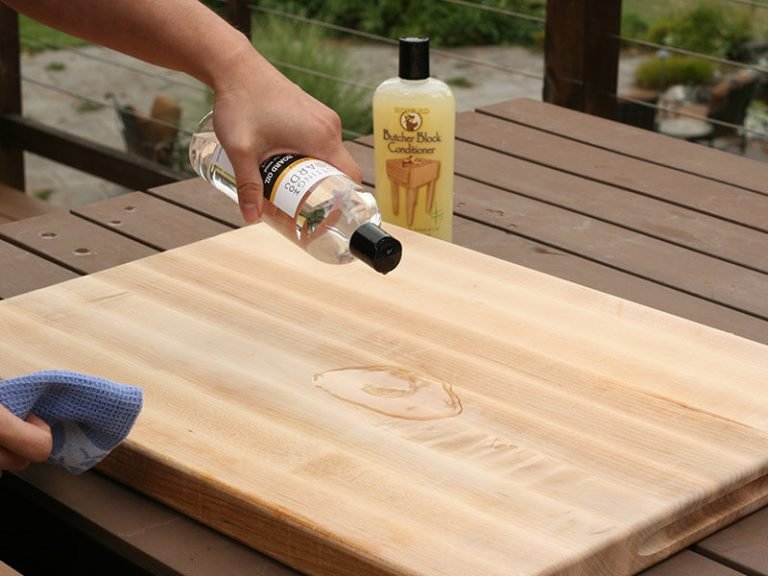
Seasoning your cast iron skillet is not just about flavor; it’s about protection. A well-seasoned skillet can prevent rust and enhance cooking. Rub a thin layer of vegetable oil on your skillet and heat it to maintain its non-stick surface. It’s a small effort that pays off in delicious meals and a longer-lasting pan. Cleaning is equally essential. Warm water and mild soap work wonders on most utensils. Are you guilty of leaving your wooden spoons in water overnight? They can absorb water and warp. Dry them immediately after washing to keep them in perfect shape. Consider the utensils in your kitchen. Are they well-maintained, or do they show signs of wear and tear? Proper care is simple, yet it can transform your cooking experience. By taking these steps, you ensure your utensils are not just tools but trusted allies in your quest for healthy cooking.Expert Recommendations
Choosing the right cooking utensils can impact your health positively. Experts suggest using utensils that preserve nutrients and avoid harmful chemicals. Quality materials can make a significant difference in food safety and flavor. Below, we explore expert recommendations from nutritionists and chefs. These insights help guide healthier cooking practices.
Top Picks By Nutritionists
Nutritionists often recommend stainless steel and cast iron utensils. Stainless steel is non-reactive, ensuring no chemicals leach into food. It’s durable and easy to clean, making it a favorite in many kitchens. Cast iron is another top choice. It adds iron to food, which is beneficial for many people. Pre-seasoned cast iron also offers a non-stick surface without harmful coatings.
Silicone utensils also receive praise from nutritionists. They are heat-resistant and free from BPA, a harmful chemical. Silicone is gentle on cookware, preventing scratches and extending the life of your pots and pans.
Chef-approved Utensils
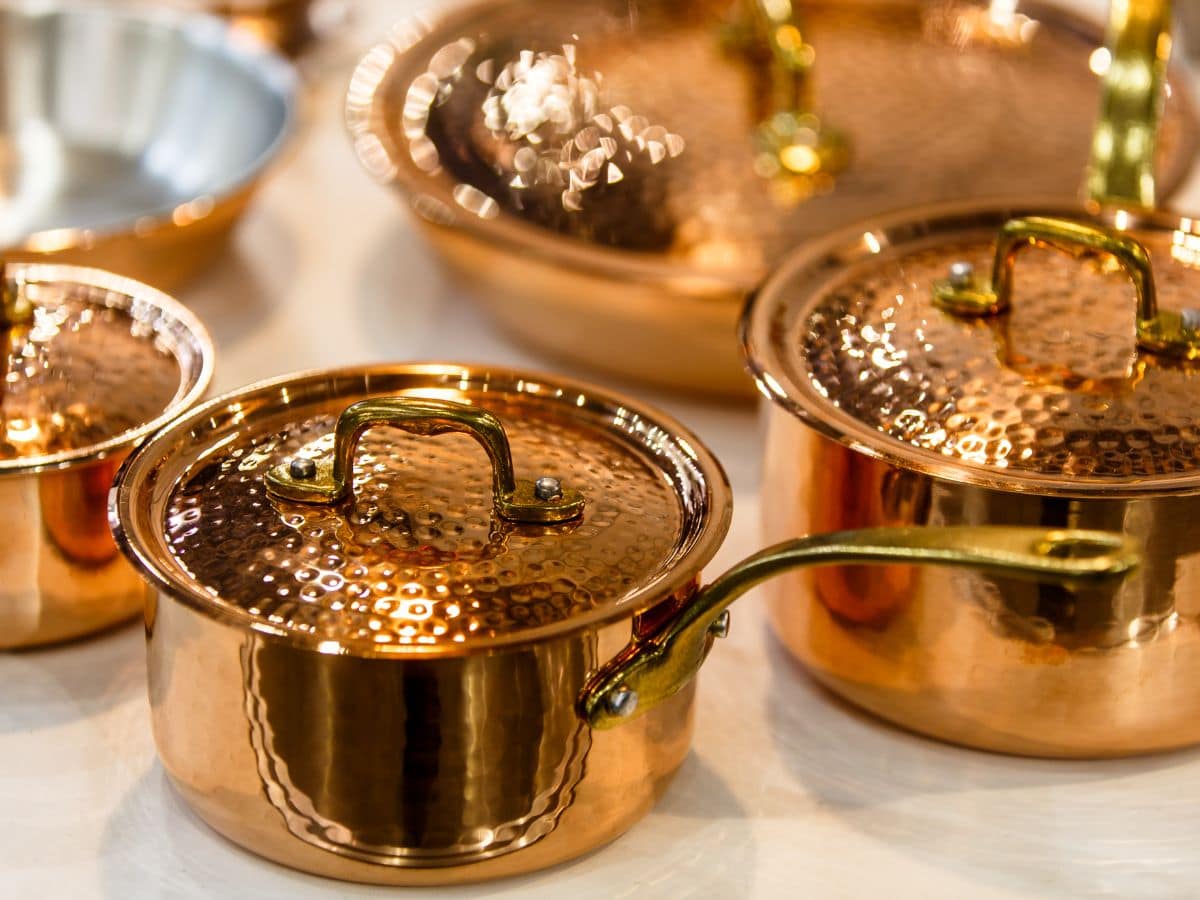
Chefs often lean toward high-quality materials for consistent cooking results. Copper utensils distribute heat evenly, which chefs love for precise cooking. They help achieve perfect sears and sautéing.
Wooden utensils remain a staple in professional kitchens. They are gentle on cookware and do not conduct heat. This makes them ideal for stirring hot dishes without burning hands.
Professional chefs also value carbon steel for its versatility. It heats quickly and adjusts to temperature changes with ease. Many chefs prefer carbon steel for frying and browning due to its excellent heat conduction.
Frequently Asked Questions
Which Is The Healthiest Cookware To Use?
Choose stainless steel, cast iron, or ceramic cookware for healthier cooking. These materials are non-toxic and durable. Avoid non-stick pans with PFOA or Teflon coatings, as they can release harmful chemicals. Opting for high-quality, natural options ensures safe food preparation and promotes better overall health.
What Is The Least Toxic Cooking Utensil Material?
The least toxic cooking utensil materials include stainless steel, cast iron, and glass. They are non-reactive and safe. Ceramic-coated and food-grade silicone are also good options. These materials resist leaching harmful chemicals into food, ensuring healthier cooking. Choose high-quality brands for the best results.
Which Cookware Is 100% Non-toxic?
Pure ceramic and stainless steel cookware are 100% non-toxic. These options avoid harmful chemicals found in some non-stick coatings. Ensure they are free from lead and cadmium for safe cooking. Choose reputable brands to guarantee quality and safety. Prioritize cookware with natural, eco-friendly materials for a healthier kitchen.
What Are The Safest Cooking Utensils?
Silicone, stainless steel, and bamboo are safe and healthy options. These materials are non-toxic and durable. Avoid non-stick coatings that can release harmful chemicals. Choose utensils that are heat-resistant to prevent leaching. They ensure a healthy cooking environment.
Conclusion
Choosing the right cooking utensils matters. They impact health significantly. Use stainless steel, glass, or wooden options. These materials are safe. Avoid non-stick pans with harmful chemicals. Check labels before purchasing. Healthy cooking starts with good tools. Invest in quality utensils.
They last longer and keep food safe. Small changes lead to big health benefits. Your kitchen should support your well-being. Make mindful choices with utensils. Eating well begins with cooking well. Enjoy healthier meals every day. Prioritize your health in the kitchen.
Cooking can be fun and safe. Stay informed and cook wisely.

Hi, I’m Daniel Brooks—a food lover and kitchen gear enthusiast. I enjoy testing cookware, utensils, and gadgets to see what really works in everyday cooking. At PlugChef.com, I share honest reviews, comparisons, and simple guides to help you choose the best tools for a safer, smarter, and more enjoyable kitchen.
Related posts:
 What Type of Cooking Utensils are Safe: Expert Picks
 What Innovations Could Blenders Make: Unleashing Future Tech
 Smart Strategies to Organize a Small Kitchen: Maximize Space
 How to Organize a Kitchen Cabinet: Expert Tips & Tricks
 How to Organize Kitchen Drawers: Expert Tips and Tricks
 How to Organize a Corner Kitchen Cupboard: Expert Tips