

Have you ever bitten into a plum, hoping for that perfect burst of sweet, juicy flavor, only to find it sour or hard? Knowing exactly when a plum is ripe can make all the difference in your eating experience.
If you want to enjoy every plum at its tastiest, you need to spot the signs of ripeness. You’ll discover simple tips to tell when your plums are ready to eat, so you never waste a bite again. Keep reading to unlock the secret to picking plums at their peak!
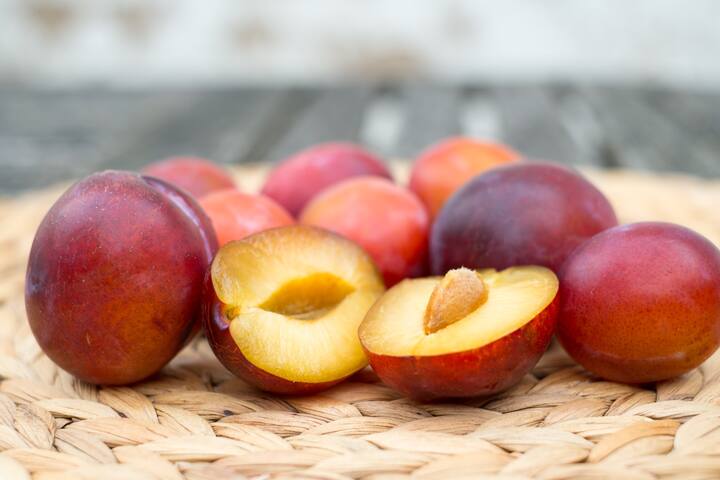
Credit: normecgroup.com
Signs Of Ripe Plums
Ripe plums show clear signs that help know the perfect time to eat them. These signs include changes in color, texture, and smell. Knowing these clues helps enjoy plums at their sweetest and juiciest.
Color Changes
Plums change color as they ripen. They usually turn from green to deep purple, red, or yellow. The skin becomes more vibrant and less dull. Avoid plums with too many green spots, as they may be underripe.
Texture And Firmness
A ripe plum feels soft but not mushy. Press it gently with your finger. It should give slightly under pressure. Hard plums need more time to ripen. Overly soft plums may be overripe and mealy inside.
Aroma Cues
Ripe plums have a sweet, fruity smell near the stem. If there is no scent, the plum may not be ripe yet. A strong, pleasant aroma means the plum is ready to eat. Avoid plums with sour or fermented smells.

Credit: www.reddit.com
Timing The Harvest
Timing the harvest is crucial to enjoy plums at their best flavor and texture. Picking too early can leave you with sour, hard fruit, while waiting too long may cause the plums to become mushy and attract pests. Understanding when your plum is ripe helps you make the most of your harvest and ensures every bite is delicious.
Seasonal Patterns
Plum ripening follows seasonal patterns that vary depending on the variety. Most plums ripen between late summer and early autumn, but some early varieties can be ready by mid-summer. Keep an eye on how the fruit changes color and softens during these months.
Watch for these signs:
- Color shift from green to deep purple, red, or yellow depending on the type
- Fruit feels slightly soft when gently squeezed
- Sweet aroma begins to develop around the stem
Have you noticed your local plums ripen earlier or later than usual? Tracking these patterns can help you plan the best time to harvest each year.
Local Climate Effects
Your local climate plays a big role in when plums are ripe. Warm, sunny regions often see plums ripen earlier, while cooler or wetter climates delay the process. Temperature fluctuations can also affect the fruit’s sweetness and juiciness.
Consider these climate factors:
- Days with consistent warmth speed up ripening
- Excessive rain near harvest time can reduce flavor quality
- Late frosts might damage blossoms and shift harvest dates
Thinking about your own garden or orchard, how do weather changes affect your plum harvest? Adjusting your picking schedule based on local climate will help you catch the fruit at its peak.
Variety Differences
Different plum varieties ripen at various times, affecting their color and softness. Some turn deep purple, while others stay red or yellow when ready to eat. Checking the specific variety helps know the best time to pick ripe plums.
Understanding when a plum is ripe involves knowing its variety. Different types of plums have unique ripening traits. These traits can vary widely, impacting taste and texture. Let’s explore these differences.Common Plum Types
There are several common types of plums. Each one has distinct characteristics.- European Plums:These are often sweet and juicy.
- Japanese Plums:Known for their tartness and firmness.
- Damson Plums:Small and tart, perfect for cooking.
- Mirabelle Plums:Small, sweet, and often used in desserts.
- Greengage Plums:Known for their honey-like sweetness.
Ripening Traits By Variety
Each plum variety ripens differently. Recognizing these traits helps in selecting the perfect plum. – European Plums: Ripe when they are deep purple or blue. They should feel soft. – Japanese Plums: Look for a vibrant red or yellow color. They remain firm when ripe. – Damson Plums: These have a deep blue color. They are best used when slightly firm. – Mirabelle Plums: Ripe when golden yellow. They should feel slightly soft to touch. – Greengage Plums: These turn greenish-yellow when ready. They should feel tender but not mushy. Understanding these traits ensures you choose the best plum for your needs. Each variety offers a unique taste experience, perfect for different dishes and preferences.Picking Techniques
Picking plums at the right moment is as much about technique as it is about timing. How you handle the fruit during harvest can affect its flavor, shelf life, and appearance. Mastering gentle handling and using the right tools can make your picking experience more rewarding and your plums tastier.
Gentle Handling
Plums bruise easily, so treat them like delicate treasures. When you pick, hold the fruit softly and avoid squeezing it too hard. A gentle twist or slight lift usually detaches ripe plums without damage.
Think about the last time you picked fruit too roughly—did you notice any spots or mushy areas later? Those bruises speed up spoilage and ruin the eating experience. Handle each plum as if it’s ready to be eaten immediately to keep it fresh longer.
Tools For Harvesting
Using the right tools can save you time and protect your plums from harm. Small fruit-picking baskets with soft linings prevent bruising during collection. Long-handled fruit pickers help reach high branches without shaking the tree.
Sharp pruning shears or scissors can cleanly cut the stem when plums cling stubbornly, avoiding tearing or squeezing the fruit. Have you noticed how using your hands alone sometimes damages the skin? Tools give you control and precision.
Post-harvest Tips
Handling plums after picking is just as important as knowing when they are ripe. The right post-harvest care can extend their freshness and improve flavor. Let’s look at some practical tips you can use to keep your plums at their best.
Storage Conditions
Plums are delicate and need the right environment to stay fresh. Keep them in a cool place, ideally around 32°F to 40°F (0°C to 4°C). Avoid storing them near strong-smelling foods, as plums can absorb odors easily.
Use a perforated plastic bag or a container with ventilation to prevent moisture buildup. Too much humidity can cause mold, while too little can dry them out. If you notice any bruised or damaged plums, remove them immediately to protect the others.
Ripening After Picking
Sometimes plums are picked just before they fully ripen. You can let them finish ripening at room temperature. Place them on the counter, away from direct sunlight, and check daily for softness and sweetness.
To speed up ripening, put the plums in a paper bag with a ripe banana or apple. These fruits release ethylene gas, which helps plums ripen faster. Have you tried this trick before? It’s a simple way to enjoy perfectly ripe plums even if you picked them early.
Common Mistakes To Avoid
Picking a ripe plum can be tricky. Many people make simple mistakes that affect taste and texture. Avoiding these errors helps enjoy plums at their best.
Relying Only On Color
Color alone does not show ripeness. Plums can be red or purple but still hard inside. Touch and smell are better signs.
Ignoring The Feel Of The Fruit
Ripe plums are slightly soft to touch. Hard plums mean unripe, while too soft means overripe. Gently press near the stem to check.
Picking Plums Too Early
Unripe plums lack flavor and sweetness. Picking too soon leads to sour taste. Wait until the plum is slightly soft and sweet-smelling.
Leaving Overripe Plums On The Tree
Overripe plums can attract pests and rot. They also lose flavor quickly. Harvest plums before they become too soft or wrinkled.
Forgetting To Smell The Plum
A ripe plum has a sweet, fruity scent. No smell often means it is not ripe yet. Use your nose to find the best fruit.
Expert Advice And Tricks
Knowing when a plum is ripe can transform your experience from just eating fruit to truly enjoying nature’s sweetness. Expert advice can help you spot the perfect moment to pick or buy plums, ensuring they’re juicy and flavorful every time. Let’s dive into some trusted tips and tricks that will sharpen your senses and give you confidence in selecting ripe plums.
Understanding Color And Texture Changes
Plums change color as they ripen, but this varies by variety. Look beyond just the color—feel the skin for a slight softness. A ripe plum will give gently under your fingers without being mushy.
My own experience taught me not to rely solely on color. I once grabbed a bright purple plum that was still hard inside. Checking texture saved me from a sour bite next time.
Smell The Sweet Aroma
Ripe plums often emit a sweet, fruity aroma near the stem. If you don’t detect any scent, it’s likely not ready yet. Trust your nose; it’s a simple but powerful tool for ripeness.
Check The Stem And Skin Condition
A ripe plum’s skin should be smooth and free from wrinkles or cracks. The stem area might have a slight give but shouldn’t be shriveled. These signs mean the fruit is fresh and at peak ripeness.
Use The Gentle Press Test
- Hold the plum in your hand and press it gently with your thumb.
- If it yields slightly without bruising, it’s ripe.
- If it feels rock hard, wait a few days and check again.
This test is quick and easy at the market or in your garden, helping you avoid under- or overripe fruit.
Watch For Natural Drops In The Garden
Plums that fall naturally from the tree often signal ripeness. If you grow your own, notice when plums start dropping—those are usually perfect for picking. Don’t wait too long after they fall; they can spoil quickly.
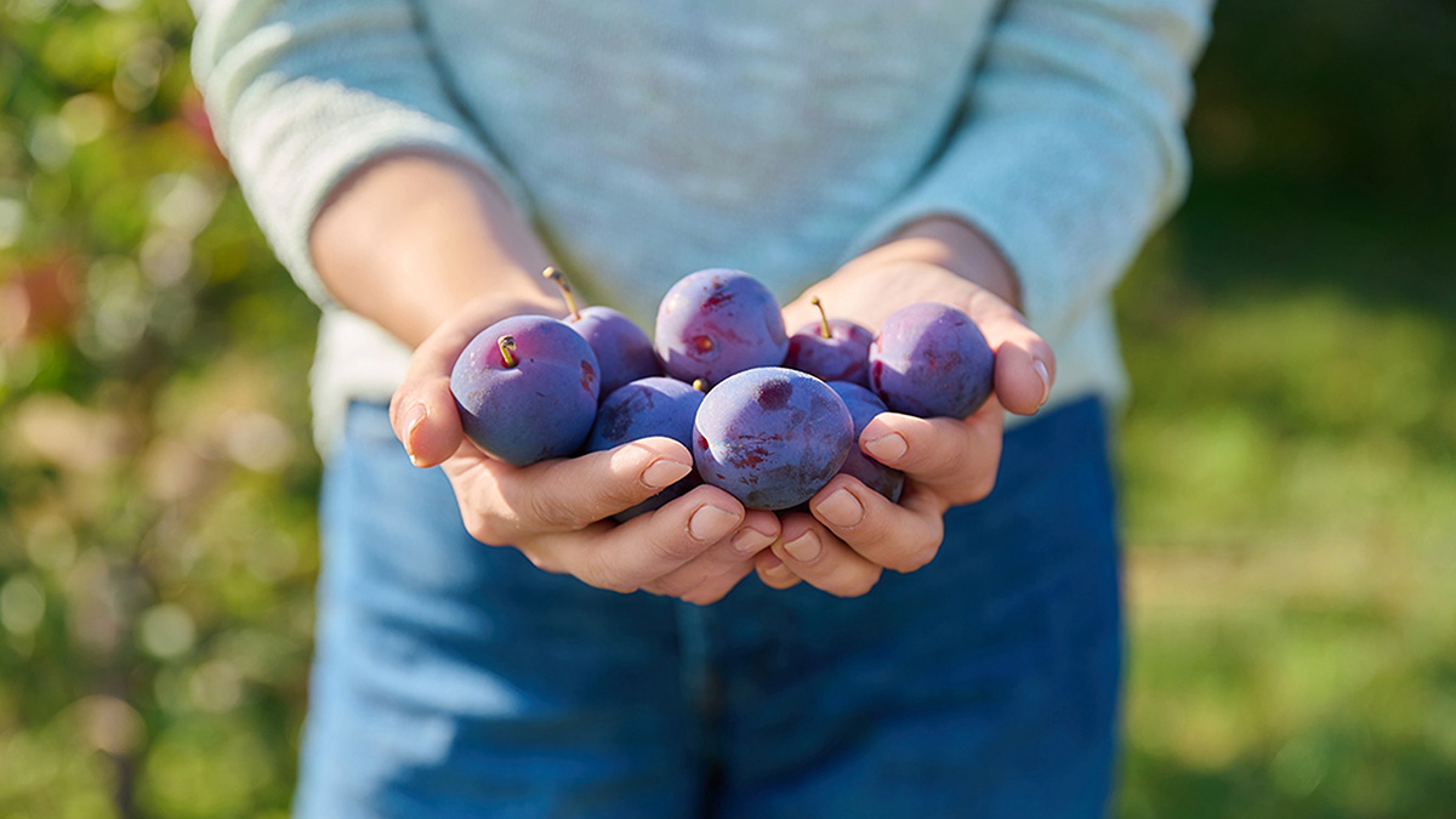
Credit: www.harryanddavid.com
Frequently Asked Questions
When Is A Plum Ripe For Picking?
A plum is ripe when it feels slightly soft to touch. The skin color deepens, and it releases a sweet aroma. Ripe plums come off the tree easily without force. Taste also improves with ripeness, becoming juicy and flavorful.
How To Tell If A Plum Is Ripe?
Check for softness by gently pressing the plum. Look for rich, vibrant skin color depending on the variety. A ripe plum smells sweet and has a slight give under pressure. Avoid plums that are hard or overly mushy.
Can Plums Ripen Off The Tree?
Yes, plums can ripen after harvesting. Keep them at room temperature to soften naturally. Avoid refrigeration until fully ripe, as cold slows the ripening process. Once ripe, store in the fridge to extend freshness.
What Time Of Year Are Plums Ripe?
Plums typically ripen in late summer through early fall. The exact timing depends on the variety and local climate. Monitor plum trees closely during this period for optimal harvesting. Early picking may result in sour, less sweet fruit.
Conclusion
Plums ripen when they feel soft and smell sweet. The skin changes color, depending on the type. Taste a small piece to check if it’s sweet. Ripe plums are juicy and easy to bite. Picking them at the right time gives the best flavor.
Store plums at room temperature until fully ripe. Then, refrigerate to keep them fresh longer. Enjoy plums soon after picking for the best taste. Watch for these signs to enjoy ripe, delicious plums every time.

I’m Abby Lu, a passionate home cook who loves simplifying everyday meals. At PlugChef.com, I share product reviews and cooking guides to help you find the best tools for your kitchen.
Related posts:
 What Type of Cooking Utensils are Safe: Expert Picks
 What Innovations Could Blenders Make: Unleashing Future Tech
 Smart Strategies to Organize a Small Kitchen: Maximize Space
 How to Organize a Kitchen Cabinet: Expert Tips & Tricks
 How to Organize Kitchen Drawers: Expert Tips and Tricks
 How to Organize a Corner Kitchen Cupboard: Expert Tips

