

Have you ever wondered what makes seasoned rice vinegar a kitchen favorite? If you love adding a burst of flavor to your dishes, understanding what’s inside this special vinegar can change the way you cook.
Knowing the key ingredients and how they work together will help you use it better and create tastier meals. Keep reading, and you’ll discover exactly what’s in seasoned rice vinegar—and why it deserves a spot in your pantry.

Credit: sporked.com
Ingredients In Seasoned Rice Vinegar
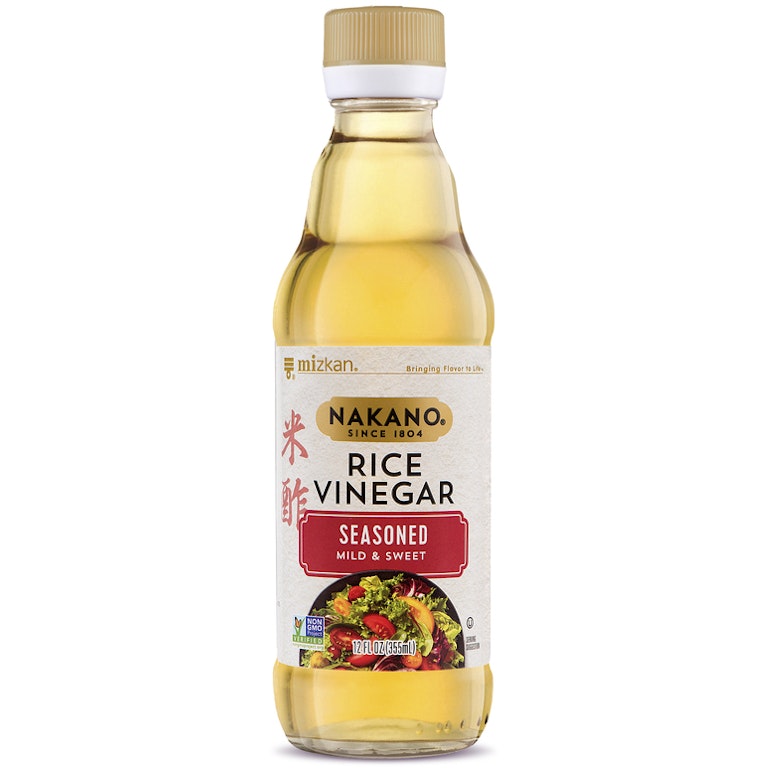
Seasoned rice vinegar is a staple in many kitchens. It adds a mild tang and a touch of sweetness to dishes. Understanding its ingredients helps you appreciate its unique flavor and uses. The main components include a rice vinegar base, sugar, salt, and other flavorings. Each ingredient plays a role in the taste and texture of the vinegar.
Rice Vinegar Base
The rice vinegar base is made from fermented rice. It has a mild and slightly sweet flavor. This vinegar is less acidic than other types. It forms the core of seasoned rice vinegar. The quality of the rice vinegar affects the final taste.
Sugar And Sweeteners
Seasoned rice vinegar contains sugar to balance acidity. Sugar adds a gentle sweetness to the vinegar. Some brands may use alternative sweeteners. These help enhance the flavor and smoothness. The amount of sugar varies by brand.
Salt Content
Salt is added for seasoning and preservation. It brings out the natural flavors of the vinegar. Salt also helps to balance the sweetness. The salt content is usually moderate. It ensures the vinegar is tasty but not overpowering.
Additional Flavorings
Other ingredients may include kombu (seaweed) or spices. These add subtle layers of flavor and aroma. Some recipes include mirin or sake for extra depth. These flavorings make seasoned rice vinegar unique. They provide a richer taste experience.
Credit: www.gianteagle.com
How Seasoned Rice Vinegar Is Made
Seasoned rice vinegar is a staple in many kitchens. Its unique taste comes from a careful making process. Understanding this process helps appreciate its flavor and quality. The journey begins with fermentation and ends with blending and seasoning.
Fermentation Process
The first step is fermentation. Rice is cleaned and soaked in water. Next, the rice is steamed to soften it. Special bacteria and yeast are added to the rice. These microorganisms break down starch into sugar. Then, sugar turns into alcohol through fermentation. Finally, acetic acid bacteria convert alcohol into vinegar. This natural process creates the base rice vinegar.
Blending And Seasoning
After fermentation, the vinegar is clear and sharp. To create seasoned rice vinegar, flavors are added. Sugar, salt, and sometimes mirin mix into the vinegar. These ingredients balance the sharpness and add sweetness. The blend is stirred well to mix flavors evenly. This seasoning gives the vinegar its mild and tasty profile. Bottled and sealed, it is ready for cooking and dressing dishes.
Nutritional Profile
Seasoned rice vinegar is a staple in many kitchens. It adds a tangy flavor to dishes without heavy calories. Its nutritional profile is simple yet important for those who track their intake. Understanding what’s inside helps make better food choices.
Calories And Carbohydrates
Seasoned rice vinegar has very few calories. Typically, one tablespoon contains around 15 calories. It also has a small amount of carbohydrates, mostly from added sugar. This makes it a low-calorie option for flavoring meals.
Sodium Levels
Sodium content in seasoned rice vinegar can vary by brand. Usually, one tablespoon contains about 200 to 300 milligrams of sodium. This is moderate, so watch your portion if you are on a low-sodium diet.
Vitamins And Minerals
Vitamins and minerals in seasoned rice vinegar are minimal. It does not provide significant amounts of nutrients. Its main role is flavor, not nutrition. Using it enhances taste without adding many nutrients.
Health Benefits Of Seasoned Rice Vinegar
Seasoned rice vinegar is more than a flavor enhancer. It offers health benefits that may surprise you. This versatile kitchen staple supports various aspects of well-being. Let’s explore some key benefits.
Digestive Aid Properties
Seasoned rice vinegar helps digestion. It contains acetic acid, which promotes healthy gut flora. This can lead to better nutrient absorption. A balanced gut can reduce bloating and discomfort after meals.
Blood Sugar Regulation
Consuming seasoned rice vinegar may help regulate blood sugar levels. It slows the absorption of sugar into the bloodstream. This can prevent spikes and crashes, contributing to stable energy levels.
Antioxidant Effects
Rice vinegar contains antioxidants that protect cells from damage. These antioxidants can reduce inflammation. This may lower the risk of chronic diseases. Including it in your diet can support overall health.
Potential Drawbacks And Considerations
Seasoned rice vinegar adds a delightful tang and sweetness to dishes, but it’s important to be aware of some potential drawbacks before adding it liberally to your meals. Understanding these considerations helps you make smarter choices and avoid unexpected health or flavor issues.
Sodium Intake Concerns
Seasoned rice vinegar often contains added salt, which can increase your daily sodium intake without you realizing it. If you’re watching your salt consumption, this might be a hidden source to monitor closely.
Too much sodium can raise blood pressure and lead to other health problems. Think about how much vinegar you use in your recipes—small amounts might be fine, but larger quantities could add up quickly.
Have you checked the nutrition label on your bottle lately? Knowing the sodium content can help you balance your diet better.
Allergy Risks
Some brands of seasoned rice vinegar include ingredients like MSG, sugar, or preservatives that could trigger allergic reactions or sensitivities in certain people.
If you have food allergies or intolerances, it’s wise to read labels carefully and test a small amount first. I once had a mild reaction to a seasoned vinegar with added MSG, which taught me to be more cautious.
Could any ingredient in your vinegar cause discomfort or an allergic response? Being aware helps you avoid unpleasant surprises.
Usage Recommendations
Seasoned rice vinegar is best used in moderation to complement flavors rather than overpower them. Its sweet and salty profile works well in dressings, sushi rice, and marinades, but too much can throw off your dish’s balance.
Try starting with a teaspoon and adjust to taste. If you want a lighter flavor, consider mixing it with plain rice vinegar or lemon juice.
What dishes do you enjoy that could benefit from a subtle vinegar kick without overwhelming the other ingredients?
Culinary Uses And Pairings
Seasoned rice vinegar is a versatile ingredient that brings a subtle tang and sweetness to many dishes. Its balanced flavor makes it a kitchen staple, especially in Asian cuisine. Understanding how to use it and pair it with different foods can elevate your cooking and add depth to everyday meals.
Popular Dishes
Seasoned rice vinegar is a key player in sushi rice, giving it that signature mild tanginess and slight sweetness. It also shines in pickled vegetables, where it helps create crisp, flavorful bites. You’ll find it enhancing salad dressings, dipping sauces, and even marinades for meats and seafood.
Have you tried making a quick cucumber salad with seasoned rice vinegar? The result is refreshing and perfectly balanced without any extra effort.
Flavor Enhancements
Adding seasoned rice vinegar can brighten flavors without overpowering them. It’s perfect for cutting through rich or oily dishes, such as fried foods or fatty fish. A splash in your stir-fry sauce can bring harmony and a subtle lift to the entire dish.
Think about your favorite creamy sauce—could a little vinegar add that missing zing? Experimenting with small amounts can help you find the perfect balance for your taste.
Substitute Options
If you’re out of seasoned rice vinegar, plain rice vinegar mixed with a pinch of sugar and salt is a handy substitute. Apple cider vinegar or white wine vinegar can work too, but they may change the flavor profile slightly. Adjust the sweetness and saltiness to mimic the original taste.
Trying a substitute can teach you a lot about the vinegar’s role in a recipe. Have you noticed how small tweaks in acidity affect the whole dish?

Credit: www.amazon.com
Frequently Asked Questions
What Ingredients Are In Seasoned Rice Vinegar?
Seasoned rice vinegar contains rice vinegar, sugar, salt, and sometimes MSG. These ingredients balance acidity with sweetness and enhance flavor in dishes.
How Is Seasoned Rice Vinegar Different From Regular Vinegar?
Seasoned rice vinegar is milder and sweeter than regular vinegar. It has added sugar and salt, making it ideal for sushi and salads.
Can Seasoned Rice Vinegar Be Used For Sushi Rice?
Yes, seasoned rice vinegar is perfect for sushi rice. It adds the right balance of tangy and sweet flavors to the rice.
Is Seasoned Rice Vinegar Gluten-free?
Most seasoned rice vinegars are gluten-free, but check the label. Some brands may add gluten-containing flavorings or additives.
Conclusion
Seasoned rice vinegar adds flavor to many dishes. It combines rice vinegar with sugar and salt. This mix gives a mild, sweet, and tangy taste. People use it in sushi, salads, and dressings. It also helps balance strong flavors in food.
Knowing what’s inside helps you cook better meals. Try it to enjoy a unique taste in your recipes. Simple, tasty, and easy to use—seasoned rice vinegar is a great kitchen staple.

Hi, I’m Daniel Brooks—a food lover and kitchen gear enthusiast. I enjoy testing cookware, utensils, and gadgets to see what really works in everyday cooking. At PlugChef.com, I share honest reviews, comparisons, and simple guides to help you choose the best tools for a safer, smarter, and more enjoyable kitchen.
Related posts:
 What Type of Cooking Utensils are Safe: Expert Picks
 What Innovations Could Blenders Make: Unleashing Future Tech
 Smart Strategies to Organize a Small Kitchen: Maximize Space
 How to Organize a Kitchen Cabinet: Expert Tips & Tricks
 How to Organize Kitchen Drawers: Expert Tips and Tricks
 How to Organize a Corner Kitchen Cupboard: Expert Tips

