
Are you tired of your cooking utensils not living up to your expectations? The choice of material can make all the difference in your culinary experience.
Wooden utensils have been cherished by chefs and home cooks alike for their durability and natural elegance. But not all wood is created equal when it comes to kitchen tools. So, what wood is best for cooking utensils? Choosing the right type of wood not only enhances your cooking but also ensures you’re using safe and sustainable tools.
Imagine stirring your favorite soup or flipping pancakes with a spoon that’s both beautiful and functional. You deserve cooking utensils that are smooth to the touch, resistant to wear, and free from harmful chemicals. We’ll explore the best woods for crafting cooking utensils, empowering you to make informed decisions for your kitchen. Discover how the right wood can elevate your cooking and make every meal preparation a pleasure. Keep reading to unlock the secrets of choosing the perfect wooden utensils that will become your trusted kitchen companions for years to come.

Credit: www.amazon.com
Types Of Wood For Cooking Utensils
Choosing the right wood for cooking utensils is essential. It affects durability and safety. Wood has been used for kitchen tools for centuries. Its natural charm and versatility make it popular. But not all wood types are suitable. Some are more durable or safer than others. Understanding different wood types helps you make informed decisions.
Hardwoods Vs Softwoods
Hardwoods are dense and long-lasting. They come from trees with broad leaves. Examples include maple, oak, and cherry. These woods are less likely to scratch pots and pans. They are also resistant to absorbing odors and stains. Softwoods come from conifers like pine. They are lighter and less dense. Softwoods can absorb moisture and odors more easily. They may wear out faster than hardwoods.
Popular Choices In Wood
Maple is a top choice for cooking utensils. It is strong and has a fine grain. Maple resists splitting and warping. Beech is another favored wood. It is hard and smooth. Beech is easy to clean and maintain. Cherry wood offers a warm color. It is durable and has a smooth finish. Olive wood is unique. It has beautiful patterns and is dense. Olive wood resists stains and odors.
Characteristics Of Ideal Cooking Utensil Wood
Choosing the right wood for your cooking utensils is more than just a matter of aesthetics. The characteristics of the wood you select can significantly affect the functionality and safety of your utensils. Whether you’re a seasoned chef or a home cook, understanding these characteristics can make your culinary experience much more enjoyable. Let’s dive into the essential traits that make wood ideal for cooking utensils.
Durability And Strength
Durability and strength are crucial when it comes to cooking utensils. You want a wood that withstands daily use without cracking or splintering. Hardwoods like maple and cherry are excellent choices due to their robust nature. Have you ever had a spatula break mid-cooking? It’s frustrating, right? Opting for strong wood can save you from such mishaps.
Non-toxic And Food Safe
Your health matters. Choosing non-toxic, food-safe wood is essential to avoid harmful chemicals leaching into your food. Woods like walnut and beech are naturally safe for food contact. They don’t have harmful finishes or treatments. Next time you’re preparing a meal, consider how safe your utensils are for your loved ones.
Heat Resistance
Cooking often involves heat, and your utensils need to handle it without warping. Woods such as olive and teak are known for their heat resistance. Picture your favorite wooden spoon—does it stay cool and intact when stirring hot soups? That’s the magic of heat-resistant wood.
When selecting wood for your cooking utensils, think about these characteristics. Each aspect plays a vital role in your overall cooking experience. What other qualities do you think should be considered when choosing wood for your kitchen tools?
Top Wood Picks For Cooking Utensils
When choosing cooking utensils, the type of wood used can make all the difference in your kitchen experience. Different woods offer unique benefits and characteristics that can enhance your cooking process. From durability to aesthetic appeal, selecting the right wood can transform your culinary endeavors. So, what are the top wood picks for cooking utensils? Let’s explore some popular choices that are celebrated for their functionality and beauty.
Maple
Maple wood is a favorite for many home cooks and professional chefs alike. It’s known for its hardness and durability, which makes it perfect for frequent use. Maple utensils resist wear and tear, ensuring they last longer.
One of my friends swears by her maple spatula for stirring thick stews. She loves its smooth surface and the fact that it doesn’t easily absorb strong odors. Have you ever tried cooking with maple utensils?
Cherry
Cherry wood brings a touch of elegance to your kitchen with its rich, reddish hue. It’s softer than maple, but still offers impressive durability. Cherry utensils tend to develop a beautiful patina over time.
Imagine using a cherry wood spoon that has a history of family meals shared over generations. Its unique color and grain can add warmth and charm to your kitchen routine. Does the idea of a utensil with character appeal to you?
Beech
Beech wood is often chosen for its versatility and affordability. It’s a common choice for wooden spoons and spatulas due to its smooth texture. Beech is less prone to splintering, making it safe for everyday use.
Have you ever considered how a simple beech wood spoon can make stirring sauces and soups a breeze? Its lightweight nature is perfect for those who prefer a gentler touch in their cooking. Could beech wood be the practical choice you’ve been searching for?
Walnut
Walnut wood stands out for its dark, luxurious appearance. It’s a bit pricier but offers unmatched beauty and strength. Walnut utensils can add a sophisticated touch to any kitchen.
A chef I know uses walnut wood utensils for their aesthetic appeal when serving gourmet dishes. They complement elegant plating and impress guests. Do you value style as much as substance in your cooking tools?
Each of these woods has its own unique qualities that can make your cooking experience more enjoyable. Consider what matters most to you—durability, beauty, or history—and choose a wood that aligns with your culinary needs and personal style.
:max_bytes(150000):strip_icc()/HeaderWoodenSpoons-9f7b62b656824f77a76a06dd0efd37b9.jpg)
Credit: www.seriouseats.com
Benefits Of Wooden Cooking Utensils
Maple, cherry, and beech wood are popular choices for cooking utensils. They offer durability and are gentle on cookware. These woods resist stains and odors, making them practical for kitchen use.
Cooking utensils made of wood offer a blend of practicality and charm that many home cooks appreciate. These tools have stood the test of time, proving their worth in kitchens around the world. If you’re considering adding wooden utensils to your collection, you’ll be delighted by their numerous benefits. Let’s explore why wooden cooking utensils might be the right choice for you.Eco-friendly Option
Wooden utensils are a sustainable choice. They are crafted from renewable resources, meaning they have less impact on the environment compared to plastic or metal alternatives. By choosing wood, you contribute to a greener planet. You might wonder about the durability of wooden tools. They’re surprisingly sturdy and can last for years with proper care. This longevity means fewer replacements and less waste.Aesthetic Appeal
Wooden utensils bring a natural beauty to your kitchen. Their warm, earthy tones can complement any decor style, from rustic to modern. Each piece is unique, showcasing the distinct grain of the wood. Imagine stirring your sauce with a beautifully carved wooden spoon. It adds a touch of elegance and tradition to your cooking experience. Plus, they often make for great conversation starters when guests are over.Gentle On Cookware
One of the best features of wooden utensils is their gentle nature. Unlike metal, they won’t scratch or damage your non-stick pans. This helps preserve the life of your cookware, saving you money in the long run. Think about the last time you accidentally scratched a pot with a metal spoon. With wood, you can stir and scrape without worry. This peace of mind is invaluable during busy cooking sessions. Have you ever considered the tactile experience of cooking with wood? The smooth texture feels great in your hand, making cooking more enjoyable. What’s your favorite wooden utensil in the kitchen?Maintenance And Care Tips
Cooking utensils made from wood are not only visually appealing but also highly functional. However, to keep them in pristine condition, proper maintenance and care are essential. Whether you’re a seasoned chef or a home cook, understanding how to clean, protect, and condition your wooden utensils will enhance their durability and performance. Let’s dive into practical tips that will ensure your wooden cooking tools remain a staple in your kitchen for years to come.
Cleaning Guidelines
Wooden utensils require gentle cleaning to maintain their integrity. Immediately after use, rinse them under warm water. This prevents food particles from sticking and staining. Use a mild dish soap and a soft sponge to clean them, avoiding harsh scrubbing that could roughen the wood.
Consider vinegar for a natural sanitizing option. Mixing a cup of vinegar with water creates a solution that can disinfect your utensils. Soak them briefly, then rinse thoroughly. This technique helps in maintaining hygiene without damaging the wood.
Avoiding Damage
Avoid soaking wooden utensils for prolonged periods. Water can seep into the wood, causing it to swell and eventually crack. Instead, dry them immediately after washing with a clean towel. This practice prevents moisture buildup and extends the life of your utensils.
Do you often toss utensils into the dishwasher? It’s a mistake for wooden tools. The high heat and harsh detergents can warp and dull the finish. Stick to hand washing, as it’s gentle and more effective in preserving the wood’s natural beauty.
Periodic Conditioning
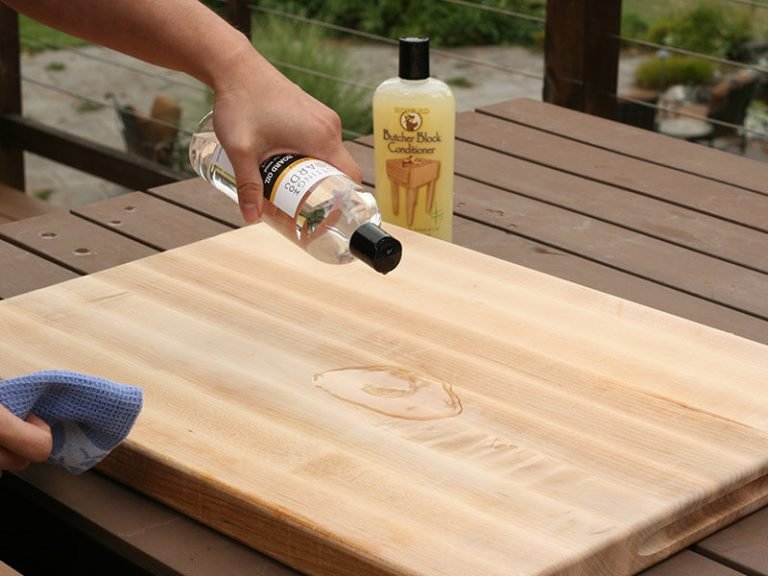
Just like our skin needs moisturizing, wooden utensils benefit from conditioning. Use food-grade mineral oil or beeswax to maintain their smooth finish. Apply a thin layer of oil, let it soak for a few hours, then wipe off any excess. This process keeps the wood hydrated and prevents cracks.
How often should you condition? Ideally, once a month or whenever the wood starts to look dry. Regular conditioning not only enhances appearance but also boosts durability. Remember, well-cared wooden utensils make cooking more enjoyable and efficient.
Have you considered how your care routine affects your cooking experience? Proper maintenance not only safeguards your utensils but also reflects your commitment to quality in the kitchen. Embrace these tips and let your wooden cooking tools serve you well through countless delicious meals.
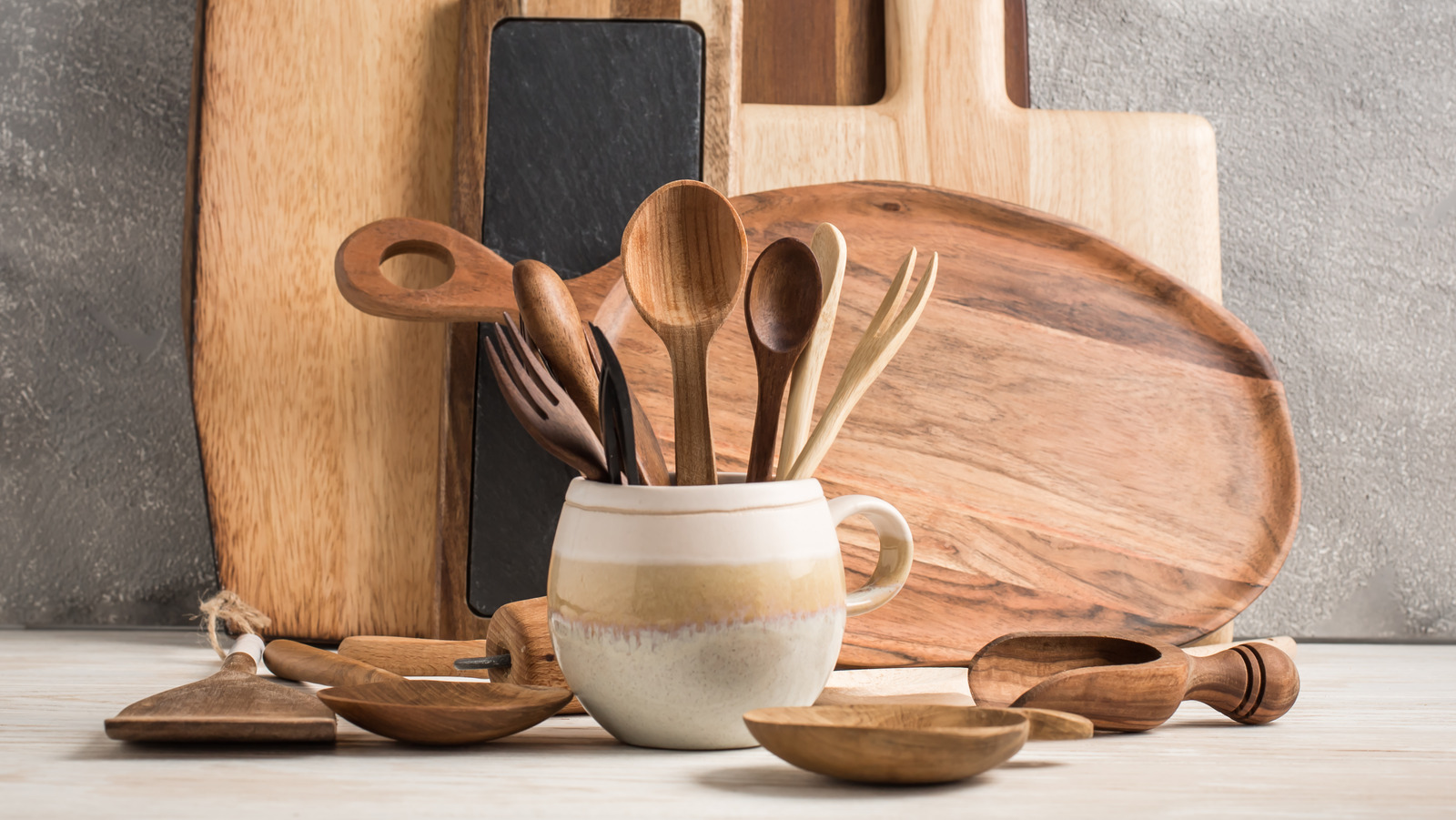
Credit: www.tastingtable.com
Frequently Asked Questions
What Is The Best Type Of Wood For Cooking Utensils?
Maple, beech, and walnut are ideal for cooking utensils. They are durable, non-toxic, and resist bacteria. These woods don’t scratch cookware and withstand frequent use. Opt for sustainably sourced wood to ensure environmental friendliness.
Is Teak Or Bamboo Better For Cooking Utensils?
Teak utensils are durable and heat-resistant, ideal for cooking. Bamboo is eco-friendly and lightweight, perfect for non-stick cookware. Both have unique benefits. Choose based on personal preference and cooking needs.
What Is The Healthiest Material For Cooking Utensils?
Stainless steel, cast iron, and silicone are the healthiest materials for cooking utensils. They are durable, non-toxic, and safe. These materials resist leaching chemicals into food, ensuring healthier cooking. Opt for BPA-free silicone and seasoned cast iron for the best results.
Choose high-quality utensils for longevity and health benefits.
Do Professional Chefs Use Wooden Utensils?
Professional chefs often use wooden utensils due to their durability and heat resistance. They are gentle on cookware and won’t scratch surfaces. Wooden utensils are also preferred for their natural feel and aesthetic appeal, making them a popular choice in many kitchens.
Conclusion
Choosing the right wood for cooking utensils is important. Consider durability and safety. Maple and cherry are popular options. They resist bacteria and are long-lasting. Bamboo is another great choice. It’s eco-friendly and lightweight. Olive wood offers a unique grain pattern.
It adds beauty to your kitchen. Avoid soft woods that can splinter easily. Proper care extends the life of your utensils. Wash by hand and dry them well. Wooden utensils provide a warm, natural touch. They are practical and safe for cooking.
Select wisely and enjoy the benefits in your kitchen.

Hi, I’m Daniel Brooks—a food lover and kitchen gear enthusiast. I enjoy testing cookware, utensils, and gadgets to see what really works in everyday cooking. At PlugChef.com, I share honest reviews, comparisons, and simple guides to help you choose the best tools for a safer, smarter, and more enjoyable kitchen.
Related posts:
 What Type of Cooking Utensils are Safe: Expert Picks
 What Innovations Could Blenders Make: Unleashing Future Tech
 Smart Strategies to Organize a Small Kitchen: Maximize Space
 How to Organize a Kitchen Cabinet: Expert Tips & Tricks
 How to Organize Kitchen Drawers: Expert Tips and Tricks
 How to Organize a Corner Kitchen Cupboard: Expert Tips