
Choosing the right wood for your cooking utensils can make all the difference in your culinary experience. Imagine effortlessly stirring your favorite soup or flipping pancakes with utensils that feel just right.
But with so many options available, you might wonder which type of wood is best for your kitchen needs. Whether you’re a seasoned chef or a home cook, the type of wood you choose can affect everything from durability to food safety.
You’ll discover the characteristics of different woods, helping you make the most informed decision. Get ready to enhance your cooking experience and ensure your kitchen tools are not only beautiful but functional. Let’s dive into the world of wooden cooking utensils and find out what suits you best!
Wood Characteristics
Choosing the right wood for cooking utensils is vital. Wood characteristics determine their usability and longevity. Each type of wood has unique traits. These traits affect how well it performs in the kitchen. Let’s explore some key characteristics that make certain woods ideal for cooking utensils.
Durability Factors
Durability is crucial for cooking utensils. Hardwoods like maple and walnut are sturdy. They withstand frequent use without cracking. Their dense grain resists wear and tear. This makes them last longer in a busy kitchen.
Non-toxic Properties
Non-toxic wood is essential for safe cooking. Some woods contain harmful chemicals. Woods like beech and cherry are safe choices. They are naturally free from toxins. They ensure food safety and peace of mind.
Heat Resistance
Heat resistance matters for cooking utensils. Olive wood and teak handle high temperatures well. They do not warp or burn easily. This makes them excellent for stirring hot dishes. Their resilience keeps them in top shape over time.
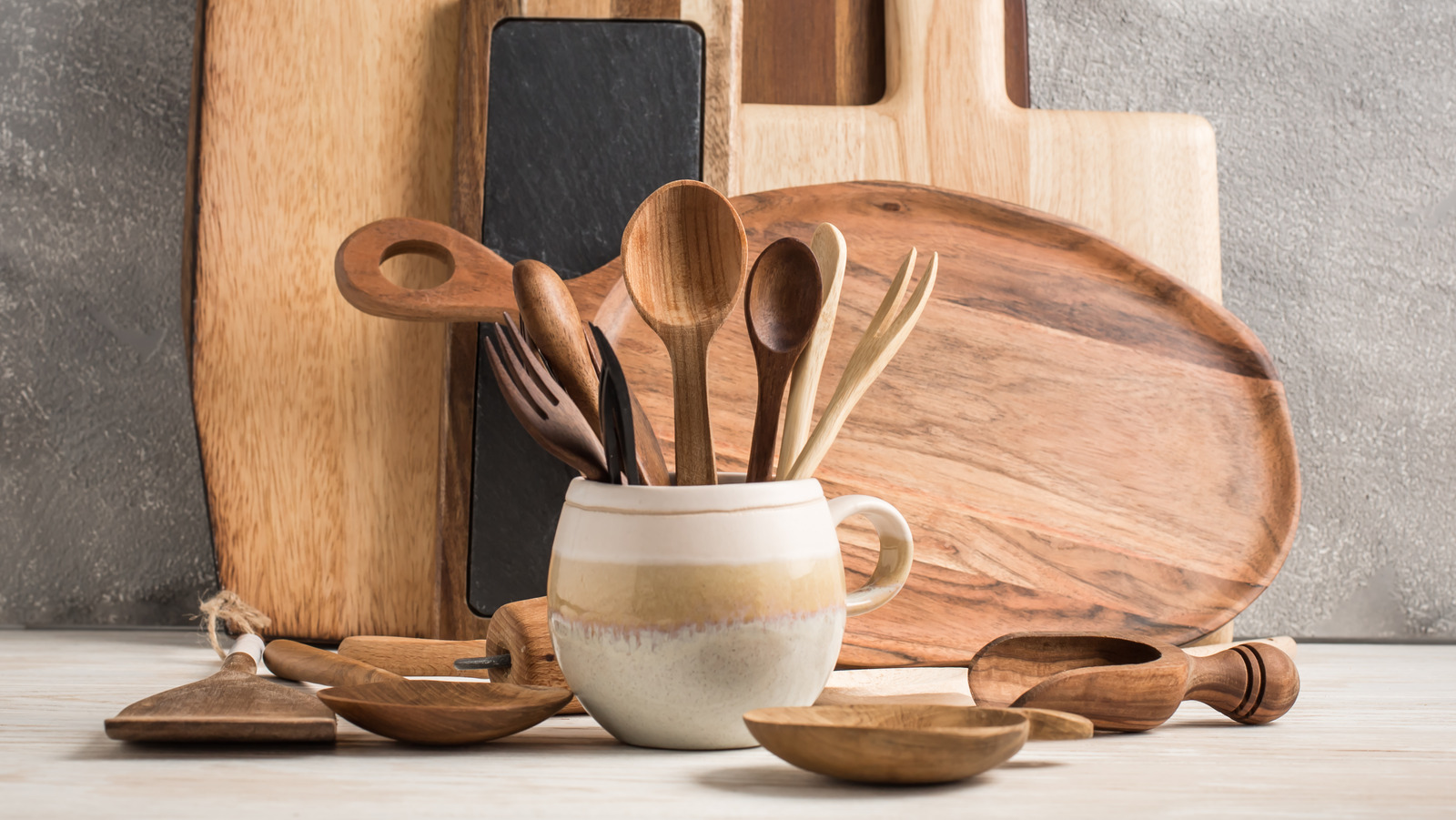
Credit: www.tastingtable.com
Maple Wood
Maple wood is ideal for cooking utensils due to its durability and smooth surface. Its resistance to moisture prevents bacterial growth, ensuring safe food preparation. Maple’s light color adds a touch of elegance to any kitchen.
Maple wood stands out in the world of cooking utensils. Its natural beauty and durability make it a preferred choice. Many kitchen enthusiasts appreciate its reliability. Maple wood is known for its excellent qualities. Let’s explore why maple wood is ideal for cooking utensils.Strength And Hardness
Maple wood is incredibly strong. It can handle regular use without wearing out. Its hardness keeps utensils from bending or breaking. This feature makes maple durable for cutting boards. Maple’s strength ensures utensils last longer.Smooth Finish
Maple wood boasts a smooth surface. This finish is perfect for cooking tools. It feels comfortable in hand. The smoothness makes it easy to clean. Maple’s finish helps avoid food sticking to utensils. Users appreciate this ease in maintenance.Safety And Hygiene
Maple wood is safe for kitchen use. It has natural antibacterial properties. This helps keep germs away. Maple is less likely to harbor bacteria. Its dense grain structure makes it hygienic. Maple wood ensures food safety in cooking.Beech Wood
Beech wood is an excellent choice for cooking utensils due to its durability and smooth texture. It resists stains and odors, making it ideal for kitchen environments. Its natural resistance to cracking ensures longevity in everyday use.
When selecting wood for cooking utensils, beech wood stands out as a versatile and reliable choice. You’ve probably seen beech wood in your kitchen without even realizing it. Its subtle charm is often overlooked, yet it plays a critical role in elevating your culinary experience. But what makes beech wood so special for your spatulas or spoons?Grain And Texture
Beech wood boasts a fine, tight grain, making it perfect for crafting utensils. This grain ensures a smooth finish, which is gentle on your cookware. Ever noticed how some wooden spoons leave scratches on non-stick pans? Beech wood’s texture helps prevent this. Its uniformity also allows for easy carving, resulting in beautifully crafted utensils.Affordability
Budget often plays a role in your kitchen decisions. Beech wood offers an attractive balance between quality and cost. It’s readily available, making it a cost-effective option for manufacturers and consumers alike. You don’t have to break the bank to enjoy durable, wooden cooking tools. Isn’t it nice when quality meets affordability?Environmental Impact
Beech trees grow abundantly in many regions, making their wood a sustainable choice. Using beech wood for utensils supports eco-friendly practices by reducing reliance on plastics. Have you considered the environmental impact of your kitchen tools? Opting for beech wood can be your simple step toward a greener kitchen. It’s not just about cooking; it’s about caring for the planet. Beech wood’s qualities make it a standout choice for cooking utensils. Next time you pick up a wooden spoon, think about its grain, cost, and the environment. Could beech wood be the perfect fit for your kitchen?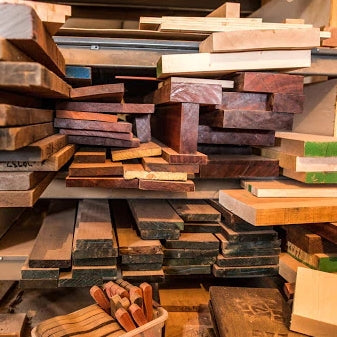
Credit: www.earlywooddesigns.com
Olive Wood
Olive wood is a popular choice for cooking utensils. Its unique characteristics make it stand out. This wood has been used for centuries in kitchens. It’s not just about durability. Olive wood also brings aesthetic and practical benefits.
Aesthetic Appeal
Olive wood has a distinct and beautiful grain. The swirling patterns are eye-catching. These patterns vary from piece to piece. Each utensil is unique and visually appealing. The warm tones add elegance to any kitchen. Olive wood utensils can complement any kitchen decor.
Natural Oils
Olive wood contains natural oils. These oils help in resisting stains and odors. They make the utensils more hygienic. The natural oils also give the wood a smooth finish. This makes it pleasant to hold and use. Olive wood’s natural properties enhance its functionality.
Maintenance Tips
Hand wash olive wood utensils with mild soap. Avoid soaking them in water. Dry them immediately after washing. Apply food-grade mineral oil occasionally. This keeps the wood from drying out. Store them in a dry place away from direct sunlight.
Bamboo
Bamboo has gained popularity in the culinary world. Its unique properties make it ideal for cooking utensils. Bamboo is strong and resistant to moisture. This makes it a preferred choice among chefs and home cooks.
Sustainability
Bamboo is a sustainable material. It grows quickly and does not need pesticides. Harvesting bamboo does not harm the plant. This makes it an eco-friendly option for utensils. Choosing bamboo helps reduce the environmental impact.
Lightweight Advantages
Bamboo utensils are lightweight. This feature makes cooking more comfortable. Handling bamboo is easy even for long periods. Lightweight utensils reduce wrist strain. Many people prefer bamboo for its ease of use.
Versatility In Use
Bamboo is versatile in the kitchen. It can be used for spoons, spatulas, and tongs. Bamboo handles heat well. It doesn’t warp or crack easily. This makes it suitable for various cooking tasks. Bamboo’s versatility is unmatched.

Credit: www.earlywooddesigns.com
Teak Wood
Teak wood stands out for cooking utensils due to its durability and resistance to moisture. Its natural oils provide a smooth finish, making it ideal for daily kitchen use.
Teak wood is a popular choice for cooking utensils due to its durability and natural beauty. It’s not just about aesthetics, though; teak offers several practical benefits that make it ideal for use in the kitchen. If you’ve ever admired a beautifully crafted wooden spoon, there’s a good chance it was made from teak. Let’s dive into why teak wood might be the perfect choice for your cooking tools.Water Resistance
Teak wood is renowned for its exceptional water resistance. This quality is particularly important for cooking utensils, which frequently come into contact with water and moisture. The natural oils in teak wood help it repel water, reducing the risk of warping or cracking over time. Have you ever noticed how some wooden spoons tend to swell or split after a few washes? With teak, this is far less likely to happen. This resistance makes teak utensils reliable and long-lasting kitchen companions.Longevity
Teak is known for its long lifespan, a key reason why it’s favored in crafting durable kitchen tools. The dense grain and robust nature of teak mean your utensils can withstand daily wear and tear. Imagine having a favorite wooden spatula that stays in top condition for years. That’s the kind of longevity teak promises. This longevity not only offers value for money but also ensures that you have trusted tools at your disposal whenever you cook.Cost Considerations
While teak utensils may be more expensive initially, their durability and longevity offer excellent value over time. Think about the cost of frequently replacing cheaper, lower-quality wooden utensils that quickly degrade. Investing in teak may seem pricey upfront, but its long-lasting nature can save you money in the long run. Plus, the satisfaction of using high-quality tools can make cooking more enjoyable. Are you willing to invest a bit more now for tools that serve you well for years?Care And Maintenance
Choosing the right wood for cooking utensils is essential. Hardwood varieties like maple, beech, and cherry are ideal. They offer durability and resist moisture, ensuring longer-lasting tools.
When you invest in high-quality wooden cooking utensils, taking care of them ensures they last a lifetime while maintaining their natural beauty and functionality. Proper care involves regular cleaning, oil treatments, and mindful storage. Each step not only helps in extending the life of your utensils but also enhances your cooking experience. Let’s dive into how you can keep your wooden utensils in top shape.Cleaning Techniques
After each use, wash your wooden utensils by hand with warm, soapy water. Avoid soaking them, as prolonged exposure to water can cause the wood to warp or crack. A quick rinse and immediate drying with a clean towel will keep your utensils looking great. If you notice any lingering odors or stains, sprinkle a bit of baking soda on the utensil and scrub gently. Rinse thoroughly and dry immediately. This simple trick can work wonders in maintaining the fresh scent and appearance of your wooden utensils.Oil Treatment
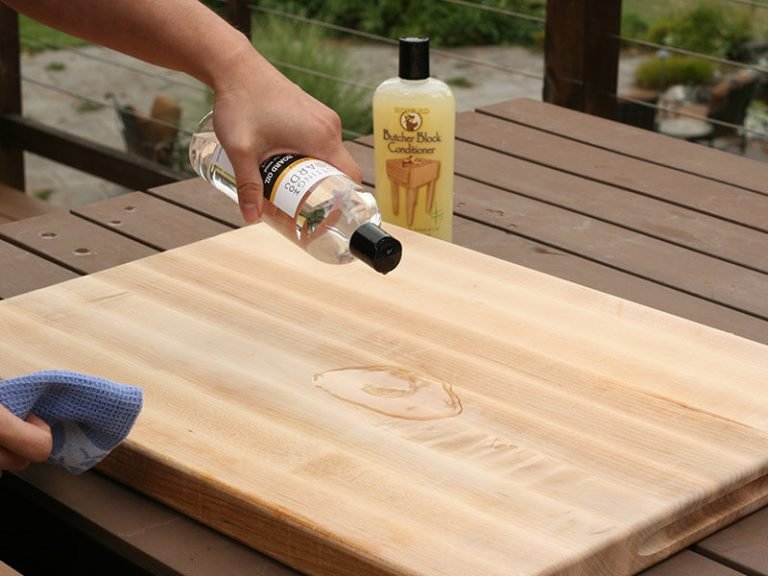
Regular oil treatments are crucial to prevent your utensils from drying out and cracking. Use food-safe oils like mineral oil or coconut oil. Apply a small amount of oil to a cloth and rub it into the wood, focusing on any dry areas. You might wonder how often you should oil your utensils. Generally, once a month is a good rule of thumb, but if you notice the wood looking dry, go ahead and treat it. Think of oiling as a way to nourish your utensils, much like you would your skin.Storage Tips
Store your wooden utensils in a dry, well-ventilated area. Avoid placing them in airtight containers or drawers where moisture can become trapped. A utensil holder on the countertop can provide both convenience and proper airflow. Consider how you arrange your utensils. Avoid stacking heavy items on top of them, which can cause warping. Instead, give each piece its own space to breathe and maintain its shape. By following these care and maintenance tips, you’ll not only preserve the longevity and beauty of your wooden utensils but also enhance their performance in your daily cooking adventures. How do you currently care for your wooden utensils, and could these tips make a difference in your routine?Frequently Asked Questions
What Is The Healthiest Wood For Cooking Utensils?
Olive wood is the healthiest choice for cooking utensils. It is durable, non-porous, and resists bacteria. The wood’s natural oils make it resistant to moisture and odors, ensuring safe and hygienic cooking. Olive wood is also eco-friendly, adding to its appeal for health-conscious cooks.
What Is The Best Type Of Wood For A Cooking Utensil?
Hardwoods like maple, beech, and cherry are ideal for cooking utensils. They are durable, non-reactive, and resist moisture. These woods do not scratch cookware and are safe for food preparation. Opt for smooth finishes to avoid splinters. Their natural grain also adds aesthetic appeal to your kitchen.
Is Teak Or Bamboo Better For Cooking Utensils?
Teak is more durable and resistant to moisture, making it ideal for cooking utensils. Bamboo is lightweight and eco-friendly but less durable. Choose teak for longevity and bamboo for sustainability. Both materials are safe for use with non-stick cookware. Select based on your preference and cooking needs.
What Is The Healthiest Material For Cooking Utensils?
Stainless steel, cast iron, and bamboo are considered the healthiest materials for cooking utensils. They are non-toxic, durable, and do not leach harmful chemicals. Opt for these materials to ensure safe and healthy cooking.
Conclusion
Choosing the right wood for cooking utensils matters. Durability is key. Maple and cherry are great choices. They resist stains and scratches. Bamboo is eco-friendly and strong. Olive wood offers unique grain patterns. Each type has its benefits. Consider personal preferences and needs.
Quality wood ensures long-lasting utensils. It enhances your cooking experience. Remember to care for them properly. Proper care maintains their beauty and function. Enjoy cooking with your chosen wood utensils. They bring charm and practicality to your kitchen.

Hi, I’m Daniel Brooks—a food lover and kitchen gear enthusiast. I enjoy testing cookware, utensils, and gadgets to see what really works in everyday cooking. At PlugChef.com, I share honest reviews, comparisons, and simple guides to help you choose the best tools for a safer, smarter, and more enjoyable kitchen.
Related posts:
 What Type of Cooking Utensils are Safe: Expert Picks
 What Innovations Could Blenders Make: Unleashing Future Tech
 Smart Strategies to Organize a Small Kitchen: Maximize Space
 How to Organize a Kitchen Cabinet: Expert Tips & Tricks
 How to Organize Kitchen Drawers: Expert Tips and Tricks
 How to Organize a Corner Kitchen Cupboard: Expert Tips