
Imagine gliding effortlessly through your kitchen, each task flowing smoothly thanks to the perfect cooking utensils. If you’ve chosen stainless steel cookware, you’re already on the right path to culinary excellence.
But are you using the best tools to match your gleaming pans and pots? The right utensils can elevate your cooking experience from ordinary to extraordinary, making every meal preparation an enjoyable adventure. You’re here because you know that stainless steel deserves the best.
You want your investment to shine and perform beyond expectations. But with countless options on the market, it’s easy to feel overwhelmed. Fear not! This article is your guide to discovering which cooking utensils will complement your stainless steel cookware perfectly. In the next few paragraphs, you’ll find out how the right utensils can protect your cookware, enhance your cooking, and even improve your health. So, stay with us and unlock the secrets to choosing the best tools for your stainless steel kitchen companions. Your culinary future awaits!
Benefits Of Stainless Steel Cookware
Stainless steel cookware works best with wooden or silicone utensils. These tools prevent scratches and maintain durability. Easy to clean and maintain. Ideal for various cooking tasks. Perfect for those who value longevity and quality in their kitchenware.
Stainless steel cookware has become a staple in many kitchens, and for good reason. Its durability, aesthetic appeal, and versatility make it a favorite among both amateur cooks and professional chefs. But what truly sets stainless steel apart? Let’s explore the benefits that make it such a valuable addition to your kitchen.Durability And Longevity
Stainless steel cookware is built to last. Unlike non-stick pans that can wear out over time, stainless steel maintains its integrity even with frequent use. You can count on it to withstand the rigors of daily cooking without chipping or warping.Non-reactive Nature
Cooking acidic foods like tomatoes or vinegar-based dishes can be tricky with certain materials. Stainless steel, however, is non-reactive, ensuring your food retains its intended flavor. This makes it perfect for all types of cooking without worrying about unwanted chemical reactions.Even Heat Distribution
One of the standout qualities of stainless steel is its ability to distribute heat evenly. This ensures that your food cooks consistently, avoiding hot spots that can burn or undercook meals. Whether you’re searing a steak or simmering a sauce, you get a reliable cooking experience every time.Easy Maintenance
Cleaning up after cooking can be a chore, but stainless steel makes it simpler. It’s dishwasher safe and doesn’t require special cleaning products to maintain its shine. A quick scrub with soap and water is often all you need.Resistant To Stains And Corrosion
Unlike other materials that can stain or corrode over time, stainless steel remains pristine. This resistance to stains and rust means your cookware will continue to look good as new, even after years of use. You can confidently serve meals knowing your cookware maintains its aesthetic appeal.Environmentally Friendly
If sustainability is important to you, stainless steel is a great choice. It’s recyclable, meaning at the end of its long life, it can be repurposed rather than ending up in a landfill. Choosing stainless steel is not only a smart investment for your kitchen but also a nod to environmental consciousness. Have you noticed how your stainless steel pans effortlessly transition from stovetop to oven? This versatility is hard to beat. Are you ready to experience these benefits in your own kitchen?
Credit: americankitchen.com
Choosing The Right Utensils
Choosing the right utensils for stainless steel cookware enhances your cooking. Stainless steel is durable but prone to scratches if used improperly. The right utensils ensure your cookware lasts longer.
Avoiding Scratches
Metal utensils can scratch stainless steel surfaces. Opt for silicone or wood. These materials are gentler. They prevent damage. Avoid sharp-edged tools. Keeping your cookware scratch-free preserves its shine. Regular checks help spot damage early.
Heat Resistance
Heat resistance is crucial. High temperatures can warp utensils. Choose heat-resistant materials like silicone or stainless steel. They withstand hot cooking conditions. Plastic melts easily. Avoid it for high-heat cooking. Ensure your utensils can handle oven temperatures.
Durability Factors
Durability affects utensil longevity. Stainless steel is strong. It’s less likely to break. Wood is durable but needs care. Silicone can last long with proper use. Check for quality before buying. Invest in high-quality utensils for durability.
Wooden Utensils
Wooden utensils gently interact with stainless steel surfaces, preventing scratches and preserving their polished look. Their natural material resists heat, making them perfect for stirring and serving hot dishes. Lightweight and durable, wooden utensils offer comfort and reliability in everyday cooking tasks.
Choosing the right cooking utensils for your stainless steel cookware can significantly impact your cooking experience. Wooden utensils have been a staple in kitchens worldwide for their natural appeal and functional benefits. Their gentle touch prevents scratches on your shiny pots and pans, making them a favorite among home cooks and professional chefs alike. But what makes wooden utensils such an excellent choice for stainless steel cookware?Pros And Cons
Wooden utensils have their advantages and drawbacks. On the plus side, they are gentle on stainless steel surfaces, preventing unsightly scratches. They’re also heat-resistant, so you won’t burn your hand, and they won’t melt even when left in hot pots. However, wooden utensils do have some cons. They can absorb flavors and odors, which might affect the taste of your dishes. Also, they’re not dishwasher safe, requiring more attention during cleaning. Are these trade-offs worth it for you?Maintenance Tips
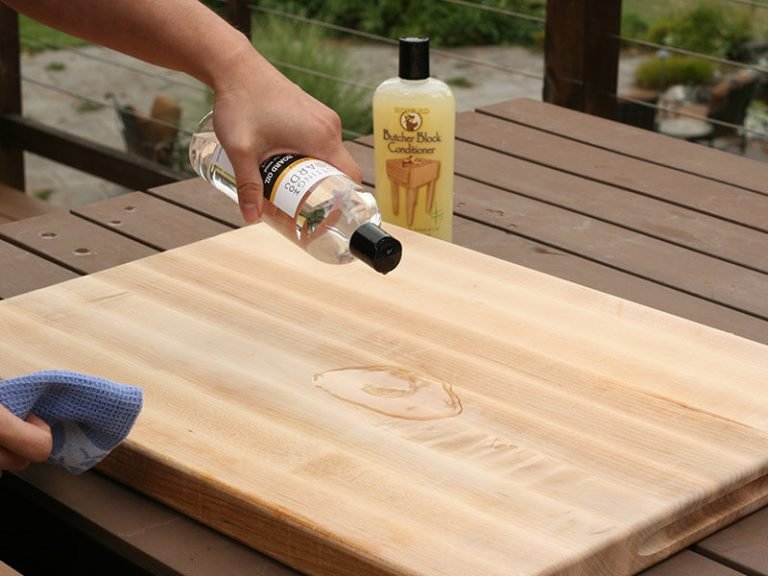
Proper care can extend the life of your wooden utensils. Always wash them by hand with mild soap and warm water. Avoid soaking them for too long as this can cause the wood to warp or crack. To keep them in top shape, occasionally rub them with mineral oil. This will prevent the wood from drying out and cracking. Do you regularly maintain your wooden utensils, or is this a new practice for you? Wooden utensils can transform how you cook with stainless steel. They help maintain the integrity of your cookware while adding a touch of rustic charm to your kitchen. Whether you’re sautéing vegetables or stirring a simmering sauce, consider reaching for a wooden spoon next time. Do you think wooden utensils could be the missing piece in your culinary toolkit?
Credit: stahlkitchens.com
Silicone Utensils
Silicone utensils are gentle on stainless steel cookware, preventing scratches and damage. Their heat-resistant nature makes them ideal for various cooking tasks. Easy to clean, they maintain hygiene and durability in the kitchen.
Silicone utensils have become a popular choice for those who love cooking with stainless steel cookware. Their unique properties make them an ideal companion in the kitchen. If you’ve ever worried about scratching your stainless steel pans, silicone might just be the answer you’re looking for.Heat Tolerance
Silicone utensils are well-known for their impressive heat resistance. Most can withstand temperatures up to 600°F without melting or warping. This means you can stir that simmering pot of stew or flip pancakes on a hot griddle without worry. Imagine being halfway through cooking a delicious meal and suddenly realizing your spatula is melting. Silicone takes that concern away, giving you peace of mind. Can you remember the last time you avoided using a tool because of fear it might get damaged by heat?Flexible Design
The flexible nature of silicone utensils offers a distinct advantage over traditional materials. Their soft, pliable edges allow you to scrape every last bit of sauce or batter from your bowl. This not only reduces waste but also makes cleaning up a breeze. Have you ever been frustrated trying to get that last bit of pancake batter out of the bowl? Silicone spatulas bend and curve perfectly to get into every nook and cranny. This flexibility also means they’re gentle on your stainless steel surfaces, preserving the beautiful finish of your cookware. Silicone utensils can transform your cooking experience. They offer heat resilience and a design that adapts to your needs. So next time you’re in the kitchen, consider reaching for a silicone tool. Your stainless steel pans will thank you.Nylon Utensils
When it comes to pairing cooking utensils with your stainless steel cookware, nylon utensils stand out as a versatile choice. Whether you’re a seasoned chef or a home cook, nylon utensils offer several advantages that enhance your cooking experience. Let’s dive into why nylon might be the perfect match for your stainless steel pots and pans.
Affordability And Function
Nylon utensils are often more budget-friendly than their metal counterparts. They provide excellent value without compromising on quality. The flexibility of nylon means you can effortlessly stir, flip, and serve with ease.
Think about your favorite omelet. Nylon spatulas glide under it, ensuring a perfect flip without scratching your stainless steel pan. These tools serve multiple purposes without breaking the bank.
Cleaning Ease
Cleaning nylon utensils is a breeze. Most are dishwasher safe, saving you time and effort. Even if you prefer hand-washing, nylon tends to release food particles easily.
Consider your busy weekday mornings. A quick rinse is often enough to keep them clean, allowing more time for sipping your coffee. This convenience makes nylon a practical choice for everyday cooking.
Have you ever struggled with utensils that scratch or damage your cookware? Nylon utensils are gentle on stainless steel surfaces, helping maintain their shine. Next time you’re in the kitchen, consider reaching for a nylon tool. It could make all the difference in preserving your cookware while enhancing your culinary skills.
:max_bytes(150000):strip_icc()/faw-cooking-utensils-sets-test-gir-10-piece-best-sellers-michael-navarro-06_crop-1-c5aef223162b41619a7fda5c8640504b.jpeg)
Credit: www.foodandwine.com
Metal Utensils
Selecting utensils for stainless steel pans is crucial. Wooden or silicone utensils work best. They prevent scratches, maintaining the pan’s smooth surface. Durable and gentle, these materials ensure your cookware lasts longer.
Cooking with stainless steel has its perks, but the choice of utensils can make a big difference in your culinary experience. Many people wonder if metal utensils are suitable for stainless steel cookware. The answer isn’t as straightforward as a yes or no. While metal utensils can be used, there are specific scenarios and precautions to consider. Let’s dive into when and how to use metal utensils with your stainless steel pots and pans.When To Use
Metal utensils are perfect for certain cooking techniques. If you’re searing meat or sautéing vegetables, the durability of metal can handle the high heat and occasional scraping. I once tried a wooden spoon to scrape up browned bits from a steak, and it just didn’t work as well as a metal spatula. Stainless steel’s tough surface can withstand these tools, making it a preferred choice for professional chefs. Do you prefer the satisfying clink of metal on metal, or are you worried about potential scratches?Precautionary Measures
Despite their robustness, stainless steel surfaces can still scratch if not handled carefully. Always use smooth-edged metal utensils instead of those with sharp edges or serrated designs. Avoid aggressive scraping or digging, as this can cause minor surface abrasions. I learned this the hard way when I enthusiastically tried to break up caramelized sugar. It left a mark, but taught me to be gentler with my pans. Consider using utensils with silicone-coated handles for better grip and control. This prevents accidental slips that could lead to unwanted scratches. Stainless steel may be tough, but it’s not invincible. Are you taking the necessary steps to ensure the longevity of your cookware? Use metal utensils wisely to get the best out of your stainless steel cookware. With the right approach, you can enjoy the benefits without compromising the quality of your pots and pans. What’s your favorite stainless steel cooking tip?Top Picks For Stainless Steel Cookware
Stainless steel cookware shines with utensils made from wood, silicone, or nylon. These materials prevent scratches and maintain the cookware’s sleek surface. They also ensure longevity and ease of cleaning, making them perfect companions in any kitchen.
Are you looking to make the most of your stainless steel cookware? Choosing the right utensils can enhance your cooking experience and extend the life of your pans. Certain materials work better than others, ensuring that your cookware stays in top shape without scratches or damage. Let’s dive into the top picks for stainless steel cookware to make your culinary adventures both efficient and enjoyable.Best Wooden Options
Wooden utensils are a classic choice for stainless steel cookware. They are gentle on the surface, reducing the risk of scratches. A well-crafted wooden spoon can stir, sauté, and serve without leaving a mark. Consider investing in a set that includes a variety of sizes and shapes. This ensures you have the right tool for every task. A personal favorite of mine is a solid maple spatula, which has served me well for years.Top Silicone Choices
Silicone utensils are another excellent option. They are heat-resistant and flexible, making them perfect for non-stick surfaces like stainless steel. Silicone spatulas are great for scraping every last bit of sauce from your pan. Look for utensils that are BPA-free and dishwasher safe. These features make your cooking and cleaning processes much more convenient. Have you ever tried flipping pancakes with a silicone spatula? It’s a game-changer.Recommended Nylon Tools
Nylon tools offer a good balance between durability and flexibility. They are sturdy enough to handle heavy foods yet gentle on your cookware. Nylon tongs, for example, are perfect for flipping meat or vegetables without scratching your pans. Ensure your nylon utensils are heat-resistant to avoid melting. Are you tired of replacing melted spatulas? Opting for a heat-resistant nylon set can save you the hassle. Choosing the right utensils can transform your cooking routine. With these top picks, you’ll not only protect your stainless steel cookware but also enhance your kitchen efficiency. Which utensils do you plan to try first?Caring For Your Utensils
Caring for your cooking utensils ensures they stay in excellent condition. This makes them last longer and perform better. Stainless steel utensils are popular due to their durability and sleek design. Proper care is essential to maintain their shine and functionality.
Cleaning Techniques
Regular cleaning keeps your stainless steel utensils spotless. Use warm water and mild soap for daily cleaning. Avoid abrasive cleaners that can scratch the surface. A soft cloth or sponge works best for gentle scrubbing. For stubborn stains, mix baking soda with water. This paste removes marks without damaging your utensils.
Proper Storage
Proper storage prevents scratches and dents. Store utensils in a dry, airy place. Avoid stacking them tightly. Use drawer liners or cloths to separate each piece. This minimizes direct contact and reduces wear. Hanging racks are great for organizing and displaying. They keep utensils within reach and maintain their condition.
Frequently Asked Questions
What Cooking Utensils Are Safe For Stainless Steel?
Use wooden, silicone, or nylon utensils for stainless steel cookware. These materials prevent scratches and maintain durability. Avoid metal utensils to preserve the cookware’s finish. Properly choosing utensils ensures your stainless steel pots and pans last longer and remain in good condition.
What Not To Use On Stainless Steel Cookware?
Avoid using abrasive cleaners on stainless steel cookware. Steer clear of steel wool or harsh scouring pads. Refrain from using bleach or ammonia-based products. These can scratch or damage the surface, reducing its lifespan. Use gentle dish soap and a soft sponge for cleaning instead.
What Type Of Utensils Should I Use On Stainless Steel Pans?
Use wooden, silicone, or nylon utensils on stainless steel pans. Avoid metal utensils to prevent scratches. These materials maintain the pan’s surface and extend its lifespan. They are heat-resistant and gentle, ensuring safe and efficient cooking. Proper utensil choice helps preserve the pan’s non-stick properties.
What Is The Healthiest Material For Cooking Utensils?
Stainless steel is the healthiest material for cooking utensils. It is non-reactive and durable, maintaining food safety. Stainless steel resists corrosion and does not leach chemicals, ensuring healthy cooking. It’s easy to clean and ideal for various cooking methods. Opt for high-quality stainless steel for best results.
Conclusion
Choosing the right utensils for stainless steel is crucial. Wooden and silicone tools work best. They prevent scratches and preserve your cookware. Stainless steel utensils are also a good choice. They match the durability of your pots and pans. Avoid using sharp metal tools.
They can damage the surface and impact performance. Proper care extends the life of your kitchenware. Always clean utensils after use. This ensures hygiene and longevity. Invest in quality tools for a better cooking experience. Happy cooking!

Hi, I’m Daniel Brooks—a food lover and kitchen gear enthusiast. I enjoy testing cookware, utensils, and gadgets to see what really works in everyday cooking. At PlugChef.com, I share honest reviews, comparisons, and simple guides to help you choose the best tools for a safer, smarter, and more enjoyable kitchen.
Related posts:
 What Type of Cooking Utensils are Safe: Expert Picks
 What Innovations Could Blenders Make: Unleashing Future Tech
 Smart Strategies to Organize a Small Kitchen: Maximize Space
 How to Organize a Kitchen Cabinet: Expert Tips & Tricks
 How to Organize Kitchen Drawers: Expert Tips and Tricks
 How to Organize a Corner Kitchen Cupboard: Expert Tips