

Are you ever puzzled by the seemingly endless options when it comes to choosing the right beverage container for your food business? You’re not alone.
Understanding what type of beverage container is best suited for your needs can be daunting, yet it’s crucial for ensuring customer satisfaction and maintaining food safety standards. Imagine the peace of mind you’ll feel knowing you’ve chosen the perfect container that not only preserves the quality of your beverages but also enhances your brand image.
We’ll guide you through the essentials, so you can make informed decisions that boost your business and keep your customers coming back for more. Stay with us, because what you learn here could transform the way you think about beverage containers.
Credit: oilandvinegarusa.com
Importance Of Beverage Containers
Beverage containers hold a key role in food safety and quality. These containers protect drinks from contamination and preserve their taste. Choosing the right container is crucial for maintaining beverage freshness. It impacts how consumers perceive the brand and product.
Containers are also essential for efficient transportation. They must withstand various conditions during transit. Proper packaging prevents spills and damage. This ensures beverages reach customers in perfect condition.
Packaging Material
The material of a beverage container affects its performance. Glass offers excellent protection but is heavier. Plastic is lightweight and versatile. Metal keeps drinks cold but can alter taste.
Environmental Impact
Container choice affects the environment. Recyclable materials reduce waste. Biodegradable options lessen landfill impact. Sustainable containers help brands meet eco-friendly goals.
Consumer Convenience
Easy-to-use containers enhance customer satisfaction. Resealable options offer flexibility. Lightweight designs improve portability. User-friendly features increase product appeal.
Branding Opportunities
Containers serve as marketing tools. Unique designs catch the eye. Labels communicate brand messages. Custom shapes create memorable impressions.
Choosing the right container affects costs. Bulk buying reduces expenses. Durable materials decrease replacements. Efficient designs lower shipping fees.
Materials For Beverage Containers
Beverage containers are essential in the food industry. They preserve freshness and ensure safe transport. Different materials offer unique benefits for these containers. Choosing the right material affects sustainability, cost, and consumer satisfaction. Let’s explore the popular materials used for beverage containers.
Glass
Glass containers are traditional and timeless. They provide excellent protection against external elements. Glass is non-reactive, keeping beverages pure. It’s also recyclable, supporting environmental efforts. Many prefer glass for its elegant look and feel.
Plastic
Plastic is versatile and lightweight. It offers flexibility in design and size. Plastic containers are durable and shatter-resistant. They are economical, making them popular for mass production. While not always eco-friendly, some types are recyclable.
Aluminum
Aluminum is strong and lightweight. It offers high resistance to corrosion. Aluminum containers keep beverages cool longer. They’re easy to transport and store. These containers are fully recyclable, aiding sustainability.
Paper And Cardboard
Paper and cardboard containers are eco-friendly. They are biodegradable and recyclable. These materials are perfect for temporary use. They offer easy customization for branding. Consumers appreciate their sustainability and ease of disposal.
Safety And Hygiene Standards
Beverage containers must meet safety and hygiene standards. These standards ensure the drink is safe to consume. They prevent contamination and maintain the beverage’s quality. Understanding these standards is crucial for choosing the right container. Below are the key considerations for safety and hygiene.
Food-grade Materials
Containers must be made of food-grade materials. These materials are safe for storing beverages. They do not release harmful chemicals into the drink. Look for containers labeled as BPA-free or certified by health organizations. This guarantees safety for consumption.
Sealing And Leak Prevention
Proper sealing prevents leaks. This keeps the beverage fresh and prevents spills. Good sealing also protects the drink from outside contaminants. Choose containers with secure lids or caps. This ensures the beverage stays safe and pure.
Temperature Resistance
Containers should resist temperature changes. This is important for hot and cold drinks. If a container fails, it can alter the beverage’s taste or quality. Select containers designed for specific temperatures. This maintains the drink’s intended flavor and safety.
Environmental Considerations
Choosing the right type of beverage container for your food business is more than just a practical decision; it’s an environmental responsibility. With growing concerns about climate change and pollution, consumers are increasingly conscious of the impact their choices have on the planet. As a business owner, aligning your container choices with environmental considerations can not only enhance your brand image but also contribute to a healthier planet.
Recyclability
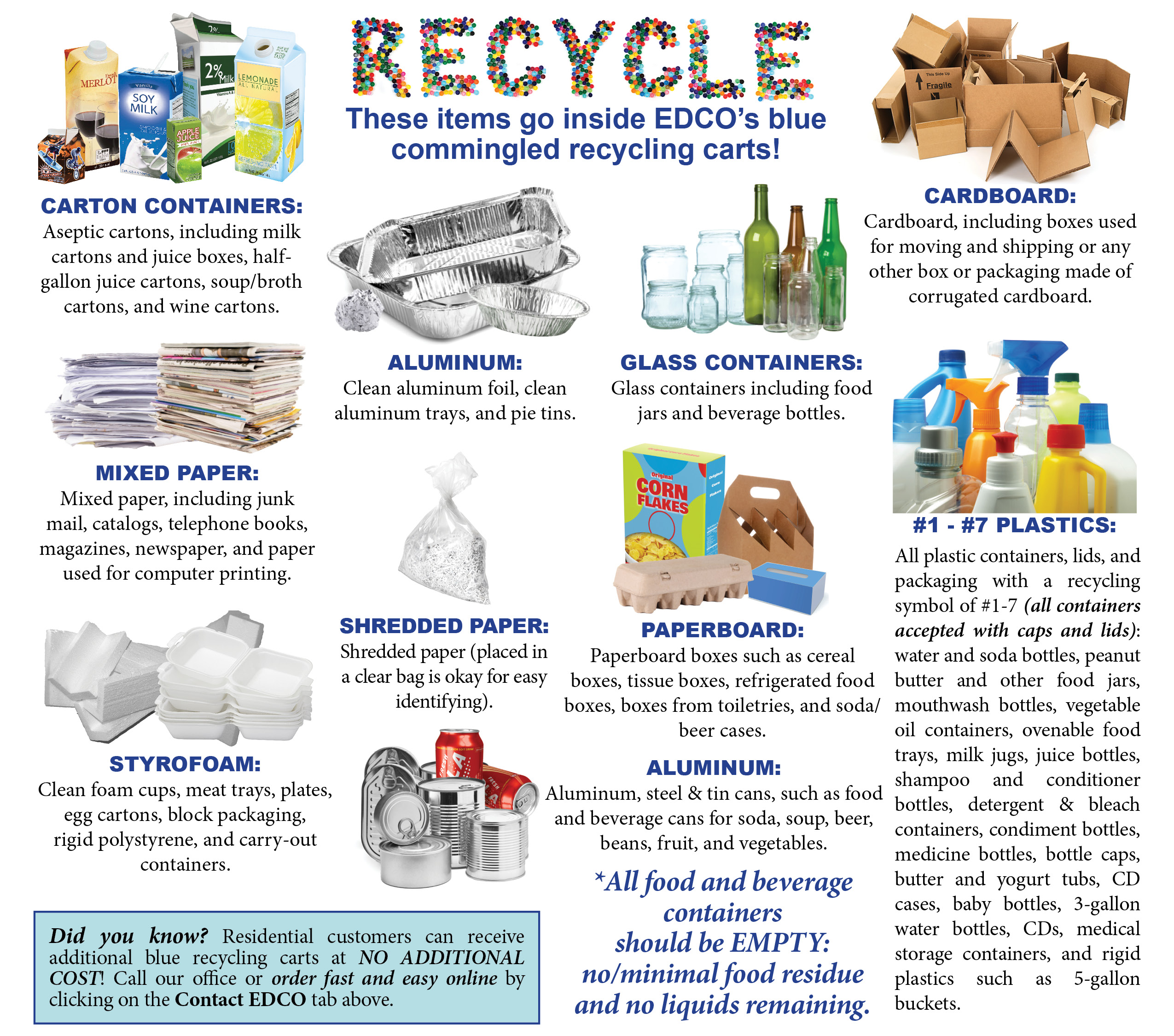
Recyclability is a key factor when selecting beverage containers. Opting for materials like glass, aluminum, or certain plastics can make a significant difference. These materials are widely accepted in recycling programs, making it easier for consumers to dispose of them responsibly. Have you ever noticed how satisfying it feels to toss a bottle into the recycling bin? It’s a small but impactful action that your customers will appreciate.
Check with local recycling facilities to understand which materials are preferred. This ensures that your containers are truly recyclable and not just labeled as such. Choosing recyclable options not only reduces waste but also cuts down on the resources needed to produce new materials.
Biodegradable Options
Biodegradable containers offer an exciting alternative. These materials break down naturally, reducing the long-term impact on landfills. Consider using containers made from plant-based materials like cornstarch or bamboo. These options decompose faster, minimizing environmental harm.
Imagine the relief your customers feel knowing they’re contributing to a cleaner planet simply by enjoying their favorite drink. Biodegradable options can be a game-changer, especially in regions where recycling facilities are limited.
Sustainability Practices
Integrating sustainability practices into your container selection goes beyond material choice. It’s about promoting a circular economy where products are reused and repurposed. Encourage customers to return or reuse containers with incentives like discounts or loyalty points.
Consider partnering with local recycling or composting programs. This not only boosts your environmental credentials but also strengthens community ties. How often have you chosen a business because it aligns with your values? Creating these connections can foster loyalty and drive business growth.
As you evaluate your options, ask yourself: Are you making choices that reflect your commitment to the environment? Each decision impacts not just your business, but the world we live in.
Regulatory Compliance
Understanding regulatory compliance for beverage containers is crucial for anyone in the food industry. Navigating this maze can be daunting, but it’s essential for ensuring your products meet safety and legal standards. You might have a great product, but if your container doesn’t comply, you could face fines or worse. Let’s dive into what you need to know about local regulations, international standards, and labeling requirements.
Local Regulations
Local regulations can vary greatly depending on where you are. Each region may have specific guidelines on the materials used for beverage containers. Your local health department might require specific testing procedures to ensure safety. Have you checked with your local authorities to see what your obligations are?
Sometimes, local regulations are stricter than national ones. This could impact your choice of container material and design. It’s worth considering how these local rules might affect your costs and production timelines.
International Standards
If you plan to sell your beverage internationally, understanding international standards is non-negotiable. Different countries have different expectations regarding packaging safety and environmental impact. The European Union, for instance, has rigorous requirements for recyclability and biodegradability.
International standards often focus on sustainability and consumer safety. A friend of mine once faced delays because his containers didn’t meet EU recycling standards. Are your containers ready for a global market?
Labeling Requirements
Labeling is another critical aspect of regulatory compliance. Labels must clearly display nutritional information, allergens, and country of origin. In some regions, labels must be in multiple languages. Have you ensured your labels meet these specifications?
Improper labeling can lead to product recalls and loss of consumer trust. Think about how a clear label can make your product stand out on crowded shelves. What does your label say about your brand?
Ensuring regulatory compliance is not just about avoiding penalties. It’s about building trust and ensuring your product is safe for consumers. Are you ready to take on this challenge?
Credit: city-of-el-cajon.edcodisposal.com
Consumer Preferences
Choosing the right beverage container is crucial for consumer satisfaction. People prefer containers that are portable and easy to open. Eco-friendly options are also gaining popularity due to environmental concerns.
Understanding consumer preferences is crucial when selecting the ideal beverage container for your product. The right choice can significantly impact consumer satisfaction and loyalty. Different factors like convenience, appearance, and sustainability shape these preferences.Convenience And Portability
Consumers love convenience. Think about a time when you were rushing out the door, grabbed a drink, and appreciated how easy it was to carry with you. Beverage containers that are lightweight and easy to hold cater to this need. Consider incorporating features such as spill-proof lids or easy-grip designs. These small details can make a significant difference. Does your container fit comfortably in car cup holders or backpack pockets? If not, it might be time to rethink your design.Aesthetic Appeal
A container’s look can be just as important as its function. Picture yourself browsing a store shelf—chances are, you’ll reach for a container that looks appealing. Sleek designs and vibrant colors can attract attention and set your product apart. Branding plays a crucial role here. Ensure your logo and design elements are prominently displayed. Consumers often associate a product’s appearance with its quality, so invest in a design that reflects your brand’s values.Reusability
Sustainability isn’t just a trend; it’s a necessity. More consumers are looking for products that align with their environmental values. Offering reusable containers can set your brand apart and appeal to eco-conscious buyers. Think about how your product can be reused. Can it be repurposed as a storage container? Is it dishwasher safe for easy cleaning? By offering practical reusability, you not only benefit the environment but also create added value for your customers. Choosing the right beverage container involves understanding and catering to what consumers truly want. Convenience, appearance, and sustainability all play a role in their decision-making process. Consider how your product can adapt to these preferences and meet the evolving needs of your audience. What changes can you make today to enhance your product’s appeal?Cost Considerations
Choosing the right beverage container involves weighing cost considerations. Every decision impacts the bottom line. From production to storage, each factor plays a role in determining overall expenses. Understanding these costs helps businesses make informed choices.
Production Costs
Production costs vary with material choice. Glass, plastic, and metal have different expenses. Glass is durable but heavier and often costs more to produce. Plastic is lighter and cheaper, but recycling costs can add up. Metal, like aluminum, often strikes a balance between cost and durability. Each material has unique production needs, affecting the final price.
Transport And Storage
Transport costs depend on weight and size. Lighter containers like plastic reduce shipping expenses. Metal and glass are heavier, increasing transportation costs. Storage also affects costs. Space-efficient designs save money. Stackable containers minimize storage needs. Proper storage extends shelf life, reducing waste. Consider logistics when choosing a container type.
Cost-effectiveness
Cost-effectiveness includes long-term savings. Durable containers may have higher initial costs. They often reduce replacement needs. Reusable and recyclable options offer environmental benefits and cost savings. Balancing initial investment with longevity ensures better financial health. Choose containers that align with budget and sustainability goals.

Credit: www.amazon.com
Frequently Asked Questions
Which Beverage Container May You Drink From While Working In The Kitchen Quizlet?
Drink from a container with a lid to prevent spills. Use a clean, reusable water bottle or a cup with a secure lid. Keep it away from food preparation areas to maintain hygiene. Ensure the container is easy to clean and doesn’t disrupt kitchen activities.
What Type Of Containers Should Be Used To Transport Food Correctly?
Use food-grade containers for safe transportation. Opt for insulated, leak-proof containers to maintain temperature. Choose airtight containers to prevent contamination. Select durable materials like stainless steel or BPA-free plastic. Ensure containers have secure lids for spill prevention. Keep containers clean and sanitized before use.
What Type Of Beverage Container?
Beverage containers include bottles, cans, cartons, and cups. They vary in materials like glass, plastic, metal, and paper. Choose containers based on drink type, convenience, and environmental impact. Reusable options help reduce waste and promote sustainability. Always check recycling guidelines for proper disposal.
Which Beverage Container May You Drink While Working In The Kitchen?
You may drink from a sealed, spill-proof container in the kitchen. This prevents contamination and maintains safety.
Conclusion
Choosing the right beverage container is crucial. It ensures safety and freshness. Different containers suit different drinks. Glass is ideal for juices. Keeps flavor intact. Plastic works for outdoor events. Lightweight and unbreakable. Metal containers are durable. Great for long-term storage.
Consider sustainability too. Recyclable options help the environment. Size matters as well. Smaller bottles for quick consumption. Larger ones for sharing. Always check the material’s safety. No harmful chemicals. Think about the beverage’s nature. Hot drinks need insulated containers. Cold ones need proper sealing.
Make informed choices. Keep your drinks safe and tasty.

I’m Abby Lu, a passionate home cook who loves simplifying everyday meals. At PlugChef.com, I share product reviews and cooking guides to help you find the best tools for your kitchen.
Related posts:
 What Type of Cooking Utensils are Safe: Expert Picks
 What Innovations Could Blenders Make: Unleashing Future Tech
 Smart Strategies to Organize a Small Kitchen: Maximize Space
 How to Organize a Kitchen Cabinet: Expert Tips & Tricks
 How to Organize Kitchen Drawers: Expert Tips and Tricks
 How to Organize a Corner Kitchen Cupboard: Expert Tips

