

Have you ever wondered what transforms a block of cheese into the perfect, mouthwatering delight you savor? If you’ve ever been curious about the behind-the-scenes magic that gives cheese its irresistible texture and flavor, then you’re in the right place.
Understanding the tools that drain and dry cheese can elevate your culinary knowledge and make your cheese experiences even more enjoyable. Imagine yourself holding a piece of cheese, its rich aroma teasing your senses, its texture just right—not too moist, not too dry.
Achieving this perfection involves special tools designed to enhance the cheese-making process. These tools are key players in ensuring your cheese is not only delectable but also safe to consume. You’ll discover the essential tools that cheese makers use to drain and dry cheese, ensuring it reaches your plate in its finest form. Whether you’re a cheese enthusiast eager to learn more, or someone who simply loves indulging in fine cheese, this guide will unveil the secrets behind every delicious bite. Prepare to deepen your appreciation for cheese by exploring the craftsmanship that goes into creating it. Read on to discover the fascinating world of cheese-making tools that transform ordinary ingredients into extraordinary culinary pleasures.
Credit: learningandyearning.com
Cheese-making Essentials
Cheese-making is both an art and a science, rooted in tradition yet open to creative innovation. At its core, the process requires certain essentials to transform milk into delicious cheese. Understanding these tools and techniques is crucial for any budding cheese maker.
Curd Cutting Tools
One of the first steps in cheese-making involves cutting the curd. This process helps release whey, allowing the cheese to dry out. A curd knife, with its long blade, is perfect for reaching deep into the pot to make clean cuts.
If you’ve ever tried using a regular kitchen knife, you know it doesn’t quite do the job. A curd harp or cutter can be a game-changer, making the process efficient and consistent. Do you have your curd cutting tools ready?
Cheese Mats And Baskets
Once the curd is cut, the next step is draining. Cheese mats and baskets come in handy for this task. They allow whey to escape while keeping the curd intact.
Last summer, my homemade feta was a success thanks to a simple cheese mat I found online. It made draining the curd so much easier. Have you tried using these tools in your cheese-making adventures?
Cheese Press
For firmer cheeses, pressing is essential. A cheese press applies even pressure, squeezing out excess whey and shaping the cheese.
I once tried using a DIY press made from books and a cutting board. It worked, but a real cheese press transformed my efforts. Are you ready to invest in one for a more professional touch?
Draining Cloths
Draining cloths, often made of muslin or butter muslin, are pivotal for certain cheese types. They help shape and dry soft cheeses like ricotta.
These cloths are reusable and easy to clean. I find them indispensable for making creamy, delicious cheese at home. What’s your favorite draining cloth to use?
Embracing these cheese-making essentials can elevate your cheese-making experience. Each tool has its unique role, contributing to the final texture and flavor of your cheese. Are you ready to explore the world of cheese-making with the right essentials by your side?

Credit: alcofermbrew.com
The Role Of Draining In Cheese Production
Cheese production is a fascinating process that blends art and science. One crucial step in this journey is the draining phase, which significantly influences the texture and flavor of the cheese. Draining involves removing excess whey from the curds, shaping the cheese’s final character. If you’ve ever wondered how your favorite cheese gets its unique taste and texture, the draining process is a key player. Let’s dive deeper into the role of draining in cheese production.
The Importance Of Removing Whey
Whey is the liquid by-product of cheese-making. It contains water and lactose, which must be removed for the cheese to develop properly. Removing whey affects the moisture content, which, in turn, influences the cheese’s texture and taste. The more whey removed, the firmer the cheese becomes. Think of the difference between a creamy brie and a sharp cheddar. It’s all about how much whey stays in the curd.
Tools Used For Draining Cheese
Cheese makers use various tools to drain whey effectively. Cheesecloths and molds are common. Cheesecloths allow whey to escape while keeping curds intact. Molds help shape the cheese and further expel whey. Some advanced tools include automated draining tables, which speed up the process and ensure consistency. Have you ever tried draining cheese at home? Using a simple cheesecloth can give you a taste of this essential step.
Timing And Technique
Timing is everything in cheese production. Drain too quickly, and you might end up with crumbly cheese. Go too slow, and your cheese could be overly moist. Cheese makers often adjust the draining time based on the type of cheese they aim to produce. It’s a delicate balance that comes with experience. Next time you enjoy a slice of cheese, appreciate the careful timing that went into its creation.
Impact On Flavor
Draining doesn’t just affect texture; it also plays a significant role in flavor development. The removal of whey concentrates the flavors within the curds. This is why aged cheeses often have more intense flavors. If you love a cheese with a strong taste, thank the draining process. Have you noticed how your favorite cheeses vary in flavor intensity? It’s a direct result of how they were drained.
So next time you savor a piece of cheese, remember the vital role draining plays in its production. It’s not just about removing liquid; it’s about crafting the perfect bite.
Traditional Draining Methods
Cheese making is an ancient art. Traditional methods shape its rich flavors. These methods have been passed down through generations. They focus on draining and drying cheese. This process is crucial for texture and taste. Let’s explore these time-honored techniques.
Cheesecloth Draining
Cheesecloth is a staple in traditional cheese making. It’s a lightweight fabric. It wraps around curds to drain excess whey. This method is simple and effective. Cheesecloth allows moisture to escape. It prevents curds from becoming too dry.
Basket Draining
Basket draining uses natural materials. Woven baskets are popular. They hold the curds while draining. Baskets allow air circulation. This helps in drying the cheese evenly. It also imparts a distinct shape to the cheese.
Wooden Boards
Wooden boards are classic tools. They support cheese during drying. Wood absorbs moisture slowly. It helps in creating a firm texture. Cheese develops a rich flavor profile. This method requires careful handling.
Pressing Stones
Pressing stones add weight. They squeeze out excess whey. Stones are placed on top of cheese. This technique ensures uniform draining. It leads to a consistent texture. Traditional cheesemakers rely on this method.
These methods highlight the craft of cheese making. Each technique has its unique role. They contribute to cheese’s delightful taste and texture.
Modern Draining Tools
Cheesecloth is essential for draining and drying cheese. This tool separates whey, leaving cheese with ideal texture. Its breathable fabric ensures effective moisture removal, enhancing cheese quality.
Cheese making is a delightful journey that combines tradition and innovation. As you refine your skills, using modern draining tools can enhance the process, ensuring your cheese has the perfect texture and flavor. These tools not only make the task more efficient but also add a level of precision that traditional methods sometimes lack. Let’s dive into some of these modern draining tools that can transform your cheese-making experience.Cheese Molds
Cheese molds are indispensable in the cheese-making process. They help shape the cheese and allow the whey to drain effectively. Modern molds come in various shapes and sizes, from small rounds to large blocks, catering to different cheese types. Most molds are made from food-grade plastic, which is easy to clean and reuse. They have perforations or holes that facilitate whey drainage, ensuring your cheese doesn’t retain excess moisture. Have you ever tried using a cheese mold for your homemade cheese? It can make a noticeable difference in the final product.Cheese Mats
Cheese mats are another essential tool in the modern cheese maker’s toolkit. They provide a surface for the cheese to rest and drain, allowing air to circulate around it. This helps in forming the cheese’s rind and ensuring even drying. Made from food-safe materials, these mats are durable and easy to sanitize. They come in various weaves and sizes, offering flexibility for different cheese varieties. Using a cheese mat can be a game-changer, especially if you’re experimenting with hard cheeses that require precise drying conditions.Draining Bags
Draining bags are versatile and convenient tools for cheese making. They are typically used for soft cheeses or when you need to separate curds from whey. These bags are made from fine mesh that allows for efficient whey drainage while retaining the cheese curds. They are simple to use—just pour your curds into the bag, hang it up, and let gravity do the work. The ease of handling and cleaning makes them a favorite among home cheese makers. Have you ever considered how a simple draining bag could streamline your cheese-making process and improve results? Embracing modern draining tools can elevate your cheese-making endeavors. They offer precision, efficiency, and a bit of modern flair to a timeless craft. Why not give them a try and see how they transform your cheese creations?Cheese Drying Techniques
Cheese drying techniques play a vital role in cheese making. They impact the texture, flavor, and shelf life of the cheese. Proper drying ensures a balanced moisture level. This enhances the cheese’s taste and longevity. Understanding these techniques can improve cheese quality.
Understanding The Importance Of Cheese Drying
Drying is crucial in the cheese-making process. It controls moisture content. This affects the texture and taste. Too much moisture can lead to spoilage. It can also impact the cheese’s flavor negatively. Proper drying helps prevent these issues.
Traditional Cheese Drying Methods
Traditional methods often use natural air drying. Cheese is placed in a well-ventilated room. This allows moisture to evaporate slowly. The process might take days or weeks. It depends on the cheese type. This method is time-consuming but effective.
Modern Cheese Drying Techniques
Modern techniques use specialized tools. These tools speed up the drying process. One popular tool is the cheese draining mat. It helps remove excess moisture efficiently. Another tool is the cheese dryer machine. This machine circulates air to dry cheese quickly.
The Role Of Cheese Draining Mats
Cheese draining mats are essential. They provide a surface for cheese to rest. Moisture drains through the mat. This prevents cheese from sitting in excess liquid. It ensures a consistent drying environment.
Benefits Of Cheese Dryer Machines
Cheese dryer machines offer several benefits. They provide controlled airflow. This speeds up the drying process. They also maintain consistent temperature. This ensures even drying, which is crucial for cheese quality.
Choosing The Right Cheese Drying Tool
Selecting the right tool depends on cheese type. Soft cheeses may need gentle drying methods. Hard cheeses might require faster techniques. Consider your cheese’s needs when selecting a drying tool.
Innovative Drying Tools
Cheese making is an art. Proper drying is essential for great taste and texture. Innovative tools make this process easier and more efficient. These tools help achieve the right level of dryness in cheese.
Drying Racks
Drying racks are crucial in cheese making. They allow air to circulate around the cheese. This ensures even drying and prevents spoilage. Made from stainless steel or food-grade plastic, they provide stability. Adjustable racks accommodate different sizes of cheese. Easy to clean, they maintain hygiene. An essential tool for every cheese maker.
Humidity Control Devices
Humidity control devices regulate moisture levels. Cheese requires specific humidity for proper drying. Too much moisture can lead to mold growth. Too little can dry the cheese out. Devices like dehumidifiers and hygrometers come in handy. They help maintain the ideal environment for cheese drying. A must-have for consistent results.
Choosing The Right Tool For Cheese Type
Draining and drying cheese requires the right tool, often a cheese mat or drying rack. These specialized tools ensure proper air circulation, helping cheese retain its texture and flavor. Choosing the right equipment is key for achieving the perfect consistency and taste in your homemade cheese.
Choosing the right tool for cheese type is essential. Cheese comes in various textures and moisture levels. Each requires a specific tool for optimal results. Selecting the correct tool enhances the cheese-making process and ensures quality.Understanding Cheese Textures
Cheese can be soft, semi-soft, or hard. Soft cheeses like ricotta need gentle handling. They require tools that prevent them from falling apart. Semi-soft cheeses, like mozzarella, need moderate pressure. They require tools that apply consistent force. Hard cheeses, such as cheddar, need sturdy tools. They require durable tools that can handle firm textures.Tools For Soft Cheese
Soft cheese needs careful draining and drying. Cheesecloth is ideal for gentle pressing. It allows moisture to escape while supporting the cheese. Perforated molds also work well for soft cheese. They support the cheese shape while letting excess whey drain.Tools For Semi-soft Cheese
Semi-soft cheese requires balance in pressing. A cheese mold with a follower is effective. It applies even pressure and shapes the cheese. Cheese presses with adjustable weights are also useful. They let you control the pressure for semi-soft textures.Tools For Hard Cheese
Hard cheese demands sturdy tools for pressing. A heavy-duty cheese press is best. It provides the force needed for dense cheese. Wooden molds are also suitable for hard cheese. They offer robust support during the drying process.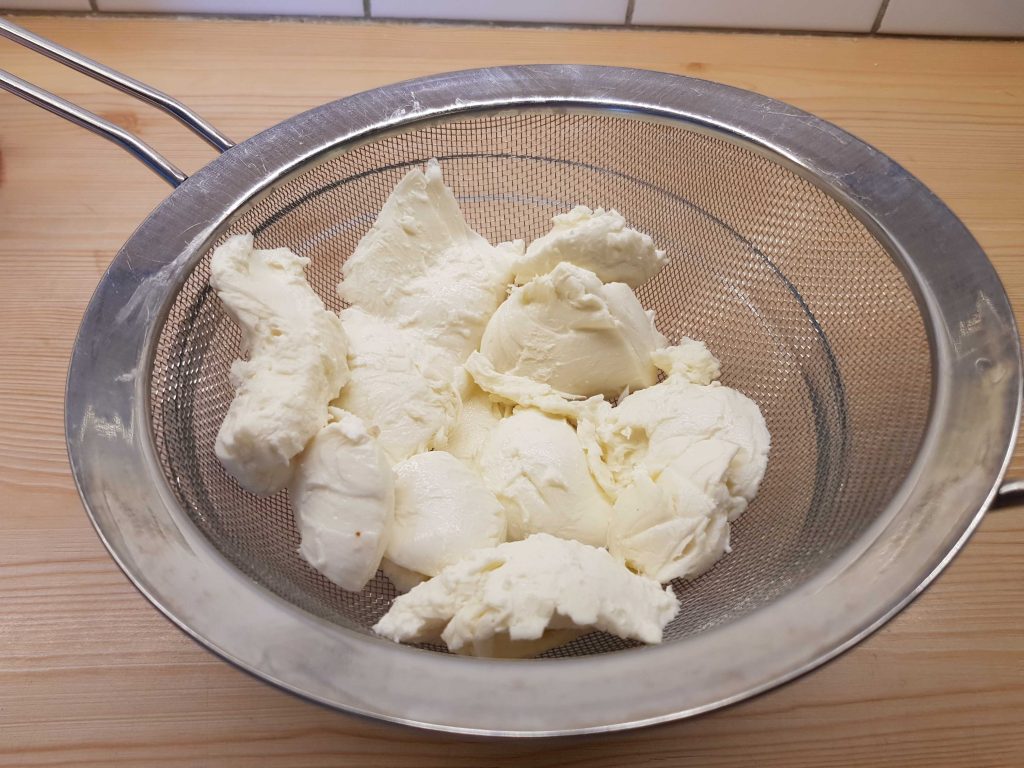
Credit: thepizzaheaven.com
Tips For Effective Cheese Draining And Drying
Draining and drying cheese may sound like a simple task, but getting it right can make all the difference in taste and texture. Whether you’re a cheese enthusiast or a home cook, mastering these techniques can elevate your culinary creations. Here are some practical tips to help you effectively drain and dry cheese, ensuring it reaches its full potential.
Choose The Right Tool For Cheese Draining
When it comes to draining cheese, not all tools are created equal. A colander or strainer is your best friend here. Make sure it has small holes to prevent losing any cheese pieces. Cheesecloth is also a great option, especially for softer cheeses. It allows the whey to escape while keeping the cheese intact.
Maximize Drainage Time
Patience is key when draining cheese. Allow enough time for the whey to separate fully. Depending on the cheese type, this can take several hours. A little waiting can lead to a more concentrated flavor and better texture. It’s worth it!
Ensure Proper Air Circulation
Drying cheese requires good air circulation. Place the cheese on a wire rack to ensure air flows around it. This helps in preventing moisture build-up, which can lead to spoilage. Make sure the environment is cool and dry for optimal results.
Use A Fan For Faster Drying
Speed up the drying process with a fan. A gentle breeze aids in removing moisture without compromising the cheese’s quality. Be cautious not to use too much force, as this can cause the cheese to dry unevenly or too quickly.
Monitor Humidity Levels
Cheese is sensitive to humidity. Too much can lead to spoilage, while too little can dry it out excessively. Invest in a hygrometer to keep track of humidity levels. Aim for a balance that supports the cheese’s natural properties.
Experiment And Learn
Every cheese has its unique characteristics. What works for one may not work for another. Don’t be afraid to experiment with different techniques. You might discover a method that enhances your favorite cheese in unexpected ways.
Have you ever tried draining and drying cheese at home? What challenges did you face? Share your experiences and tips in the comments below!
Frequently Asked Questions
What Do You Use To Drain And Dry Cheese?
Use a cheesecloth to drain and dry cheese efficiently. It allows moisture to escape while keeping the cheese intact. Ensure the cheesecloth is clean and sterilized for best results. Properly draining and drying enhance cheese texture and flavor. This method is simple and effective for both homemade and artisanal cheeses.
What Do You Use To Drain Cheese?
To drain cheese, use a cheesecloth or a fine mesh strainer. These tools effectively remove excess whey. For firmer cheese, apply gentle pressure using a weight or press. Ensure the draining area is clean and sanitized to maintain cheese quality.
What Tool Is Used To Press And Shape Cheese?
A cheese press is used to press and shape cheese. It applies pressure to expel excess whey. This tool helps in forming consistent cheese shapes and textures.
What Tool Is Used To Drain Cheese?
A cheese draining tool, often called a cheese mold or colander, is used to remove whey from cheese curds. It ensures proper drainage and helps in shaping the cheese, leading to a better texture and flavor. These tools are essential in the cheese-making process for quality results.
Conclusion
Choosing the right tool for draining and drying cheese is essential. It ensures texture, flavor, and safety. A cheese press can help with draining. It squeezes out excess moisture efficiently. Cheese cloths are also useful. They let the cheese breathe while drying.
Quality tools make the process easier and more effective. They contribute to the cheese’s final taste. Experiment with different tools to find the best fit. Remember, proper drainage and drying affect the cheese’s quality. Happy cheese-making!

I’m Abby Lu, a passionate home cook who loves simplifying everyday meals. At PlugChef.com, I share product reviews and cooking guides to help you find the best tools for your kitchen.
Related posts:
 What Type of Cooking Utensils are Safe: Expert Picks
 What Innovations Could Blenders Make: Unleashing Future Tech
 Smart Strategies to Organize a Small Kitchen: Maximize Space
 How to Organize a Kitchen Cabinet: Expert Tips & Tricks
 How to Organize Kitchen Drawers: Expert Tips and Tricks
 How to Organize a Corner Kitchen Cupboard: Expert Tips

