

Have you ever noticed how your cutting board can become dry and cracked over time? It’s a common issue that can affect its longevity and performance in your kitchen.
But there’s a simple solution: oiling your cutting board. The right oil can protect the wood, enhance its appearance, and keep it in top shape for years. You might be wondering what type of oil is best for your cutting board.
With so many options out there, making the right choice can be confusing. This article is here to clear up the mystery and guide you to the perfect oil for your cutting board, so you can keep it looking and performing its best. Get ready to discover how easy it is to maintain your cutting board with the right oiling technique.
Importance Of Oiling Cutting Boards
Keeping a cutting board well-oiled prevents cracks and stains. Food-grade mineral oil works best for maintaining smooth surfaces. Regular oiling enhances longevity, ensuring safe food preparation.
Oiling a cutting board is crucial for maintaining its longevity and performance. When you invest in a quality cutting board, you want it to last for years, not just months. Regular oiling protects the board, keeping it in top shape for all your culinary adventures.Enhancing Durability
Oiling your cutting board significantly enhances its durability. Without oil, the board can become dry and brittle, leading to cracks. A well-oiled board resists splitting, ensuring it remains a staple in your kitchen.Preventing Bacteria Build-up
A dry cutting board can absorb moisture and harbor bacteria. By applying oil, you create a protective barrier against water and contaminants. This simple step helps ensure your food preparation area remains hygienic.Improving Aesthetic Appeal
An oiled cutting board not only functions better but also looks stunning. The oil brings out the natural grain and color of the wood. Do you prefer a kitchen tool that’s both practical and beautiful?Which Oil To Use?
Not all oils are suitable for cutting boards. Food-safe mineral oil is a popular choice because it doesn’t spoil. Alternatively, fractionated coconut oil is a great option as it doesn’t go rancid like regular oils might.How Often Should You Oil?
Regular maintenance is key to a healthy cutting board. Typically, oiling once a month keeps your board in excellent condition. However, if you notice it drying out, don’t hesitate to apply another coat.Personal Experience: A Kitchen Essential
I remember neglecting my first cutting board, thinking oiling was unnecessary. It didn’t take long before I regretted it—cracks and warping soon appeared. Since then, I never skip oiling, ensuring my current board remains smooth and functional. Have you ever faced similar kitchen mishaps?
Credit: totallybamboo.com
Characteristics Of Suitable Oils
Choosing the right oil for your cutting board is crucial for maintaining its longevity and hygiene. Not all oils are created equal, and using the wrong type can lead to a sticky surface or even rancidity. Understanding the characteristics of suitable oils will help you make an informed decision and keep your cutting board in top shape.
Food-safe
The most important characteristic of a suitable oil for your cutting board is that it must be food-safe. You want an oil that won’t contaminate your food or alter its taste. Mineral oil is a popular choice because it’s safe for consumption and doesn’t spoil.
Non-toxic
It’s essential that the oil you use is non-toxic. Avoid oils that can become rancid or release harmful chemicals. This means steering clear of cooking oils like olive or vegetable oil. They might seem convenient, but they can damage your board in the long run.
Odorless
An ideal oil should be odorless. You wouldn’t want your cutting board to smell like a salad dressing, would you? Mineral oil doesn’t have a smell, so it won’t interfere with the aroma of your food.
Long-lasting
Durability is key. You want an oil that will penetrate the wood and last, providing a protective barrier. Beeswax mixed with mineral oil offers long-lasting protection, sealing the board effectively.
Easy To Apply
The oil should be easy to apply and spread across the surface without much hassle. Have you ever tried applying an oil that just won’t spread evenly? It’s frustrating. Mineral oil spreads smoothly, making the task easy.
Think about the oils you’ve used before. Were they effective or did they leave your cutting board greasy and unpleasant? Choosing the right oil can prevent these issues and ensure your board remains clean and safe.
Mineral Oil
Mineral oil is a popular choice for maintaining the health and longevity of your cutting board. It’s a clear, odorless oil that doesn’t spoil, making it ideal for food-related applications. If you’ve ever wondered why your cutting board feels dry or rough, mineral oil is the remedy to restore its smooth surface.
Benefits
Mineral oil offers several advantages. It penetrates the wood, providing moisture and preventing cracks. This oil helps to create a barrier against bacteria and stains, ensuring your board remains hygienic. You’ll find it simple to use, and it doesn’t leave a sticky residue like some other oils.
Imagine not having to replace your cutting board frequently. Mineral oil extends its life, preserving the wood’s natural beauty. Whether you’re slicing vegetables or carving a roast, a well-oiled board makes the task more enjoyable.
Application Tips
Applying mineral oil is straightforward. Start by cleaning your cutting board with warm soapy water and let it dry completely. Then, pour a small amount of oil onto the board and spread it evenly using a cloth or paper towel.
Ensure you cover all areas, including the edges, which often get neglected. Let the oil soak into the board for several hours or overnight for the best results. You’ll notice a significant difference in texture and appearance.
Some might ask, how often should you oil your cutting board? A monthly application keeps it in top condition. If you use your board daily, consider oiling it more frequently. Remember, a well-maintained cutting board is not just about aesthetics; it’s about safety and functionality in your kitchen.
Beeswax And Mineral Oil Blend
Maintaining a cutting board requires the right oil. A beeswax and mineral oil blend is a popular choice. This combination nourishes wood, giving your cutting board longevity and shine. Beeswax and mineral oil create a protective layer, preserving the board’s surface. This blend is simple to use and effective. It enhances the appearance while ensuring durability.
Advantages
Beeswax offers natural protection. It creates a waterproof barrier on the board. This keeps moisture and bacteria away. Mineral oil penetrates deeply, nourishing the wood. Together, they prevent cracking and drying. The blend is food-safe and eco-friendly. It has no harsh chemicals. The finish is smooth and glossy, enhancing the board’s look.
How To Use
Start by cleaning the cutting board. Use warm water and mild soap. Dry it thoroughly with a towel. Apply the beeswax and mineral oil blend. Use a soft cloth to spread evenly. Let the board absorb the oil overnight. Buff the surface with a clean cloth the next day. Repeat this process monthly for best results. Keep the board away from direct sunlight. Store it in a cool, dry place.
Coconut Oil
Coconut oil is an excellent choice for oiling cutting boards. It naturally protects and conditions wood surfaces. Keeps them smooth and long-lasting.
Coconut oil is a popular choice for oiling cutting boards. It’s natural and easy to find. People like it because it’s safe for food surfaces. Coconut oil helps keep the board in good shape. It also adds a subtle, pleasant smell. This oil is a great option for those who prefer natural products.Properties
Coconut oil has antimicrobial properties. It helps prevent bacteria growth on the board. This oil is solid at room temperature. It melts quickly when warmed. It creates a smooth surface on the board. Coconut oil is also moisture-resistant. It protects the board from water damage. It keeps the wood hydrated and prevents cracking.Proper Application
Start with a clean, dry board. Scoop a small amount of coconut oil. Rub it into the board with a cloth. Cover all areas evenly. Let the oil sit for a few hours. This helps the board absorb the oil. Wipe off excess oil with another clean cloth. Repeat this process monthly. Regular oiling maintains the board’s condition.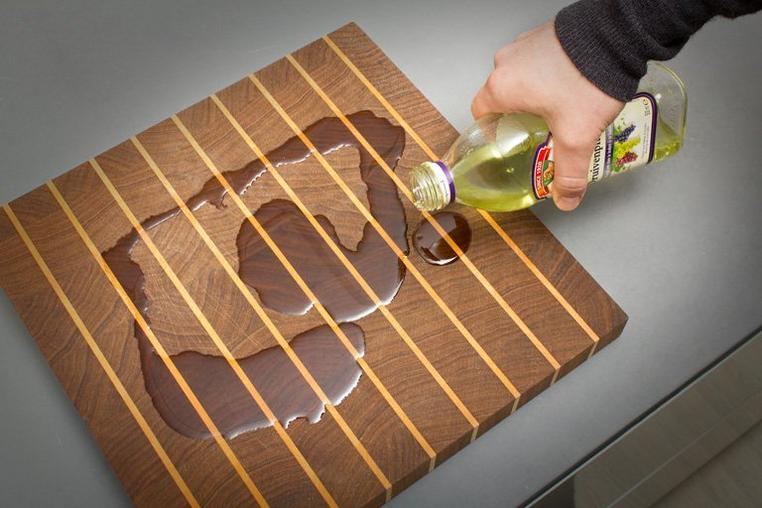
Credit: www.knivesandtools.com
Walnut Oil
Walnut oil nourishes and protects cutting boards with its rich, natural properties. It soaks into the wood, ensuring durability. Safe for food contact, it enhances the board’s longevity and appearance.
When it comes to maintaining a cutting board, using the right oil is key to ensuring its longevity and hygiene. Walnut oil is a popular choice among home cooks and professional chefs alike. It’s not just about keeping the board functional; walnut oil also enhances its aesthetic appeal with a rich, natural finish. But why choose walnut oil? Let’s dive into its features and safety considerations.Features
Walnut oil is renowned for its deep penetration. Unlike some oils, it seeps into the wood fibers, providing thorough protection from within. This helps in keeping your cutting board from cracking and drying out over time. Another standout feature is its natural luster. Walnut oil brings out the rich tones of the wood, giving your cutting board a fresh, polished look. Imagine the satisfaction of seeing your board gleaming every time you step into the kitchen. Additionally, walnut oil is food-safe. It’s important to use an oil that won’t become rancid and contaminate your food. Walnut oil is less likely to spoil compared to other oils, making it a reliable choice for your cutting board care routine.Safety Considerations
While walnut oil is generally safe, it’s crucial to consider potential nut allergies. If anyone in your household has a nut allergy, it might be wise to choose another oil to avoid any accidental reactions. Have you considered the oil’s shelf life? While walnut oil is less prone to rancidity, it’s still important to store it properly. Keeping it in a cool, dark place can extend its usability and ensure your cutting board is always protected with fresh oil. Lastly, think about the environmental impact. Choosing an oil sourced from sustainable practices not only benefits your cutting board but also supports eco-friendly initiatives. This is a small step towards a bigger impact. Incorporating walnut oil into your cutting board maintenance routine can be both practical and rewarding. Next time you reach for an oil, consider its features and whether it aligns with your values and needs. Your cutting board will thank you, and so will your future meals.Avoiding Unsafe Oils
Selecting the right oil for a cutting board is essential for safety and longevity. Choose food-safe options like mineral oil or beeswax to prevent wood damage and keep surfaces sanitary. Avoid vegetable and nut oils, which can spoil and create harmful bacteria growth.
When it comes to maintaining the beauty and longevity of your cutting board, choosing the right oil is crucial. While many options might seem appealing, not all oils are safe for this purpose. Using the wrong oil can lead to unpleasant results, both in terms of taste and health. It’s essential to know which oils to avoid to ensure your cutting board remains in top-notch condition.Rancid Oils
Rancid oils are a common pitfall. Over time, oils like olive or vegetable can become rancid. This not only imparts a sour taste but also affects the surface of the board. Imagine preparing a delicious dish only to have it ruined by a foul taste from your cutting board. Avoid this by steering clear of oils that spoil easily. Always check the expiration date and smell the oil before using it.Oils To Steer Clear Of
Certain oils are simply unsuitable for cutting boards. Nut oils, like walnut or almond, might seem like a good idea, but they can cause allergic reactions. Additionally, oils with strong odors, such as garlic or onion-infused oils, can transfer their scent to your food. This might be enjoyable in a dish but not when it’s unintentional. Petroleum-based oils, like motor oil, might sound absurd for kitchen use, but it’s worth mentioning. Always stick to food-grade oils to ensure safety. As you consider what oil to use, think about the long-term effects on your cutting board and your health. Wouldn’t you prefer a fresh, clean surface every time you cook? Keep these insights in mind, and you’ll make an informed choice that keeps your kitchen both safe and functional.Steps For Oiling A Cutting Board
Use mineral oil or beeswax to oil a cutting board. These options help maintain the board’s moisture and prevent cracks. Regularly applying them keeps your board in top condition.
Keeping your cutting board in top shape requires regular oiling. Not only does this preserve its appearance, but it also extends its lifespan, making it a cherished part of your kitchen arsenal. With the right oil and technique, you can keep your cutting board from warping or cracking. Let’s dive into the steps for oiling a cutting board, ensuring your kitchen companion stays durable and beautiful.Preparation
Before you start oiling, ensure your cutting board is clean and dry. Wash it with warm water and a mild soap, scrubbing away any residue. After washing, let it air dry completely. Any leftover moisture can prevent the oil from penetrating effectively. Consider where you’ll do the oiling; a flat surface away from direct sunlight works best. The space should be ventilated, so the oil smell doesn’t linger in your kitchen.Application Process
Choose a food-safe mineral oil for the best results. Pour a small amount directly onto the board’s surface. Use a clean cloth or paper towel to spread the oil evenly over the board. Make sure to cover all areas, including edges and sides. Allow the oil to soak into the board overnight. This ensures deep penetration, giving your board the nourishment it needs.Maintenance Tips
Regularly check your cutting board for signs of dryness. If it appears rough or pale, it’s time for another oil application. You can oil your board once a month, or more often if you use it frequently. This keeps it in optimal condition. Store your cutting board in a cool, dry place to prevent moisture damage. Avoid placing it near heat sources which might dry it out. Have you considered how a well-oiled cutting board enhances your cooking experience? With these steps, your board remains a reliable kitchen helper, always ready for action.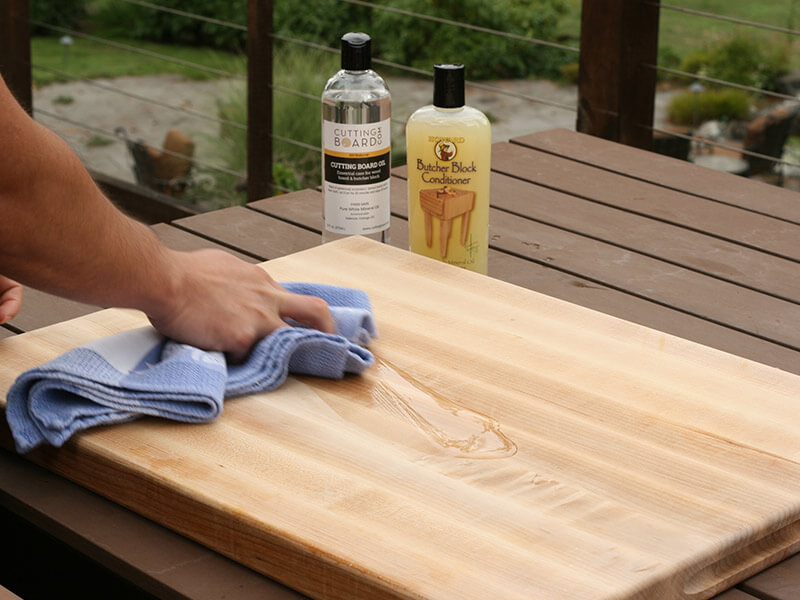
Credit: www.cuttingboard.com
Frequently Asked Questions
What Kind Of Oil Do You Put On A Cutting Board?
Use food-grade mineral oil for cutting boards. It prevents drying and cracking, enhancing durability. Apply regularly for optimal protection. Avoid vegetable oils, as they can become rancid. Ensure the oil is safe for food contact to maintain hygiene. Keep your board well-oiled for longer life and better functionality.
What Is A Good Substitute For Mineral Oil On A Cutting Board?
A great substitute for mineral oil on a cutting board is food-grade coconut oil. Beeswax also works well. Both are natural, non-toxic, and help maintain the board’s moisture. Ensure the oil you choose is food-safe and won’t go rancid. These alternatives keep your cutting board in top condition.
Can I Use Olive Oil To Oil My Cutting Board?
No, avoid using olive oil for cutting boards. It can go rancid, attracting bacteria and causing odors. Use food-grade mineral oil or specialized cutting board oils for better results.
What Kind Of Oil Is Best For Cutting Boards?
Mineral oil is the best choice for cutting boards. It’s food-safe, odorless, and doesn’t go rancid. Regular application keeps the board hydrated and prevents cracking. Avoid vegetable or olive oils, as they can spoil and become sticky over time.
Conclusion
Choosing the right oil keeps your cutting board fresh and safe. Mineral oil is a popular choice. It is affordable and easy to apply. Beeswax offers extra protection. It seals and shines the surface. Coconut oil is a natural option.
It is also anti-bacterial. Always avoid vegetable oils. They can spoil and smell bad. Proper care means your board lasts longer. Regular oiling keeps it looking new. Enjoy food prep with a well-maintained board. It makes cooking more fun and hygienic.
Make oiling part of your kitchen routine. Simple steps go a long way!

I’m Abby Lu, a passionate home cook who loves simplifying everyday meals. At PlugChef.com, I share product reviews and cooking guides to help you find the best tools for your kitchen.
Related posts:
 What Type of Cooking Utensils are Safe: Expert Picks
 What Innovations Could Blenders Make: Unleashing Future Tech
 Smart Strategies to Organize a Small Kitchen: Maximize Space
 How to Organize a Kitchen Cabinet: Expert Tips & Tricks
 How to Organize Kitchen Drawers: Expert Tips and Tricks
 How to Organize a Corner Kitchen Cupboard: Expert Tips
