

Are you wondering what to bread chicken with to get that perfect crunch and flavor every time? Choosing the right coating can make all the difference between a soggy mess and a crispy, golden delight.
Whether you’re cooking for your family or prepping a quick meal for yourself, the ingredients you use to bread your chicken can transform a simple dish into something truly special. Keep reading, and you’ll discover easy, tasty options that will elevate your chicken to the next level.
Your taste buds will thank you!
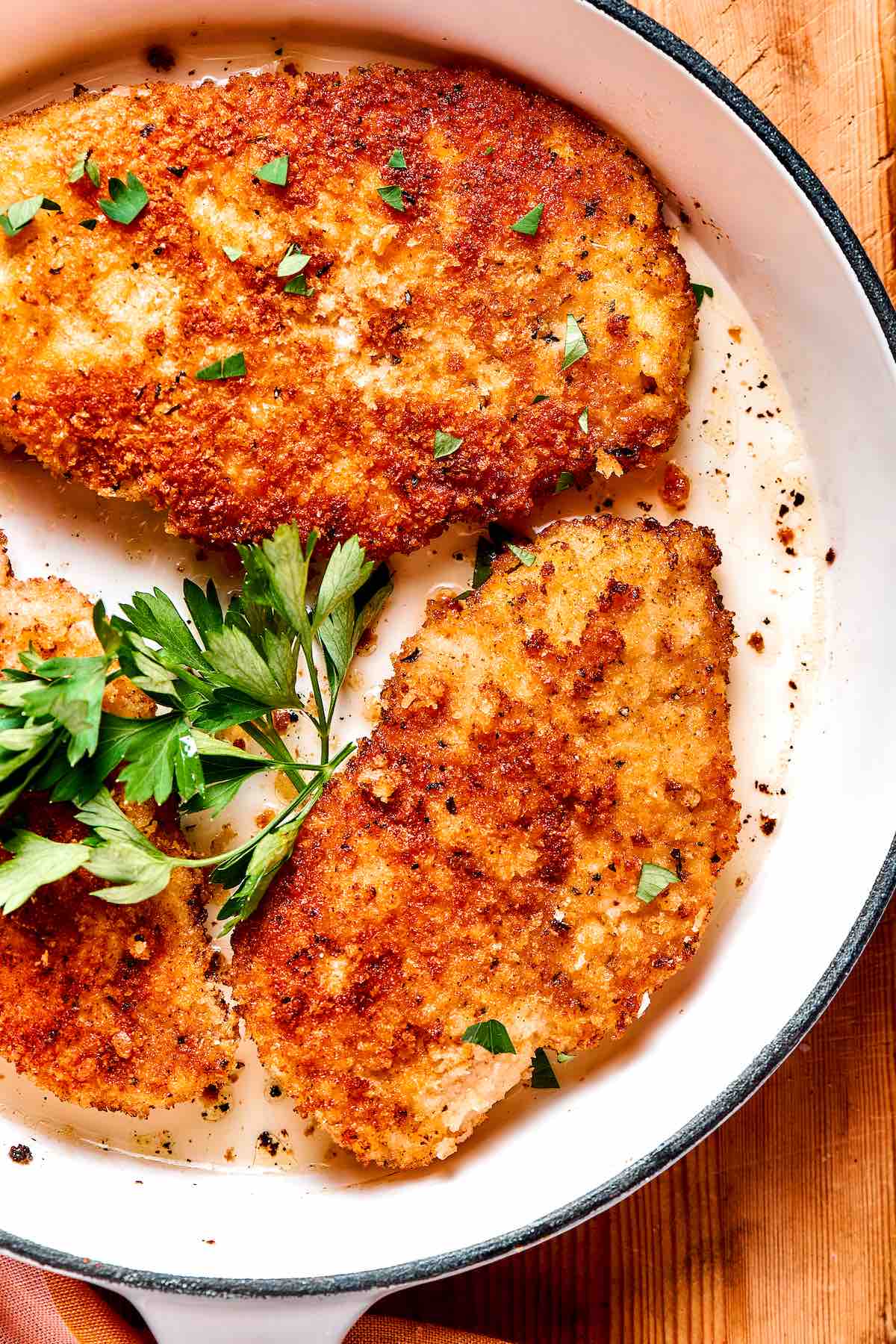
Credit: thebigmansworld.com
Choosing The Right Coating
Choosing the right coating for your chicken can make a huge difference in texture and flavor. The coating not only protects the chicken during cooking but also creates that irresistible crust we all crave. Your choice depends on the kind of crunch, flavor, and even health considerations you want to achieve.
Flour Varieties And Their Effects
Flour is the classic base for breading chicken, but not all flours behave the same. All-purpose flour gives a light, even crust that crisps up nicely without overpowering the chicken’s flavor.
Try using rice flour if you want an extra crispy and lighter coating. It fries up beautifully and is perfect if you need a gluten-free option.
Whole wheat flour adds a nuttier flavor and a bit more density to the crust. It’s a good choice if you prefer a heartier bite and more fiber in your meal.
Using Breadcrumbs For Crunch
Breadcrumbs are a popular choice because they add a satisfying crunch and golden color. Panko breadcrumbs are especially great if you want a flaky, airy texture. They absorb less oil, keeping your chicken lighter.
If you use regular breadcrumbs, they tend to create a denser crust that’s great for those who love a hearty bite. You can even mix in some herbs or Parmesan cheese to boost flavor.
Alternative Coating Options
Feeling adventurous? Try coating your chicken with crushed cornflakes or crushed nuts like almonds or pecans. These options give a unique texture and a surprising flavor twist.
Another option is using ground oats or chickpea flour for a gluten-free and nutritious coating. These alternatives also add a subtle earthiness that pairs well with spices.
Have you experimented with coatings beyond flour and breadcrumbs? What textures and flavors surprised you the most? Your choice can turn a simple chicken dish into something memorable.
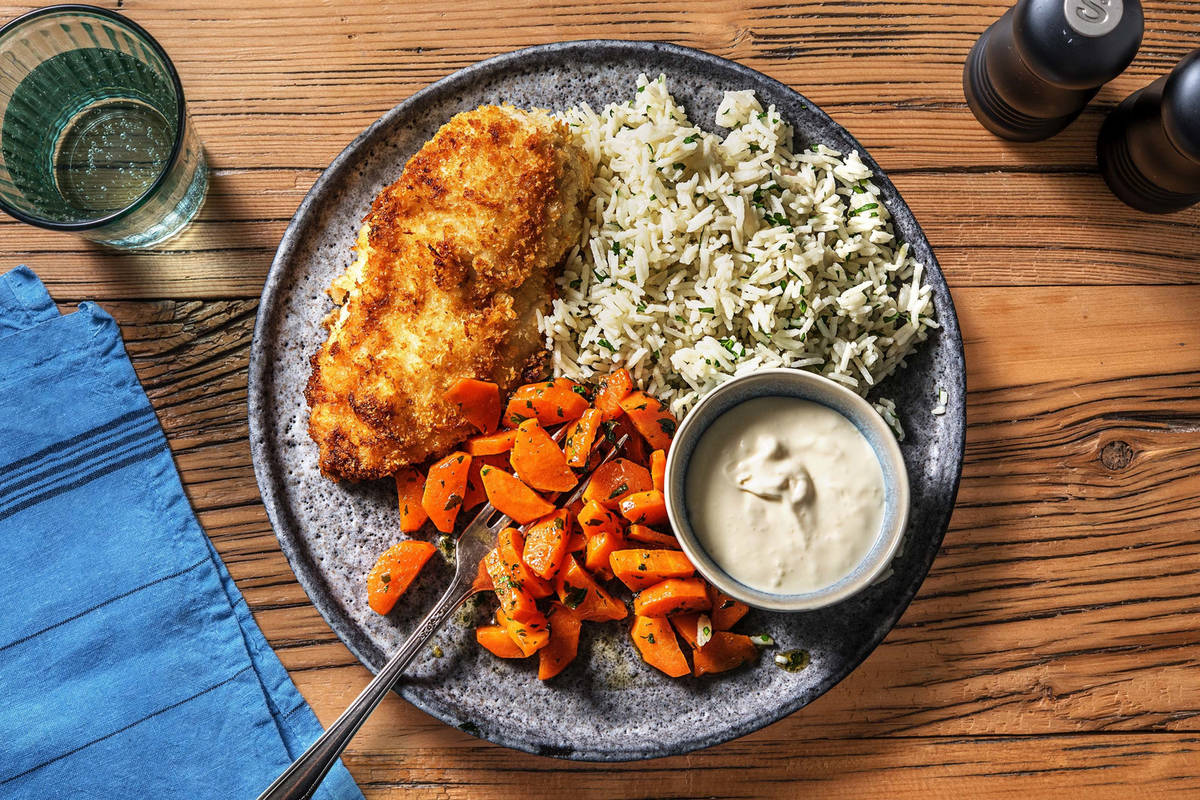
Credit: www.hellofresh.ca
Preparing The Chicken
Preparing the chicken correctly before breading is key to achieving a crispy, flavorful crust and juicy meat inside. The way you handle the chicken affects how well the coating sticks and how delicious the final dish will be. Here are some essential steps to prepare your chicken for breading.
Properly Drying The Chicken
Moisture on the chicken surface can cause the breading to slide off during cooking. Use paper towels to pat the chicken dry thoroughly before you start breading. This simple step ensures the coating sticks better and results in a crunchier texture.
Have you ever noticed soggy breading? That’s usually because the chicken was too wet. Drying your chicken properly prevents this common problem and helps you get that perfect golden crust.
Marinating For Flavor And Moisture
Marinating adds flavor and keeps the chicken juicy during cooking. Even a quick 30-minute marinade with ingredients like buttermilk, garlic, and herbs can make a big difference. Buttermilk is especially effective because its acidity tenderizes the meat while adding a subtle tang.
Think about your favorite fried chicken spots—many use a marinade to create layers of flavor. You can experiment with spices in your marinade to customize the taste before breading.
Brining Techniques
Brining is another great way to enhance moisture retention and tenderness. A simple brine of salt and water, soaked for 1-2 hours, seasons the meat evenly and prevents dryness during cooking. Adding sugar, herbs, or spices to the brine can also boost flavor without overpowering the chicken.
Have you tried brining before breading? It’s a game-changer, especially for lean cuts like chicken breasts that tend to dry out quickly. Give it a try and notice how your breaded chicken stays juicy inside while crisping beautifully outside.
Layering For Crispiness
Layering chicken with flour, egg wash, and breadcrumbs creates a crunchy coating. Each layer helps the breading stick better and stay crispy during cooking. This simple technique makes fried chicken extra tasty and crunchy.
Layering for crispiness is key when breading chicken. This technique ensures the chicken is crunchy outside and juicy inside. Let’s dive into the essential steps to achieve that perfect crispy layer.Egg Wash And Its Importance
An egg wash is a mixture of eggs and a liquid. It helps the coating stick to the chicken. The egg wash acts as a glue. It binds the breadcrumbs to the chicken. This results in a crispy, well-adhered coating. Use a simple mix of beaten eggs and milk or water. This creates a smooth base for the breadcrumbs.Double Dipping Method
Double dipping involves coating the chicken twice. First, dip the chicken in the egg wash. Then, coat it with breadcrumbs. Repeat the process for a second layer. This double coating adds extra crunch. The first layer seals in moisture. The second layer enhances the crisp texture. It ensures even coverage and a satisfying bite.Adding Seasonings To Coatings
Seasonings add flavor to your breaded chicken. Mix spices with your breadcrumbs. Common choices include salt, pepper, and garlic powder. Herbs like thyme or rosemary can add freshness. This step enhances taste without extra effort. Ensure seasonings are evenly distributed. This ensures each bite is flavorful and delicious.Cooking Methods For Crispy Chicken
Achieving crispy chicken depends greatly on the cooking method used. Each technique affects the texture and flavor of the breaded chicken. Choosing the right method brings out the best crunch and juiciness. Understanding different cooking styles helps in preparing chicken that is both tasty and satisfying.
Frying Tips And Temperature Control
Frying chicken gives a classic crispy crust. Use oil heated to 350°F to 375°F for the best results. Too hot oil burns the crust; too cool oil makes it greasy. Maintain oil temperature by frying in small batches. Use a thermometer to check oil heat regularly. Drain fried chicken on paper towels to remove excess oil. This keeps the crust crunchy and light.
Baking For A Healthier Crunch
Baking offers a lighter way to enjoy crispy chicken. Preheat the oven to 400°F for even cooking. Place breaded chicken on a wire rack over a baking sheet. This allows air circulation around the chicken. Spray or brush chicken lightly with oil to aid browning. Bake for 25 to 30 minutes until golden and crisp. Flip halfway through for even crispiness on both sides.
Air Fryer Techniques
Air frying uses hot air to create a crispy texture. Preheat the air fryer to 375°F before cooking. Arrange chicken pieces in a single layer without crowding. Lightly spray chicken with oil for better crisping. Cook for 15 to 20 minutes, turning halfway through. This method gives a crunch similar to frying but with less oil. Clean the air fryer basket after each use to avoid smoke and odor.
Troubleshooting Common Issues
Getting the perfect breading on chicken can sometimes feel like a challenge. You might end up with soggy coating, uneven crispiness, or a crust that just won’t stick. These common issues can turn a simple meal into a frustrating experience. Let’s troubleshoot these problems so your breaded chicken turns out just right every time.
Avoiding Soggy Coating
Soggy breading usually happens when moisture isn’t controlled. After breading your chicken, let it rest on a wire rack instead of a plate. This allows air to circulate and prevents steam from making the crust wet.
Also, don’t overcrowd the pan while frying. Too many pieces lower the oil temperature, causing the coating to absorb oil and become soggy. Have you noticed how your chicken crisps up better when fried in small batches?
Ensuring Even Crispiness
Even crispiness depends on consistent heat and coating thickness. Use a thermometer to keep your oil at 350°F (175°C). If it’s too hot, the outside will burn before the inside cooks; too cool, and the breading soaks up oil.
Apply the breading evenly by pressing it gently onto the chicken. Uneven layers lead to patchy cooking. Think about how a well-spread paint coat looks smooth and uniform — your breading should feel the same.
Preventing Coating From Falling Off
Coating that falls off often means the chicken surface wasn’t prepared properly. Pat your chicken dry with paper towels before breading to remove excess moisture. This helps the flour or breadcrumbs stick better.
Use the classic three-step breading method: flour, egg wash, then breadcrumbs. Each layer creates a stronger bond. Have you ever skipped the flour and ended up with a crumb mess in the pan? That’s a clear sign the process needs adjustment.
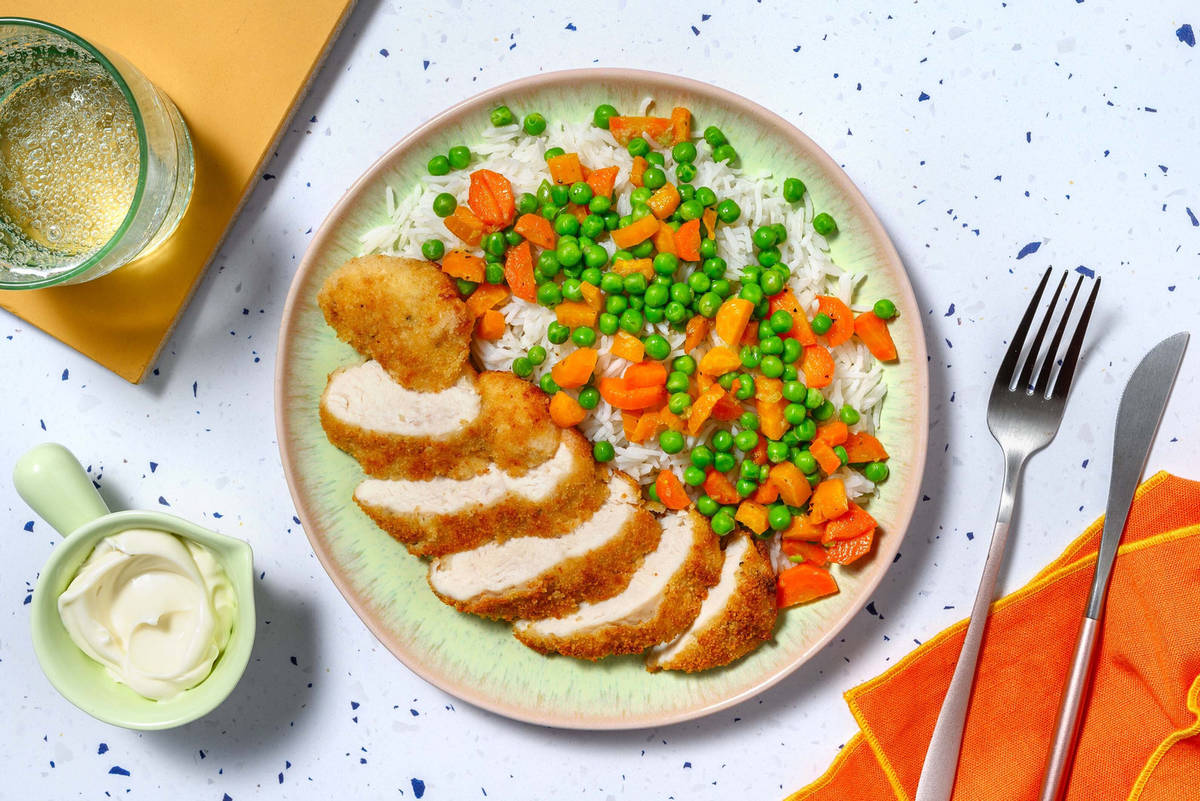
Credit: www.hellofresh.ca
Creative Coating Variations
Exploring creative coating variations can turn simple breaded chicken into a flavorful delight. Experimenting with different textures and tastes makes each bite exciting. These coatings add personality and elevate your chicken dishes beyond the usual.
Herbs And Spices Mixes
Herbs and spices bring bold flavors to your chicken coating. Use dried oregano, thyme, or rosemary for a savory touch. Add paprika or chili powder for a smoky or spicy kick. Garlic powder and onion powder provide a rich, aromatic base. Mix these into your flour or breadcrumbs for a seasoned crust that bursts with flavor.
Nut-based Coatings
Nut coatings add crunch and depth to breaded chicken. Ground almonds, pecans, or walnuts create a nutty, crispy crust. They work well mixed with breadcrumbs or on their own. Toast the nuts lightly before grinding to enhance flavor. Nut coatings pair nicely with herbs like parsley or sage for extra taste.
Panko And International Styles
Panko breadcrumbs offer a light, airy crunch that stays crisp longer. These Japanese-style crumbs are larger and flakier than regular breadcrumbs. Try coating chicken with panko mixed with sesame seeds for an Asian twist. Cornflakes or crushed tortilla chips bring different textures and flavors from other cuisines. These international coatings make your chicken unique and tasty.
Frequently Asked Questions
What Ingredients Can I Use To Bread Chicken?
You can use flour, breadcrumbs, cornmeal, or crushed crackers. Each adds a unique texture and flavor. Seasoning these helps enhance taste.
How To Make Chicken Breading Crispy?
Use panko breadcrumbs for extra crunch. Double-dip chicken in egg wash and breadcrumbs. Fry in hot oil for a crispy crust.
Can I Use Gluten-free Options For Breading Chicken?
Yes, gluten-free flours like almond or rice flour work well. Gluten-free breadcrumbs or crushed nuts also provide a great coating.
Should I Season The Breading Mixture?
Absolutely. Adding salt, pepper, garlic powder, or herbs boosts the flavor. Season both the chicken and the breading for best results.
Conclusion
Choosing the right breading makes chicken tastier and crispier. You can use breadcrumbs, flour, or crushed crackers for different textures. Adding spices to the coating boosts flavor without extra effort. Try simple combinations to find what you like best. Cooking breaded chicken is easy and fun for all skill levels.
Enjoy experimenting with these ideas to make your meals better. Keep it simple, and your chicken will always turn out great.

I’m Abby Lu, a passionate home cook who loves simplifying everyday meals. At PlugChef.com, I share product reviews and cooking guides to help you find the best tools for your kitchen.
Related posts:
 What Type of Cooking Utensils are Safe: Expert Picks
 What Innovations Could Blenders Make: Unleashing Future Tech
 Smart Strategies to Organize a Small Kitchen: Maximize Space
 How to Organize a Kitchen Cabinet: Expert Tips & Tricks
 How to Organize Kitchen Drawers: Expert Tips and Tricks
 How to Organize a Corner Kitchen Cupboard: Expert Tips

