

Are you ready to perfect your sourdough game? Choosing the right size mason jar for your sourdough starter is more important than you might think.
Imagine effortlessly nurturing your starter with room to grow, all while avoiding messy overflows. You deserve a kitchen experience that’s smooth and satisfying, and getting the jar size just right is your first step. Dive into this guide, and unlock the secret to giving your sourdough starter the space it needs to thrive.
Your baking adventures are about to get a whole lot easier. Let’s ensure your sourdough setup is as flawless as your next loaf!
Choosing The Right Mason Jar
Choosing the right mason jar for your sourdough starter is crucial. A well-selected jar ensures a healthy, thriving starter. It also makes maintenance easier. The jar’s size influences the starter’s growth and activity.
Size Matters
Size plays a significant role in the jar’s function. A pint-sized mason jar is ideal for beginners. It provides ample space without overwhelming volume. This size is perfect for monitoring your starter’s progress.
Space For Growth
Your starter needs space to rise and breathe. A quart-sized jar offers more room. It accommodates an active starter’s expansion. This size is excellent for experienced bakers. It allows you to maintain larger quantities.
Easy Cleaning
Opt for a jar with a wide mouth. It simplifies cleaning and feeding. A wide-mouth jar lets you stir without mess. It also makes adding flour and water easy.
Visibility And Monitoring
Clear glass jars allow you to observe changes. You can easily track your starter’s development. This visibility helps identify any issues promptly. A transparent jar is essential for monitoring.
Material Considerations
Glass is the best material for mason jars. It doesn’t react with acidic sourdough. Glass preserves the starter’s natural flavors. It’s durable and easy to clean.
Factors To Consider
Choosing the right mason jar for your sourdough starter is crucial. The jar’s size can impact the starter’s growth and health. Several factors play a role in selecting the ideal jar. It’s not just about volume; design and material matter too. Let’s explore these factors in detail.
Volume And Capacity
Consider the starter’s expansion during fermentation. A jar with at least a one-quart capacity is ideal. This size allows room for growth and bubbling. A cramped jar can lead to overflow and mess. Keep the jar’s lid slightly loose to let gases escape.
Shape And Design
The jar’s shape can affect ease of mixing and feeding. A wide mouth jar makes feeding and cleaning simpler. Straight-sided jars help in even mixing. Avoid jars with narrow necks; they make access difficult. The design should support easy handling and maintenance.
Material And Durability
Glass jars are popular for sourdough starters. They are non-reactive and let you see the starter’s activity. Ensure the glass is thick and sturdy to prevent breakage. Avoid plastic jars; they can harbor unwanted odors. A durable jar ensures long-term use and safety.
Common Mason Jar Sizes
Mason jars are popular for storing sourdough starters. They come in different sizes. Choosing the right size can be confusing. Each size has its benefits. Understanding these can help you decide.
Quart Jars
Quart jars hold about 32 ounces. They are a common choice for sourdough starters. These jars are perfect for beginners. They provide enough space for the starter to grow. Quart jars fit well in most refrigerators. Their size makes them easy to handle. Cleaning them is also simple. Many people find quart jars convenient for daily use.
Pint Jars
Pint jars hold about 16 ounces. They are smaller than quart jars. Pint jars are ideal for small batches. If you bake occasionally, pint jars work well. They save space and are easy to store. Transporting a pint jar is simple. It fits snugly in your hand. This size is great for experiments or travel. Pint jars are also easy to clean.
Half-gallon Jars
Half-gallon jars hold about 64 ounces. They are the largest of the three sizes. These jars are perfect for large batches. If you bake often, consider a half-gallon jar. It provides plenty of room for starter growth. However, these jars need more storage space. They may not fit in all refrigerators. Cleaning can be a bit more challenging. Yet, for serious bakers, they offer great benefits.

Credit: www.reddit.com
Benefits Of Each Size
Choosing the right size mason jar for your sourdough starter can make a significant difference in your baking routine. Each size offers unique benefits that cater to different baking needs and preferences. Whether you’re a sourdough newbie or a seasoned baker, understanding the advantages of various mason jar sizes can help you make an informed decision and optimize your sourdough experience.
Small Batches
Small mason jars, typically 8 to 16 ounces, are perfect for beginners or those who bake infrequently. They take up minimal space and are easy to manage, making them ideal for experimenting with different sourdough techniques. With a smaller jar, you can avoid wasting ingredients if your starter doesn’t turn out as expected. If you’re trying sourdough for the first time, a small batch can help you test the waters without overwhelming yourself.
Medium Batches
Medium-sized mason jars, around 32 ounces, strike a balance between small and large batches. They are great for bakers who bake regularly but don’t need large amounts of starter. These jars provide enough space for your starter to grow without overflowing, while still maintaining a manageable size. Medium batches allow you to bake a couple of loaves a week without needing to replenish your starter too frequently.
Large Batches
Large mason jars, such as 64 ounces or more, are ideal for avid sourdough bakers. If you bake often and like to share your creations, a large jar gives you ample starter to work with. You can easily prepare enough dough for several loaves or even share your starter with friends. However, managing a large batch requires regular feeding, which can be a commitment. Are you ready to embrace the challenge of nurturing a thriving sourdough starter?
Each mason jar size offers distinct benefits tailored to your sourdough journey. Consider your baking habits, kitchen space, and commitment level to choose the perfect jar for your starter. Are you ready to make your decision and start baking delicious sourdough bread?
Best Practices For Using Mason Jars
Mason jars are ideal for sourdough starters. Their transparency lets you observe fermentation. But using them effectively requires some know-how. Best practices ensure a healthy and active starter. Let’s explore key considerations.
Cleaning And Sterilization
Clean jars prevent contamination. Wash them with hot, soapy water. Rinse thoroughly. Sterilize by boiling for 10 minutes. Allow jars to cool before use. Cleanliness keeps your sourdough starter safe. Harmful bacteria cannot thrive in sterilized jars.
Temperature Considerations
Sourdough thrives in warm temperatures. Choose a spot around 70°F. Avoid direct sunlight. It can overheat your starter. A consistent temperature encourages yeast growth. This results in a bubbly and lively starter. Monitor room temperature daily.
Storage Tips
Store mason jars in a stable place. Avoid areas prone to temperature swings. A pantry or cabinet works well. Ensure jars are tightly sealed. This prevents drying out and contamination. Regularly check your starter’s activity. Adjust storage conditions if needed.

Credit: www.reddit.com
Expert Recommendations
Choosing the right mason jar for your sourdough starter is crucial. It affects the growth and health of your starter. Experts have shared insights to help you make the best choice.
Baker Insights
Experienced bakers suggest using a wide-mouth mason jar. This allows for easy mixing and feeding. A clear glass jar is ideal. It helps you monitor the starter’s progress. Choose a jar with a capacity of at least 1 quart. This size provides ample room for expansion and growth.
Popular Choices
Many bakers favor the 32-ounce mason jar. It accommodates the starter as it rises. The 16-ounce jar can be too small for a growing starter. Some people opt for a 64-ounce jar for extra space. This size is perfect for those who bake frequently. Remember, the right jar makes maintenance easier.
Troubleshooting Common Issues
Choosing the right mason jar size is crucial for a healthy sourdough starter. A 1-quart jar provides enough space for the starter to grow and breathe. Ensure it’s not filled to the brim to allow room for expansion.
Starting a sourdough starter is an exciting journey, but it can sometimes present a few challenges. As you nurture your starter, you might encounter issues like overflows, contamination risks, or storage problems. Addressing these common hurdles can help keep your sourdough journey on track. Let’s dive into some practical solutions to these problems.Overflows
Overflowing jars are a common issue when your starter becomes overly active. This often happens when your jar is too small or filled too high. Using a larger mason jar, such as a quart-size, can prevent this messy problem. Consider the temperature and feeding schedule. A warmer environment might cause the starter to rise more quickly. If you notice frequent overflows, feeding your starter smaller amounts or more frequently might help control its growth.Contamination Risks
Keeping your sourdough starter free from contaminants is crucial. A mason jar with a loosely fitted lid or breathable cloth can protect your starter from dust while allowing gases to escape. Be mindful of the cleanliness of your tools. Always use clean utensils to stir and feed your starter. If you notice unusual smells or colors, discard the starter and begin again to ensure a healthy culture.Storage Problems
Storing your sourdough starter correctly ensures its longevity and activity. If you’re not planning to bake regularly, consider storing it in the fridge. This slows down the fermentation process, requiring less frequent feedings. On the other hand, if your kitchen is too cold, your starter might become sluggish. A warm spot, like on top of the fridge, can encourage activity. How do you store your starter to fit your baking routine? Experimenting with different storage methods can reveal what works best for you. Remember, the key is consistency in feeding and storage conditions to maintain a thriving starter.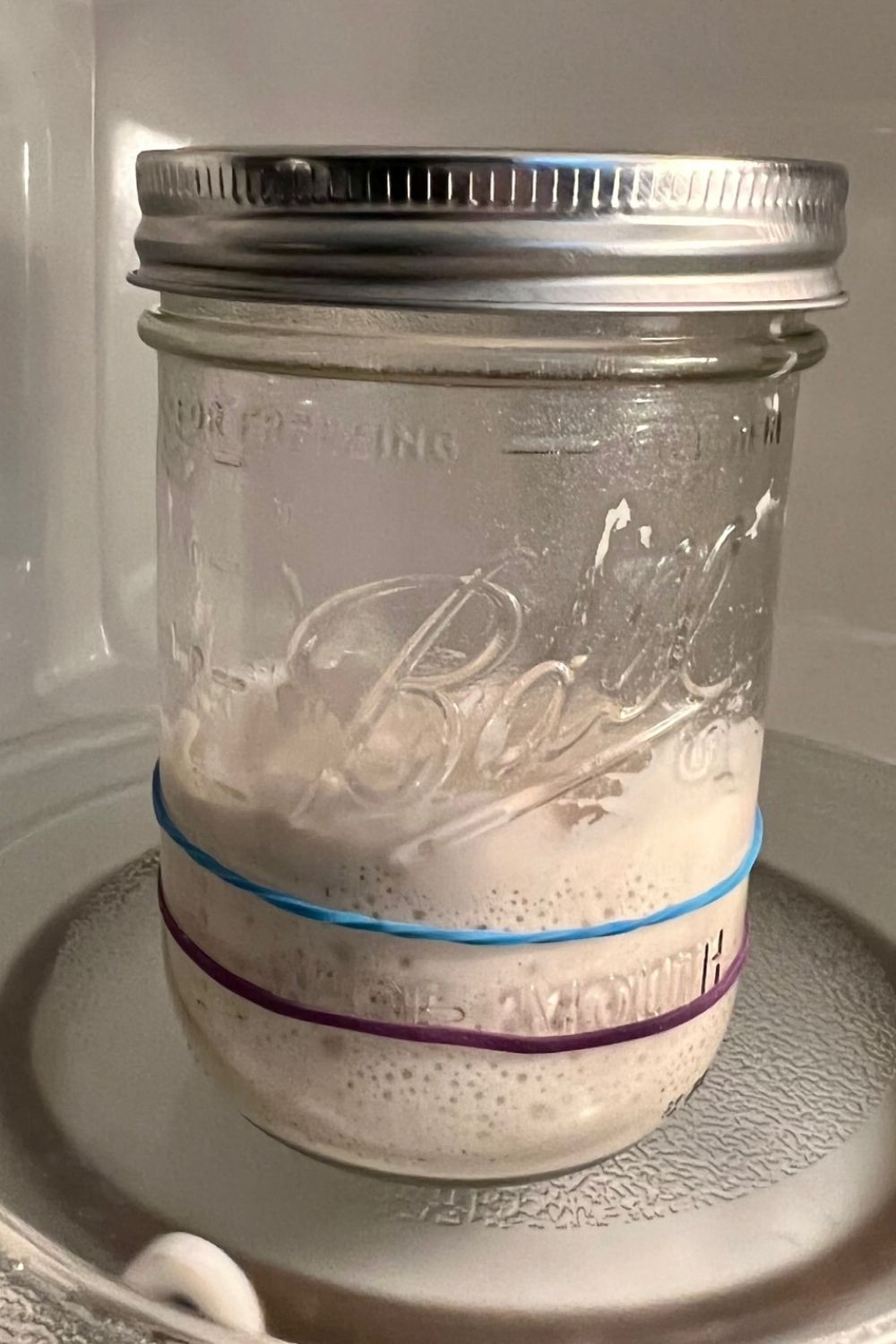
Credit: www.pantrymama.com
Frequently Asked Questions
How Many Ounces Of Mason Jar For Sourdough Starter?
A 16-ounce mason jar is ideal for a sourdough starter. It provides enough space for fermentation and expansion. Ensure the jar is clean and has a loose-fitting lid to allow airflow. Regularly feed your starter to keep it active and healthy.
Can I Use A Large Mason Jar For Sourdough Starter?
Yes, a large mason jar works well for sourdough starter. It allows room for growth and easy mixing. Ensure it’s clean and loosely covered to allow airflow.
What Size Mason Jar Is Best For Starter?
A quart-sized mason jar is ideal for sourdough starter. It provides ample space for growth and mixing. The size also helps in maintaining the right temperature and preventing overflow. Ensure it has a wide mouth for easy access and cleaning.
Can A Pint Jar Work For Sourdough Starter?
A pint jar can work for small batches but is limited. It’s suitable for those starting out or with minimal baking needs. However, it may require frequent feeding due to limited space. For more flexibility, consider upgrading to a quart jar.
Conclusion
Choosing the right mason jar size is essential for sourdough success. A medium-sized jar, about one-quart capacity, offers flexibility. It accommodates growth while keeping your starter healthy. A wide mouth jar makes stirring and feeding easier. Remember, a breathable cover is important for airflow.
Keep your starter in a consistent place, away from temperature changes. This ensures it stays active and bubbly. With these simple tips, your sourdough journey will be smooth. Enjoy the process and the delicious results. Happy baking!

I’m Abby Lu, a passionate home cook who loves simplifying everyday meals. At PlugChef.com, I share product reviews and cooking guides to help you find the best tools for your kitchen.
Related posts:
 What Type of Cooking Utensils are Safe: Expert Picks
 What Innovations Could Blenders Make: Unleashing Future Tech
 Smart Strategies to Organize a Small Kitchen: Maximize Space
 How to Organize a Kitchen Cabinet: Expert Tips & Tricks
 How to Organize Kitchen Drawers: Expert Tips and Tricks
 How to Organize a Corner Kitchen Cupboard: Expert Tips

