
Are you staring at your cutting board, wondering how to keep it looking fresh and performing its best? You’re not alone.
The secret to a long-lasting, food-safe cutting board lies in the oil you use. Choosing the right oil can protect your board from cracks, warping, and bacteria build-up, ensuring it remains a trusty kitchen companion. But with so many options out there, it’s easy to feel overwhelmed.
Stick around, and you’ll discover which oils are the best for your cutting board and why they matter. Unlock the potential of your cutting board with a few simple choices, and enjoy a kitchen tool that’s as reliable as it is beautiful. Read on to find out how!

Credit: totallybamboo.com
Importance Of Oiling Cutting Boards
Oiling your cutting board is vital for its longevity and functionality. A well-oiled cutting board prevents cracks and warping. It also offers a smooth surface for chopping. Regular oiling creates a barrier. This protects the wood from absorbing unwanted moisture. This simple maintenance step enhances hygiene. Dry boards can harbor bacteria. Oiling forms a protective layer that resists germs. Thus, it keeps your kitchen safe and clean.
Why Oiling Prevents Damage
Untreated wood absorbs water quickly. This leads to swelling and cracks. Oiling helps repel moisture. It creates a shield against water damage. The oil acts as a moisturizer for wood. This prevents it from drying out and splitting. Regular oiling keeps your board intact.
Enhancing The Board’s Appearance
Oiling enhances the natural grain of wood. It gives the board a rich, polished look. A well-oiled board looks inviting and elegant. It adds charm to your kitchen space. The oil deepens the wood color. It brings out the unique patterns in the grain. This visual appeal is satisfying.
Maintaining Food Safety
Wood has natural antibacterial properties. Oiling boosts these qualities. It seals the surface, preventing bacteria from settling in. This adds a layer of safety while preparing meals. Regular oiling ensures your cutting board is hygienic. This keeps your family safe from foodborne illnesses.
Extending The Board’s Lifespan
Oiling can significantly extend a board’s life. It guards against everyday wear and tear. A well-maintained board lasts longer. This saves money on replacements. Investing in oiling is a smart choice. It ensures your cutting board remains functional for years.

Credit: www.youtube.com
Types Of Oils Suitable For Cutting Boards
Choosing the right oil for your cutting board isn’t just about keeping it looking fresh. It’s about preserving the wood and ensuring food safety. The right oil can extend the life of your cutting board, keeping it functional and beautiful for years. But what oil is best? Let’s explore some top choices.
Mineral Oil
Mineral oil is a popular choice for cutting boards. It’s affordable and easy to find. This oil penetrates deep into the wood, providing excellent protection. Have you ever noticed how your board seems to drink up the oil? That’s mineral oil doing its job. It’s also food-safe, so you don’t need to worry about contamination.
Beeswax Blends
Beeswax blends offer a unique advantage. They create a barrier that helps repel water. This is crucial because moisture is a cutting board’s enemy. Ever had your board warp after washing? Beeswax can help prevent that. Plus, it gives your board a lovely finish and a subtle shine.
Coconut Oil
Coconut oil is a natural alternative many people love. It has antimicrobial properties, which can help keep your board clean. The scent is a bonus, adding a tropical note to your kitchen. But be cautious; some coconut oils can go rancid over time. Choose refined coconut oil to avoid this issue.
Walnut Oil
Walnut oil is a lesser-known option with great benefits. It’s a drying oil, which means it hardens as it dries, sealing the wood. This feature provides excellent durability. Have you tried walnut oil on your board? You’ll notice how it enhances the grain, making the board look stunning.
Each oil has its own unique benefits. Which one matches your needs and lifestyle? Consider your habits and preferences to make the best choice for your cutting board. You’ll find that taking care of your board is not just maintenance—it’s an enjoyable ritual that keeps your kitchen lively and efficient.
Oils To Avoid For Cutting Boards
Certain oils can damage cutting boards. Avoid vegetable oils like corn and olive, which can become sticky. Mineral oil is a safe choice for maintaining and preserving the wood.
When caring for your cutting boards, selecting the right oil is crucial to maintain their longevity and hygiene. Not all oils are created equal, and some can actually harm your cutting board. Using the wrong oil can lead to rancidity, unpleasant odors, and even damage to the wood. Understanding which oils to avoid can save you time and ensure your cutting board remains safe for food preparation. Let’s dive into some common oils you should steer clear of.Olive Oil
Olive oil is a kitchen staple, but it’s not the best choice for cutting boards. Its tendency to become rancid over time can lead to unpleasant smells and tastes. You wouldn’t want your freshly chopped vegetables to carry a hint of old oil. Have you ever noticed a sticky residue on your cutting board? Olive oil might be the culprit.Vegetable Oil
Vegetable oil might seem like a convenient option, but it can be problematic for your cutting board. This oil is prone to spoilage, which can harbor bacteria and mold. A friend of mine used vegetable oil on her cutting board, and within weeks, it developed a musty odor. Do you want to risk the safety of your food preparation area?Sunflower Oil
Sunflower oil is often praised for cooking, yet it’s not ideal for cutting boards. This oil can quickly turn rancid, especially if the board is stored in a warm kitchen environment. Rancid oil on your cutting board can lead to an unappetizing taste in your food. Have you ever had a dish that didn’t taste quite right? The oil on your cutting board could be the reason. Choosing the right oil is vital for maintaining your cutting board’s quality and your food’s safety. Have you checked the oil you’re using on your cutting board lately?Benefits Of Using Food-grade Oils
Choosing the right oil for cutting boards is crucial. Food-grade oils offer many benefits. They protect the wood and keep it looking fresh. These oils are safe for food contact, ensuring your meals remain healthy. Let’s explore why food-grade oils are the best choice for your cutting board.
Enhancing Wood Durability
Food-grade oils strengthen the wood fibers. This makes the board last longer. Regular application prevents cracks and warping. Your cutting board stays smooth and sturdy.
Preventing Bacterial Growth
These oils create a protective barrier. They block moisture from seeping into the wood. This reduces the risk of bacterial growth. Your board stays hygienic and safe for food preparation.
Maintaining Aesthetic Appeal
Food-grade oils give a polished look to the board. They enhance the natural color and grain of the wood. A well-oiled board looks inviting and adds charm to your kitchen.
Ensuring Safe Food Contact
These oils are non-toxic and safe for food contact. They prevent harmful chemicals from contaminating your meals. You can cut and serve with confidence.
Easy Application
Applying food-grade oils is simple. A few drops and a cloth are all you need. Rub the oil evenly across the surface. It absorbs quickly and leaves no residue.
How To Apply Oil On Cutting Boards
Applying oil to your cutting board is an essential step in maintaining its longevity and functionality. It’s like giving your board a spa day, ensuring it remains smooth and resistant to bacteria. But how exactly do you go about applying oil to your cutting board? Let’s break it down into manageable steps, so your board stays in top shape for all your culinary adventures.
Preparation Steps
Before you begin, make sure your cutting board is clean and dry. Wash it with mild soap and warm water, then let it air dry completely. Avoid using harsh detergents that can damage the wood.
Gather your materials: a clean, dry cloth or paper towel, and your chosen oil. Mineral oil is a popular choice because it’s food-safe and doesn’t go rancid.
Consider the environment. Choose a well-ventilated area, as applying oil can sometimes have a strong smell.
Application Techniques
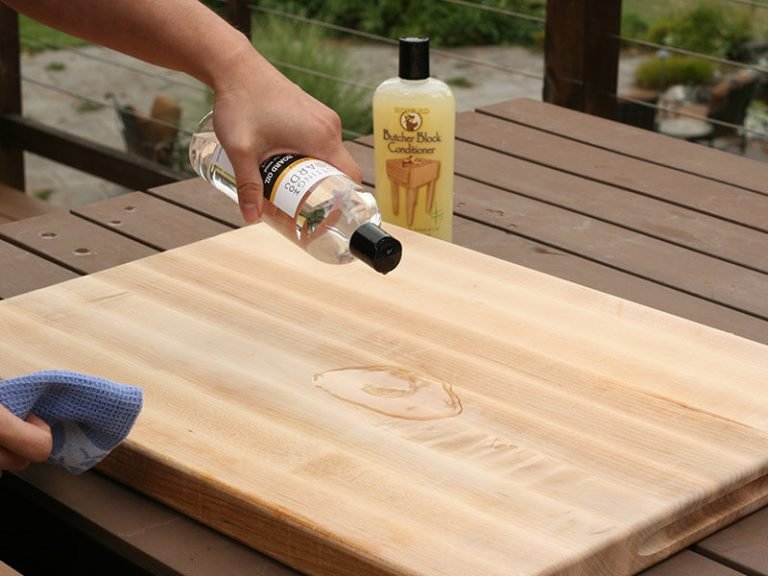
Pour a small amount of oil onto the board. A tablespoon is usually enough for a medium-sized board. You can always add more if needed.
Using a cloth or paper towel, spread the oil evenly across the surface of the board. Ensure you cover all areas, including the sides and corners.
Let the oil soak into the board for at least several hours, or overnight for best results. This allows the oil to penetrate deeply, providing thorough protection.
Frequency Of Oiling
How often should you oil your cutting board? Generally, once a month is a good rule of thumb. This keeps the wood hydrated and prevents cracking.
If your board is new, you may need to oil it more frequently initially to build up the protective layer. Check the board regularly; if it looks dry or feels rough, it’s time for another oiling.
Think about your usage. If you use the board every day, it might need more frequent oiling compared to occasional use.
Isn’t it satisfying to know you can extend the life of your cutting board with just a bit of oil? How do you care for your kitchen tools to keep them in peak condition?
Maintaining Your Cutting Board
Choosing the right oil for your cutting board keeps it in top condition. Food-grade mineral oil is ideal, providing a protective layer and preventing cracks. Regular application helps maintain wood’s longevity and safety for food preparation.
Maintaining your cutting board is essential for its longevity and your kitchen’s hygiene. A well-cared-for cutting board not only looks good but also performs better. Whether you’re a culinary novice or a seasoned chef, understanding how to properly maintain your cutting board can make a significant difference.Cleaning Tips
Regular cleaning is crucial. After each use, wash your cutting board with warm, soapy water. Avoid submerging it in water, as this can cause warping. For a deep clean, sprinkle coarse salt over the board’s surface. Then, rub it with half a lemon. This not only cleans but also helps eliminate lingering odors. Remember to dry your board immediately after washing. Standing water is a breeding ground for bacteria and can damage the wood.Storage Suggestions
Proper storage extends the life of your cutting board. Keep it in a dry, upright position to allow air circulation. This prevents moisture buildup, which can lead to mold. Avoid storing the board near heat sources like ovens or dishwashers. Heat can cause the wood to crack or warp over time. Do you have a dedicated spot for your cutting board? If not, consider a wall-mounted rack or a dedicated shelf space to protect it from kitchen clutter. Maintaining your cutting board doesn’t have to be a chore. With these practical tips, you’ll keep your board in top shape for years to come.Expert Tips For Prolonging Board Life
Choosing the right oil extends the life of cutting boards. Mineral oil is a popular choice for its safety and effectiveness. Regular application keeps the surface smooth and prevents cracks.
Proper maintenance is essential to keep your cutting board in top shape. The right oil can significantly extend its life, ensuring it remains a reliable kitchen companion for years. Let’s dive into expert tips for prolonging your cutting board’s life by choosing the right oil and using it effectively.Understanding The Importance Of Food-safe Oils
When choosing an oil, always go for food-safe options. Mineral oil is a popular choice due to its non-toxic nature and availability. Some people prefer walnut oil or beeswax for their natural properties and pleasant scents.Regular Oiling Schedule
Consistency is key to maintaining your cutting board. A general rule is to oil your board once a month. If you cook frequently, consider oiling it every two weeks.Signs Your Board Needs Oiling
Your board will give you clues when it’s thirsty for oil. Look for a dull surface or feel for rough patches. Notice if water absorbs quickly instead of beading up.Proper Application Technique
Apply a generous amount of oil with a clean cloth or paper towel. Rub it in the direction of the wood grain. Let it absorb overnight for maximum effect.What To Avoid
Stay away from vegetable oils like olive or canola; they can turn rancid. Avoid soaking your board in water, which can warp it. Never use harsh detergents that strip natural oils.Personal Insights On Board Care
I learned the hard way how crucial the right oil is. Once, I used olive oil, and within weeks, my board smelled off. Switching to mineral oil saved the day and my board.Why It Matters
Think of your cutting board as an investment. Taking care of it means it can serve you well for years. Are you treating your cutting board like the kitchen essential it is? By following these expert tips, you’re not just maintaining a cutting board; you’re ensuring a healthier, more sustainable cooking environment. How do you care for your cutting board, and what oils have you found to work best?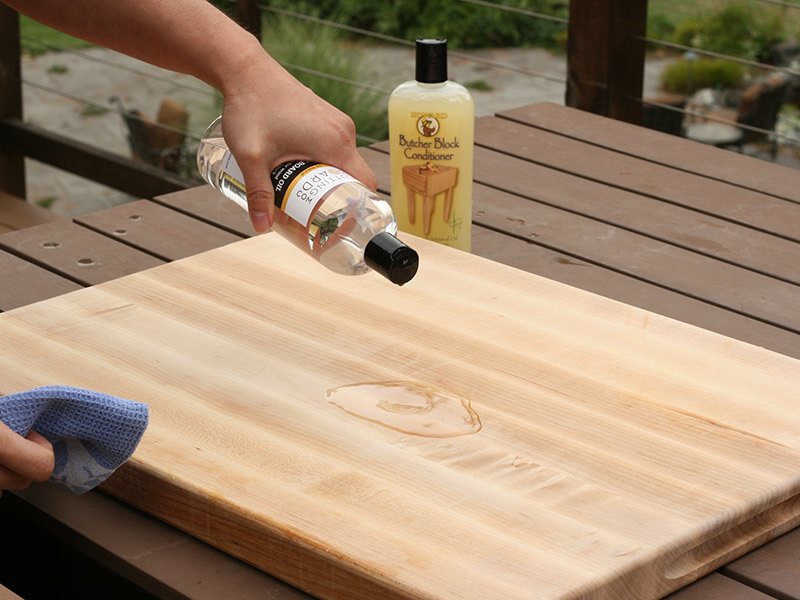
Credit: www.cuttingboard.com
Frequently Asked Questions
What Kind Of Oil To Use On A Cutting Board?
Use food-grade mineral oil for cutting boards. It is safe, non-toxic, and helps maintain wood moisture. Avoid vegetable oils, as they can turn rancid. Regularly oiling keeps the board in good condition.
Is It Okay To Use Olive Oil On Cutting Boards?
Olive oil isn’t ideal for cutting boards. It can go rancid, attracting bacteria. Use mineral oil instead. Mineral oil is food-safe, prevents drying, and maintains the board’s quality. Regular application ensures longevity and hygiene for your cutting board. Keep your kitchen tools safe and well-maintained with proper care.
What Type Of Oil Is Best For Cutting Boards?
Mineral oil is the best choice for cutting boards. It’s food-safe, non-toxic, and prevents the wood from drying out. Unlike vegetable oils, mineral oil doesn’t go rancid. Regular application will maintain the board’s condition, ensuring longevity and hygiene. Always choose a food-grade mineral oil for optimal results.
Can I Use Olive Oil On Cutting Boards?
It’s not advisable to use olive oil on cutting boards. Olive oil can turn rancid over time, leading to unpleasant odors. Instead, use mineral oil, which is non-toxic and won’t spoil. It’s the preferred choice for maintaining the quality and hygiene of your cutting board.
Conclusion
Choosing the right oil keeps your cutting board in top shape. Mineral oil is a popular choice. It’s safe and easy to find. Walnut oil also works well. It adds a nice finish. Avoid vegetable oil; it can spoil. Regular oiling extends your board’s life.
Keeps it looking fresh and clean. Always dry your board after cleaning. This prevents damage and warping. A well-maintained board is crucial for food safety. Happy cooking!

I’m Abby Lu, a passionate home cook who loves simplifying everyday meals. At PlugChef.com, I share product reviews and cooking guides to help you find the best tools for your kitchen.
Related posts:
 What Type of Cooking Utensils are Safe: Expert Picks
 What Innovations Could Blenders Make: Unleashing Future Tech
 Smart Strategies to Organize a Small Kitchen: Maximize Space
 How to Organize a Kitchen Cabinet: Expert Tips & Tricks
 How to Organize Kitchen Drawers: Expert Tips and Tricks
 How to Organize a Corner Kitchen Cupboard: Expert Tips