
Imagine slicing into a fresh loaf of bread or chopping vibrant vegetables on your favorite cutting board. The satisfying sound, the enticing aroma, and the ease of preparation—it all hinges on the condition of your cutting board.
But have you ever paused to consider what keeps your cutting board in top shape? Choosing the right oil is crucial, and it’s not just about aesthetics; it’s about functionality, durability, and even safety. You might wonder why oiling your cutting board is necessary or what type of oil will best serve your needs.
The answer lies in protecting your investment and enhancing your culinary experience. The right oil can prevent cracking, warping, and even the growth of bacteria, ensuring your cutting board remains a steadfast kitchen companion for years to come. Curious about the oils that can transform your cutting board from ordinary to extraordinary? Stick around as we unveil the secrets to choosing the perfect oil. Whether you’re a seasoned chef or just starting your culinary journey, this guide will empower you to make informed choices, transforming your kitchen into a realm of possibility and pleasure. Ready to discover the art of cutting board care? Let’s dive in!

Credit: www.youtube.com
Types Of Cutting Board Oils
Mineral oil, beeswax, and coconut oil are popular choices for cutting board care. These oils protect and moisturize the wood. Regular application keeps the board in good condition, preventing cracks and stains. Avoid using vegetable oils as they can spoil and leave odors.
In the world of kitchen care, choosing the right oil for your cutting board is crucial. Each type of oil offers unique benefits. It helps in preserving the wood and maintaining its natural beauty. The right oil can extend the life of your cutting board. Here, we delve into various types of oils that keep your cutting board in top condition.Mineral Oil
Mineral oil is a popular choice for cutting boards. It is food-safe and odorless, making it ideal for kitchen use. This oil penetrates deep into the wood. It prevents the board from drying out and cracking. Regular application maintains the board’s smooth surface. It also helps to repel water and food particles.Beeswax Oil
Beeswax oil combines mineral oil and natural beeswax. This mix creates a protective layer on the board’s surface. It seals the wood, enhancing its resistance to moisture. Beeswax oil also adds a subtle shine to the board. It provides a natural, pleasant scent. This makes it a favorite among many home cooks.Coconut Oil
Coconut oil is another choice for cutting board care. It is antimicrobial, which keeps the board hygienic. Unlike other oils, coconut oil does not go rancid. This makes it a long-lasting option. Its natural properties protect the wood while adding a sweet aroma. Coconut oil is easy to apply and readily available.Linseed Oil
Linseed oil, derived from flax seeds, is a traditional choice. It hardens upon drying, creating a durable finish. This oil penetrates deeply, nourishing the wood fibers. It is often used for wooden kitchenware. Linseed oil requires more drying time than other oils. But it offers excellent protection once cured.Benefits Of Using Oil On Cutting Boards
Using oil on cutting boards is crucial for maintaining their quality and longevity. It offers multiple benefits that can enhance the performance and appearance of your cutting board. Proper oiling can safeguard your board and make it last longer.
Protection From Moisture
Oil acts as a barrier against moisture. Wood absorbs water, which can lead to warping. Applying oil prevents this by sealing the surface. This shield keeps water out and protects the wood fibers. Water exposure can also cause mold. Oil helps to keep your board hygienic by blocking moisture.
Enhanced Durability
Regular oiling strengthens the board. Wood can dry and crack over time. Oil penetrates and nourishes the wood fibers. This process keeps the board flexible and sturdy. An oiled board withstands daily wear better. It prolongs the life of the cutting board significantly.
Improved Appearance
Oil brings out the natural beauty of wood. It enhances the grain and color, making it vibrant. An oiled board looks new even after years of use. It gives the board a shiny and smooth finish. This improves its appeal and makes it a kitchen centerpiece.
How To Apply Oil On Cutting Boards
Maintaining your cutting board is crucial for its longevity. Regular oiling keeps the board from drying out and cracking. It also prevents bacteria growth. This guide explains how to apply oil to cutting boards effectively. Using the right technique ensures your board remains in excellent condition.
Preparation Steps
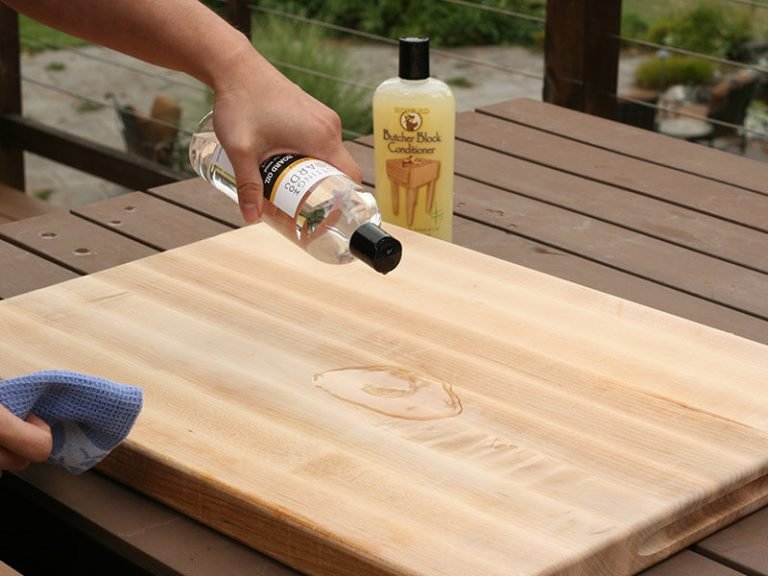
First, clean the cutting board thoroughly. Use mild soap and warm water. Rinse well and dry completely. Ensure there is no leftover moisture. Place the board on a flat surface. Gather your oil and a clean cloth or brush. Mineral oil is a popular choice. It is food-safe and easy to find.
Application Process
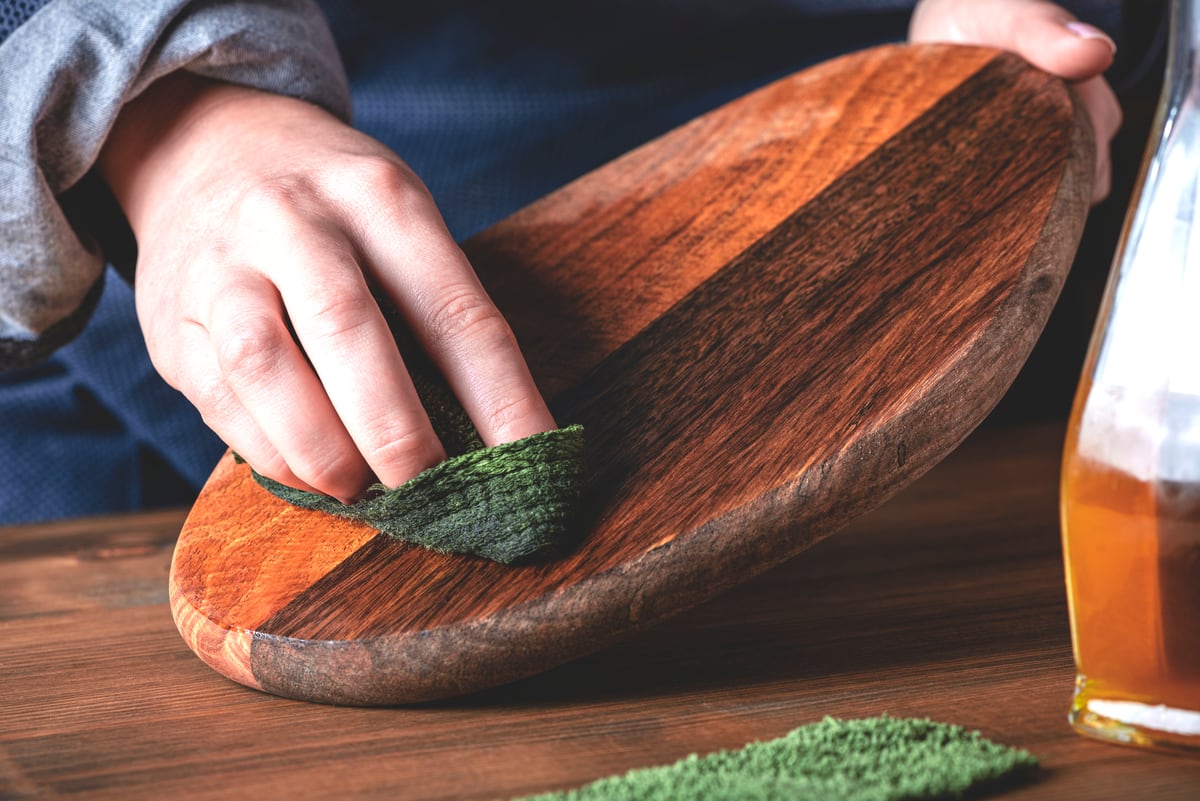
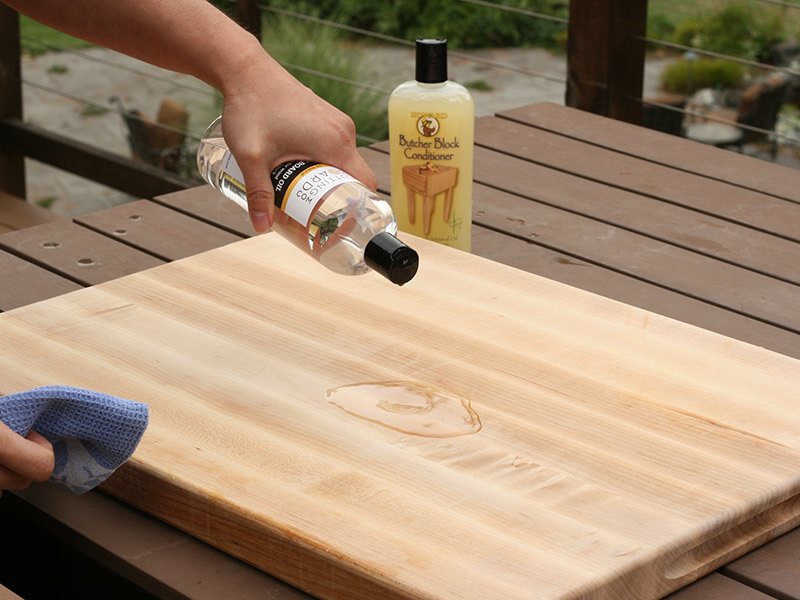
Pour a small amount of oil on the board. A teaspoon is often enough for small boards. Use a cloth to spread the oil evenly. Cover the entire surface. Do not forget the edges. Let the oil sit for at least 15 minutes. This allows the board to absorb it. Wipe off any excess oil with a dry cloth. Let the board dry for a few hours before use.
Frequency Of Application
Oil your cutting board regularly. Once a month is a good rule of thumb. If you use the board daily, consider oiling it more often. Check the board’s dryness. If it looks dull or feels dry, it needs oil. Regular maintenance ensures the board stays in top shape.
Common Mistakes To Avoid
Choosing the right oil for cutting boards is crucial. Avoid using vegetable or olive oils as they can spoil. Mineral oil is a safe choice, ensuring your board remains in good condition.
Maintaining a cutting board is essential for its longevity and safety. Yet, many people make common mistakes when oiling their boards, leading to damage or reduced effectiveness. Understanding these pitfalls can ensure your cutting board remains in top condition.Using Cooking Oils
Many people mistakenly use cooking oils like olive or vegetable oil on their cutting boards. These oils can go rancid over time, leaving an unpleasant odor on your board. Instead, choose mineral oil, which is odorless and safe for food contact. Imagine preparing a fresh salad, only to have it tainted by a sour smell from your board. Avoid that disappointment by selecting the right oil for maintenance. Have you ever checked what’s in your pantry?Over-oiling
Applying too much oil can seem like a good way to protect your board, but it can lead to a sticky surface. This excess oil traps dust and bacteria, defeating the purpose of cleaning. A light, even coat is all you need to keep your board in great shape. Remember, moderation is key. How often do you find yourself reaching for the oil bottle?Ignoring Manufacturer Instructions
Each cutting board can have specific care instructions based on its material and finish. Ignoring these can result in damaging the board or voiding any warranty. Take a moment to read any labels or guides that come with your board. They often contain valuable tips for extending its life. When was the last time you glanced at those instructions? Understanding and avoiding these common mistakes ensures your cutting board remains a reliable kitchen companion. By using the right oil, applying it sparingly, and following manufacturer guidelines, you set yourself up for culinary success. Which mistake will you avoid today?Tips For Maintaining Oiled Cutting Boards
Maintaining an oiled cutting board is crucial for its longevity. Proper care prevents cracks and keeps the board looking great. With regular maintenance, your cutting board can serve you well for years. Follow these tips to keep your board in top shape.
Regular Cleaning
Clean your cutting board after each use. Use warm water and mild soap to wash it. Avoid soaking the board in water. Excess water can damage the wood. Dry it immediately with a clean towel.
Storage Guidelines
Store your cutting board in a dry place. Keep it away from direct sunlight. Sunlight can cause the wood to warp. Ensure it stands upright to allow air circulation.
Reapplication Schedule
Reapply oil every month to maintain the board’s condition. Use food-safe mineral oil for this purpose. Apply the oil evenly over the surface. Let it sit for a few hours before wiping off excess.
Credit: hardwood-lumber.com
Credit: www.cuttingboard.com
Frequently Asked Questions
What Kind Of Oil Do You Use On Cutting Boards?
Use food-grade mineral oil to treat cutting boards. It prevents drying and cracking. Apply regularly for best results. Avoid using vegetable oils as they can turn rancid. Ensure the oil is safe for food contact. Proper maintenance keeps your cutting board in great condition.
Can I Use Olive Oil On A Cutting Board?
Yes, you can use olive oil on a cutting board, but it’s not ideal. Olive oil can turn rancid and leave a smell. Instead, use mineral oil, which is food-safe and doesn’t spoil. Properly oiling your cutting board maintains its condition and prevents drying or cracking.
What Oil Is Food Safe On Wood?
Use food-safe oils like mineral oil, coconut oil, or walnut oil on wood surfaces. These oils protect and enhance wood grain, ensuring durability. Regular application maintains wood’s appearance and prevents drying or cracking. Always choose non-toxic, natural oils for kitchen items like cutting boards.
What Is The Best Oil For Cutting Boards?
Food-grade mineral oil is the best for cutting boards. It’s odorless, tasteless, and prevents wood from drying out. Mineral oil is also non-toxic and safe for food contact. Regular application helps maintain the board’s integrity and extends its lifespan. Always choose a reputable brand for optimal results.
Conclusion
Choosing the right oil for your cutting board is crucial. It keeps your board healthy and looking fresh. Mineral oil is a top choice. Safe and effective. Beeswax adds shine and protection. Coconut oil offers a natural option. Always pick food-safe oils.
Avoid cooking oils. They can spoil and smell bad. Regular oiling extends your board’s life. Keeps it in great shape. Happy cutting and cooking! Maintain your board well and enjoy its benefits. Simple care brings big rewards. Protect your kitchen investment.
Stay informed, stay safe.

Hi, I’m Daniel Brooks—a food lover and kitchen gear enthusiast. I enjoy testing cookware, utensils, and gadgets to see what really works in everyday cooking. At PlugChef.com, I share honest reviews, comparisons, and simple guides to help you choose the best tools for a safer, smarter, and more enjoyable kitchen.
Related posts:
 What Type of Cooking Utensils are Safe: Expert Picks
 What Innovations Could Blenders Make: Unleashing Future Tech
 Smart Strategies to Organize a Small Kitchen: Maximize Space
 How to Organize a Kitchen Cabinet: Expert Tips & Tricks
 How to Organize Kitchen Drawers: Expert Tips and Tricks
 How to Organize a Corner Kitchen Cupboard: Expert Tips