
Imagine preparing a delicious meal in your kitchen. You reach for your trusty wooden cutting board, a staple in your culinary adventures.
But have you ever wondered how to keep it in top condition? The secret lies in the oil you use. Choosing the right oil can extend your cutting board’s life, keep it looking beautiful, and even impact the safety of your food preparation.
We’ll explore the oils you should consider for your wooden cutting board. Whether you’re a seasoned chef or a kitchen newbie, understanding this simple yet crucial aspect of kitchen maintenance can make a world of difference. Ready to discover the best oil for your cutting board and why it matters? Read on to ensure your culinary tools stay as sharp as your cooking skills.
Credit: www.cuttingboard.com
Importance Of Oiling Wooden Cutting Boards
Wooden cutting boards are essential in many kitchens. They add warmth and charm to any cooking space. Yet, their beauty and utility depend on proper maintenance. Oiling your wooden cutting board is vital. It helps maintain its appearance and prolongs its life. Regular oiling prevents drying and cracking. This keeps your cutting board safe and functional for years.
Importance Of Moisture Retention
Wood is a natural material. It can easily lose moisture over time. Oiling creates a protective layer. This layer locks in moisture. It prevents the wood from drying out. A well-oiled board remains smooth and sturdy. This ensures it lasts longer and serves you better.
Preventing Bacteria Build-up
Wood can absorb bacteria from food. Oiling acts as a barrier. It reduces the chances of bacteria seeping in. A sealed surface is less likely to harbor germs. This makes your kitchen safer and your meals healthier.
Enhancing Appearance
Oiling brings out the wood’s natural beauty. It enhances the grain and color. A well-maintained board looks fresh and new. This adds elegance to your kitchen. Aesthetic appeal can inspire creativity in cooking.
Maintaining Structural Integrity
Oiling prevents cracking and warping. It keeps the wood flexible and resilient. A sturdy board withstands daily use. This ensures it remains a reliable kitchen tool. Proper care saves you money by reducing replacement needs.
Credit: www.thekitchn.com
Characteristics Of The Best Oils
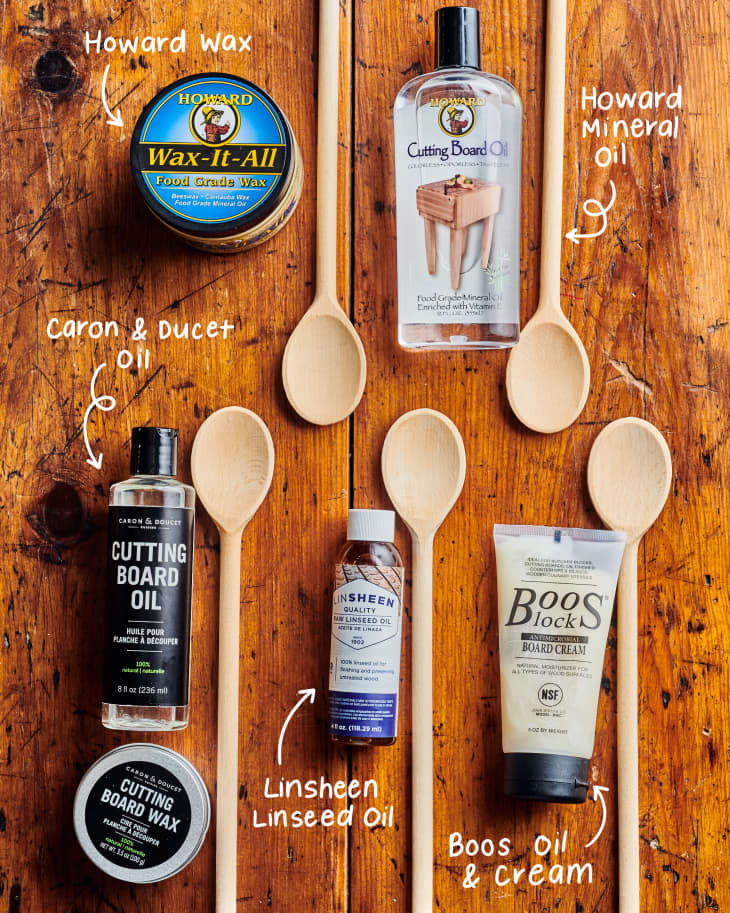
Choosing the right oil for your wooden cutting board is crucial. Oils protect the wood and keep it in top condition. The best oils have specific characteristics that make them effective and safe. Let’s explore what makes an oil suitable for your cutting board.
Non-toxic
Safety is the top priority. The oil should be food-safe and non-toxic. This ensures no harmful chemicals touch your food. Look for oils labeled as food-grade.
Water-resistant
Effective oils create a barrier against moisture. Water-resistance prevents the wood from warping or cracking. It keeps the board looking great and lasting longer.
Absorbent
Good oils penetrate deep into the wood fibers. Absorption helps maintain the board’s natural texture and appearance. It also enhances the wood’s durability.
Odorless
Strong smells can transfer to food. The best oils are odorless or have a mild scent. They preserve the natural aroma of your ingredients.
Easy To Apply
An ideal oil should be simple to use. Smooth application means quick maintenance. It saves time and effort while ensuring the board stays in good shape.
Mineral Oil
Mineral oil is a popular choice for maintaining wooden cutting boards, mainly due to its effectiveness and affordability. It’s a clear, odorless, and tasteless oil that works wonders in keeping your board in tip-top shape. If you’ve ever wondered how to keep your wooden cutting board looking new, mineral oil might just be the answer.
Benefits For Wooden Boards
Mineral oil offers several advantages for wooden cutting boards. First, it prevents the wood from drying out and cracking by providing essential moisture. This can significantly extend the lifespan of your board.
Another benefit is its ability to create a barrier against bacteria. By saturating the wood fibers, mineral oil helps prevent food particles and liquids from seeping into the board, keeping it hygienic.
Plus, it enhances the board’s appearance, giving it a sleek, polished look. Who doesn’t love a cutting board that looks as good as new? Imagine showing it off at your next dinner party!
Application Tips
Applying mineral oil to your cutting board is simple and quick. Start by ensuring your board is clean and dry. You don’t want any food residue or water affecting the process.
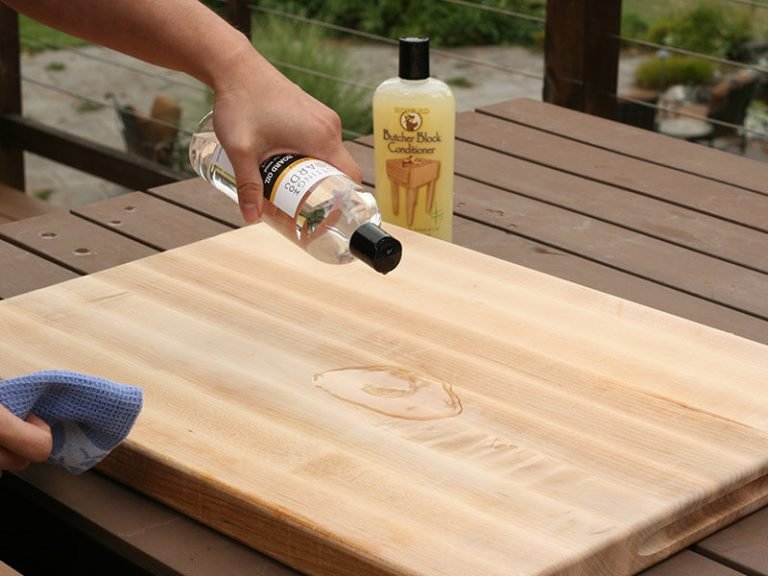
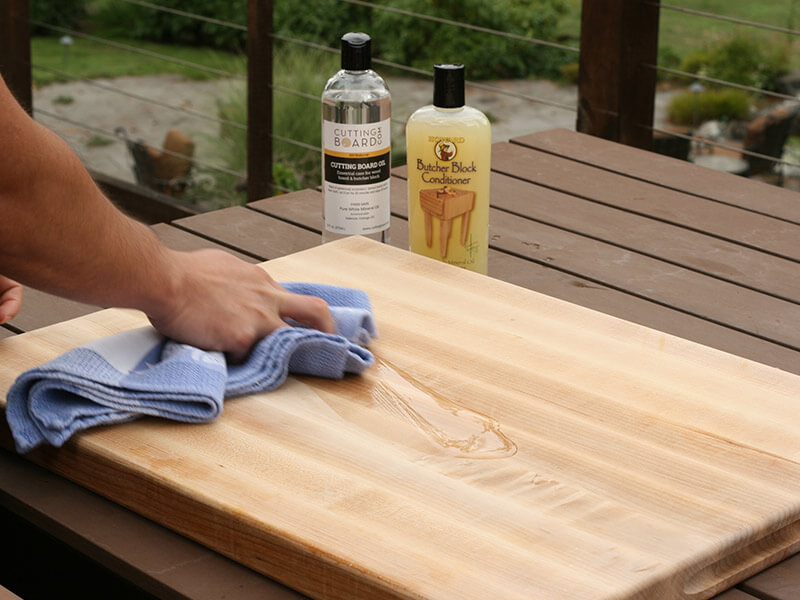
Pour a small amount of mineral oil onto the board, using a soft cloth or paper towel to spread it evenly. Remember, a little goes a long way, so there’s no need to drown the board in oil.
Let the oil soak in for several hours, or ideally overnight, allowing the wood fibers to absorb it thoroughly. Do you find yourself always rushing this step? Try applying the oil before bedtime!
Finally, wipe off any excess oil with a clean cloth. Repeat this process once a month or when the board starts to look dry. You’ll notice the difference in how your board feels and performs.
Beeswax And Mineral Oil Blends
Beeswax and mineral oil blends are perfect for wooden cutting boards. They nourish and protect the wood. This combination prevents cracking and keeps the board looking new.
When it comes to maintaining your wooden cutting board, beeswax and mineral oil blends are a fantastic choice. These blends combine the protective properties of beeswax with the food-safe, moisturizing qualities of mineral oil. They not only enhance the board’s appearance but also provide a durable barrier against water and bacteria.Advantages Of Using Blends
Blends of beeswax and mineral oil offer several benefits for wooden cutting boards. The mineral oil penetrates deep into the wood, keeping it from drying out and cracking. Meanwhile, beeswax forms a protective layer on the surface, repelling water and sealing in the moisture. This combination ensures your cutting board stays in excellent condition for longer. You may notice it feels smoother and looks more vibrant after using these blends. Plus, the natural ingredients are safe, even if you use your board for food preparation.How To Apply
Applying beeswax and mineral oil blends to your cutting board is simple. Start with a clean, dry board. Make sure there’s no residual moisture, as water can prevent the oil from absorbing properly. Use a clean cloth or paper towel to apply a small amount of the blend. Rub it over the entire surface, moving in the direction of the wood grain. This helps the oil penetrate more effectively and ensures even coverage. Let the blend sit on the board for a few hours, or overnight if possible. This gives the wood enough time to absorb the oil and beeswax fully. Afterward, wipe off any excess with a clean cloth. Remember, regular maintenance is key. How often do you treat your cutting board? Consider applying the blend every few weeks, depending on how frequently you use the board. Incorporating beeswax and mineral oil blends into your routine can extend the life of your cutting board. It’s a small step that makes a big difference. And who doesn’t appreciate a kitchen tool that looks great and lasts longer?Coconut Oil
Coconut oil is a popular choice for maintaining wooden cutting boards. Its natural properties make it a favorite among many home cooks. Coconut oil has been praised for its moisturizing capabilities. It keeps wood from drying out, ensuring longevity.
Pros Of Using Coconut Oil
Coconut oil is antimicrobial. This helps in fighting bacteria. It is a natural solution for hygiene concerns. Coconut oil is affordable and easy to find. Many prefer it due to its mild scent. It leaves your board smelling fresh and clean.
Coconut oil is long-lasting. It doesn’t go rancid quickly. This means fewer applications over time. It penetrates wood deeply, nourishing from within.
Application Techniques
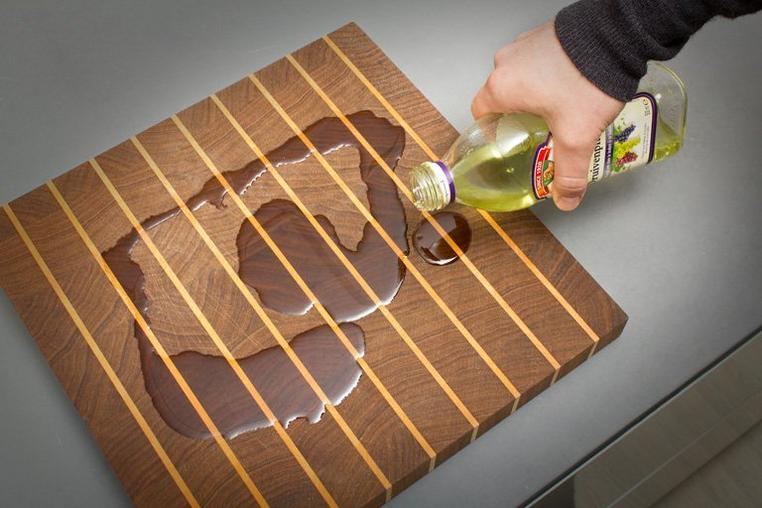
Start with a clean cutting board. Use warm water and mild soap. Dry it completely before applying oil. Use a soft cloth or paper towel. Apply a small amount of coconut oil. Rub it gently over the board’s surface.
Ensure all areas are covered. Let the oil sit for several hours. Overnight is best for deep absorption. Buff the board with a clean cloth. This removes excess oil and gives a nice sheen.
Repeat the process monthly. This keeps the board in top shape. Regular maintenance extends the board’s life.
Credit: www.knivesandtools.com
Walnut Oil
Walnut oil is a popular choice for maintaining wooden cutting boards. It offers a natural sheen and protects the wood’s surface. Many chefs and home cooks prefer walnut oil for its easy application. This oil helps in preserving the wood by preventing cracks and splits. A well-oiled board lasts longer and remains hygienic.
Suitability For Cutting Boards
Walnut oil penetrates deeply into the wood’s surface. This helps in creating a protective barrier. It keeps out moisture and bacteria. Walnut oil is food-safe and doesn’t leave a sticky residue. It also enhances the board’s natural grain, giving it a rich appearance.
Potential Allergies
Some people may have nut allergies. Walnut oil can trigger allergic reactions in sensitive individuals. It’s essential to know if anyone using the board has such allergies. If unsure, choose a different oil to be safe. Always prioritize safety when maintaining kitchen tools.
Avoid These Oils
Certain oils can damage wooden cutting boards. Mineral oil is safe and effective for maintaining them. Avoid olive, vegetable, and other cooking oils as they can lead to rancidity and spoilage. Ensure longevity by selecting oils specifically designed for wood care.
When caring for your wooden cutting board, the type of oil you choose can make all the difference. Not all oils are created equal, and some can do more harm than good. It’s crucial to know which oils to avoid to keep your cutting board in top condition and safe for food preparation. Let’s delve into oils that should never touch your wooden board.Rancid Oils
Using oils that can become rancid is a common mistake. Rancid oils are those that have gone bad, often due to exposure to air, light, or heat. They can leave your cutting board smelling unpleasant and can even transfer bad flavors to your food. Oils like canola, sunflower, and soybean are prone to turning rancid quickly. Once rancid, these oils can also become sticky, leaving a residue that’s hard to clean. Would you want to take a bite of your freshly prepared meal only to taste a hint of old, stale oil? Probably not. To avoid this, steer clear of oils that don’t have a long shelf life.Flavored Oils
Flavored oils might seem like a fun way to add a twist to your cutting board maintenance, but they can be problematic. Oils infused with herbs, garlic, or chili can impart unwanted flavors onto your board and, subsequently, your food. Imagine slicing a fresh apple only to have it taste faintly of garlic. The flavors absorbed by the wood can be persistent and difficult to remove. Additionally, flavored oils often contain additives that may not be food-safe over time. It’s best to keep your cutting board maintenance simple and safe by avoiding these tempting, yet risky, options. Choosing the right oil for your wooden cutting board is essential for its longevity and your culinary enjoyment. Have you ever encountered unexpected flavors on your food due to using the wrong oil? What steps did you take to fix it? Share your experiences and insights below!Frequency Of Oiling
Regular oiling keeps your wooden cutting board in top condition. It prevents cracking and warping over time. Knowing how often to oil is crucial for maintenance. This section explains the frequency of oiling for your cutting board.
How Often Should You Oil?
Oiling frequency depends on usage and type of wood. Generally, oil your cutting board every month. This keeps it from drying out. Boards used daily may need more frequent oiling. Feel the surface to check for dryness.
Signs Your Board Needs Oiling
Look for a dull surface. Dullness indicates dryness. Cracks or splits mean urgent oiling is needed. Water soaking into the board is another sign. Regular oiling helps maintain its lifespan.
Adjusting Oiling Based On Climate
Climate affects the board’s moisture level. Dry climates require more frequent oiling. Humid climates might need less. Monitor your board’s condition regularly. Adjust oiling based on observed changes.
Benefits Of Regular Oiling
Oiling prevents bacterial growth. It keeps the board clean and safe. Well-oiled boards resist stains and odors. The surface remains smooth for easy chopping. Regular maintenance enhances longevity.
Step-by-step Oiling Process
Using mineral oil on a wooden cutting board keeps it in top shape. This oil is food-safe and prevents cracks. Regular application ensures the board remains smooth and durable.
Oiling your wooden cutting board is an essential maintenance step that extends its life and keeps it looking beautiful. It also helps to seal the wood, preventing bacteria from seeping in. Whether you’re a seasoned chef or just enjoy cooking at home, knowing the right way to oil your cutting board can make all the difference. Here’s a simple step-by-step guide to get your board in top shape.Preparation
Before you begin, make sure your cutting board is clean and dry. Use warm water and mild dish soap to wash it, then let it air dry completely. A damp board won’t absorb the oil properly, leading to uneven results. Gather your materials. You will need food-grade mineral oil, a clean cloth or paper towel, and a little patience. Mineral oil is preferred because it won’t go rancid like some other oils.Application
Pour a small amount of mineral oil onto the surface of the board. Use a clean cloth or paper towel to spread the oil evenly across the board. Make sure you cover every inch, paying special attention to the edges and any grooves. Rub the oil in using a circular motion. This helps the oil penetrate deeper into the wood, providing better protection. Don’t be afraid to add more oil if the board seems to absorb it quickly.Drying Time
After applying the oil, allow the cutting board to sit and absorb the oil. Ideally, leave it overnight. This gives the oil enough time to soak in and condition the wood thoroughly. Once the drying time is complete, wipe off any excess oil with a clean cloth. Your cutting board should now have a nice sheen and be ready for use. Have you ever noticed how a well-oiled board seems to enhance the aroma of fresh herbs or veggies as you chop? It’s a subtle reminder of how small maintenance steps can elevate your cooking experience. How often do you oil your cutting board? Regular care can make all the difference in its longevity and performance. A little effort goes a long way in preserving your kitchen tools.Maintaining Your Cutting Board
Wooden cutting boards require special care to last longer. Proper maintenance keeps them looking great and prevents bacteria buildup. Using the right oil can enhance their lifespan and appearance. Let’s explore how to maintain your cutting board effectively.
Routine Care
Clean your cutting board after each use. Use warm water and mild soap. Avoid soaking it. Dry with a towel immediately. Keep it in a dry place. This prevents warping and cracking. Regular cleaning stops germs from spreading.
When To Reapply
Reapply oil every few weeks. The board should look dry. If water doesn’t bead on the surface, it’s time. Use food-grade mineral oil for the best results. Apply a generous amount. Let it soak overnight. Then wipe off the excess. Your board will stay healthy and beautiful.
Frequently Asked Questions
What Oil Is Good For Wood Cutting Boards?
Mineral oil is excellent for wood cutting boards. It prevents drying and cracking. Food-grade mineral oil is safe and enhances the wood’s natural beauty. Regular application helps maintain the board’s condition and longevity. Avoid vegetable or olive oils, as they can go rancid.
Can I Use Olive Oil To Treat My Wood Cutting Board?
No, olive oil can go rancid on wood cutting boards. Use mineral oil or specialized cutting board oil instead. These oils condition the wood and prevent it from drying out, ensuring longevity and safe food preparation. Regular maintenance with the right oil keeps your cutting board in optimal condition.
What Oil Is Food Safe On Wood?
Mineral oil, walnut oil, and beeswax are food-safe oils for wood. They protect and enhance the wood’s appearance. These oils are ideal for cutting boards and kitchen utensils, ensuring durability and safety. Always choose food-grade products to ensure safety and effectiveness.
What Type Of Oil Is Best For Cutting Boards?
Food-grade mineral oil is the best choice for wooden cutting boards. It is non-toxic and odorless. This oil helps to keep the wood moisturized and prevents cracking. Ensure the oil is FDA-approved for food contact to ensure safety.
Conclusion
Selecting the right oil keeps your cutting board safe. Mineral oil offers a cost-effective solution. It’s easy to find and apply. Beeswax adds extra protection and shine. Coconut oil provides a natural, pleasant scent. Always opt for food-grade oils. This ensures safety for your meals.
Regular oiling prevents cracks and damage. A well-maintained board lasts longer. It enhances your kitchen experience. Keep your cutting board happy with proper care. Make oiling a regular habit. Your wooden board will thank you. Enjoy the smooth surface for years to come.
A little care goes a long way.

I’m Abby Lu, a passionate home cook who loves simplifying everyday meals. At PlugChef.com, I share product reviews and cooking guides to help you find the best tools for your kitchen.
Related posts:
 What Type of Cooking Utensils are Safe: Expert Picks
 What Innovations Could Blenders Make: Unleashing Future Tech
 Smart Strategies to Organize a Small Kitchen: Maximize Space
 How to Organize a Kitchen Cabinet: Expert Tips & Tricks
 How to Organize Kitchen Drawers: Expert Tips and Tricks
 How to Organize a Corner Kitchen Cupboard: Expert Tips