

Choosing the right cooking utensils can elevate your culinary experience and make your time in the kitchen more enjoyable. As you sift through the myriad options, it’s easy to feel overwhelmed.
But what if you could select materials that not only enhance your cooking but also ensure safety and durability? Imagine the satisfaction of using utensils that feel just right in your hand, turning every meal preparation into a delightful ritual.
Discover which materials promise not only longevity but also a seamless cooking experience, making every dish you create a masterpiece. You’ll find that selecting the best cooking utensils is not just about practicality, but about transforming your cooking into an art form. Are you ready to uncover the secrets of perfect cooking utensils? Dive into the world of culinary materials that await your exploration.
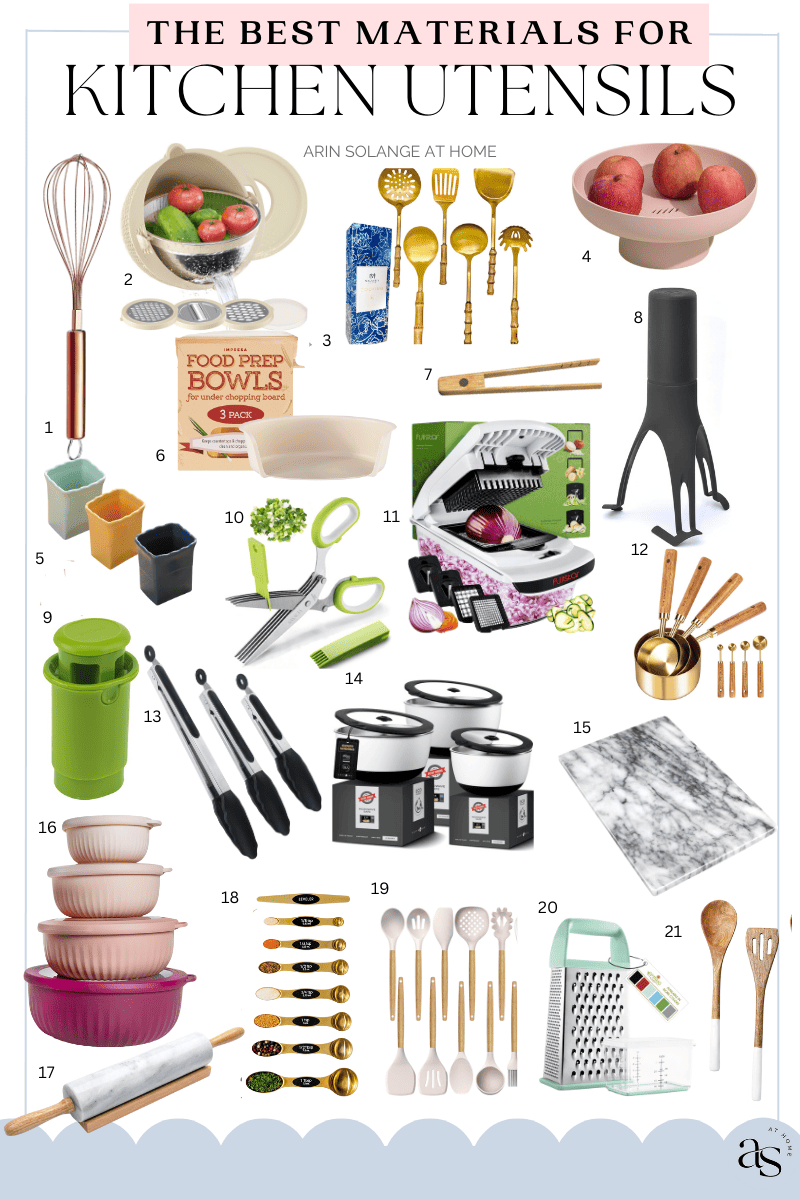
Credit: arinsolangeathome.com
Wooden Utensils
Wooden utensils are a kitchen staple for many home cooks and chefs. These tools have been used for generations due to their natural appeal and versatility. With a simple design, they fit seamlessly into any kitchen setting. Their durability and gentle nature make them popular choices for a variety of cooking tasks.
Pros And Cons
Wooden utensils offer several advantages. They are gentle on non-stick surfaces, preventing scratches. This helps maintain the longevity of your pans. Wooden spoons and spatulas do not conduct heat, so handles stay cool. This reduces the risk of burns while cooking. They are also environmentally friendly and biodegradable.
Despite their benefits, wooden utensils have some drawbacks. They can absorb odors and stains from certain foods. Over time, they may split or crack if not cared for properly. Regular maintenance, like oiling, is required to keep them in good condition.
Best Uses In The Kitchen
Wooden utensils excel in stirring and mixing tasks. They are ideal for sauces, soups, and stews. Their non-reactive nature makes them perfect for acidic dishes. Wooden spoons are great for baking, especially when creaming butter and sugar. They also work well with sticky ingredients like honey or syrup.
For frying, wooden spatulas are gentle yet effective. They allow you to turn and flip without damaging delicate foods. In salads, wooden utensils help toss ingredients without bruising leafy greens. Their unique texture provides a better grip on slippery foods.
Silicone Utensils
Silicone utensils are popular for their flexibility and heat resistance. They won’t scratch non-stick surfaces, keeping cookware safe. Easy to clean, they don’t retain odors or stains, making them a practical choice for everyday cooking.
Silicone utensils have become a staple in many kitchens, offering both versatility and durability. These colorful tools are not only visually appealing but also incredibly functional. Have you ever tried flipping a pancake with a silicone spatula? If not, you’re missing out on a smooth cooking experience. Silicone utensils are a great choice for anyone looking to upgrade their cooking arsenal without breaking the bank. They’re easy to clean, safe for all types of cookware, and can withstand high temperatures. Let’s dive into why silicone utensils might just be the perfect addition to your kitchen.Heat Resistance
One of the standout features of silicone utensils is their impressive heat resistance. Imagine stirring a bubbling pot of homemade stew without worrying about your spoon melting away. Silicone can handle high temperatures, making it perfect for any cooking task. These utensils can endure temperatures up to 500°F, ensuring they won’t warp or melt under pressure. So next time you’re experimenting with a new recipe, rest assured your silicone tools will keep up.Non-stick Cookware Compatibility
Silicone is known for its gentle touch, making it ideal for non-stick cookware. You want to protect that precious coating on your pans, right? Silicone won’t scratch or damage, keeping your pans in top condition. Think about your favorite omelet pan or your go-to frying skillet. Using silicone utensils ensures you won’t ruin their surface. This means you can enjoy your cooking for years without worrying about replacing your cookware. Silicone utensils offer a unique blend of functionality and practicality. Whether you’re a novice cook or a seasoned chef, they can enhance your culinary adventures. Have you tried silicone utensils yet? If not, it might be time to give them a go and see the difference they can make in your kitchen.Stainless Steel Utensils
Stainless steel utensils have become a staple in modern kitchens. Their sleek design and practical functionality make them a favorite among home cooks and professional chefs alike. But what makes stainless steel the go-to choice for cooking utensils?
Durability And Strength
Stainless steel is known for its incredible durability. Unlike plastic or wood, it doesn’t warp or crack under high temperatures. Imagine cooking a big meal without worrying about your utensils breaking or bending. Stainless steel can handle the heat, literally.
This strength means you won’t need to replace your utensils frequently. Investing in stainless steel might cost more upfront, but it saves money in the long run. You won’t find yourself buying new spatulas every few months.
Safety And Hygiene
Stainless steel is non-reactive, which means it won’t alter the taste of your food. Ever noticed a weird taste after using a plastic spoon? Stainless steel doesn’t have that problem. It’s a safe choice for all types of cooking.
Moreover, it’s easy to clean. It resists stains and doesn’t harbor bacteria as easily as other materials. You can toss it in the dishwasher without a second thought. This makes stainless steel not only safe but hygienic.
Have you ever felt uncertain about whether your utensils are truly clean? Stainless steel gives you peace of mind. Knowing your tools are clean and safe can change the way you cook and enjoy meals.
So, why settle for anything less? Stainless steel gives you strength, safety, and hygiene all in one. What’s your experience with stainless steel utensils? Have they made cooking easier and more enjoyable for you?
Bamboo Utensils
Bamboo utensils offer an eco-friendly choice for cooking. They are durable, lightweight, and gentle on cookware. These natural tools are perfect for everyday use, resisting stains and odors effectively.
Bamboo utensils have become a popular choice in kitchens around the world. They are known for their durability, lightweight nature, and eco-friendliness. If you’re considering an upgrade to your cooking tools, bamboo might just be the perfect fit.Eco-friendly Benefits
Bamboo is one of the fastest-growing plants on Earth, making it a highly renewable resource. Unlike plastic or metal, bamboo utensils are biodegradable, which means they won’t end up polluting our oceans or landfills. Switching to bamboo can significantly reduce your carbon footprint. Imagine cooking your favorite dish knowing you’re contributing positively to the environment. It’s a small change with a big impact.Maintenance Tips
To keep your bamboo utensils in top shape, wash them by hand with mild soap and warm water. Avoid soaking them in water for long periods, as this can weaken the bamboo fibers. After washing, dry them immediately with a towel. You might want to occasionally rub them with mineral oil to maintain their luster and prevent cracking. Have you ever been frustrated with a cracked or splintered utensil? Proper maintenance can prevent these issues and extend the life of your bamboo tools. Switching to bamboo utensils is not just a trend; it’s a sustainable choice that benefits both your kitchen and the planet. How will you make your cooking more eco-friendly today?Plastic Utensils
Plastic utensils have become a staple in modern kitchens. They offer convenience and a wide range of uses. Many cooks appreciate their lightweight nature and resistance to scratching. But there are pros and cons to consider. Understanding these aspects can help in making an informed decision.
Affordability And Versatility
Plastic utensils are often very affordable. They are suitable for people on a budget. You can find them in various colors and styles. This makes them easy to match with kitchen decor. They can be used with non-stick cookware without worry. The variety in design serves different cooking needs. This versatility is a significant advantage for home cooks.
Potential Health Concerns
Plastic utensils may pose health risks. Some plastics can release harmful chemicals when heated. It’s essential to check for BPA-free labels. These labels indicate safer plastic options. High temperatures can melt plastic utensils. This can result in food contamination. Avoid using them with extremely hot foods to minimize risks.
Copper Utensils
Copper utensils offer excellent heat conductivity, making them ideal for precise cooking. Their durability ensures long-lasting use in kitchens. Copper’s antimicrobial properties contribute to healthier cooking environments.
Copper utensils have long been cherished in kitchens around the world. They bring more than just functionality to your culinary endeavors. Copper’s unique qualities can elevate both your cooking experience and your kitchen’s aesthetic appeal.Aesthetic Appeal
Copper utensils are a visual delight. Their warm, rich tones add a touch of elegance to any kitchen. Imagine a set of copper pots gleaming on your stove, inviting you to cook a delicious meal. Copper’s timeless beauty can complement various kitchen styles. Whether your kitchen is modern or rustic, copper utensils can blend seamlessly. They not only serve as practical tools but also as decorative elements, making your kitchen a more inviting space. Have you ever noticed how copper utensils catch the light? They can create a stunning display, turning your kitchen into a cozy, welcoming environment. If you enjoy hosting, copper utensils could be a conversation starter.Care And Maintenance
Caring for copper utensils requires some effort but is well worth it. Regular polishing helps maintain their shine and prevents tarnish. This might sound like a chore, but it can be a rewarding ritual, keeping your kitchen beautiful. Consider using a mixture of lemon juice and salt for cleaning. This combination is effective in restoring copper’s natural luster. It’s a straightforward process that you can easily add to your kitchen routine. Copper utensils can react with certain foods, especially acidic ones. It’s important to line them with stainless steel or tin to prevent any unwanted reactions. Are you ready to embrace the charm of copper? With a bit of care, they can become treasured items in your culinary collection.Choosing The Right Utensils
Selecting the ideal cooking utensils can enhance your culinary experience. Stainless steel offers durability and heat resistance, while silicone provides flexibility and non-stick properties. Wooden utensils are gentle on cookware and eco-friendly, making them a natural choice for many kitchens.
Choosing the right cooking utensils can make or break your culinary experience. Ever tried flipping pancakes with a metal spatula on a non-stick pan, only to scratch it? It’s a mistake many of us have made. Selecting the right tools ensures not just delicious results, but also longer-lasting cookware. Let’s dive into some practical tips to guide you in making the right choices.Matching Utensils With Cookware
Your cookware and utensils should be a harmonious duo. Non-stick pans pair best with silicone or wooden utensils. Metal utensils could damage the coating, reducing the pan’s lifespan. Cast iron skillets, however, can handle metal tools with ease. They are durable and perfect for high-heat cooking. Consider what you have in your kitchen and match accordingly. Stainless steel cookware offers versatility. It can withstand metal, wood, or silicone. But, using silicone can reduce noise and prevent scratches. Which combination suits your cooking style?Budget Considerations
High-quality utensils don’t always mean high prices. Setting a budget helps you prioritize what’s essential without overspending. Consider investing in a quality set of basics. A good spatula, spoon, and whisk can go a long way. Check for reviews and ratings online before making a decision. Think about durability versus cost. Sometimes spending a little more upfront saves money in the long run. What are you willing to invest in for your kitchen’s future? Choosing utensils might seem trivial, but the right ones can elevate your cooking. Next time you reach for a tool, think about its impact on your dish and your cookware. Your kitchen is your domain; make sure it’s equipped for success.:max_bytes(150000):strip_icc()/faw-cooking-utensils-sets-test-gir-10-piece-best-sellers-michael-navarro-06_crop-c0f4731a681d44679397e85c1d3aa78f.jpeg)
Credit: www.foodandwine.com

Credit: stahlkitchens.com
Frequently Asked Questions
What Is The Healthiest Material For Cooking Utensils?
Stainless steel, bamboo, and silicone are the healthiest materials for cooking utensils. They are non-toxic, durable, and resistant to bacteria. Bamboo is eco-friendly, while stainless steel is long-lasting and versatile. Silicone handles high temperatures without leaching chemicals, making it ideal for non-stick cookware.
Choose wisely for a healthier kitchen.
Which Material Utensil Is Best For Cooking?
Stainless steel utensils are ideal for cooking due to their durability and non-reactive nature. They offer even heat distribution, ensuring well-cooked meals. Cast iron is also excellent for its heat retention and enhancing flavors. Non-stick options are good for low-fat cooking.
Choose based on your specific cooking needs.
What Are The Best Quality Cooking Utensils?
The best quality cooking utensils include stainless steel, cast iron, and silicone. Stainless steel offers durability and heat resistance. Cast iron provides excellent heat retention and even cooking. Silicone is non-stick and heat resistant, perfect for baking. Brands like All-Clad, Le Creuset, and OXO are highly recommended for quality and performance.
Is It Better To Cook With Wooden Or Silicone Utensils?
Cooking with silicone utensils is generally better. They withstand high temperatures and are non-scratch. Silicone is durable and easy to clean. Wooden utensils can harbor bacteria and absorb flavors. Silicone offers more versatility and safety in modern kitchens.
Conclusion
Choosing the right cooking utensil material is important. It affects food taste and safety. Stainless steel is durable and easy to clean. Wooden utensils are gentle on cookware, but need careful washing. Silicone is heat resistant and flexible. Each material has pros and cons.
Think about your cooking style and needs. Consider your budget and kitchen setup. Good utensils make cooking easier and more enjoyable. Invest in quality materials for long-term use. Happy cooking with the best tools for your kitchen!

Hi, I’m Daniel Brooks—a food lover and kitchen gear enthusiast. I enjoy testing cookware, utensils, and gadgets to see what really works in everyday cooking. At PlugChef.com, I share honest reviews, comparisons, and simple guides to help you choose the best tools for a safer, smarter, and more enjoyable kitchen.
Related posts:
 What Type of Cooking Utensils are Safe: Expert Picks
 What Innovations Could Blenders Make: Unleashing Future Tech
 Smart Strategies to Organize a Small Kitchen: Maximize Space
 How to Organize a Kitchen Cabinet: Expert Tips & Tricks
 How to Organize Kitchen Drawers: Expert Tips and Tricks
 How to Organize a Corner Kitchen Cupboard: Expert Tips

