

Have you ever wondered why scissors are a key item in your first aid kit? You might think they’re just for cutting paper or fabric, but in an emergency, the right scissors can make all the difference.
Knowing exactly how and why to use them can help you act quickly and confidently when every second counts. You’ll discover the essential role scissors play in first aid and how they can help you manage injuries more effectively. Keep reading to learn what makes scissors an indispensable tool for your safety and preparedness.
Role Of Scissors In First Aid
Scissors are a vital tool in any first aid kit. They offer precision and ease for various emergency situations. Their role extends beyond simple cutting tasks. Scissors provide accessibility and efficiency when treating injuries. Let’s delve into the specific functions they serve.
Cutting Bandages And Dressings
Scissors help cut bandages to the needed size. This ensures a snug fit over wounds. Properly sized dressings protect injuries from dirt and germs. A clean cut prevents fraying and ensures neatness. Scissors make this process quick and efficient.
Trimming Clothing For Access
In emergencies, clothing can obstruct medical access. Scissors allow quick trimming of fabric. This helps reach injuries without delay. Easy access can be crucial in serious situations. It speeds up treatment and helps medical professionals work effectively.
Removing Medical Tapes And Adhesives
Scissors are ideal for cutting tapes and adhesives. Removing these materials can be tricky without precision. Sharp scissors ensure tapes are removed cleanly. This minimizes discomfort for the patient. Efficient removal prevents damage to sensitive skin.
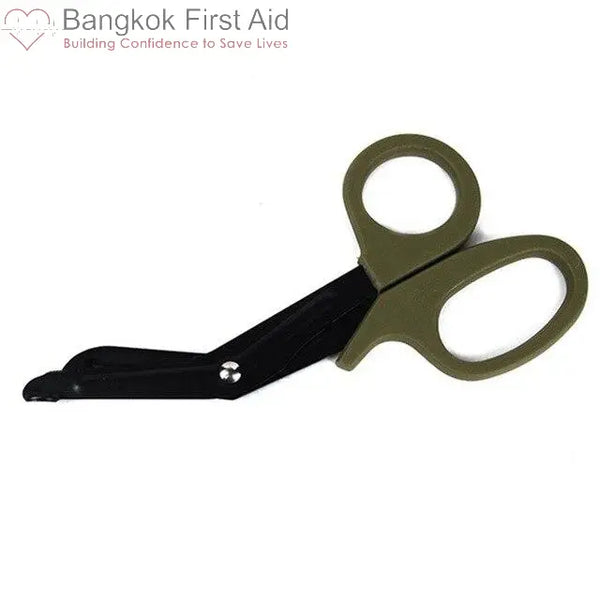
Credit: bangkokfirstaid.com
Types Of Scissors In First Aid Kits
Scissors are a vital tool in any first aid kit. They help cut bandages, clothing, and other materials quickly. Different types of scissors serve different purposes. Knowing these types helps you pick the right one during an emergency. Each has a unique design for specific tasks.
Trauma Shears
Trauma shears are strong and durable. They have angled blades to cut through tough materials. These scissors easily slice through clothing, leather, and seat belts. Their blunt tip prevents injury while cutting close to skin. Emergency responders often use trauma shears.
Bandage Scissors
Bandage scissors have a flat, blunt tip on the bottom blade. This design lifts bandages away from the skin for safe cutting. They work well on gauze, tape, and dressings. Bandage scissors are smaller and more precise than trauma shears.
Multipurpose Scissors
Multipurpose scissors combine features of trauma and bandage scissors. They handle various materials from fabric to plastic. These scissors are versatile for many first aid tasks. Many first aid kits include multipurpose scissors for convenience.
Safety Features Of First Aid Scissors
First aid scissors come with special safety features to protect users and patients. These features make cutting bandages and clothes safer and easier. They reduce the risk of accidental cuts or injuries during emergencies. The design focuses on both safety and comfort, ensuring effective use in urgent situations.
Blunt Tips For Injury Prevention
Blunt tips stop the scissors from poking the skin. This feature helps avoid cuts and punctures. It is especially useful when cutting close to the body. The rounded tips slide under bandages without hurting the patient.
Ergonomic Handles For Comfort
Ergonomic handles fit well in the hand. They reduce hand fatigue during use. Soft grips prevent slipping, even with wet hands. Comfortable handles allow precise cutting in stressful moments.
Durable Materials For Reliability
First aid scissors use strong, rust-resistant materials. Stainless steel blades hold sharpness longer. Durable construction ensures the scissors work well in all conditions. Reliable scissors last through many emergencies without breaking.
Scissors Maintenance And Care
Scissors in a first aid kit must stay clean and sharp for safe use. Proper care helps scissors last longer and work well in emergencies. Neglecting maintenance can cause rust, dull blades, and unsafe cuts. Follow simple steps to keep your scissors ready at all times.
Cleaning And Disinfection
Clean scissors after each use to remove blood and dirt. Use warm water and mild soap to wash the blades gently. Rinse thoroughly to avoid soap residue. Dry scissors completely with a clean cloth to stop rust.
Disinfect scissors with rubbing alcohol or an antiseptic solution. Soak a cotton ball or pad and wipe the blades carefully. Let the scissors air dry before storing them. This prevents infection during cuts or bandage removal.
Sharpening Tips
Keep scissors sharp for precise and easy cutting. Use a sharpening stone or a specialized scissor sharpener. Hold the blades at the correct angle and move evenly across the edges. Avoid over-sharpening, which can damage the blades.
Test sharpness by cutting a piece of paper or fabric. If scissors pull or tear, they need more sharpening. Regular checks keep scissors working smoothly in emergencies.
Storage Recommendations
Store scissors in a dry, clean place inside the first aid kit. Use a protective sheath or cover to avoid damage to the blades. Keep scissors away from moisture to prevent rust and corrosion.
Place scissors where they are easy to find but secure from accidental cuts. Organize the first aid kit so scissors do not get lost or stuck. Proper storage extends the life and reliability of your scissors.
Additional Uses Beyond First Aid
Scissors in a first aid kit serve many purposes beyond treating injuries. They are practical tools that help in various situations. Their sharp and precise blades make tasks easier and faster. Keeping a pair handy can save time and effort in unexpected moments.
Emergency Situations
Scissors quickly cut clothing to expose wounds. They help remove bandages or tape without pain. Sharp blades can cut through seat belts after accidents. They assist in trimming hair to clean wounds. Scissors also open sealed medical packages safely. These functions make scissors vital in urgent conditions.
Everyday Household Tasks
Scissors are useful for opening boxes and packages. They can trim loose threads on clothes. Cutting tags or labels becomes simple and neat. Scissors help in craft projects or DIY repairs. They can even cut paper for notes or reminders. Having scissors in your first aid kit adds daily convenience.
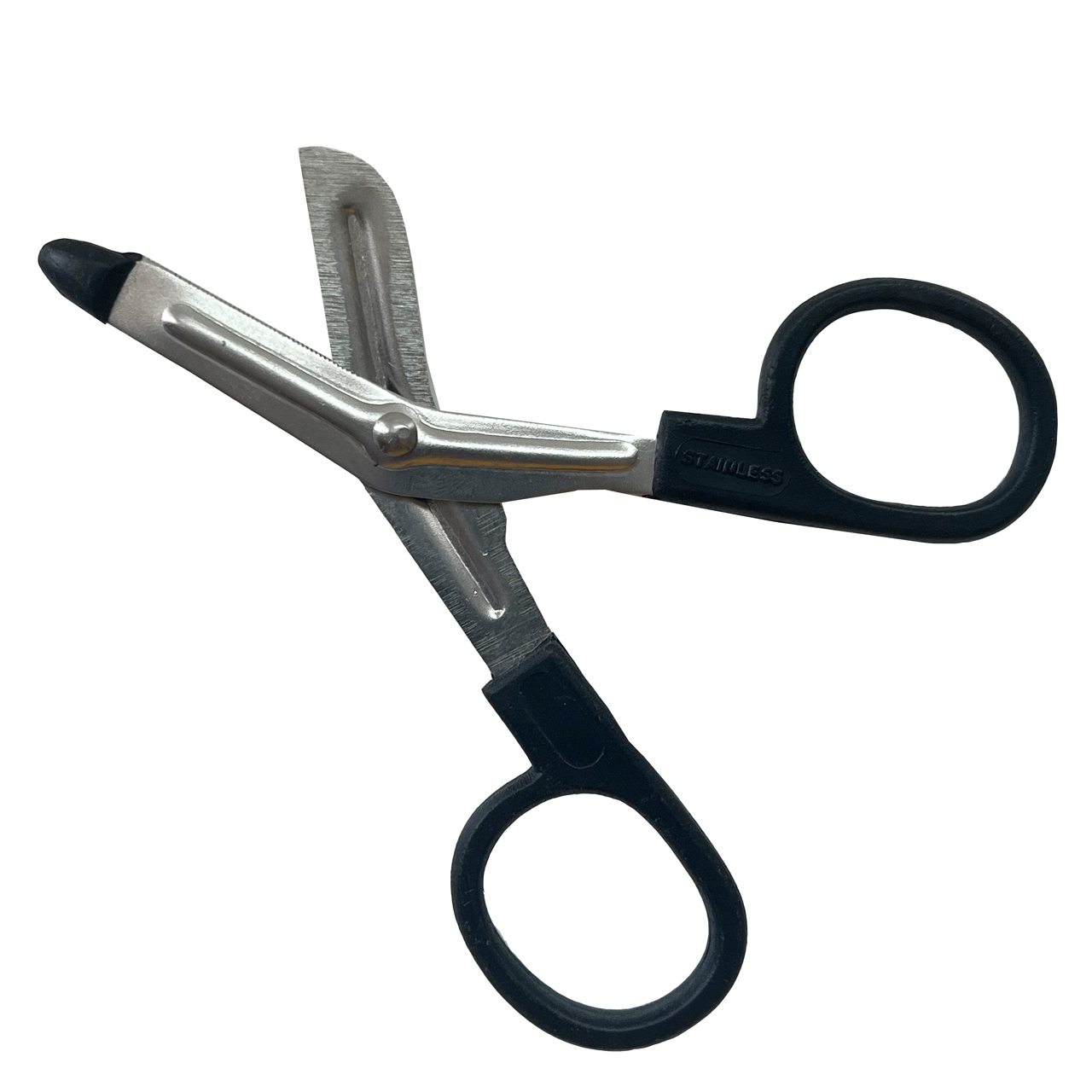
Credit: rescue-essentials.com
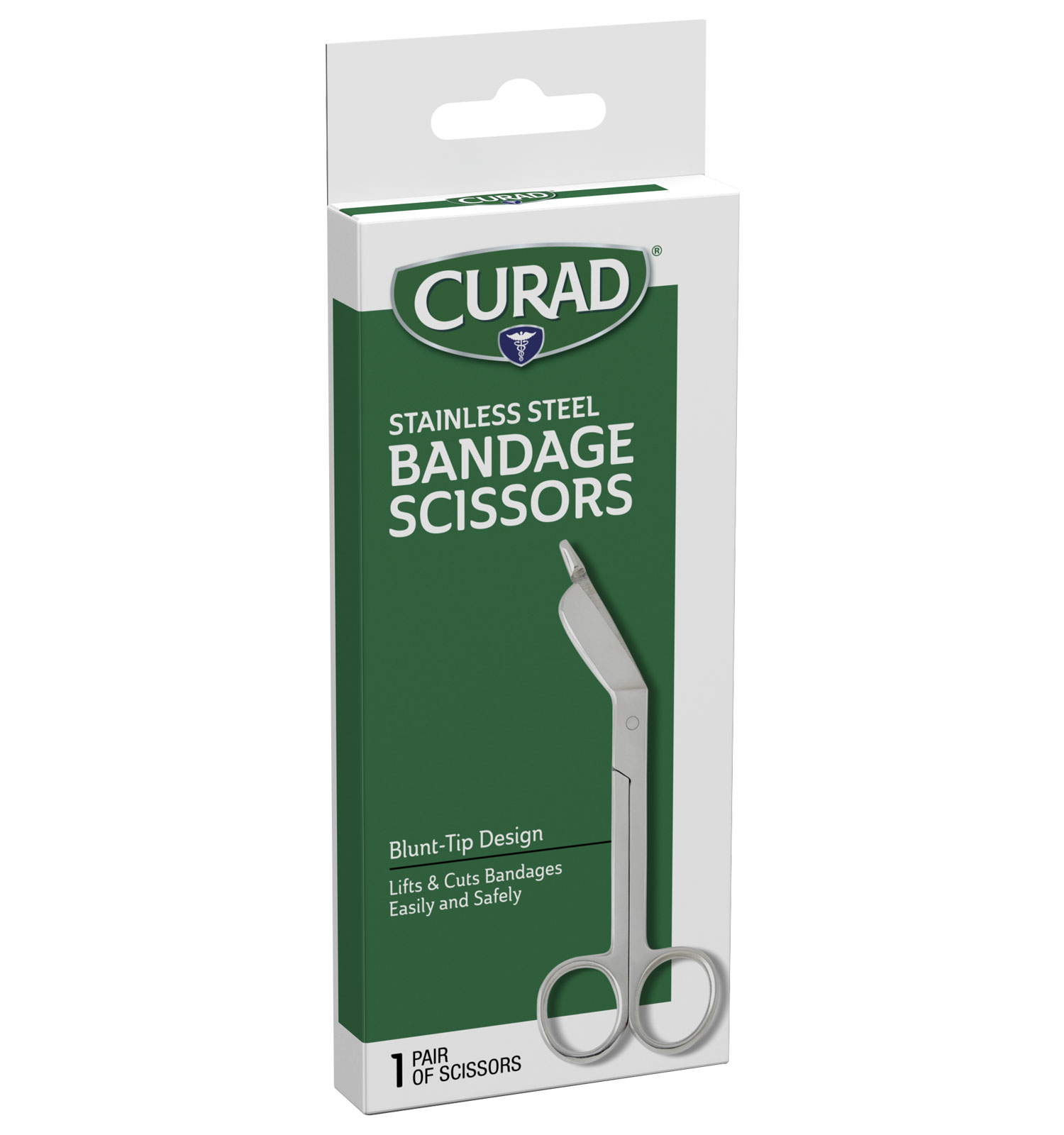
Credit: curad.com
Frequently Asked Questions
What Are Scissors Used For In A First Aid Kit?
Scissors in a first aid kit are used to cut bandages, tape, clothing, and gauze quickly. They help expose wounds for treatment without causing further injury. Their sharp blades allow precise and safe cutting in emergency situations.
Why Are Trauma Scissors Important In First Aid?
Trauma scissors have blunt tips to prevent skin injury while cutting clothes or dressings. They are designed to cut tough materials safely and efficiently during emergencies. Their importance lies in enabling quick access to wounds without causing additional harm.
Can First Aid Scissors Cut Through Clothing?
Yes, first aid scissors are specifically designed to cut through clothing. This helps expose wounds quickly for treatment. Their sharp, durable blades make cutting tough fabrics easier and faster during emergencies, ensuring prompt care.
How To Choose The Right Scissors For A First Aid Kit?
Choose scissors with sharp, rust-resistant blades and a blunt tip for safety. Look for durable, ergonomic handles for easy use. Trauma or medical scissors are ideal because they balance precision and safety in emergencies.
Conclusion
Scissors in a first aid kit help cut bandages and clothes fast. They make treating wounds easier and safer. Always keep scissors sharp and clean for best use. Having scissors ready saves time during emergencies. They are small but very useful tools.
Knowing their purpose helps you stay prepared. Never underestimate the value of scissors in first aid. They play a key role in quick care. Keep your first aid kit complete and ready. Scissors are simple but important lifesaving tools.

I’m Abby Lu, a passionate home cook who loves simplifying everyday meals. At PlugChef.com, I share product reviews and cooking guides to help you find the best tools for your kitchen.
Related posts:
 What Type of Cooking Utensils are Safe: Expert Picks
 What Innovations Could Blenders Make: Unleashing Future Tech
 Smart Strategies to Organize a Small Kitchen: Maximize Space
 How to Organize a Kitchen Cabinet: Expert Tips & Tricks
 How to Organize Kitchen Drawers: Expert Tips and Tricks
 How to Organize a Corner Kitchen Cupboard: Expert Tips

