

Have you ever tasted bread that looks as interesting as it tastes delicious? Marble rye bread is one of those unique treats that can turn a simple sandwich into something special.
If you’re curious about what makes this bread different and why so many people love it, you’re in the right place. By the end of this article, you’ll know exactly what marble rye bread is, how it’s made, and why it might just become your new favorite.
Ready to discover the secret behind those beautiful swirls? Let’s dive in!
Credit: www.gianteagle.com
Origins Of Marble Rye
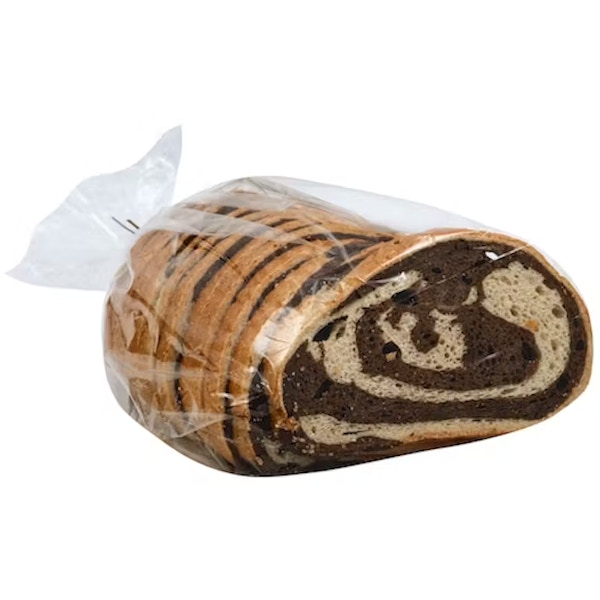
Understanding the origins of marble rye bread adds depth to every bite you take. This bread’s unique swirl of light and dark rye dough isn’t just a visual treat—it tells a story of cultural blending and baking traditions that span continents. Let’s look at where marble rye comes from and how it became a beloved staple.
History And Cultural Roots
Marble rye bread emerged from the rich baking traditions of Eastern European Jewish communities. Rye bread itself was a daily staple in these communities because rye grows well in colder climates where wheat struggles.
The idea to combine light rye and dark rye doughs into one loaf created a beautiful contrast and a complex flavor profile. This swirl technique likely began as a way to offer variety and highlight different rye flour blends in a single loaf.
Did you know that the marble effect also symbolized the blending of old and new worlds for Jewish immigrants arriving in America? This bread became a comforting reminder of home while adapting to new ingredients and tastes.
Traditional Baking Regions
Marble rye has strong ties to regions with large Eastern European populations, particularly New York City. Here, delis and bakeries perfected the art of marble rye, turning it into a culinary icon.
Beyond New York, this bread is popular in parts of the Midwest and Canada, where rye bread traditions remained strong among immigrant communities. Each region adds subtle twists to the recipe based on local flour and climate.
Have you ever wondered how the texture or flavor of marble rye changes depending on where it’s baked? Local water, yeast strains, and baking methods all influence the final loaf.
Credit: www.marianos.com
Ingredients That Make It Unique
Marble rye bread stands out because of its distinct combination of ingredients that create a beautiful swirl and a rich taste. The unique blend of rye flour and pumpernickel gives it that signature look and flavor. Let’s take a closer look at the key ingredients that make this bread so special and why they matter to your baking and tasting experience.
Rye Flour And Its Role
Rye flour is the backbone of marble rye bread. Unlike wheat flour, rye flour has less gluten, which affects the texture and density of the bread. It gives the bread a slightly tangy, earthy flavor that you don’t find in regular white bread.
Using rye flour also impacts how the bread rises and holds moisture. Its natural enzymes help create a moist crumb and a chewy bite that many rye lovers appreciate. Have you noticed how rye flour can make bread feel heartier and more satisfying?
Swirling With Pumpernickel
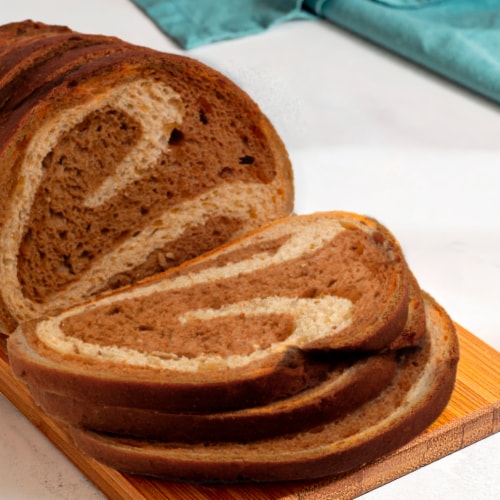
Pumpernickel is what creates the striking dark swirl in marble rye bread. This type of bread is made from coarsely ground rye, often mixed with molasses or cocoa powder to deepen its color and flavor. The contrast between pumpernickel and light rye dough gives marble rye bread its marbled appearance.
The pumpernickel part adds a rich, slightly sweet, and robust flavor. When combined with rye flour, it balances the tanginess with a deeper, almost smoky note. Imagine slicing into a loaf and seeing those beautiful swirls—doesn’t it make you want to taste every slice?
Additional Flavor Elements
Besides rye flour and pumpernickel, marble rye often includes caraway seeds, which add a subtle, aromatic spice. These seeds give a mild anise flavor that complements the rye perfectly. You might also find small amounts of molasses or honey added for sweetness.
Salt and yeast are standard, but some recipes might add sourdough starter for extra tang and complexity. These small additions can change the bread’s flavor and texture in noticeable ways, making each loaf slightly unique. What flavor tweaks would you try to make your marble rye truly yours?
Baking Process
Marble rye bread blends light and dark rye doughs, creating a unique swirled pattern. The baking process involves mixing, layering, and carefully baking to develop its distinctive texture and flavor. This method ensures a soft inside with a slightly crisp crust.
The baking process of marble rye bread is a delightful journey that marries two distinct doughs into one beautiful loaf. It’s a rewarding experience that not only fills your kitchen with an inviting aroma but also results in a visually stunning bread. This section delves into the steps involved in crafting this delicious bread, ensuring each stage is as enjoyable as the last.Preparing The Doughs
To start, you’ll need to prepare two doughs: one light and one dark. The light dough is typically a classic rye, while the dark dough incorporates cocoa or coffee for color and depth of flavor. Ensure both doughs are similar in texture to achieve a consistent bake. Once the ingredients are mixed, knead each dough until smooth and elastic. This usually takes about 10 minutes by hand or 5 minutes with a stand mixer. Allow the doughs to rise in a warm place until doubled in size.Creating The Marble Effect
Now comes the fun part—creating the marble effect. Roll each dough into similar-sized rectangles. Carefully layer the dark dough on top of the light dough. Roll the stacked doughs tightly into a log, starting from the short end. This creates a beautiful spiral pattern within the loaf. A gentle twist of the log can add even more visual interest.Baking Techniques
Preheat your oven to the required temperature, usually around 350°F (175°C). Place the dough log into a greased loaf pan or on a baking sheet, depending on your preference for shape. Bake until the bread is golden brown and sounds hollow when tapped, usually about 30 to 40 minutes. Let the bread cool on a wire rack to prevent a soggy bottom. Have you ever considered the satisfaction of slicing into a fresh loaf, revealing its intricate marble design? There’s nothing quite like it!
Credit: www.pay-less.com
Taste And Texture
Marble rye bread offers a unique taste and texture that delight many bread lovers. This bread blends two types of rye doughs, creating a swirl of flavors and colors. The combination affects both the flavor and the feel of the bread. Understanding its taste and texture helps you appreciate every bite.
Flavor Profile
The flavor of marble rye bread is rich and complex. It combines the slightly sour taste of light rye with the deep, earthy notes of dark rye. This mix creates a balanced flavor that is neither too strong nor too mild. You can also find hints of caraway seeds, which add a subtle spice and aroma. The flavor is perfect for sandwiches or enjoying plain with butter.
Crumb And Crust Characteristics
The crumb of marble rye bread is soft and moist. It has a slightly dense texture but remains tender to the bite. The swirl pattern inside gives a beautiful contrast between light and dark parts. The crust is firm and chewy, providing a nice crunch without being too hard. This texture balance makes the bread enjoyable and easy to eat.
Serving Suggestions
Marble rye bread offers a unique blend of flavors that can elevate your meals in many ways. Its distinct swirls of light and dark rye create not just a visual treat but also a versatile base for various dishes. Knowing how to serve it can transform a simple bite into a memorable experience.
Pairing With Meats And Cheeses
Marble rye pairs beautifully with a variety of meats, especially those with bold flavors. Think of pastrami or corned beef—these robust choices balance the bread’s slightly tangy taste perfectly. You might also enjoy it alongside smoked turkey or roast beef for a lighter option.
When it comes to cheeses, sharp and creamy types work best. Try pairing marble rye with Swiss, Havarti, or even a tangy goat cheese. The contrast between the cheese’s creaminess and the bread’s texture makes each bite satisfying.
Use In Sandwiches
Sandwiches made with marble rye instantly gain character. Its sturdy crumb holds up well under hearty fillings, so don’t be afraid to stack your favorite ingredients high. A classic Reuben sandwich is a great choice, but you can also experiment with grilled vegetables or even a simple turkey and avocado combo.
To add a personal touch, toast the bread slightly. This enhances its flavors and adds a pleasant crunch. Have you tried a grilled cheese with marble rye? It’s a game changer you might want to explore.
Accompaniments And Spreads
Marble rye shines when paired with flavorful spreads. Mustard, especially spicy or whole grain varieties, complements its tanginess well. Cream cheese with chives or a horseradish spread adds a zesty kick that wakes up your taste buds.
Don’t overlook simple accompaniments like pickles or sauerkraut. Their acidity cuts through the richness of the bread and toppings, creating a balanced bite. What’s your favorite spread to enjoy with marble rye?
Health Benefits And Considerations
Marble rye bread combines rich flavors with distinct textures, making it a popular choice in many diets. Understanding its health benefits helps you decide if it fits your eating habits. This bread offers more than just taste; it provides essential nutrients and some dietary considerations.
Nutritional Value Of Rye
Rye is a whole grain packed with fiber, vitamins, and minerals. It supports digestion and helps maintain steady energy levels. Rye contains:
- High dietary fiber for better gut health
- Vitamin B complex for energy and brain function
- Minerals like magnesium and iron
- Antioxidants that protect body cells
Eating marble rye bread can help you feel full longer and support heart health.
Gluten Content And Alternatives
Rye contains gluten, but less than wheat. People with celiac disease must avoid it. Those with mild gluten sensitivity might tolerate small amounts.
For gluten-free options, consider bread made from:
- Rice flour
- Almond flour
- Quinoa
- Gluten-free oats
These alternatives provide safe choices without sacrificing taste or texture.
Where To Find Marble Rye Bread
Finding the perfect marble rye bread can change your sandwich game or elevate a simple meal. But where exactly should you look if you want that distinctive swirl of light and dark rye flavors? Your options are more varied than you might think, ranging from local bakeries to making it yourself at home.
Artisan Bakeries
Artisan bakeries often have the freshest and most authentic marble rye bread. These bakeries focus on quality ingredients and traditional baking methods, giving you a richer taste and better texture. Visiting one can be a treat, and you might even discover unique twists on the classic marble rye.
Look for bakeries that specialize in rye or Jewish-style breads. They usually have marble rye as a staple, especially in cities with strong culinary traditions. Ask the bakers about their recipes—they often take pride in their craft and enjoy sharing tips.
Supermarkets And Specialty Stores
Many supermarkets now carry marble rye bread in their bakery sections, especially larger chains. While it might not be as fresh as from an artisan bakery, it’s convenient and usually available year-round. Specialty stores like gourmet food shops or delis often stock higher-quality marble rye too.
Check the bread aisle labels carefully—you want one with a good balance of rye flour and that characteristic swirl. If you’re unsure, the staff can often guide you to the best option. Don’t hesitate to try different brands to find the one that suits your taste.
Homemade Options
Baking marble rye bread at home can be surprisingly rewarding and allows you full control over ingredients. If you enjoy hands-on cooking, making your own loaf means customizing the swirl pattern and flavor intensity. Plus, fresh homemade marble rye fills your kitchen with an irresistible aroma.
Starting with a good rye bread recipe and a bit of patience can get you excellent results. You only need a few basic ingredients and a loaf pan to create a beautiful marble effect. Have you ever tried baking bread? It might be easier than you think, and the result is worth the effort.
Frequently Asked Questions
What Is Marble Rye Bread Made Of?
Marble rye bread is made by combining light and dark rye doughs. It creates a swirled, marbled appearance. The dough typically includes rye flour, wheat flour, caraway seeds, yeast, and molasses for flavor.
How Does Marble Rye Bread Differ From Regular Rye?
Marble rye blends light and dark rye doughs, unlike regular rye bread. This mix gives it a unique texture and a balanced, slightly sweet and tangy taste. The marbled pattern is also visually distinct from uniform rye bread.
What Are Common Uses For Marble Rye Bread?
Marble rye bread is popular for sandwiches, especially Reubens. It pairs well with deli meats, cheeses, and spreads. Its rich flavor also complements soups and salads, making it versatile in meals.
Is Marble Rye Bread Healthier Than White Bread?
Marble rye bread contains more fiber and nutrients than white bread. Rye flour aids digestion and provides vitamins and minerals. However, it may have more calories and sodium, so moderation is key.
Conclusion
Marble rye bread blends light and dark doughs beautifully. Its unique look makes sandwiches more fun to eat. You get a soft texture with a slight tangy taste. This bread fits well with many toppings and meals. Trying marble rye adds variety to your bread choices.
It’s simple yet special enough to enjoy daily. Give it a spot on your table soon. A tasty twist on classic rye bread awaits.

I’m Abby Lu, a passionate home cook who loves simplifying everyday meals. At PlugChef.com, I share product reviews and cooking guides to help you find the best tools for your kitchen.
Related posts:
 What Type of Cooking Utensils are Safe: Expert Picks
 What Innovations Could Blenders Make: Unleashing Future Tech
 Smart Strategies to Organize a Small Kitchen: Maximize Space
 How to Organize a Kitchen Cabinet: Expert Tips & Tricks
 How to Organize Kitchen Drawers: Expert Tips and Tricks
 How to Organize a Corner Kitchen Cupboard: Expert Tips

