

Have you ever paused for a moment while wrapping your leftovers or covering a dish with kitchen plastic wrapping paper and wondered, “What exactly is this stuff made of?” It’s something you use almost every day, yet its composition might be a mystery.
Understanding the materials that make up this everyday kitchen staple can not only satisfy your curiosity but also inform your choices when it comes to food safety and environmental impact. Imagine making more informed decisions that benefit both your health and the planet.
You’ll discover the simple yet intriguing science behind kitchen plastic wrapping paper, helping you become a more conscious consumer. So, let’s unwrap the mystery together!
Materials In Kitchen Plastic Wrap
Kitchen plastic wrap is a common household item, essential for food storage. Understanding its materials helps in making informed choices. Different plastics offer distinct properties for diverse uses. These materials affect the wrap’s strength, stretchability, and cling.
Polyethylene Composition
Polyethylene is a widely used plastic in kitchen wraps. It’s flexible and transparent. This material is known for its strength and puncture resistance. It clings well to containers, keeping food fresh. It is also safe for food contact. Polyethylene wraps are often recyclable, which helps the environment.
Polyvinylidene Chloride (pvdc) Usage
PVDC offers excellent barrier properties. It prevents air and moisture from entering. This keeps food fresh for longer periods. PVDC wraps are ideal for storing perishable items. They provide a tight seal around dishes and bowls. This material is also heat resistant, suitable for microwaving. However, recycling PVDC is challenging.
Polyvinyl Chloride (pvc) Characteristics
PVC is another material used in plastic wraps. It is known for its flexibility and durability. PVC wraps provide a strong cling to various surfaces. They are often used in professional settings like restaurants. PVC can withstand different temperatures. This makes it versatile for food storage. However, it’s less eco-friendly compared to other plastics.

Credit: www.walmart.com
Manufacturing Process
Kitchen plastic wrapping paper is an everyday essential that keeps your food fresh and protected. Yet, have you ever wondered how it’s made? Understanding the manufacturing process can give you a better appreciation for this seemingly simple product. This section will take you through the fascinating journey of how plastic wrap is created, focusing on the key stages involved.
Extrusion Techniques
The journey begins with extrusion techniques. Imagine molten plastic being pushed through a machine like toothpaste from a tube. This is where the magic happens. A machine called an extruder melts plastic pellets, forming them into a flat sheet.
Think of the extruder as the heart of the operation. It regulates temperature and pressure to ensure a smooth flow. This step is crucial, as it sets the stage for the stretchiness and clinginess that we rely on.
Stretching And Cling Formation
Once the plastic sheet is formed, the next challenge is stretching and cling formation. The sheet is pulled and stretched to achieve the desired thinness. This stretching process is more than just making it thin; it determines how well the wrap clings.
Ever noticed how some wraps stick better than others? This is where the magic lies. The stretching process enhances elasticity, allowing the wrap to cling tightly to various surfaces. It’s like a superhero with the power to stick and protect.
Thickness And Transparency
Thickness and transparency are two critical aspects that define the quality of plastic wrap. Manufacturers adjust the thickness to balance durability and flexibility. A wrap that’s too thick might not adhere well, while one that’s too thin might tear easily.
Transparency is another factor that plays a role in usability. You want to see your food through the wrap, right? The production process ensures the wrap remains clear, allowing you to identify what’s inside without breaking the seal.
So, next time you seal a bowl or wrap a sandwich, take a moment to appreciate the intricate manufacturing process that makes it possible. Understanding how your kitchen plastic wrap is made might just change the way you view this everyday item.
Properties And Benefits
Kitchen plastic wrapping paper, commonly called cling film, is made from polyvinyl chloride or low-density polyethylene. These materials offer flexibility and tight-sealing properties, preserving food freshness. Its moisture-resistant nature helps maintain the quality of stored items, preventing spoilage and contamination.
Have you ever wondered why kitchen plastic wrap is such a staple in every household? The secret lies in its properties and benefits. This versatile material is designed to keep your food fresh, secure, and safe. Understanding what makes it so effective can help you make the most of it. Let’s dive into the specifics.Cling And Seal Efficiency
The magic of kitchen plastic wrap starts with its cling and seal efficiency. You might have noticed how it effortlessly adheres to bowls and plates. This is due to its ability to stretch and stick, creating an airtight seal. Imagine wrapping a sandwich for a picnic. The wrap clings tightly, preserving freshness and preventing spills. This clinginess is often enhanced by adding specific resins during manufacturing.Durability And Tear Resistance
Durability is another star quality of plastic wrap. Have you ever been frustrated by a wrap that tears too easily? Good quality kitchen wrap is designed to resist tears, even when stretched over sharp edges. Think of wrapping leftovers or securing a plate for transport. The wrap withstands pressure without breaking, ensuring your food stays protected. This strength comes from its carefully selected polymer materials.Heat Resistance And Safety
Safety is crucial, especially when using plastic wrap around food. Quality wraps offer heat resistance, allowing you to cover dishes for microwave reheating. It’s reassuring to know that these wraps can withstand moderate temperatures without releasing harmful substances. Always check the label for microwave safety to protect your meals and health. Have you ever considered the environmental impact of plastic wrap? While it offers numerous benefits, it’s essential to use it responsibly. What creative ways can you find to reduce waste while enjoying its conveniences?Environmental Impact
Kitchen plastic wrapping paper is primarily made from polyethylene, a type of plastic. This material provides a thin, flexible barrier for food. Its production and disposal can contribute to environmental pollution.
Environmental Impact Have you ever paused to think about the environmental footprint of the kitchen plastic wrap you use daily? It might seem trivial, but every roll you buy contributes to a larger ecological story. Understanding the environmental impact of kitchen plastic wrapping paper can help you make more informed choices and potentially reduce your carbon footprint.Biodegradability Concerns
Kitchen plastic wrap is typically made from polyvinyl chloride (PVC) or low-density polyethylene (LDPE). Neither of these materials is biodegradable. This means they can linger in our environment for hundreds of years, contributing to pollution and harming wildlife. Consider how often you use and dispose of plastic wrap—each small piece adds to the growing problem.Recycling And Disposal
Recycling plastic wrap can be challenging. Many curbside recycling programs don’t accept it because it can jam machinery. Instead, you might need to take it to special drop-off locations. However, this requires extra effort and isn’t always convenient, leading many to simply toss it in the trash. Are you aware of the disposal options available in your area?Alternatives And Sustainable Options
You have choices that are kinder to the planet. Beeswax wraps, for instance, are reusable and biodegradable, providing a sustainable alternative to plastic wrap. Silicone food covers and glass containers are other excellent options that reduce waste. Have you tried any of these alternatives? Making small changes in your kitchen can lead to significant environmental benefits. Consider trying one sustainable option the next time you reach for plastic wrap.Common Uses In The Kitchen
Kitchen plastic wrapping paper, often simply referred to as cling film, is a versatile tool in any household. Its ability to seal and protect food makes it indispensable in the kitchen. But have you ever thought about how many different ways you use it? Let’s dive into some common uses that might surprise you.
Food Preservation
Plastic wrap is your best friend when it comes to keeping food fresh. Whether it’s covering a bowl of leftover pasta or wrapping up a half-eaten avocado, it creates a tight seal that keeps air out. This means less oxidation and spoilage, helping your food stay fresh longer.
Imagine you’ve made a big salad for a party but there’s too much leftover. Instead of throwing it away, you can cover the bowl with plastic wrap and store it in the fridge. You’ll find it crisp and ready to enjoy the next day.
Microwave Applications
Did you know that plastic wrap can be microwave-safe? Many types are designed to withstand the heat, making it perfect for reheating leftovers. By placing it over your dish, you ensure even heating while preventing splatters.
But always check the packaging to make sure it’s microwave-friendly. Nobody wants a melted mess in the microwave! And remember to leave a small vent to let steam escape and avoid any mishaps.
Storage Solutions
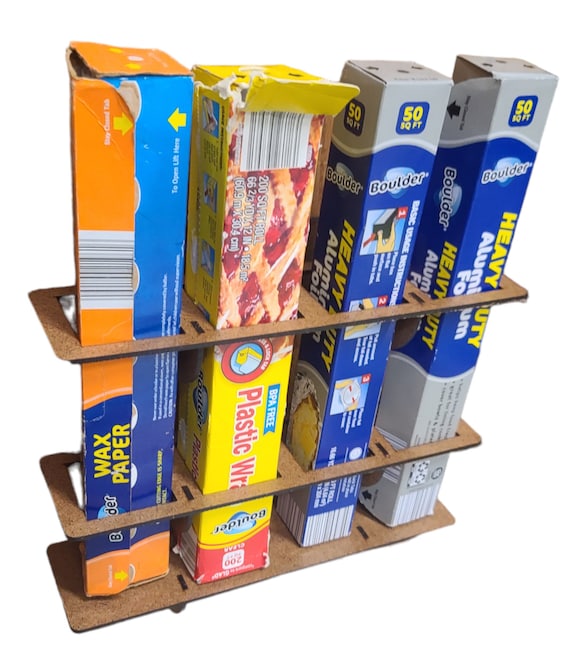
Plastic wrap isn’t just for food. It can be a lifesaver when it comes to organizing your kitchen. Wrap up utensils or small kitchen gadgets you don’t use often to keep them dust-free. This way, when you need them, they’re clean and ready to go.
Have you ever been in a situation where all your baking tools are scattered? Use plastic wrap to bundle items together, saving space and making them easy to find. It’s a simple trick that can make a big difference in maintaining order in your kitchen.
Have you found any creative uses for plastic wrap in your kitchen? It’s amazing how a simple tool can make life so much easier. Share your tips and let’s keep our kitchens running smoothly!

Credit: www.amazon.com
Credit: www.etsy.com
Frequently Asked Questions
What Is Kitchen Plastic Wrap Made Of?
Kitchen plastic wrap is typically made of polyethylene or polyvinylidene chloride. These materials provide a flexible, transparent film. They are used for food storage due to their ability to cling and seal. Polyethylene is popular for its safety and versatility.
Polyvinylidene chloride offers strong cling properties.
What Type Of Plastic Are Food Wrappers Made Of?
Food wrappers are typically made from polyethylene or polypropylene plastics. These materials offer durability and moisture resistance. Polyethylene is common for its flexibility and strength, while polypropylene provides clarity and heat resistance. These plastics help preserve food quality and extend shelf life.
Is Pvc Cling Film Food Safe?
PVC cling film is generally food safe when used correctly. It protects food from contaminants and preserves freshness. Ensure the film doesn’t contact high-fat foods like cheese, as it may cause chemical migration. Always check for food-grade labeling on the packaging to ensure safety standards are met.
What Is The Name Of The Plastic Wrap In The Kitchen?
The plastic wrap commonly used in kitchens is called “cling film” or “plastic wrap. ” It’s a thin, transparent material used to cover food items and keep them fresh by sealing out air and moisture. This versatile kitchen staple is essential for preserving leftovers and protecting food.
Conclusion
Kitchen plastic wrapping paper is made from versatile materials. Most common is polyethylene. This material keeps food fresh and safe. It’s flexible and strong. Easy to use for daily food storage. Understanding its composition helps in making smart choices. Always check labels for safety standards.
This ensures the best use for your kitchen needs. By knowing what it’s made of, you store food better. It’s a small step for a healthier lifestyle. Choose wisely for your kitchen and family.

I’m Abby Lu, a passionate home cook who loves simplifying everyday meals. At PlugChef.com, I share product reviews and cooking guides to help you find the best tools for your kitchen.
Related posts:
 What Type of Cooking Utensils are Safe: Expert Picks
 What Innovations Could Blenders Make: Unleashing Future Tech
 Smart Strategies to Organize a Small Kitchen: Maximize Space
 How to Organize a Kitchen Cabinet: Expert Tips & Tricks
 How to Organize Kitchen Drawers: Expert Tips and Tricks
 How to Organize a Corner Kitchen Cupboard: Expert Tips

