

Have you ever wondered what goes into the oil you use to keep your cutting board in top shape? It’s not just about keeping it shiny and new; it’s about making sure your food prep is safe and your kitchen tools last longer.
Cutting board oil is like a secret weapon for your kitchen essentials, ensuring they stay protected and functional. But what exactly is in this magical oil, and why should you care? Understanding the ingredients can help you choose the best product for your needs, ensuring both safety and longevity.
Dive into this article to uncover the components of cutting board oil and discover why it’s a must-have in your kitchen arsenal.

Credit: www.howardproducts.com
Purpose Of Cutting Board Oil
Cutting board oil serves a vital role in kitchen maintenance. It keeps wooden boards clean and in top condition. This oil is essential for extending the life of your cutting board. It provides a barrier against moisture and bacteria. Without it, wood can dry out and crack. Regular application ensures a smooth and safe surface for food prep.
Moisture Protection
Cutting board oil repels water effectively. Wood absorbs moisture, which can cause damage. The oil creates a protective layer. This barrier prevents water from seeping in. It helps maintain the integrity of the board’s surface.
Preventing Cracks
Wood naturally expands and contracts. Cutting board oil minimizes this effect. It keeps the board flexible and sturdy. Regular oiling reduces the risk of cracks. A smooth surface is safer for chopping.
Enhancing Appearance
Oil brings out the wood’s natural beauty. It gives the board a rich, polished look. The oil darkens the wood slightly, highlighting its grain. A well-oiled board is attractive and professional. It adds elegance to your kitchen space.
Improving Hygiene
Oiling helps block bacteria buildup. The protective layer resists germs and food residues. It makes cleaning easier and more effective. A well-maintained board is safer for food preparation. Hygiene is crucial for healthy meals.
Mineral Oil Basics
Cutting board oil keeps your board in top condition. Mineral oil is often the main ingredient. It’s safe and effective. This oil helps in maintaining the board’s longevity and appearance. Learn more about why mineral oil is preferred.
What Is Mineral Oil?
Mineral oil is a clear, odorless oil. Derived from petroleum, it’s purified and safe. It doesn’t spoil or become rancid. This makes it ideal for preserving cutting boards.
Why Use Mineral Oil?
Mineral oil is food-safe and non-toxic. It prevents the wood from cracking. The oil penetrates the wood, keeping it moisturized. It enhances the natural color and grain of the wood.
How Does Mineral Oil Work?
Mineral oil fills the wood pores. This creates a barrier against moisture. It keeps water from soaking into the wood. This protects the board from warping and cracking.
Choosing The Right Mineral Oil
Look for food-grade mineral oil. It should be labeled safe for kitchen use. Avoid oils with additives. Pure mineral oil offers the best protection.
Beeswax Benefits
Beeswax adds natural protection to cutting board oil, enhancing wood durability. It seals moisture and prevents cracking. This eco-friendly ingredient ensures boards stay smooth and hygienic over time.
Beeswax is a key ingredient in cutting board oil, offering numerous benefits that might surprise you. It not only conditions and protects your cutting board but also adds a natural sheen, enhancing its appearance. Imagine having a cutting board that looks pristine and performs well with every slice and dice.Natural Moisturizer
Beeswax acts as a natural moisturizer for your wooden cutting boards. It penetrates the wood, preventing it from drying out and cracking. This means your board stays in top condition, extending its lifespan.Water Resistance
One of the standout qualities of beeswax is its ability to repel water. When applied to your cutting board, it creates a barrier that keeps moisture at bay. This is crucial for preventing warping and bacteria growth.Easy To Apply
Applying beeswax is straightforward and doesn’t require any special skills. Simply warm a small amount in your hands and rub it onto the surface of the board. You’ll notice how easily it spreads, providing instant protection.Natural And Safe
Beeswax is a natural product and safe for food contact surfaces. Unlike synthetic alternatives, it doesn’t leave harmful residues. You can confidently prepare meals knowing your board is protected by a substance nature itself provides.Aesthetic Appeal
Using beeswax brings out the natural beauty of the wood. It adds a subtle shine that highlights the grain, making your cutting board a centerpiece in your kitchen. Have you ever noticed how a well-maintained board can change the whole look of your cooking space?Environmentally Friendly
Choosing beeswax supports sustainable practices. It’s biodegradable and doesn’t contribute to pollution, unlike many chemical-based products. By using it, you’re making a small but meaningful contribution to protecting our environment.Experience The Difference
I remember the first time I used beeswax on my cutting board; the change was remarkable. Not only did it look better, but it also felt more durable. Have you tried it yet? If not, what’s stopping you from experiencing these benefits firsthand?Natural Oils Inclusion
Natural oils play a crucial role in maintaining cutting boards. They help preserve the wood and ensure its longevity. These oils penetrate the wood, providing moisture and protection. This process prevents the board from drying out or cracking. Natural oils also enhance the appearance of the cutting board, bringing out its natural grain and color. Let’s explore two popular natural oils used in cutting board care.
Coconut Oil
Coconut oil is a favorite choice for many. It has antibacterial properties that protect the board. This oil is solid at room temperature but melts easily. Its light scent is pleasant, and it doesn’t overpower. Coconut oil is also food-safe, making it ideal for kitchen use. It provides a barrier against water, keeping the board safe from moisture.
Walnut Oil
Walnut oil is another excellent option for cutting boards. It penetrates deeply into the wood, offering long-lasting protection. This oil is known for its rich, nutty aroma. Walnut oil is non-toxic and safe for food contact. It hardens over time, creating a durable finish on the board. This makes it a reliable choice for regular maintenance.
Essential Oils For Fragrance
When you think of cutting board oil, you might picture a basic, utilitarian product designed solely to maintain the wood’s integrity. But have you ever considered how essential oils can transform this everyday item into a sensory delight? Adding essential oils to cutting board oil not only enhances its fragrance but also provides a burst of freshness and calm each time you prepare a meal. Let’s dive into how specific essential oils can elevate your kitchen experience.
Lemon Oil
Lemon oil is a favorite among many for its bright and cheerful scent. Imagine slicing vegetables on a board that releases a gentle, citrus aroma. It’s like having a mini spa in your kitchen every time you cook. Lemon oil doesn’t just smell good; it’s also known for its antibacterial properties. It’s a practical choice that keeps your cutting board clean while making your cooking experience more enjoyable. Have you ever felt how a fresh scent can lift your mood?
Lavender Oil
Lavender oil brings a touch of tranquility to your kitchen. Known for its calming properties, it can turn meal prep into a relaxing ritual. Picture this: you’re preparing dinner after a long day, and the soothing scent of lavender helps melt away stress. Lavender oil in your cutting board oil can be your secret weapon to creating a peaceful atmosphere. Isn’t it fascinating how a simple aroma can change your mindset?
Incorporating essential oils into your cutting board oil is not just about fragrance; it’s about enhancing your cooking environment. Next time you’re refreshing your cutting board, consider adding a few drops of lemon or lavender oil. You might find that cooking becomes not just a necessity, but a joy. What essential oil would you choose to transform your kitchen routine?

Credit: www.howardproducts.com
Vitamin E As A Preservative
Cutting board oil often contains vitamin E as a natural preservative. It helps keep oils fresh longer. This powerful antioxidant protects against oxidation, ensuring the oil maintains its quality. Ideal for maintaining wooden surfaces, it enhances durability while being safe for food contact.
Vitamin E, a powerful antioxidant, plays a crucial role in preserving the quality of cutting board oil. It helps extend the life of the oil, keeping it fresh and effective for longer periods. This small yet mighty nutrient ensures that the oil does not go rancid, maintaining the safety and hygiene of your cutting board.What Makes Vitamin E A Preservative?
Vitamin E helps slow down the oxidation process. Oxidation is what causes oils to spoil. By adding Vitamin E to cutting board oil, you prevent this degradation. Imagine the disappointment of opening a bottle of oil to find it smells off. Vitamin E saves you from this frustration by preserving the oil’s quality.How Does Vitamin E Protect Your Cutting Board?
Vitamin E protects the oil, which in turn protects your cutting board. It ensures the oil penetrates the wood without spoiling, maintaining the board’s condition. A well-maintained board not only lasts longer but also provides a safer surface for food preparation. This means fewer germs and a cleaner kitchen environment.Practical Benefits Of Using Vitamin E In Cutting Board Oil
Using cutting board oil with Vitamin E offers practical benefits. You won’t have to replace your cutting board as often, saving you time and money. Additionally, it keeps your board looking fresh and new. A cutting board that looks good can enhance your kitchen’s aesthetic appeal.Is Vitamin E Safe For Food Preparation?
Yes, Vitamin E is safe for use in food preparation areas. It is commonly used in food-grade oils. When choosing a cutting board oil, ensure it contains Vitamin E to maximize its benefits. Wouldn’t you want the peace of mind knowing your kitchen tools are safe and well-maintained? Incorporating Vitamin E into your cutting board maintenance routine can be a game-changer. It preserves the quality of the oil and, by extension, your cutting board. What steps will you take to enhance the lifespan of your kitchen tools?Safety Considerations
Cutting board oil often includes mineral oil, beeswax, or natural plant-based oils. It’s crucial to ensure the oil is food-safe, preventing harmful chemical exposure. Regular application helps maintain the board’s surface, ensuring durability and hygiene.
When it comes to maintaining your kitchen tools, keeping your cutting board in top shape is essential. Using cutting board oil is a common practice, but how safe is it for you and your family? Here are some safety considerations you should keep in mind.What Ingredients Are In Cutting Board Oil?
Cutting board oil often contains mineral oil, which is food-safe and helps maintain the board’s condition. Some oils may include beeswax or other natural waxes for added protection. It’s important to check the label for any additional ingredients that might cause allergies or reactions.Is It Food-safe?
Most cutting board oils are designed to be food-safe, meaning they won’t contaminate your food. However, not all oils are created equal. Ensure the oil you choose explicitly states it’s safe for kitchen use. If you have any doubts, consult the manufacturer or look for certifications.Application Frequency And Quantity
How often should you oil your cutting board? It depends on how frequently you use it. A good rule of thumb is once a month. Use a moderate amount of oil—just enough to cover the surface without pooling. Applying too much oil can lead to a sticky surface.Allergy Considerations
Do you or any of your family members have allergies? If so, pay attention to the oil’s ingredients. Some oils may contain nut derivatives, which could trigger allergic reactions. Always choose an oil that aligns with your dietary restrictions or allergies.Storage And Handling
Where do you keep your cutting board oil? Store it in a cool, dark place to maintain its efficacy. This prevents the oil from going rancid, which can happen if it’s exposed to heat or sunlight. Proper storage ensures the oil remains safe for use over time.Environmental Impact
Have you ever considered the environmental impact of the products you use? Opt for cutting board oils that are sustainably sourced or have biodegradable packaging. This small choice can make a big difference in reducing your ecological footprint. Safety should never be an afterthought when it comes to kitchen essentials. Ensuring the oil you choose is safe and properly applied not only prolongs the life of your cutting board but also keeps your meals healthy and delicious. So, next time you’re shopping for cutting board oil, keep these safety considerations in mind. Are you ready to make a safer choice for your kitchen?Choosing The Right Oil
Choosing the right oil for your cutting board is crucial. Different oils offer various benefits and properties. The right oil enhances the board’s durability and appearance. It also ensures food safety.
Understanding Mineral Oil
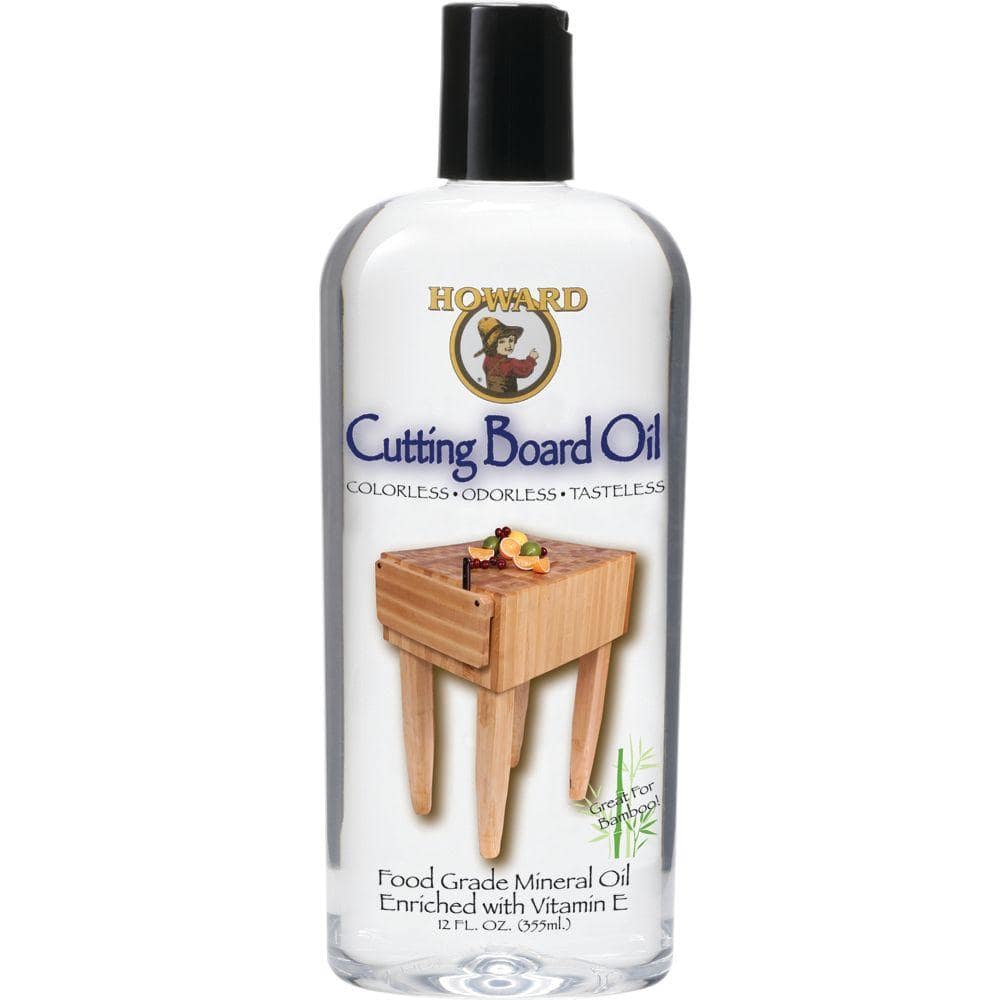
Mineral oil is a popular choice. It is colorless and odorless. Safe for food contact, it prevents the wood from drying out. Mineral oil penetrates deep into the wood. This keeps the board in excellent condition.
Exploring Walnut Oil
Walnut oil is a natural option. It is pressed from walnuts. This oil enhances the wood’s natural beauty. Walnut oil is food-safe and non-toxic. It provides a protective layer on the board.
Embracing Beeswax
Beeswax is another choice. It is often mixed with mineral oil. This combination creates a water-resistant barrier. Beeswax adds shine and smoothness. It helps to seal and preserve the wood.
Considering Coconut Oil
Coconut oil is a versatile option. It is naturally antibacterial. This oil is solid at room temperature. Coconut oil offers a pleasant scent. It nourishes and protects the wood.
Opting For Linseed Oil
Linseed oil is derived from flax seeds. It is known for its durability. This oil penetrates deeply into the wood. Linseed oil hardens as it dries. It provides long-lasting protection.
Deciding On Tung Oil
Tung oil offers a strong finish. It is extracted from tung tree seeds. This oil is water-resistant and durable. Tung oil enhances the wood’s grain. It provides a rich, warm glow.
Credit: www.homedepot.com
Frequently Asked Questions
What Is Cutting Board Oil Made Of?
Cutting board oil is typically made from food-grade mineral oil. It may also contain natural oils like beeswax, coconut oil, or linseed oil. These oils help maintain the board’s condition, ensuring it stays moisturized, free from cracks, and safe for food preparation.
Regular application keeps the board durable and hygienic.
Can You Use Olive Oil Instead Of Cutting Board Oil?
Olive oil can be used on cutting boards, but it’s not ideal. It can spoil and attract bacteria. Mineral oil is better for conditioning and protecting the wood. Regular maintenance with suitable cutting board oil ensures longevity and hygiene. Choose food-safe oils specifically designed for cutting boards for optimal results.
What Kind Of Oil Is Best For Cutting Boards?
Use food-grade mineral oil for cutting boards. It prevents drying, cracking, and is safe for food contact. Regular application maintains the board’s condition, enhancing its lifespan. Avoid vegetable oils, as they can turn rancid. Mineral oil is odorless and colorless, making it ideal for kitchen use.
What Is A Substitute For Mineral Oil On A Cutting Board?
Use food-grade alternatives like coconut oil, beeswax, or walnut oil on cutting boards. These options are safe and effective. Ensure the oils are non-toxic and won’t go rancid. Apply regularly for best results.
Conclusion
Cutting board oil keeps your kitchen tools in top shape. It protects the wood, making it last longer. Regular oiling prevents cracks and stains. This simple practice ensures food safety. Natural oils, like mineral or coconut, work best. They are safe and easy to apply.
Clean your board first for better results. Apply the oil evenly. Let it soak overnight. Your cutting board will stay smooth and fresh. Investing time in care saves money. Your board will serve you well for years. Keep it clean, keep it oiled, enjoy cooking!

I’m Abby Lu, a passionate home cook who loves simplifying everyday meals. At PlugChef.com, I share product reviews and cooking guides to help you find the best tools for your kitchen.
Related posts:
 What Type of Cooking Utensils are Safe: Expert Picks
 What Innovations Could Blenders Make: Unleashing Future Tech
 Smart Strategies to Organize a Small Kitchen: Maximize Space
 How to Organize a Kitchen Cabinet: Expert Tips & Tricks
 How to Organize Kitchen Drawers: Expert Tips and Tricks
 How to Organize a Corner Kitchen Cupboard: Expert Tips

