
Imagine standing in your kitchen, ready to prepare a delicious meal. You reach for a tool that’s often overlooked but incredibly versatile—the colander.
You might know it as that bowl with holes, but there’s so much more to this kitchen staple than meets the eye. Have you ever wondered what a colander is really used for and how it can enhance your cooking experience?
You’re about to discover its hidden potential, and perhaps even learn a few new tricks to up your culinary game. As you read on, you’ll find out how this simple tool can transform the way you cook, making tasks easier and more efficient. Get ready to uncover the secrets of the colander and see why it deserves a prime spot in your kitchen arsenal.
Colander Basics
A colander is a kitchen tool with small holes. It is used to drain water from foods like pasta or vegetables. Its design helps separate liquid from solid, making food prep easier.
When you step into the kitchen, one tool you’re likely to reach for without even thinking twice is the colander. This humble kitchen gadget is much more than just a vessel with holes; it’s a key player in making your culinary adventures smoother. Whether you’re preparing a fresh salad or draining pasta, understanding the colander’s basics can elevate your cooking experience. Let’s dive into what makes a colander indispensable.Definition And Function
A colander is a bowl-shaped kitchen tool with perforations, designed to strain liquids from solids. Its primary job is to drain water from cooked foods like pasta or washed vegetables. Picture this: You’ve just boiled a pot of spaghetti and need to get rid of the water. The colander allows you to do this efficiently, without losing a single strand of your perfectly cooked pasta. Besides draining, colanders are great for rinsing. When you buy fresh produce from the market, you can use a colander to wash fruits and vegetables thoroughly. This ensures they are clean and ready for your meals. Ever tried rinsing berries under a tap, only to have them tumble everywhere? A colander keeps everything contained, making your task hassle-free.Common Materials
Colanders come in various materials, each with its own set of advantages. Stainless steel is a popular choice because it’s durable, rust-resistant, and can handle high temperatures. It’s perfect if you’re frequently cooking hot meals like pasta or boiled potatoes. Imagine boiling potatoes for a creamy mash and knowing your colander won’t warp under the heat—that’s the reliability of stainless steel. Plastic colanders are lightweight and versatile. They’re ideal for cold foods or when you need to quickly rinse fruits and veggies. You might find them in bright colors, adding a dash of fun to your kitchen tools. But, if you’re working with hot foods, remember that plastic may not be the best choice due to heat sensitivity. Silicone colanders offer flexibility. They can often be collapsed for easy storage, saving precious kitchen space. If you’ve ever struggled to fit all your gadgets into a small cupboard, a collapsible colander can be a game-changer. It’s the perfect blend of function and convenience. So, when you think about the colander in your kitchen, consider how it enhances your cooking routine. What material suits your style best? Each type offers unique benefits that can make your cooking more efficient and enjoyable.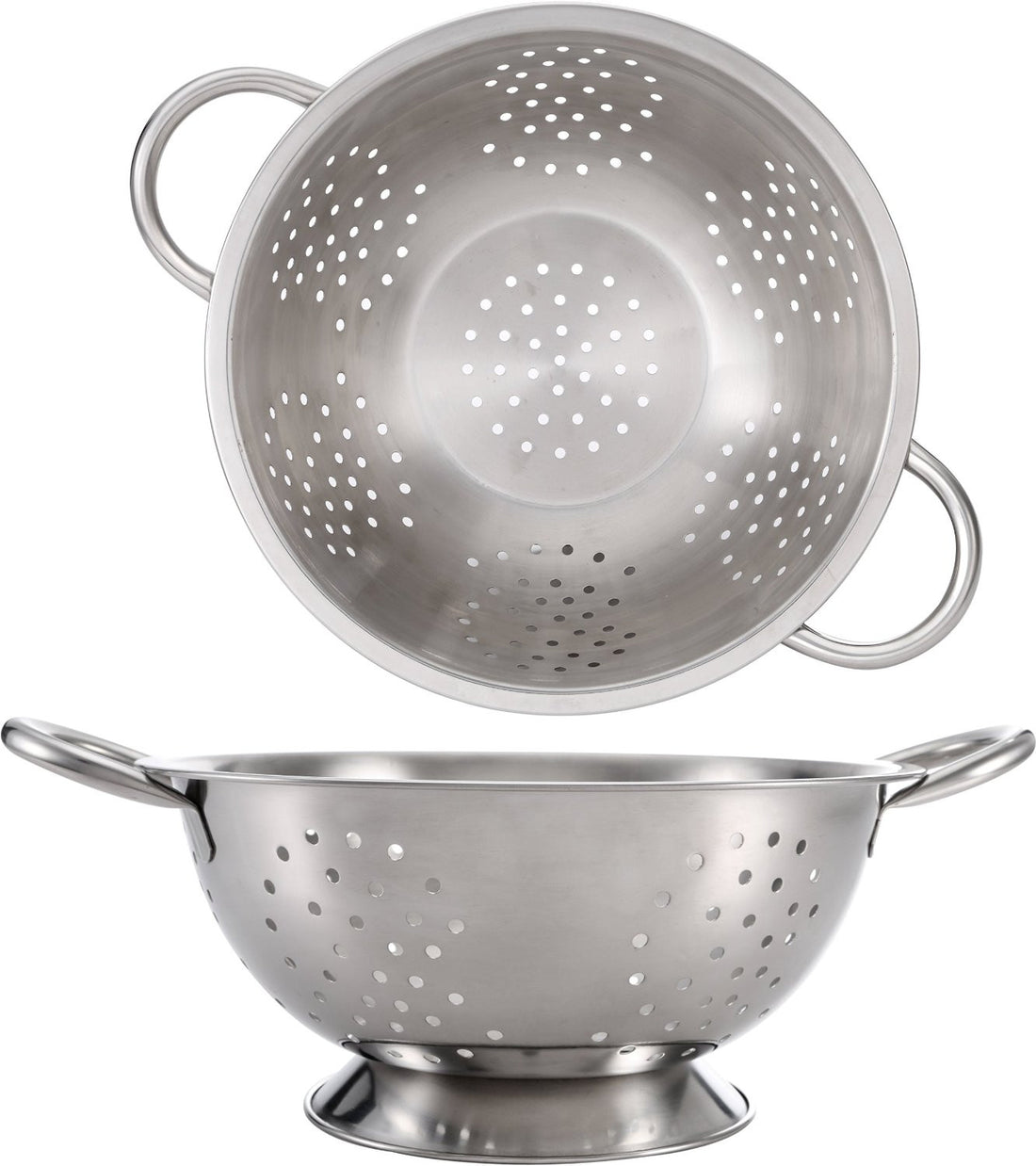
Credit: prochefkitchentools.com
Types Of Colanders
Colanders are essential kitchen tools for draining liquids from foods. They come in various types, each suited for different tasks. Understanding the types can help choose the right one for your kitchen needs.
Metal Colanders
Metal colanders are durable and long-lasting. They often feature fine mesh or perforated designs. Stainless steel versions resist rust and are easy to clean. Their weight provides stability when draining heavy items.
Plastic Colanders
Plastic colanders are lightweight and inexpensive. They come in various colors and sizes. Some have ergonomic handles for comfortable use. They are great for everyday tasks but may not withstand high heat.
Silicone Colanders
Silicone colanders are flexible and heat-resistant. Their non-stick surface makes cleaning easy. They can handle hot foods without damage. Silicone is perfect for squeezing into tight storage spaces.
Collapsible Colanders
Collapsible colanders save space in crowded kitchens. They fold flat, making them easy to store. Their design suits small kitchens or camping trips. They are often made of silicone or plastic for flexibility.
Primary Uses
The colander is a versatile kitchen tool. It serves multiple primary uses. Each task is simple but essential for daily cooking. From draining pasta to rinsing vegetables, the colander is a must-have. Its design allows easy handling and efficient draining.
Draining Pasta
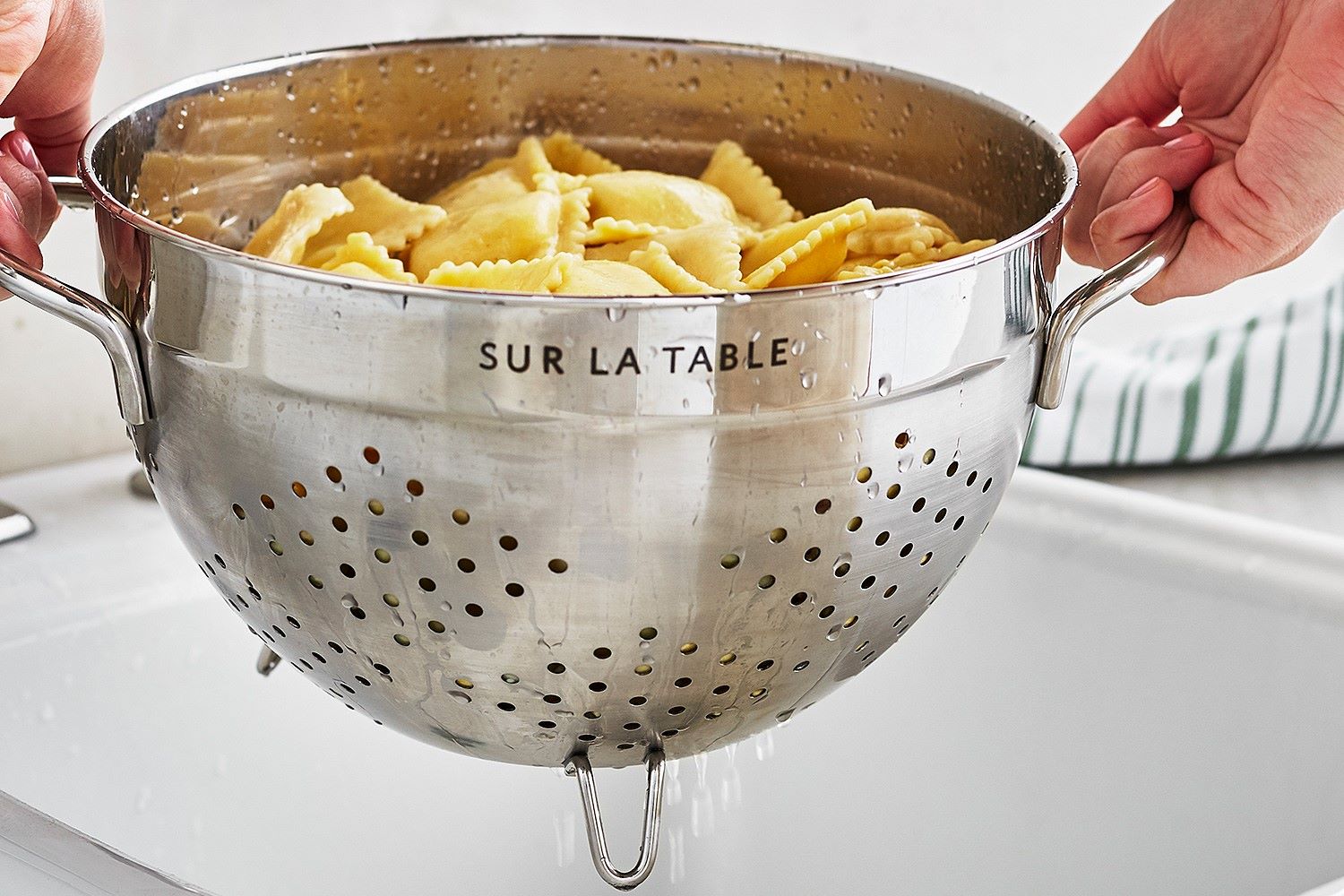
Draining pasta is a common use of a colander. After boiling, pasta needs to be separated from water. Place the colander in the sink. Pour the pasta and water into it. The holes let water drain quickly. Leaving only the cooked pasta behind.
Rinsing Vegetables
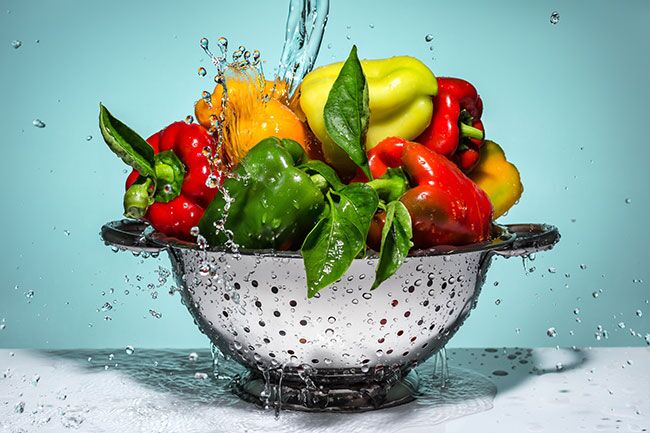
Rinsing vegetables ensures they are clean before cooking. Put the vegetables in the colander. Run cold water over them. Shake the colander gently. This removes dirt and pesticides. The water drains through the holes efficiently.
Washing Fruits
Washing fruits is easy with a colander. Place fruits inside it. Rinse them under running water. Toss them slightly to clean all sides. The colander allows water to pass through. Keeping fruits fresh and ready to eat.
Credit: learn.surlatable.com
Creative Uses
Colanders are not just for draining pasta. They have many creative uses in the kitchen. This versatile tool can transform your cooking routine. Explore some innovative ways to use your colander.
Steaming Vegetables
Use a colander to steam vegetables with ease. Place the colander over a pot of boiling water. Add your vegetables inside. Cover with a lid to trap steam. This method keeps veggies crisp and full of nutrients.
Sifting Dry Ingredients
A colander can sift dry ingredients like flour or sugar. Pour your dry ingredients into the colander. Shake gently over a mixing bowl. This breaks up clumps and ensures even mixing.
As A Fruit Bowl
Turn your colander into a stylish fruit bowl. Its holes allow air to circulate. This keeps fruit fresh longer. Place it on your counter for easy access. It adds a touch of charm to your kitchen.
Choosing The Right Colander
Choosing the right colander can make food preparation easier. The perfect colander helps with washing fruits, draining pasta, and rinsing vegetables efficiently. With many options available, selecting the best one might seem overwhelming. To simplify this decision, consider the following factors: size, material, and design.
Size Considerations
Colanders come in various sizes. Small colanders are great for single servings. Larger colanders work well for family meals. Consider your kitchen space when choosing. A compact kitchen might need a smaller colander.
Material Preferences
Colanders are made from different materials. Plastic colanders are lightweight and easy to handle. Stainless steel colanders are durable and resistant to rust. Silicone colanders are flexible and can withstand heat.
Design And Features
Design impacts functionality. Some colanders have handles for easy grip. Others have feet for stability on countertops. Some models are collapsible, saving storage space. Look for designs that match your cooking style.
Credit: kidsaregreatcooks.com
Maintenance Tips
A colander is essential for draining pasta or rinsing fruits and vegetables. Proper cleaning prevents residue buildup. Store in a dry place to avoid rust and extend its lifespan.
Maintaining your colander is key to keeping it in top condition for years. You don’t want to reach for it and find it grimy or rusty. Proper care ensures it’s always ready for that next big pasta night or fresh vegetable rinse. Let’s dive into some practical maintenance tips that will keep your colander clean and functional.Cleaning Techniques
After using your colander, rinse it under warm water immediately. This prevents food particles from sticking and hardening. Use a gentle dish soap and a soft sponge to scrub away any residue. For stubborn spots, a toothbrush can be handy for reaching those tiny holes. Avoid using harsh chemicals or abrasive scrubbers. They can scratch and damage the material, especially if your colander is made of stainless steel or plastic. How often do you think about drying it properly? Leaving it wet can lead to rust or mildew, so always dry it thoroughly with a clean towel.Storage Solutions
Where you store your colander matters. If possible, hang it up. This prevents stacking and potential damage from heavier items. A designated kitchen hook or a pegboard can be great solutions. If you prefer storing it in a cupboard, make sure it’s not at the bottom of a heavy pile. Consider giving it its own space. This avoids bending or warping from weight. Do you have a nesting set of colanders? Stack them from largest to smallest, ensuring each is completely dry before storing. Taking a few extra minutes to care for your colander can extend its life. Plus, it makes every cooking experience a little more enjoyable. Are there any tips you use that make a difference? Share them in the comments!Frequently Asked Questions
When Should You Use A Colander?
Use a colander to drain pasta, rinse vegetables, or wash fruits. It helps remove excess water efficiently. Choose a colander with suitable hole size for your task. This kitchen tool is essential for straining liquids and ensuring your ingredients are clean and well-prepared.
What Is The Difference Between A Strainer And A Colander?
A strainer filters out fine particles and liquids, while a colander drains larger solids like pasta or vegetables. Strainers have finer mesh, ideal for sieving, whereas colanders feature larger holes. Both tools are essential for kitchen tasks, but serve different purposes based on the food’s texture and size.
What Is A Colander Most Commonly Used For?
A colander is primarily used to drain water from foods like pasta and vegetables. It helps in washing fruits and vegetables efficiently. Its perforated design allows liquid to pass through while retaining solids. Perfect for rinsing and straining tasks in the kitchen.
What Foods Can You Make With A Colander?
Use a colander to rinse and drain pasta, rice, or grains. Prepare fresh salads by washing leafy greens and vegetables. Strain canned beans or rinse fruits. Create yogurt cheese by draining yogurt. Steam vegetables by placing them over boiling water.
A colander is versatile in the kitchen.
Conclusion
Colanders are essential in every kitchen. They simplify draining and rinsing tasks. Whether washing fruits or draining pasta, colanders make it easy. Their variety in size and material suits different needs. Stainless steel colanders offer durability. Plastic ones are lightweight and flexible.
Holes vary in size for specific uses. Small holes for rice, large for vegetables. Choose the right colander for your kitchen tasks. Enhance your cooking efficiency. Embrace this handy tool in daily meal preparation. Simplify your cooking process with a reliable colander.
It’s a kitchen staple for all cooks.

Hi, I’m Daniel Brooks—a food lover and kitchen gear enthusiast. I enjoy testing cookware, utensils, and gadgets to see what really works in everyday cooking. At PlugChef.com, I share honest reviews, comparisons, and simple guides to help you choose the best tools for a safer, smarter, and more enjoyable kitchen.
Related posts:
 What Type of Cooking Utensils are Safe: Expert Picks
 What Innovations Could Blenders Make: Unleashing Future Tech
 Smart Strategies to Organize a Small Kitchen: Maximize Space
 How to Organize a Kitchen Cabinet: Expert Tips & Tricks
 How to Organize Kitchen Drawers: Expert Tips and Tricks
 How to Organize a Corner Kitchen Cupboard: Expert Tips