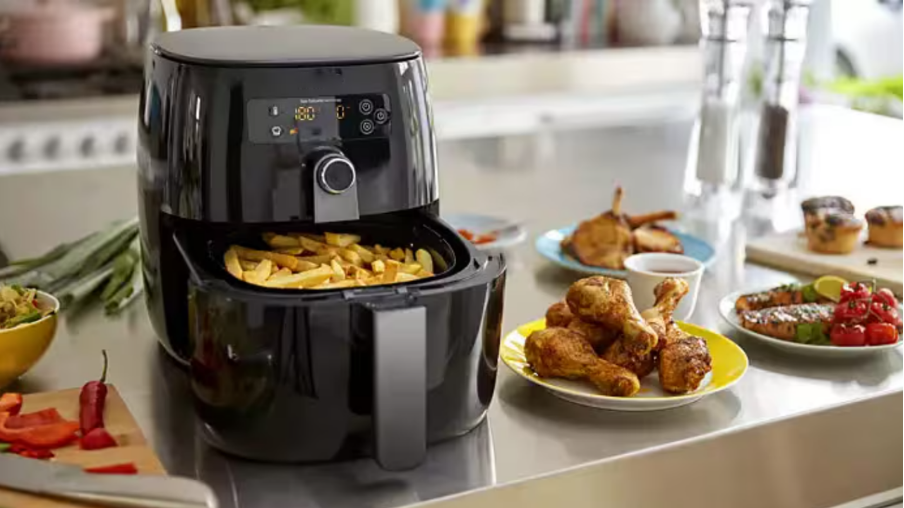
An air fryer is a countertop convection oven that crisps food using hot air and minimal oil.
As a longtime home cook and appliance tester, I’ll walk you through exactly what an air fryer is and how air frying works. This guide combines hands-on experience, clear science, and practical tips so you can decide if an air fryer fits your kitchen and learn how to get the best results from it.
How an air fryer works
If you’re asking “What is an air fryer and how does air frying work?” the short technical answer is: it circulates very hot air around food to create a crispy surface through rapid convection and the Maillard reaction.
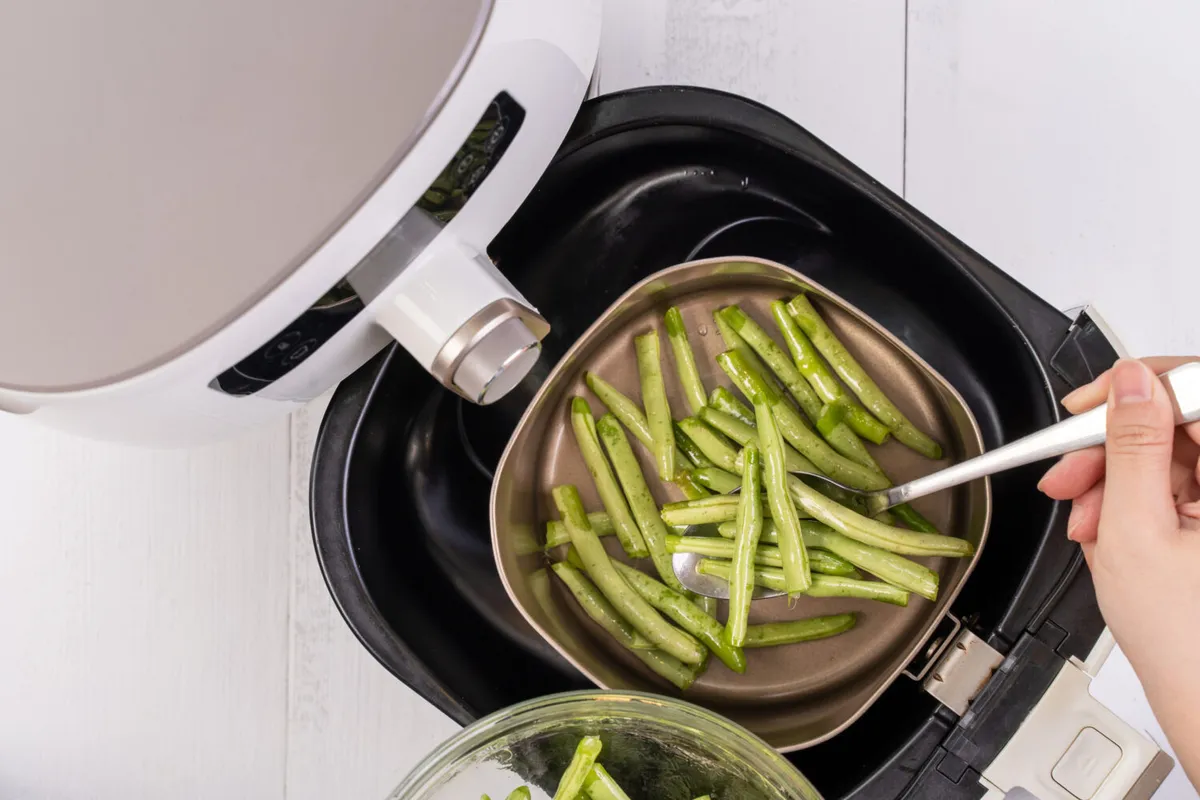
Air fryers use a heating element positioned near the food and a powerful fan to move hot air quickly around the cooking chamber. This fast circulation dries the surface and promotes browning, which gives a fried-like texture without submerging food in oil.
The process mixes convection heat and surface drying. The Maillard reaction — a chemical change between amino acids and sugars — creates flavor and browning when temperatures hit about 300°F (150°C) or higher. Air fryers reach these temperatures rapidly and maintain airflow to mimic deep-fried crispness.
:max_bytes(150000):strip_icc()/sea-air-fryers-test-instant-vortex-plus-6qt-xl-rkilgore-0824-69f8d54611b34bb19e4ce3d22515e89f.jpeg)
Source: seriouseats.com
Components that make air frying possible
If you want to understand “What is an air fryer and how does air frying work?” look at the parts doing the heavy lifting.
- Heating element. Produces the necessary heat near the top of the unit.
- Fan. Pushes hot air down and around food for even cooking.
- Basket or tray. Holds food and allows air to move 360 degrees.
- Controls and sensors. Manage temperature, time, and sometimes humidity or internal temperature.
- Housing and vents. Channel airflow and help regulate internal pressure and temperature.
Together these parts create a compact convection system that heats and crisps quickly, using a fraction of oil compared to deep frying.
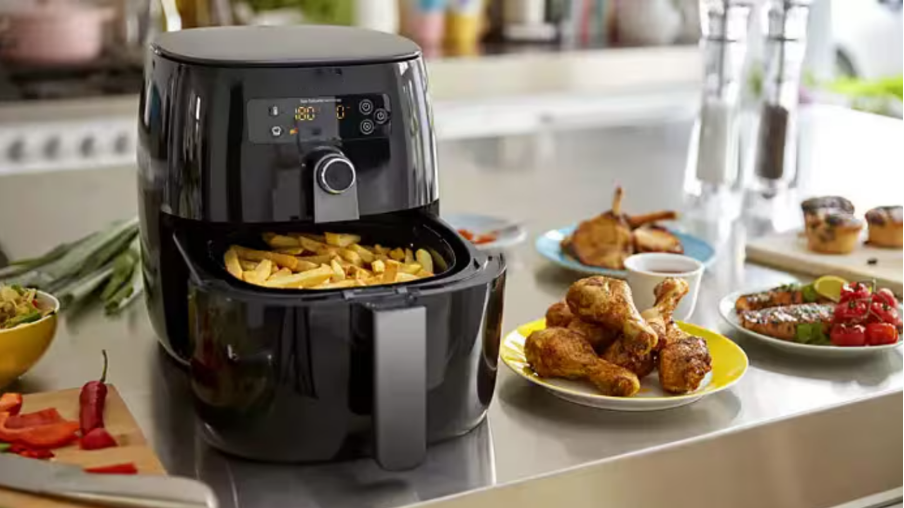
Source: aeno.com
Benefits of air frying
People often ask “What is an air fryer and how does air frying work?” because they want healthier fried food fast. Here are the main advantages.
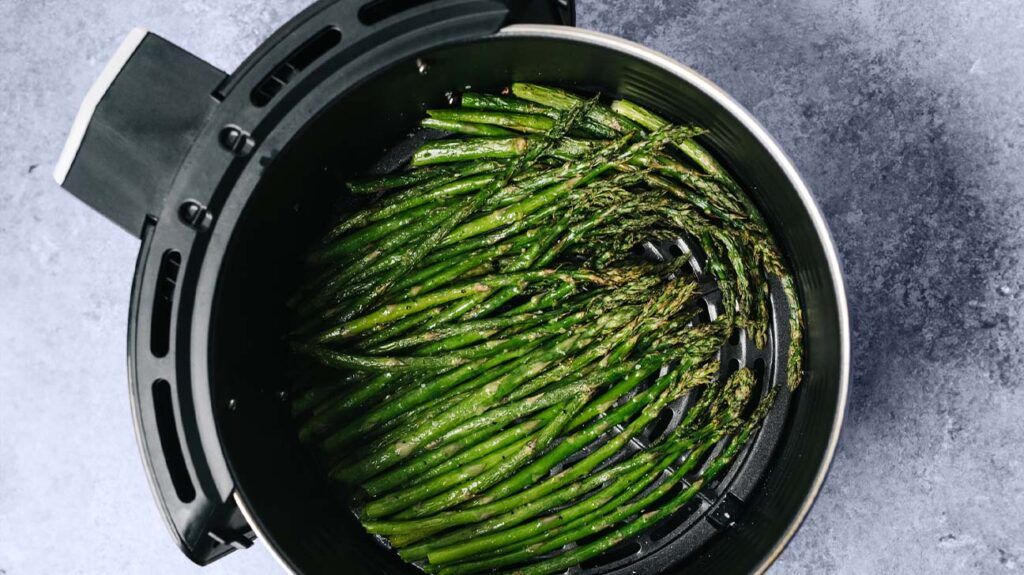
- Less added fat. You can get crispy results with teaspoons instead of cups of oil.
- Faster preheat and cook times than traditional ovens.
- Easier cleanup. Baskets and trays are frequently dishwasher-safe.
- Versatility. Roast, bake, broil, reheat, and crisp frozen foods.
- Energy efficiency. Shorter cycles often use less energy than a full-size oven.
From my testing, air frying reduces greasy cleanup and shortens weeknight cooking time while delivering satisfying crunch for many dishes.
Source: medicalnewstoday.com
Limitations and common misconceptions
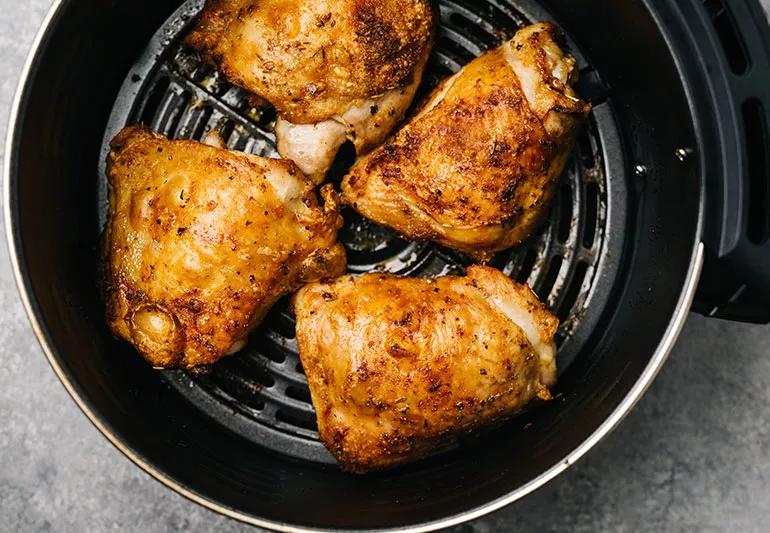
Clear answers help. “What is an air fryer and how does air frying work?” does not mean it replicates deep frying perfectly.
- Not true deep frying. Texture inside can differ from oil-submerged frying.
- Capacity limits. Most baskets are best for 1–4 servings; crowding reduces crispness.
- Uneven results on dense or wet batters. Thick batters can drip or remain soggy.
- Acrylamide formation. High-heat cooking can produce compounds typical of browning; follow good cooking practices.
- Noise and heat. Fans can be loud and units radiate heat into small kitchens.
Knowing limits saves frustration and helps you use the appliance where it excels.
Source: clevelandclinic.org
How to use an air fryer effectively — tips from experience
When people ask “What is an air fryer and how does air frying work?” they want to know how to get perfect results. Follow these practical steps.
- Preheat briefly. Two to five minutes helps crisping.
- Space food in a single layer. Avoid stacking for even airflow.
- Lightly coat foods with oil. A teaspoon or mist improves browning.
- Shake or flip halfway. This prevents hot spots and improves crispness.
- Reduce conventional oven times by 20% and temperature by 25°F for recipes adapted to the air fryer.
Common mistakes I’ve seen: overfilling the basket, using too much wet batter, skipping preheat, and not adapting time/temperature from oven recipes. Correct these and your results will improve quickly.

Source: wearegreenbay.com
Safety and maintenance
If you wonder “What is an air fryer and how does air frying work?” you should also ask how to care for one. Safe use and routine cleaning extend life.
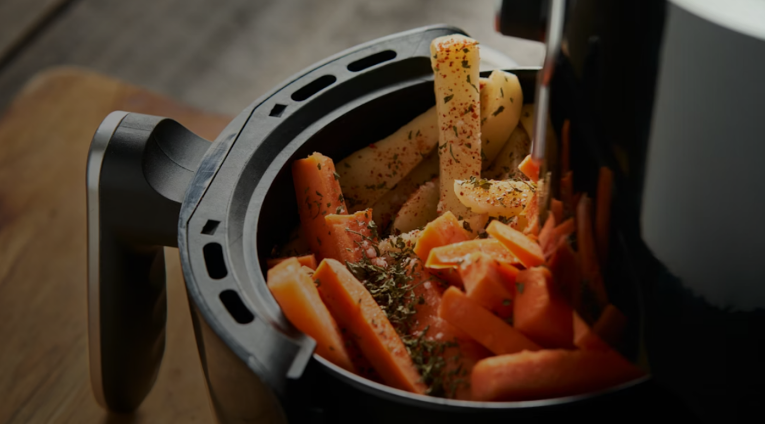
- Keep vents clear. Ensure proper airflow and prevent overheating.
- Clean baskets and trays after each use. Remove burned food to avoid smoke.
- Avoid aerosol nonstick sprays directly on baskets. They can leave residue and damage coatings.
- Unplug before deep cleaning. Use warm soapy water and nonabrasive tools.
- Allow cooling before handling metal parts. Use oven mitts for hot baskets.
Good care reduces odor, prevents smoke, and keeps performance consistent.
Source: aeno.com
Air frying versus deep frying and oven cooking
When clarifying “What is an air fryer and how does air frying work?” comparisons help set expectations.
- Deep frying. Immerses food in hot oil. Gives the most uniform crisp and pronounced fat transfer. Air frying uses little oil and offers similar surface crisp in many cases.
- Oven roasting. Uses convection slowly; air fryers are smaller and deliver faster, more intense convection for quicker browning.
- Toaster ovens with convection. Similar physics, but air fryers often have higher fan speeds and a compact chamber that boosts airflow efficiency.
Use each method where it suits the food: air fry for quick crisping, deep fry for classic textures, oven for large batches.

Source: duronic.com
Buying guide — what to look for
If your search query “What is an air fryer and how does air frying work?” led you to shopping, consider these criteria.
- Capacity. Pick a size that fits your typical batch (2–6 quarts common).
- Wattage. Higher wattage heats faster but draws more power.
- Controls. Digital presets and timers add convenience; manual knobs are simple and durable.
- Accessories. Removable racks, crisper plates, and baking pans expand uses.
- Warranty and support. Choose brands with clear warranty coverage and reliable customer service.
I recommend prioritizing capacity and sensible controls over flashy extras. A good midrange model covers most home needs.
PAA-style questions — quick answers
What is an air fryer and how does air frying work? It circulates hot air rapidly to brown and crisp food while using little oil.
Is air frying healthier than deep frying? Yes, it typically uses far less added oil, lowering added fat and calories.
Can you cook frozen foods in an air fryer? Yes; air fryers excel at crisping frozen foods with minimal changes to time.
Frequently Asked Questions of What is an air fryer and how does air frying work?
How much oil do I need to air fry food?
Most recipes call for a light brush or spray, often one to two teaspoons; some foods need no added oil at all.
Will an air fryer make food taste like deep-fried food?
Air fryers approximate the texture of deep frying on the surface, but the interior texture and flavor can differ from true deep frying.
Can I bake and roast in an air fryer?
Yes. Air fryers can bake small cakes, roast vegetables, and reheat leftovers effectively.
Are air fryers energy efficient?
Because they preheat quickly and cook faster, air fryers often use less energy than a full-size oven for small batches.
How do I prevent food from sticking to the basket?
Lightly oil the basket or food, use parchment liners designed for air fryers, and avoid sprays that damage coatings.
Conclusion
Understanding “What is an air fryer and how does air frying work?” gives you the tools to choose and use one well. Air fryers deliver fast, crisp results with far less oil, and they work best when you respect airflow, avoid crowding, and adapt recipes. Try simple foods first, learn timing by testing, and use the tips above to get reliable results.
Explore recipes, experiment with temperatures, and leave a comment sharing your favorite air-fried dish or question.

I’m Abby Lu, a passionate home cook who loves simplifying everyday meals. At PlugChef.com, I share product reviews and cooking guides to help you find the best tools for your kitchen.