
When it comes to handling emergencies, having the right first aid kit can make all the difference. But what exactly is a Type 1 First Aid Kit, and why should you care about it?
If you want to be truly prepared to protect yourself and those around you, understanding this kit is essential. You’ll discover what sets a Type 1 First Aid Kit apart, what it contains, and how it can help you stay safe when every second counts.
Keep reading—your peace of mind might depend on it.

Credit: www.youtube.com
Type 1 First Aid Kit Basics
A Type 1 First Aid Kit is designed specifically for workplaces where the risk of injury is moderate and immediate response is crucial. Understanding its basics helps you prepare better for emergencies and comply with safety regulations. Let’s break down what makes this kit essential for your safety setup.
What Does A Type 1 First Aid Kit Contain?
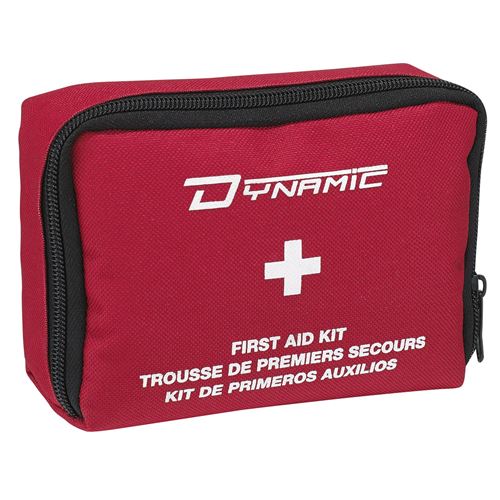
A Type 1 First Aid Kit usually includes a balanced mix of dressings, bandages, and tools to handle minor injuries effectively. Common items are:
- Plasters of various sizes
- Sterile wound dressings
- Triangular bandages
- Antiseptic wipes
- Scissors and tweezers
- Disposable gloves
Each item is selected to cover cuts, scrapes, and minor burns quickly. Does your current kit have these basics ready?
Where Is A Type 1 First Aid Kit Required?
This kit is mandatory in low-risk workplaces like offices, shops, and libraries. It ensures that minor injuries don’t escalate before professional help arrives. If your workplace has fewer than 25 employees, this might be the kit you need.
Think about your environment: Is your current first aid setup enough for your specific risks?
Why Choose A Type 1 First Aid Kit?
Choosing a Type 1 kit means you’re prepared without overloading on unnecessary supplies. It strikes a balance between size, content, and cost. You get a compact kit that fits your workplace’s needs without being bulky or expensive.
Have you checked if your first aid kit matches the risks you face every day?
Contents Of A Type 1 First Aid Kit
A Type 1 First Aid Kit is designed for basic emergency care. It holds essential items to treat minor injuries fast. Knowing the contents helps you prepare better. Each item serves a specific purpose in handling wounds or sudden health issues.
These kits include a variety of tools and supplies. They cover cuts, scrapes, burns, and other common injuries. The contents focus on cleaning wounds, stopping bleeding, and preventing infection. Understanding the kit’s parts makes it easier to use in an emergency.
Bandages And Dressings
- Adhesive bandages of different sizes for small cuts
- Sterile gauze pads to cover larger wounds
- Roller bandages to hold dressings in place
- Elastic bandages for sprains and support
- Non-stick dressings to prevent pain when removed
Medical Instruments
- Scissors with blunt tips for cutting bandages
- Tweezers to remove splinters or debris
- Disposable gloves to keep hands clean
- Thermometer for checking body temperature
- Safety pins to secure bandages or slings
Antiseptics And Ointments
- Alcohol wipes to clean skin before dressing wounds
- Antiseptic solution to kill germs and prevent infection
- Antibiotic ointment to apply on cuts and scrapes
- Burn cream to soothe minor burns and reduce pain
- Eye wash solution for rinsing eyes in case of irritation
Emergency Medications
- Pain relief tablets like paracetamol or ibuprofen
- Antihistamine tablets for allergic reactions
- Oral rehydration salts to treat dehydration
- Activated charcoal for poisoning emergencies
- Any personal medications needed for specific health issues
Regulations And Standards
Understanding the regulations and standards for a Type 1 First Aid Kit is crucial. These rules ensure the kit meets safety and quality benchmarks. Compliance guarantees readiness for emergencies and legal protection. Different workplaces and industries may have specific requirements. Following these standards helps maintain a safe environment for everyone.
Compliance With Safety Laws
Type 1 First Aid Kits must meet national safety laws. These laws dictate what items the kit should contain. The contents often include bandages, antiseptics, and protective gear. Regular checks and restocking are mandatory to keep the kit effective. Failure to comply can result in fines or legal issues. Employers are responsible for providing compliant kits at work.
Industry-specific Requirements
Some industries require additional first aid items. Construction sites might need burn dressings or eye wash solutions. Factories may require kits with larger supplies due to higher risks. Healthcare settings demand sterile and specialized materials. These rules depend on the type of work and potential hazards. Customizing kits to industry needs improves safety and response time.
Credit: fnsupplyandutility.ca
Choosing The Right Kit
Choosing the right Type 1 First Aid Kit can make a significant difference in how effectively you respond to emergencies. It’s not just about having a kit; it’s about having the right one that fits your needs and environment. Understanding what to look for helps you avoid common pitfalls and ensures you’re prepared when every second counts.
Factors To Consider
Start by assessing the environment where you’ll use the kit. Are you stocking it for a small office, a construction site, or a busy public area? The number of people and the types of potential injuries vary greatly, so your choice should match those conditions.
Think about the size and portability of the kit. Will it be stationary on a wall or carried around? A bulky kit might be great for a fixed location but impractical for mobile use.
Also, check if the kit complies with local safety regulations or industry standards. This ensures it meets the minimum requirements for first aid supplies in your area or field.
Evaluating Quality And Durability
Don’t just look at the number of items included; focus on the quality of those items. Cheap bandages and tools may fail when you need them most. Reliable brands often provide better materials that last longer and work more effectively.
Consider the container’s durability. A waterproof, impact-resistant case protects your supplies from damage. If you’ve ever had to use a soggy or crushed bandage, you know how frustrating that can be.
Look for kits with clear organization. When under pressure, you don’t want to waste time searching for essential items. Clear labeling and compartments can save precious moments during an emergency.
Maintenance And Inspection
Maintaining and inspecting your Type 1 First Aid Kit regularly ensures it will be ready when you need it most. A well-kept kit can make a real difference during an emergency, providing the right supplies without delay. Neglecting this task might leave you with expired or missing items just when every second counts.
Routine Checks
Set a schedule for checking your first aid kit, such as once a month or every few weeks. During each check, confirm that all items are present, clean, and undamaged. Pay special attention to packaging and seals—if anything looks compromised, replace it immediately.
Ask yourself: would you be able to find and use each item quickly in a crisis? If not, reorganize or label your kit to improve accessibility. Keeping your kit organized saves precious time and reduces panic during emergencies.
Replacing Expired Items
Medicines and supplies in your kit have expiration dates for a reason—they lose effectiveness over time. Check every item’s expiry date carefully and replace anything that has passed or is close to passing. This includes bandages, antiseptic wipes, ointments, and pain relievers.
Remember, a fresh kit means reliable help. Don’t wait until you need it to realize your supplies are no longer safe or effective. Keep a list of what you’ve replaced and when, so you don’t overlook anything important.

Credit: www.instagram.com
Training For Effective Use
Training is essential to make the most out of a Type 1 First Aid Kit. Simply owning the kit is not enough; knowing how to use each item correctly can save lives. The right training boosts your confidence and helps you react quickly in emergencies.
Skill Development
Learning first aid skills goes beyond reading instructions. You need hands-on practice to understand how to apply bandages, use antiseptics, or operate a CPR mask effectively. Regular practice sessions help you retain this knowledge and improve your response time.
Think about the last time you tried to apply a bandage. Did you find it tricky to wrap it snugly without causing discomfort? Developing these skills through training courses or workshops makes those actions second nature.
Simulated Emergency Situations
Role-playing emergency scenarios is a powerful way to prepare for real-life incidents. Simulations create a safe space to test your skills under pressure and identify areas where you might hesitate or make mistakes.
Imagine responding to a choking victim or a deep cut during a drill. These exercises sharpen your decision-making and help you stay calm when it really counts. Have you ever thought about how you would react if faced with a sudden emergency right now?
Role Of First Aid Kits In Safety Protocols
First aid kits play a crucial role in safety protocols by providing immediate access to essential medical supplies during emergencies. They bridge the gap between an injury occurring and professional medical help arriving. Having a well-equipped Type 1 First Aid Kit ensures you can handle minor injuries effectively and stabilize more serious conditions until further help is available.
Integration With Emergency Plans
Your emergency plan is only as strong as the tools you have to support it. A Type 1 First Aid Kit should be strategically placed in locations that align with your emergency response routes and procedures. This makes sure that anyone responding to an incident can quickly find the necessary supplies without wasting time.
Think about how often emergency drills skip checking first aid accessibility. Are your kits included in your evacuation or lockdown rehearsals? You want to make sure that everyone knows where these kits are and how to use them correctly, which can save precious minutes during an emergency.
Enhancing Workplace Safety
Workplaces come with their own set of risks, from minor cuts to more severe injuries. Keeping a Type 1 First Aid Kit within reach can reduce downtime caused by accidents and help maintain a safer environment. It also shows a commitment to employee well-being, which boosts morale and productivity.
Have you ever noticed how a well-stocked first aid kit can calm a panicked team member during a sudden injury? It’s more than just supplies; it’s about confidence and preparedness. Regularly checking and restocking your kit ensures it’s ready when you need it most.
Frequently Asked Questions
What Is Included In A Type 1 First Aid Kit?
A Type 1 First Aid Kit contains essential medical supplies for minor injuries. It typically includes bandages, antiseptic wipes, adhesive tape, scissors, gloves, and dressings. This kit is designed for workplaces to provide immediate care before professional help arrives.
Where Is A Type 1 First Aid Kit Used?
Type 1 First Aid Kits are used mainly in low-risk workplaces. These include offices, retail shops, and small businesses. They meet legal requirements for basic first aid coverage in environments with minimal hazards.
How Does A Type 1 First Aid Kit Comply With Regulations?
A Type 1 First Aid Kit complies with health and safety regulations by containing mandatory items. It meets standards set by regulatory bodies to ensure workplace safety. Regular checks and restocking keep it compliant and ready for emergencies.
Who Should Have A Type 1 First Aid Kit?
Employers and employees in low-hazard environments should have a Type 1 First Aid Kit. It is crucial for providing quick first aid treatment. Having this kit helps reduce injury severity and supports workplace safety protocols.
Conclusion
A Type 1 First Aid Kit holds essential items for serious injuries. It helps treat wounds, burns, and fractures quickly. Having one nearby can save lives during emergencies. Regularly check and restock your kit to stay prepared. Everyone should know what a Type 1 kit contains and how to use it.
Being ready means staying safe and confident in tough moments. Keep your first aid kit accessible and learn basic first aid skills too. Safety starts with preparation, and a Type 1 kit plays a key role.

I’m Abby Lu, a passionate home cook who loves simplifying everyday meals. At PlugChef.com, I share product reviews and cooking guides to help you find the best tools for your kitchen.
Related posts:
 What Type of Cooking Utensils are Safe: Expert Picks
 What Innovations Could Blenders Make: Unleashing Future Tech
 Smart Strategies to Organize a Small Kitchen: Maximize Space
 How to Organize a Kitchen Cabinet: Expert Tips & Tricks
 How to Organize Kitchen Drawers: Expert Tips and Tricks
 How to Organize a Corner Kitchen Cupboard: Expert Tips