
Imagine you’re in the kitchen, ready to prepare a delicious meal. You have your ingredients laid out, and you’re excited to start cooking.
But wait—what’s that tool in your cupboard with all those holes? Yes, it’s the colander, a trusty kitchen companion that often goes unnoticed. You might wonder, “What exactly is a colander used for in cooking? ” This simple yet essential tool could be the key to taking your culinary skills to the next level.
By understanding its uses, you can enhance your cooking efficiency and achieve better results with your dishes. Whether you’re rinsing fresh vegetables or draining pasta, the colander plays a crucial role in making your cooking process smoother and your meals tastier. Keep reading to discover how this humble kitchen gadget can transform your cooking experience, making your time in the kitchen more enjoyable and your meals more delightful.
Colander Basics
Colanders are essential tools in any kitchen, yet they often sit forgotten in a cupboard until a recipe demands them. These perforated bowls are used for draining, rinsing, and even steaming, making them indispensable for a variety of cooking tasks. Understanding the basics of a colander can elevate your cooking efficiency and help you achieve better results in the kitchen.
Draining Pasta
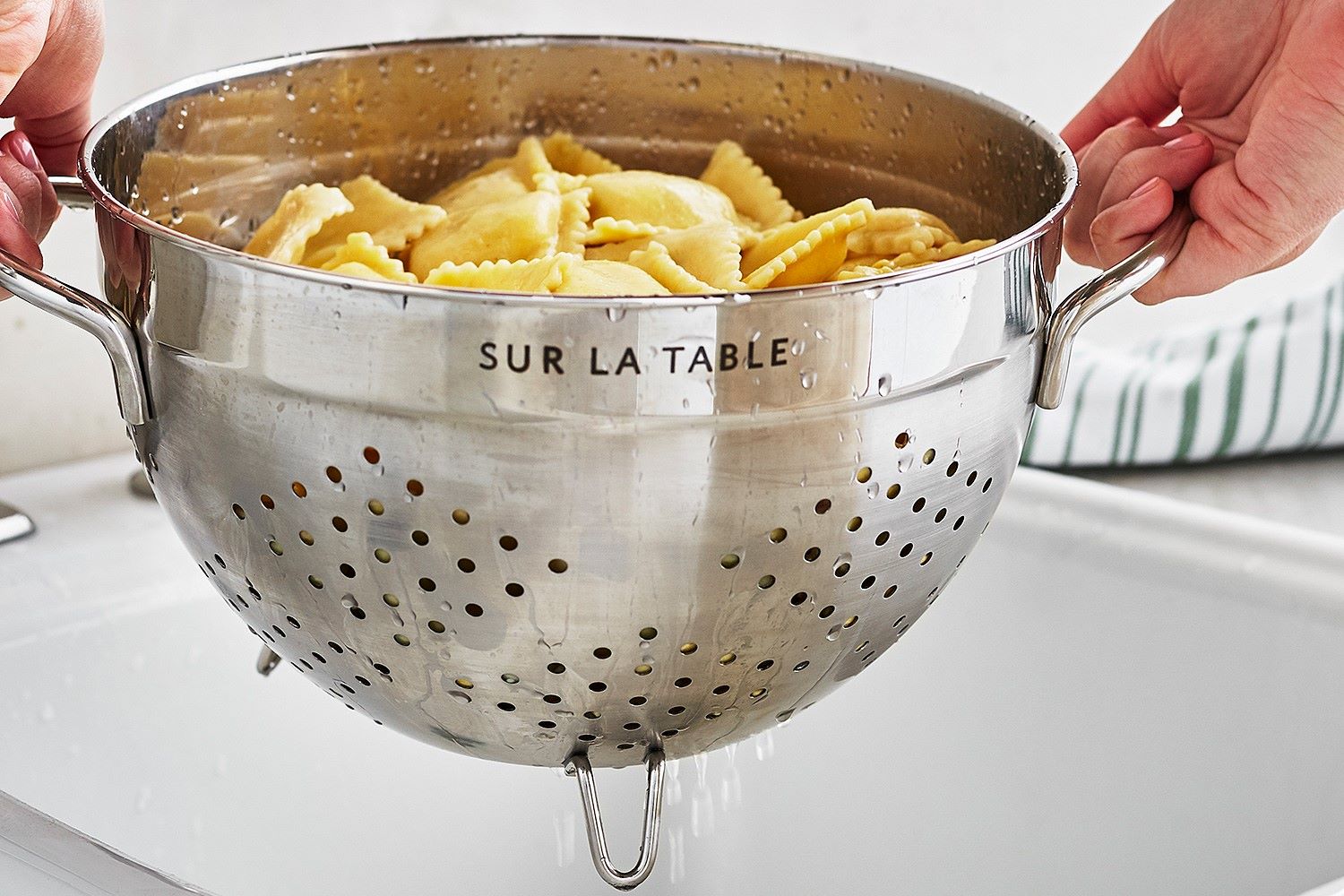
Draining pasta is perhaps the most common use for a colander. After cooking your pasta to perfection, pour it into a colander to separate the noodles from the hot water. This simple action prevents your pasta from becoming soggy and helps you achieve the perfect al dente texture.
Rinsing Vegetables
Are you washing veggies for a salad or stir-fry? A colander can be your best friend. Place your vegetables in the colander under running water to remove dirt and pesticides. This quick rinse ensures that your produce is clean and ready for cooking or eating raw.
Straining Broths
Do you ever make homemade broth? A colander helps strain the liquid from the solids. Place a colander over a pot and pour the broth through it. This separates the flavorful liquid from bones or vegetables, leaving you with a smooth broth.
Steaming Foods
A lesser-known use for a colander is steaming. Place your colander over a pot of boiling water, add vegetables or dumplings, and cover with a lid. This turns your colander into a makeshift steamer, perfect for healthy cooking.
Creative Uses
Have you ever considered using a colander for more than just cooking? It can also serve as a fruit bowl, allowing air to circulate and keep fruit fresh. Or, use it to sift flour when baking. The possibilities are endless, and thinking outside the box can make your kitchen tasks more enjoyable.
Next time you cook, will you reach for your colander with newfound appreciation? This humble tool can transform how you prepare meals, making your time in the kitchen more efficient and enjoyable. Give it a try and see the difference it makes!
Credit: learn.surlatable.com
Types Of Colanders
Colanders are a staple in every kitchen, simplifying the process of rinsing and draining ingredients. But did you know there are several types of colanders, each with unique features? Choosing the right one can make your cooking experience more efficient and enjoyable. Let’s dive into the different types of colanders that you might find useful in your kitchen.
Metal Colanders
Metal colanders are the classic choice. They’re typically made of stainless steel or aluminum. Their durability is unmatched, making them perfect for heavy-duty tasks. You might have seen your grandmother using one to drain pasta or rinse vegetables. The robust design ensures it can handle hot liquids without warping.
If you often cook large meals, a metal colander is a reliable companion. Just remember, they’re not always ideal for delicate ingredients like berries, which might get bruised. Do you prefer the traditional look and feel of kitchen tools? Then a metal colander might be your best bet.
Plastic Colanders
Plastic colanders are lightweight and versatile. They come in an array of colors and designs, adding a splash of style to your kitchen. These colanders are perfect for everyday tasks like washing fruits or draining canned beans. Their non-reactive material ensures no weird taste leeches into your food.
However, be cautious with hot liquids, as plastic can warp or melt. If you’re looking for something easy to handle and clean, plastic is a great option. Ever thought about how your kitchen tools can reflect your personality? A colorful plastic colander might just do that!
Collapsible Colanders
Collapsible colanders are the space-saving heroes of the kitchen. They’re perfect for small apartments or for those who value efficient storage. You can expand them when in use and collapse them flat afterward. It’s a brilliant way to save precious cabinet space.
Think about those times when you struggle to find storage for your bulky cookware. A collapsible colander could be a game-changer. Have you ever wished your kitchen could be less cluttered? Embracing collapsible tools might be the solution you’ve been searching for.
In choosing a colander, consider your cooking habits and kitchen space. The right colander can streamline your cooking process and even add a touch of personality to your kitchen. Which type of colander do you think would best suit your culinary adventures?
Key Uses In Cooking
A colander is an essential tool in every kitchen. Its primary function is to drain liquid from food. But its uses extend beyond just draining. The colander helps in rinsing and washing various foods. It is versatile and practical for many cooking tasks. Let’s explore its key uses in cooking.
Draining Pasta
Pasta lovers know the importance of a colander. After boiling pasta, it needs draining. Pour the pasta into the colander to remove water. This prevents pasta from becoming soggy. It also helps in separating pasta from the liquid. A colander ensures your pasta retains its texture.
Washing Vegetables And Fruits
Fresh produce needs a thorough wash. A colander is perfect for this task. Place vegetables and fruits in the colander. Rinse them under running water. This removes dirt and pesticides effectively. The holes allow water to drain quickly. You get clean, ready-to-eat produce.
Rinsing Grains
Grains like rice often need rinsing before cooking. A colander simplifies this process. Put the grains in the colander. Rinse them under cool water. This removes excess starch from rice. It also cleans other grains effectively. A colander is ideal for rinsing quinoa and barley.

Credit: en.wikipedia.org
Choosing The Right Colander
Choosing the right colander can impact your cooking experience. The right colander can make meal preparation smooth and efficient. Consider several factors to find the perfect one for your kitchen. Key aspects to think about include material, size, and shape.
Material Considerations
Colanders are made from various materials. Stainless steel colanders are durable and rust-resistant. They are ideal for heavy-duty use. Plastic colanders are lightweight and easy to handle. They are often less expensive. Silicone colanders are flexible and heat-resistant. They can collapse for easy storage.
Size And Shape
Colanders come in different sizes and shapes. A large colander works well for pasta or washing vegetables. Small colanders are suitable for rinsing berries or draining canned goods. Consider the shape, too. Round colanders fit well in bowls or pots. Some colanders have handles or feet for stability. Choose one that fits your kitchen needs.
Care And Maintenance
The colander is a kitchen staple, but do you know how to keep it in top shape? Proper care and maintenance not only extend its lifespan but ensure it functions effectively in your culinary adventures. From cleaning to storage, these tips will help you take care of your colander like a pro.
Cleaning Tips
Keeping your colander clean is crucial for hygiene and performance. After each use, rinse it thoroughly under warm water to remove food particles. For stubborn residues, use a soft brush and mild detergent to scrub gently. Avoid using harsh chemicals or abrasive sponges as they can damage the material. If you’re like me and sometimes forget to clean up right away, just soak the colander in warm soapy water for a few minutes before scrubbing.
Storage Solutions
Efficient storage can prevent damage and save space. If your kitchen is small, nesting colanders within each other or hanging them on a rack can be a great solution. Make sure the colander is completely dry before storing to avoid mold and rust. Consider investing in a colander with foldable handles for compact storage. Do you have a favorite way to store your colander? Experiment with different solutions to find what fits best in your kitchen.
Have you ever thought about how a simple kitchen tool like a colander can impact your cooking experience? By maintaining it well, you’re not just preserving a tool, but enhancing your culinary skills. Keep these tips in mind, and your colander will always be ready for action!
Innovative Uses
A colander drains water from pasta or vegetables, ensuring they’re ready for the next cooking step. It also rinses fruits and grains, removing impurities. With its perforated design, it quickly separates liquids from solids, making kitchen tasks more efficient.
Colanders are often seen as simple kitchen tools meant for draining pasta or rinsing vegetables. Yet, there’s a world of innovative uses just waiting to be discovered. Have you ever considered how versatile this humble tool can be? From alternative kitchen applications to surprising non-kitchen uses, the colander can become your new best friend in unexpected ways.Alternative Kitchen Uses
In the kitchen, colanders aren’t just for draining. Consider using them for steaming vegetables. Place your colander over a pot of boiling water and cover it with a lid. This transforms your colander into a steamer, saving you the need for another gadget. Ever tried sifting dry ingredients like flour or powdered sugar? A colander can be a quick substitute for a sifter. It might not be as fine, but it gets the job done when you’re in a pinch. Next time you’re making a fruit salad, use your colander to wash and drain the fruit in one go. The holes allow for quick drainage, and you can shake off excess water with ease.Non-kitchen Applications
Step outside the kitchen, and the colander still shines. Use it as a container for washing small items like toys or craft supplies. The holes let water escape quickly, making it easy to rinse and dry items in one go. Got a green thumb? Try using a colander as a plant holder. Its holes provide excellent drainage, making it ideal for plants that don’t like soggy roots. Have you ever thought of using a colander as a creative light fixture? Simply add a bulb and watch as it casts interesting patterns on the walls. It’s a unique way to upcycle an old kitchen tool. The colander can even be a fun tool for the kids. Fill it with water balloons or use it in a backyard water game. It adds an unexpected twist and fun to outdoor activities. What other innovative uses can you think of? The possibilities are endless when you start to see the colander as more than just a kitchen accessory. Embrace its versatility and let your creativity flow.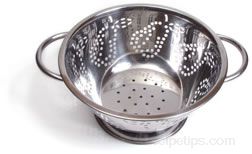
Credit: www.recipetips.com
Frequently Asked Questions
What’s The Difference Between A Strainer And A Colander?
A strainer filters small particles and liquids using fine mesh. A colander drains larger items, like pasta, with holes. Both are kitchen tools used for separating liquids from solids, but they differ in design and purpose. Choose based on the size of items you need to strain or drain.
When Should You Use A Colander?
Use a colander to drain pasta, rinse vegetables, or wash fruits. It’s perfect for removing excess water quickly. Ensure the colander is clean before use for safe food preparation. Always shake gently to remove water thoroughly from the food items.
What Else Can You Use A Colander For?
A colander can be used for washing fruits and vegetables. It helps drain canned foods easily. You can sift flour or powdered sugar with it. Use it to steam vegetables by placing it over boiling water. It can also serve as a makeshift planter.
What Foods Can You Make With A Colander?
Use a colander to rinse fruits and vegetables, drain pasta, and strain soups or broths. It’s essential for washing rice, draining canned beans, and straining yogurt. Preparing salads? Use it to rinse and drain leafy greens. Perfect for separating liquids and solids in various recipes.
Conclusion
A colander is a must-have tool in every kitchen. It makes draining pasta and washing vegetables easy. Its holes let water flow out quickly. This helps keep food fresh and clean. Choosing the right size colander is important. It should fit your needs and kitchen space.
Metal colanders are durable, while plastic ones are light. Both work well for different tasks. With a colander, cooking becomes simpler. It saves time and effort. So next time you cook, reach for this handy tool. Enjoy better meals with less fuss.
Your kitchen deserves it!

Hi, I’m Daniel Brooks—a food lover and kitchen gear enthusiast. I enjoy testing cookware, utensils, and gadgets to see what really works in everyday cooking. At PlugChef.com, I share honest reviews, comparisons, and simple guides to help you choose the best tools for a safer, smarter, and more enjoyable kitchen.
Related posts:
 What Type of Cooking Utensils are Safe: Expert Picks
 What Innovations Could Blenders Make: Unleashing Future Tech
 Smart Strategies to Organize a Small Kitchen: Maximize Space
 How to Organize a Kitchen Cabinet: Expert Tips & Tricks
 How to Organize Kitchen Drawers: Expert Tips and Tricks
 How to Organize a Corner Kitchen Cupboard: Expert Tips