

Have you ever found yourself staring at a colander, wondering what exactly this kitchen tool is meant for? You’re not alone.
Many people overlook the importance of a colander, yet it plays a crucial role in everyday cooking. Imagine having the power to effortlessly separate liquids from solids, making your cooking process smoother and more efficient. This tool, often underestimated, can transform your kitchen experience and elevate your culinary skills.
Intrigued? Stick around, because you’re about to discover how a simple colander can become your secret weapon in the kitchen, saving you time and effort while ensuring your dishes turn out perfectly every time.
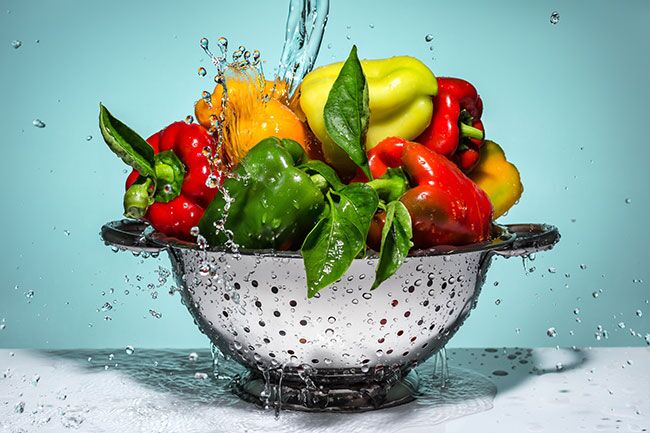
Credit: kidsaregreatcooks.com
Colander Basics
Colanders are essential kitchen tools found in many homes. They simplify tasks like washing fruits or draining pasta. Their simplicity and utility make them a must-have. Understanding their features helps in choosing the right one.
Definition And Design
A colander is a bowl with holes. It drains liquids from solids. The design is straightforward and effective. Handles make it easy to hold. The base often has feet for stability. These features enhance its functionality.
Materials And Varieties
Colanders come in various materials. Stainless steel is durable and sturdy. Plastic colanders are lightweight and colorful. Silicone versions are flexible and easy to store. Each material has its advantages.
There are different styles available. Some colanders have fine mesh for small grains. Others have larger holes for pasta and vegetables. Foldable colanders save space in small kitchens. Choose based on your needs.
Draining And Straining
Draining and straining are two essential culinary techniques that can elevate your cooking game. The humble colander is your best friend in the kitchen when it comes to these tasks. Whether you’re rinsing fresh produce or separating pasta from boiling water, a colander can make your life easier and your meals tastier. Imagine the satisfaction of perfectly cooked pasta or thoroughly rinsed beans, ready to be transformed into a delicious dish. Let’s dive into how a colander can be used effectively for different types of food.
Pasta And Vegetables
Cooking pasta is an art, and draining it just right is crucial. A colander allows the water to escape quickly, leaving your pasta perfectly al dente. Tip: After draining, give the pasta a quick shake to remove excess water, preventing it from becoming mushy.
Vegetables, on the other hand, require a gentle touch. Use your colander to rinse away dirt and pesticides. If you’ve ever tried to rinse a batch of spinach, you know it can be a struggle. The colander makes it a breeze, ensuring every leaf is clean and ready for your salad.
Beans And Legumes
Beans and legumes are pantry staples, but they often come packed with preservatives. Rinsing them in a colander can remove unwanted salt and improve their taste. Have you noticed how canned beans can be a bit slimy? A thorough rinse can make a world of difference.
When cooking dried beans, a colander is useful for rinsing and checking for stones. It’s a quick step but can save you from an unpleasant surprise. Consider how much better your chili will taste when each bean is perfectly clean and cooked.
What other kitchen tasks do you find the colander handy for? Share your thoughts and maybe we can discover new uses together!
Rinsing Ingredients
Rinsing ingredients is a fundamental kitchen task, often overlooked but crucial for the success of many recipes. A colander is your trusty companion in this process. Whether you’re preparing a fresh salad or baking a berry tart, rinsing your ingredients ensures they are clean and free of unwanted residue. The colander, with its perforated design, allows water to flow through while keeping your food intact, making it perfect for this task.
Fruits And Berries
Picture this: you’re ready to indulge in a bowl of juicy strawberries, but they’re covered in soil and pesticides. A colander steps in to save the day. Place your fruits and berries in the colander and rinse them under cold water. The holes let water wash away dirt without damaging delicate skins.
Have you tried rinsing blueberries in a colander? It’s a game-changer. The berries remain intact, and any surface grime is gone. Next time you prepare a smoothie, think about how much fresher your ingredients will be after a good rinse.
Herbs And Greens
Herbs and greens often harbor tiny soil particles or bugs nestled in their leaves. Imagine serving a salad with gritty lettuce – not the best impression. A colander is perfect for rinsing these leafy ingredients.
Place your greens in the colander, and gently swish them under water. The excess water drains away, leaving fresh, crisp leaves. Your basil will taste more vibrant, and your lettuce will be crunchier.
Have you ever wondered why your homemade pesto lacks flavor? It might be because you didn’t rinse your herbs well enough. A thorough rinse can transform your dishes, making flavors pop.
Rinsing ingredients might seem like a small step, but it has a big impact. Using a colander ensures your fruits, berries, herbs, and greens are clean and ready to elevate your culinary creations. What’s your favorite dish that benefits from a good rinse? Share your thoughts below!
Kitchen Prep Uses
Colanders are essential tools in the kitchen. They help with various tasks. These versatile strainers simplify food preparation. From rinsing to straining, colanders offer many uses. They streamline kitchen processes efficiently.
Cooling Cooked Foods
Colanders are perfect for cooling cooked foods. After boiling pasta or vegetables, place them in a colander. The heat escapes quickly, preventing overcooking. The holes allow steam to evaporate. This keeps the food at the right texture. Cooling in a colander also helps with quick serving.
It ensures food is not too hot for plating. The process is simple and effective. It makes meal preparation faster and easier.
Separating Liquids From Solids
Colanders excel at separating liquids from solids. This is crucial for many recipes. Rinse canned beans or vegetables with ease. Drain pasta or rice after cooking. Colanders ensure no residual water remains. The design keeps the food intact while removing excess liquid.
It’s a straightforward way to achieve perfect consistency. This method helps maintain the flavor and texture of dishes. A colander is a must-have for efficient kitchen prep.
Creative Uses
A colander is more than just a kitchen tool for straining pasta or rinsing vegetables. Its versatile design opens up a world of creative uses that extend beyond cooking. From serving dishes to craft projects, a colander can become an unexpected ally in your everyday life.
Serving Dish
Ever thought of using your colander as a unique serving dish? Its perforated design offers an intriguing twist for presenting fruits and snacks. Picture this: a summer picnic with a colander brimming with vibrant berries and grapes. The holes allow air circulation, keeping your fruits fresh longer.
Hosting a casual dinner? Use your colander to hold bread rolls or crackers. This adds a rustic charm to your table setting, sparking conversations and compliments. It’s a simple way to elevate your dining experience without needing extra serving ware.
Craft And Diy Projects
Colanders can be a surprising addition to your craft toolkit. Turn your old colander into a chic lampshade. Its holes create captivating patterns of light, transforming a dull space into a cozy nook.
If you’re into gardening, your colander can serve as a unique planter. Fill it with soil and plant herbs or flowers. The drainage holes are perfect for preventing waterlogging, ensuring your plants thrive.
Need a quirky storage solution? Hang the colander on the wall to hold small items like keys or mail. It’s a practical yet stylish way to declutter your space. Have you ever thought of using kitchen tools for decor? The possibilities are endless!
These creative uses for a colander invite you to rethink its role in your home. What unexpected ways have you repurposed items in your life?

Credit: en.wikipedia.org
Choosing The Right Colander
A colander is essential for draining water from cooked pasta or rinsing vegetables. With its perforated design, it helps separate liquids from solids efficiently. Choosing the right size and material can enhance your kitchen tasks, ensuring convenience and ease during meal preparation.
Choosing the right colander can make a big difference in your kitchen activities. Whether you’re draining pasta, rinsing vegetables, or washing fruits, the right tool can streamline your tasks. But how do you decide which colander is best for you? Let’s dive into some key aspects to consider.Size And Capacity
The size of the colander is crucial. A small colander might be perfect for rinsing a handful of berries, but not for draining a large pot of pasta. Think about the types of food you usually prepare and how much space you have in your kitchen. If you frequently cook for a crowd, a larger colander might be necessary.Durability And Maintenance
Material matters when it comes to durability. Stainless steel colanders are known for their longevity and resistance to rust. Plastic ones might be lightweight and affordable, but can warp over time. Consider how much maintenance you’re willing to do. Are you ready to hand wash your colander, or do you prefer something dishwasher-safe? Choosing a colander isn’t just a mundane kitchen task. It’s about finding the right fit for your cooking style and needs. Have you ever struggled with a colander that was too small for your pasta night? Or had a plastic one melt slightly over a hot pot? Making the right choice can save you from these common kitchen annoyances.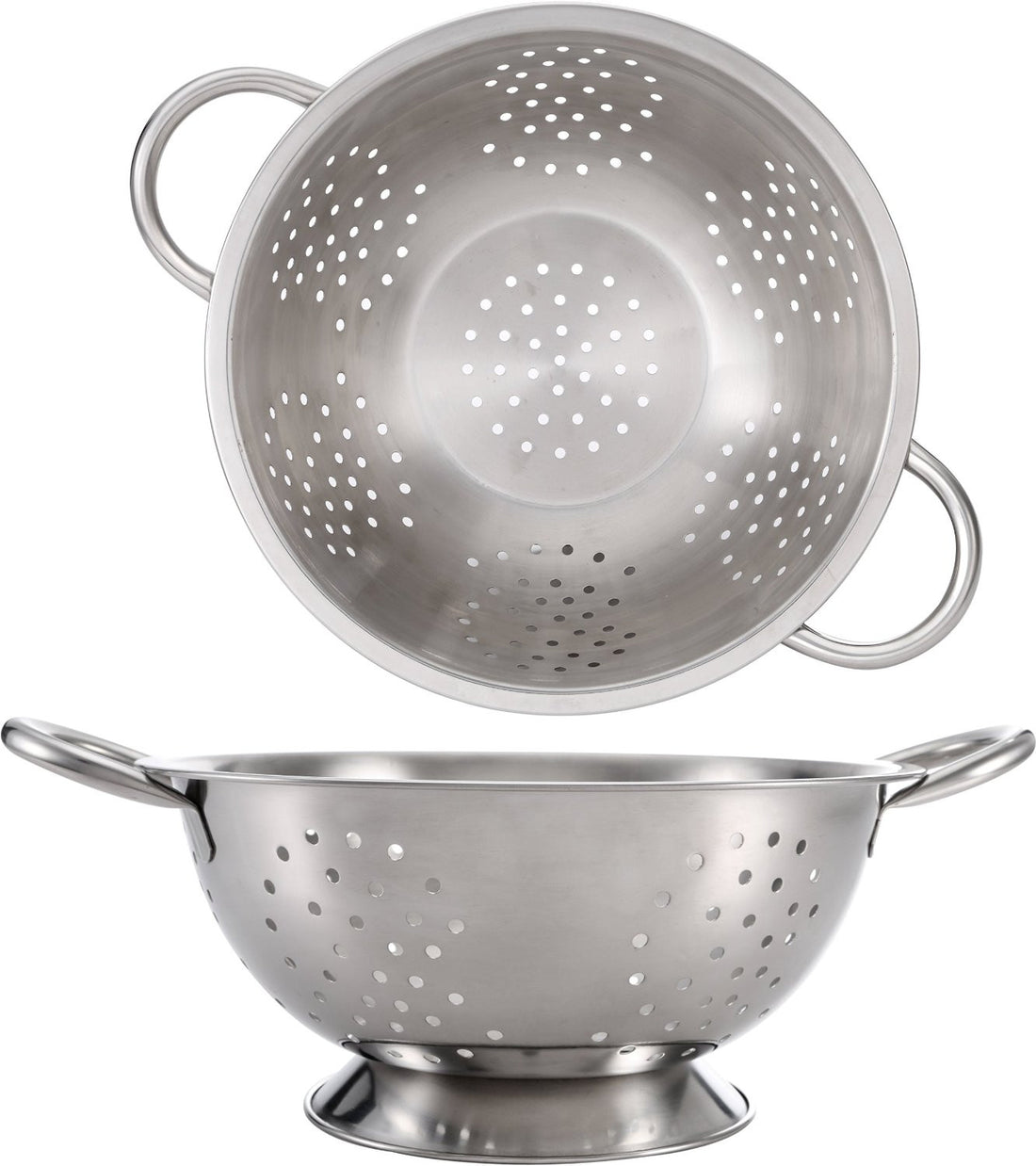
Credit: prochefkitchentools.com
Frequently Asked Questions
What’s The Difference Between A Colander And A Strainer?
A colander is a bowl-shaped kitchen tool with holes for draining liquids from foods like pasta. A strainer is generally finer mesh, used for separating finer particles or liquids, such as in tea or sifting flour. Both are essential for filtering, but differ in design and usage.
What Foods Can You Make With A Colander?
Use a colander to rinse pasta, wash vegetables, drain canned beans, or strain homemade broths and sauces.
What Is The Purpose Of A Colander?
A colander is used for draining liquids from foods like pasta or vegetables. It prevents food from spilling. The holes allow water to escape while retaining the food inside. Ideal for rinsing fruits and vegetables, colanders are essential kitchen tools for separating solids from liquids efficiently.
What Else Can You Use A Colander For?
A colander can rinse fruits and vegetables or sift dry ingredients. Use it to steam food over boiling water. Drain canned beans or pasta with ease. It can also serve as a holder for kitchen utensils or a flower pot.
Conclusion
Colanders are essential kitchen tools. They drain pasta, rinse vegetables, and more. Their design helps with quick water removal. Choosing the right colander matters. Size and material affect performance. Stainless steel lasts longer. Plastic is lightweight and affordable. Fine mesh strains tiny particles.
Large holes are better for bigger items. Investing in a good colander saves time. It improves cooking efficiency. Your kitchen needs one. Experiment with different types. Explore various dishes. Discover new uses. A reliable colander is a smart choice. Simplify your cooking process.
Enjoy the benefits today.

Hi, I’m Daniel Brooks—a food lover and kitchen gear enthusiast. I enjoy testing cookware, utensils, and gadgets to see what really works in everyday cooking. At PlugChef.com, I share honest reviews, comparisons, and simple guides to help you choose the best tools for a safer, smarter, and more enjoyable kitchen.
Related posts:
 What Type of Cooking Utensils are Safe: Expert Picks
 What Innovations Could Blenders Make: Unleashing Future Tech
 Smart Strategies to Organize a Small Kitchen: Maximize Space
 How to Organize a Kitchen Cabinet: Expert Tips & Tricks
 How to Organize Kitchen Drawers: Expert Tips and Tricks
 How to Organize a Corner Kitchen Cupboard: Expert Tips

