

Have you ever looked at a bright, colorful candy and wondered what gives it that vibrant hue? If so, you’re not alone.
As you delve into the world of food colors, one that often stands out is Red No 3. This synthetic dye is commonly used in a variety of foods and beverages, adding an eye-catching pop of color that often influences your choice without you even realizing it.
But what exactly are you consuming when you see that red tint? Knowing which foods contain Red No 3 can help you make more informed choices about what you eat. Are you curious to discover where this colorant might be hiding in your pantry? Stay with us as we uncover the surprising places Red No 3 makes its appearance, and equip yourself with the knowledge to navigate your food choices with confidence.
Red No 3: Basics
Red No 3, also known as Erythrosine, is a synthetic dye. It’s used to give foods a bright red color. This additive is common in many processed foods. Understanding its presence helps make informed choices. Red No 3 is often found in candies and snacks. It enhances visual appeal, making treats more enticing. Some people are concerned about artificial dyes. Knowing where Red No 3 appears can guide healthier eating habits.
Candies Containing Red No 3
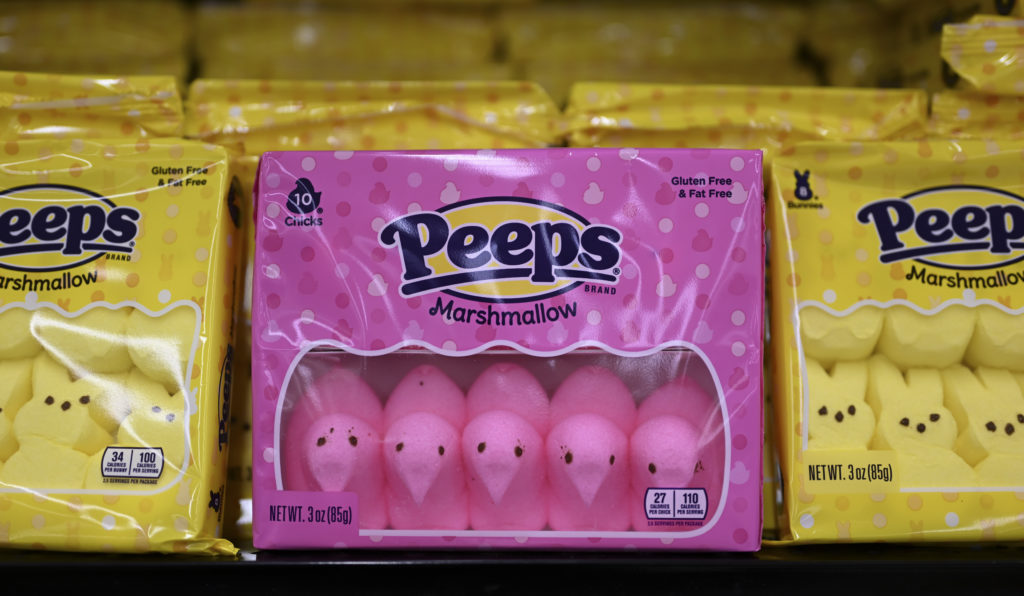
Many candies use Red No 3 for vibrant colors. Gummies, jelly beans, and lollipops often contain this dye. It makes sweets look more attractive. Kids love colorful candies. Parents should check labels if concerned about dyes. Red No 3 is popular in holiday-themed treats. Look out for red-colored sweets during festive seasons. Reading ingredient lists can help identify this additive.
Baked Goods And Red No 3
Some baked goods contain Red No 3. It’s used in frostings and decorations. Bright red cupcakes and cookies may have this dye. It makes baked goods visually appealing. Special occasion cakes often use colored frostings. Red No 3 is chosen for its vibrant hue. Always check the ingredients if avoiding artificial colors. Homemade treats can be a safer option.
Snack Foods Featuring Red No 3
Snack foods sometimes include Red No 3. Chips and crackers with red seasoning may have it. It adds visual appeal to snack items. Many processed snacks use artificial dyes. Reading labels helps identify Red No 3 in snacks. Consumers seeking natural options should be cautious. Opt for products with clear ingredient lists. This ensures awareness of what you’re eating.
Beverages With Red No 3
Some beverages use Red No 3 for color. Fruit punches and flavored drinks often include it. Bright red drinks attract attention on store shelves. They appeal to children and adults alike. Checking drink labels reveals dye usage. Choose beverages with natural ingredients when possible. This reduces intake of synthetic additives. Making drinks at home offers more control.

Credit: www.dailymail.co.uk
Common Uses In Food
Red No 3, also known as Erythrosine, is a synthetic dye used in various foods. This vibrant colorant adds a bright hue to many products, making them visually appealing. It’s commonly found in foods that need a pop of color, particularly sweets and snacks. Understanding its common uses can help you identify where Red No 3 appears in your diet.
1. Candies And Gummies
Red No 3 is often used in candies and gummies. These treats look more attractive with bright colors. Kids love colorful candies, and Red No 3 helps achieve that look. Gummies, too, often use this dye to stand out on store shelves.
2. Baked Goods
Red No 3 is popular in baked goods. Cakes, cookies, and pastries use this dye for decoration. It adds a festive touch to holiday treats. Red icing or sprinkles usually contain this dye, making desserts more enticing.
3. Breakfast Cereals
Many breakfast cereals contain Red No 3. This dye is used in fruit-flavored cereals. Brightly colored cereal pieces appeal to children. Red No 3 helps cereals grab attention quickly.
4. Gelatin Desserts
Gelatin desserts often have Red No 3. This dye gives them a vibrant red shade. It’s used in jellies and puddings for a striking appearance. Red gelatin can turn a simple dessert into a fun dish.
5. Snack Foods
Snack foods sometimes contain Red No 3. Chips and crackers may use this dye for seasoning. Red No 3 makes snacks look bold and flavorful. It enhances the visual appeal of packaged snacks.
Baked Goods
Red No. 3, a synthetic dye, is frequently used to give baked goods a vibrant hue. If you love indulging in sweet treats, it’s worth knowing where this colorant makes its appearance. Understanding its presence in baked goods can help you make informed choices about what you eat. Let’s explore some popular categories within baked goods where Red No. 3 is commonly found.
Cakes And Pastries
Who can resist the allure of a beautifully decorated cake or a mouth-watering pastry? Often, Red No. 3 is used in these sweets to create eye-catching designs. You might have seen it in the pink frosting on a birthday cake or in the cherry glaze on a pastry. Have you ever wondered why certain pastries look so tempting? The vibrant colors can play a part in making you crave that slice.
Next time you’re at the bakery, take a closer look at the colors adorning those cakes. Are you choosing based on taste or the appeal of the vivid colors? It’s interesting how color can influence your decision!
Cookies And Biscuits
Cookies and biscuits are not just about taste; their appearance matters too. Red No. 3 is often used to give a pop of color to sugar cookies or to create festive designs for holiday biscuits. Have you ever noticed those bright red sprinkles on cookies? They might contain this dye.
Think back to the last cookie you enjoyed. Did its color make it more delightful? The visual appeal can enhance your eating experience. Next time you bake or buy cookies, consider if their color adds to your enjoyment.
Understanding the use of Red No. 3 in baked goods can change how you see your favorite treats. Are you more drawn to them because of their taste or their vibrant look? It’s a question worth pondering the next time you’re faced with a colorful array of sweets.
Confectionery Items
Confectionery items are a sweet indulgence that many of us can’t resist. Whether it’s candies, gummies, or jiggly desserts, these treats often contain Red No. 3, a synthetic dye that gives them their vibrant color. While you might not think about what’s inside your favorite sweets, knowing what you’re consuming can be both interesting and important.
Candies And Gummies
Candies and gummies are a playground for Red No. 3. This dye is frequently used to create bright, eye-catching colors that make these treats irresistible. If you’ve ever indulged in a pack of cherry-flavored gummies or licked a lollipop that leaves your tongue a vivid hue, you’ve likely encountered Red No. 3.
But why do manufacturers use this dye? It’s simple—color influences taste perception. A bright red candy might seem more flavorful and appealing, enticing you to reach for just one more piece.
Next time you’re shopping for sweets, check the ingredient list. You might discover Red No. 3 lurking in your favorite treats, making you wonder how much color affects your candy cravings.
Jelly And Gelatin Desserts
Jelly and gelatin desserts are another category where Red No. 3 makes a frequent appearance. These desserts are loved for their wobbly texture and vibrant colors, often enhanced by synthetic dyes. If you’ve ever prepared a cherry-flavored gelatin dessert at home, you know it can be a crowd-pleaser at any gathering.
The use of Red No. 3 in these desserts isn’t just about aesthetics. It adds to the fun, making your dessert table more inviting and exciting. However, it’s essential to balance enjoyment with awareness.
Consider experimenting with natural alternatives if you’re concerned about synthetic dyes. Beet juice or pomegranate concentrate can provide a lovely red hue without additives, allowing you to enjoy your desserts with peace of mind.
As you savor your next sweet treat, think about the ingredients that make it so appealing. Are you comfortable with synthetic dyes, or would you prefer natural alternatives? Your choices can shape not only your health but also your culinary adventures.
Beverages
Beverages often contain additives to enhance their look and taste. One such additive is Red No 3. This artificial dye gives drinks a vibrant red hue. It is common in various beverages. Let’s explore some popular categories.
Fruit-flavored Drinks
Fruit-flavored drinks often feature Red No 3. This dye mimics the natural color of fruits. Kids love these bright drinks. Many juice boxes and fruit punches include this color. It makes drinks more appealing on store shelves.
Sodas And Soft Drinks
Sodas and soft drinks also use Red No 3. It creates a bright, inviting color. Some popular brands rely on this dye. Cherry-flavored sodas are a prime example. Red No 3 enhances the visual experience. It makes the drinks more enjoyable to the eye.
Dairy Products
Dairy products often delight with their creamy textures and unique flavors. Red No 3, a synthetic dye, may color these treats. It enhances the visual appeal. Many dairy items use this coloring to attract consumers. Understanding which products contain this dye can help make informed choices.
Flavored Yogurts
Flavored yogurts often contain Red No 3. This dye gives vibrant hues to strawberry or cherry yogurts. It makes them look more appetizing. Yogurt brands use it to match the expected flavor color. Checking labels can reveal if Red No 3 is present.
Ice Cream Varieties
Ice cream often uses Red No 3 for its enticing look. Especially in fruity or mixed flavors. Strawberry and cherry ice creams are common examples. The dye makes these flavors more visually appealing. Reading ingredient lists helps identify its presence.
Snack Foods
Snack foods are a beloved part of many people’s daily routines. Whether you’re grabbing a quick bite on the go or enjoying a cozy movie night at home, snacks are often the stars of the show. But have you ever paused to consider what’s in your favorite treats? One ingredient you might not expect to find is Red No 3, a common food dye. Let’s dig into which snack foods might contain this vibrant additive.
Chips And Crackers
Chips and crackers are staples in the snack aisle, offering that satisfying crunch we all crave. But did you know some flavors and varieties may contain Red No 3? Those tangy barbeque chips or spicy nacho crackers might use this dye to enhance their appealing color.
I remember the surprise when I found out my favorite spicy tortilla chips had Red No 3. It made me wonder—do we really know what’s in our snacks? Check the labels next time you shop to see if your go-to snack has this ingredient. It could be an eye-opener!
Snack Bars
Snack bars are convenient, often marketed as healthy options for busy lifestyles. However, some fruit-flavored bars use Red No 3 to achieve that enticing, vibrant hue. The dye makes them visually appealing, but is it necessary for taste?
Consider the time I reached for a strawberry-flavored bar during a hectic workday. A quick glance at the ingredients revealed the presence of Red No 3. It got me thinking about the balance between convenience and knowing what’s in my food. How often do you check the labels of your snack bars?
Understanding what’s inside your favorite snacks can lead to more informed choices. Next time you’re snacking, take a moment to consider what gives them their color and flavor. You might be surprised at what you find!
Credit: www.pbs.org
Prepared Meals
Prepared meals are a staple in many households, offering convenience for those with busy schedules. But have you ever wondered what additives might be lurking in these quick meal options? Red No. 3 is one such additive, often used to give foods a bright, appealing color. Let’s explore where you might find Red No. 3 in prepared meals.
Ready-to-eat Meals
Ready-to-eat meals are designed to be quick and hassle-free. These meals often include foods like pasta salads, instant noodles, and canned soups. Some of these items might contain Red No. 3 to enhance their visual appeal, especially in sauces or dressings.
Next time you pick up a ready-to-eat meal, take a second to glance at the ingredient list. You might be surprised to find that even a simple meal can have this coloring. This could be an eye-opener for anyone trying to avoid artificial additives.
Frozen Dinners
Frozen dinners are another popular choice for those needing a quick meal. These meals range from lasagnas to stir-fries and can often be found in the frozen food aisle. Red No. 3 is sometimes used in these meals to make vegetables and meats look more appetizing.
If you’re someone who often reaches for frozen dinners, consider examining the packaging. Do the vibrant colors in your meal come from natural sources, or is Red No. 3 at play? Knowing this could influence your future purchasing decisions.
Have you ever thought about the ingredients in your prepared meals? Next time you grab one, take a moment to consider what you’re really eating. Your choice could make a significant difference in your diet and health. What will you decide?
Health And Safety Concerns
Red No. 3 is a color additive found in various foods. It is commonly used in candies, baked goods, and some fruit-flavored snacks to enhance their appearance. Understanding which foods contain this additive is essential for those concerned about health and safety.
Understanding the ingredients in our food is more crucial than ever. One such ingredient that often raises eyebrows is Red No 3. This artificial food coloring is found in various processed foods, but it’s not without its controversies. The conversation around Red No 3 often centers on health and safety concerns.Potential Health Risks
Red No 3 has been a topic of debate for its potential health risks. Studies have pointed to possible links between excessive consumption and certain health issues. It’s a good idea to be aware of how much of this coloring you are consuming. Some health experts suggest limiting intake of artificial colors, including Red No 3, especially for children. It’s a personal choice, but knowing the facts can help you make informed decisions.Regulatory Stances
Different countries have varying regulations regarding Red No 3. The FDA approves its use in the U.S., but with certain limitations. Other countries have stricter regulations, reflecting ongoing concerns. This difference in regulations can be a cause for confusion. Checking food labels can help you stay informed about what you’re eating. If the thought of Red No 3 in your food gives you pause, there are alternatives. Natural food colorings like beet juice or paprika can offer similar effects without synthetic additives. Switching to foods with natural colors can be a healthier choice. It can also introduce you to new flavors and ingredients, enriching your diet.Reading Food Labels
Becoming a label detective is one of the most effective ways to manage Red No 3 consumption. Many products list ingredients in order of quantity, so you can gauge how much is in your food. Does your favorite snack contain Red No 3? Knowing this can help you decide if it’s something you want to continue eating.Your Personal Choice
Deciding whether to avoid Red No 3 is ultimately up to you. Understanding the potential risks and alternatives can empower you to make choices that align with your health goals. Do you feel comfortable with Red No 3 in your diet, or would you rather play it safe? Whatever you choose, being informed is a significant first step.Alternatives To Red No 3
Red No 3, a synthetic dye used in various food products, has been a topic of discussion due to potential health concerns. As consumers become more health-conscious, the demand for natural alternatives has surged. You might find yourself questioning: what can replace Red No 3 in your favorite treats? Let’s dive into some practical options that could transform your culinary experience.
Natural Food Coloring Options
Natural food coloring is a great alternative to Red No 3. You can use ingredients like beet juice or pomegranate powder for a vibrant red hue. These options not only add color but also bring a hint of flavor, creating a unique twist to your dishes.
Fruits And Vegetables As Color Enhancers
Have you ever thought about using fruits and vegetables for color? Strawberries, raspberries, and red cabbage can be pureed or juiced to achieve rich reds. This approach is not only healthier but also adds nutritional value to your meals.
Spices And Herbs For Natural Red Tones
Spices like paprika and sumac offer natural red tones that can replace synthetic dyes. Next time you’re baking, try adding a pinch of these spices. You’ll be surprised at how they enhance both color and flavor.
Diy Food Coloring Techniques
Creating your own food coloring can be a fun kitchen experiment. Consider boiling red fruits or vegetables and straining the liquid. It’s a simple process that yields a beautiful, natural dye. Plus, you’ll have the satisfaction of crafting it yourself.
So, what will you choose for your next culinary masterpiece? Embracing these alternatives not only improves your health but also makes cooking an exciting adventure. Dive into the world of natural coloring and discover the vibrant possibilities awaiting your kitchen. How will you make your meals more colorful today?
Credit: www.greenmatters.com
Frequently Asked Questions
What Common Foods Is Red Dye 3 In?
Red Dye 3 is commonly found in candy, baked goods, maraschino cherries, and some gelatin desserts. It adds vibrant color to these foods. Always check labels for ingredients.
Is Red 3 As Bad As Red 40?
Red 3 and Red 40 are synthetic dyes used in foods. Red 3 has raised concerns due to potential cancer risks in lab animals. Red 40 is considered safer but may cause allergies in some people. Always check labels and consult health professionals for personal dietary advice.
Do Doritos Have Red Dye 3?
Doritos do not contain Red Dye 3. They typically use other color additives like Red 40 for vibrant colors. Always check the packaging for the most accurate information on ingredients and dyes used in Doritos.
Is Red Dye No 3 Banned By The Fda?
The FDA banned Red Dye No. 3 in cosmetics and external drugs. It remains approved for food and ingested drugs.
Conclusion
Red No. 3 appears in many everyday foods. Candies, baked goods, and snacks often contain it. Always check labels before buying. This helps avoid unwanted additives. Knowledge about food ingredients is crucial. It empowers healthier choices. Many people overlook these details.
But understanding them supports better eating habits. Stay informed, stay healthy. Eating wisely makes a difference. Your diet affects overall well-being. So, keep this information handy. Share it with friends and family. Help others make informed decisions too. Together, we can promote better health.
Eating clean is possible. Just a little effort goes a long way.

I’m Abby Lu, a passionate home cook who loves simplifying everyday meals. At PlugChef.com, I share product reviews and cooking guides to help you find the best tools for your kitchen.
Related posts:
 What Type of Cooking Utensils are Safe: Expert Picks
 What Innovations Could Blenders Make: Unleashing Future Tech
 Smart Strategies to Organize a Small Kitchen: Maximize Space
 How to Organize a Kitchen Cabinet: Expert Tips & Tricks
 How to Organize Kitchen Drawers: Expert Tips and Tricks
 How to Organize a Corner Kitchen Cupboard: Expert Tips

