
Ever found yourself staring at that oddly shaped kitchen tool and wondering, “What does a colander do?” You’re not alone.
Whether you’re a seasoned chef or someone who occasionally ventures into the kitchen, understanding the full potential of a colander can transform your cooking experience. Imagine effortlessly draining pasta, rinsing fresh veggies, or even discovering unexpected uses that can simplify your meal prep.
This simple tool holds the key to less mess and more efficiency in your culinary adventures. Intrigued? Stick around to uncover how this everyday item can become your kitchen’s secret weapon.
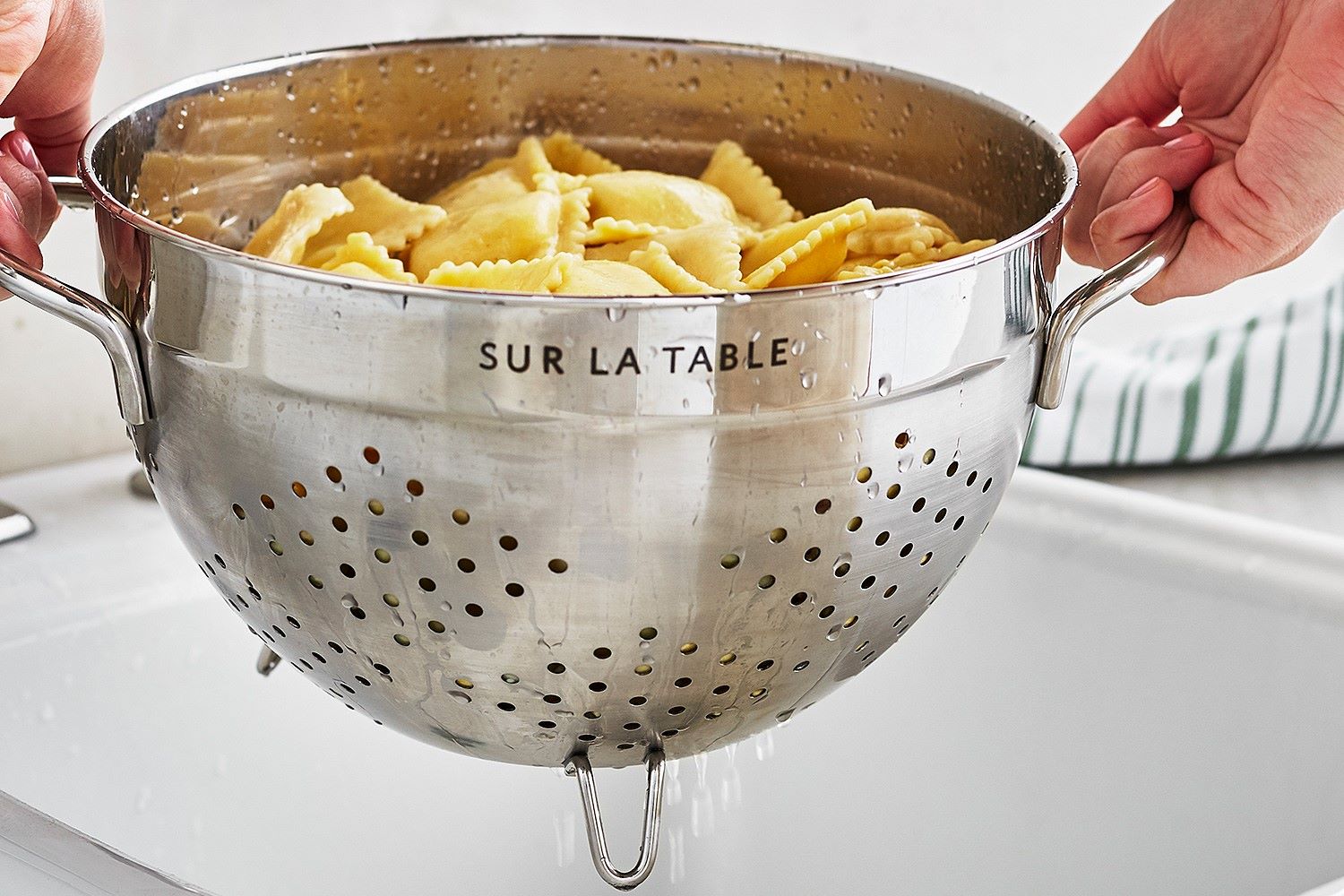
Credit: learn.surlatable.com
Colander Basics
A colander is an essential tool in every kitchen. Its primary role is to strain or rinse foods. This simple device makes kitchen tasks easier. Understanding its basics can enhance your cooking experience.
Purpose And Function
The main purpose of a colander is to drain liquid. This could be from pasta, rice, or vegetables. It helps separate water from food efficiently. Its perforated design allows quick drainage. The colander is a staple for quick food prep.
Types And Materials
Colanders come in various types and materials. Common materials include stainless steel, plastic, and silicone. Stainless steel offers durability and heat resistance. Plastic is lightweight and often more affordable. Silicone provides flexibility and is easy to store.
Each material has its benefits. Choose based on your cooking needs. The size and shape also vary. Some colanders are deep, while others are shallow. The right type ensures proper food preparation.
Key Uses In Cooking
Cooking is an art, and like any artist, you need the right tools. One such tool, often overlooked but incredibly versatile, is the colander. It’s a staple in kitchens worldwide. Whether you’re a seasoned chef or a beginner, understanding its key uses can elevate your cooking game. Let’s dive into how this humble tool can make your culinary experience smoother and more enjoyable.
Draining Pasta
Imagine the anticipation of perfect pasta for dinner. You’ve boiled it to al dente perfection, and now you need to drain it. This is where your colander shines. Place it in the sink, pour the hot pasta into it, and watch the water drain away. The holes in the colander ensure the pasta stays put while the water escapes.
Have you ever tried to drain pasta without one? It’s a messy affair. The colander simplifies the task and makes it efficient. Next time you cook spaghetti, think about how much easier your colander makes it.
Washing Vegetables And Fruits
Fresh produce is a delight to cook with, but it often comes with dirt and residue. Your colander is your friend here. Place your fruits and veggies inside, and give them a good rinse under running water. The colander allows water to flow through, removing dirt without damaging delicate produce.
Have you tried washing berries without squishing them? The colander helps you achieve this effortlessly. Is your colander ready for action when you next prepare a fresh salad?
Straining Broths And Sauces
Creating a rich broth or sauce often involves simmering ingredients together. When it’s time to strain out solids, reach for your colander. It separates the liquid from the chunky bits, leaving you with a smooth, flavorful base. Place it over a pot, pour the mixture through, and let gravity do the work.
Have you ever wondered how chefs get those silky sauces? It’s this simple step that makes the difference. Are you ready to add depth to your cooking with a perfectly strained sauce?
In the kitchen, every tool has its moment to shine. The colander, though simple, is indispensable for tasks you might not even think about. Next time you’re cooking, remember these key uses, and see how this humble tool can transform your culinary experience.
Choosing The Right Colander
Choosing the right colander is essential for achieving efficiency in your kitchen tasks. Whether you’re rinsing vegetables or draining pasta, the right colander can make all the difference. But how do you pick the perfect one for your needs? Let’s delve into the specifics and make sure you get the best fit for your kitchen.
Size Considerations
One of the first things to consider is size. Do you usually cook for yourself or a large family? A small colander might be perfect for a single serving of salad, but it won’t cut it when you’re preparing a feast. Think about your usual meal prep and how much food you’ll need to drain at once.
Having the right size colander can save you time and hassle. Imagine trying to drain a pot full of spaghetti in a tiny colander—it’s going to be a mess. So, always opt for a size that matches your cooking style.
Material Preferences
Material is another crucial factor. Stainless steel colanders are durable and resist rust, making them a long-lasting option. On the other hand, plastic colanders are lightweight and often come in vibrant colors, adding a fun pop to your kitchen.
Consider how you plan to use your colander. If you often drain hot pasta, a metal colander can withstand high temperatures better than plastic. But if easy handling and storage are your top priorities, a flexible silicone colander might be your best bet.
Ultimately, your choice boils down to your cooking habits and kitchen needs. Have you ever struggled with a colander too small for your salad leaves, or melted a plastic one with boiling water? These experiences highlight the importance of choosing wisely.
What does your kitchen demand from a colander? Is it size, material, or something else entirely? Reflect on your cooking routine, and let that guide your decision-making process. The right colander can streamline your kitchen tasks and make cooking more enjoyable.

Credit: en.wikipedia.org
Maintenance Tips
A colander is essential for draining liquids from foods like pasta and vegetables. Regular cleaning prevents food residue buildup. Store it in a dry place to avoid rust.
Maintaining your colander is crucial to ensure it stays in pristine condition and remains an effective kitchen tool. Whether you’re an occasional cook or a culinary enthusiast, understanding how to properly care for your colander can save you time and money in the long run. Let’s dive into some practical maintenance tips that will keep your colander in top shape for years.Cleaning Techniques
After rinsing your pasta or washing your vegetables, you might notice food particles sticking to your colander. A simple rinse often isn’t enough. For effective cleaning, fill your sink with warm, soapy water and let the colander soak for a few minutes. This loosens any stubborn residue. Use a soft brush or sponge to gently scrub the mesh or holes. Avoid using abrasive pads that can scratch the surface. If your colander is dishwasher-safe, placing it on the top rack can also be an efficient cleaning method. Consider this: Have you ever tried using a toothpick to clear out any blocked holes? It works wonders without damaging the colander.Storage Solutions
Storing your colander properly is just as important as cleaning it. You might find it tempting to stack other kitchen items inside it, but this can lead to dents or warping. To preserve its shape, store it in a dry and accessible place. If you’re short on space, hanging your colander might be a great solution. Many kitchens have hooks or racks that can accommodate hanging storage. This not only saves space but also helps in drying the colander thoroughly. Think about this: How often do you rearrange your kitchen to maximize efficiency? Sometimes, a simple change like storing your colander in a different spot can make your cooking routine smoother. By following these cleaning and storage tips, you’ll ensure your colander remains a reliable kitchen ally. What maintenance strategies have you found helpful in your own kitchen adventures?Innovative Uses
A colander strains water from food like pasta or vegetables. It also rinses fruits and vegetables easily. Creative cooks even use it for steaming by placing it over boiling water.
The humble colander, often seen as a simple kitchen tool, has numerous innovative uses beyond straining pasta or rinsing vegetables. Its unique shape and perforated design open up creative possibilities that might surprise you. Whether you’re a DIY enthusiast or a culinary experimenter, the colander has something to offer.Diy Projects
Have you ever thought of turning a colander into something more than just a kitchen accessory? With a bit of creativity, it can become a charming lamp shade, adding a rustic touch to your home décor. Simply hang it upside down, insert a light bulb, and watch your room fill with playful patterns of light. Another idea? Use it as a planter! Its holes provide excellent drainage, making it perfect for your indoor plants. Imagine the delight of having a quirky green addition to your living space, all thanks to a colander.Creative Kitchen Hacks
In the kitchen, the colander can be your secret weapon for some unexpected hacks. For instance, try using it as a steamer. Place it over a pot of boiling water, add your vegetables, and cover with a lid. You’ll have perfectly steamed veggies without needing a separate steamer. But that’s not all. How about using it to sift flour or powdered sugar? Its mesh design is ideal for breaking up clumps and ensuring even distribution, making your baking process a breeze. The next time you’re in the kitchen, why not challenge yourself to find a new use for your colander? You might discover something truly inventive that changes the way you see this everyday tool.:max_bytes(150000):strip_icc()/Colander-Blow-Cuisine-56a11c255f9b58b7d0bbcd2b.jpg)
Credit: farmtoyou.net
Frequently Asked Questions
What Would You Use A Colander For?
Use a colander to drain water from boiled pasta or rinsed vegetables. It’s perfect for washing fruits too. A colander prevents food from falling while straining. Choose a sturdy colander with small holes for better drainage. Essential for kitchen tasks requiring separation of liquids from solids.
What Do Colanders Do?
Colanders drain liquids from foods like pasta and vegetables. They have holes for effective straining. These kitchen tools are essential for rinsing and washing produce. Colanders come in various sizes and materials, including stainless steel and plastic. They make food preparation quicker and more efficient.
What’s The Difference Between A Strainer And A Colander?
A strainer filters liquids from small food items using fine mesh. A colander drains larger foods using perforated holes. Both tools serve different kitchen purposes, with strainers ideal for sifting and colanders perfect for rinsing vegetables or pasta. Choose based on food size and specific kitchen needs.
What Does The Saying “fart” In A Colander Mean?
The saying “fart in a colander” means doing something pointless or ineffective. The holes in a colander symbolize useless efforts. It’s like trying to contain air in a sieve. This phrase highlights activities that yield no significant results.
Conclusion
A colander is a kitchen staple. It strains, rinses, and serves. Use it for draining pasta, washing vegetables, or sifting flour. Its design makes tasks simple and quick. Choose one with sturdy handles for easy grip. Stainless steel or plastic?
Both work well. Cleaning is a breeze; just rinse or pop in the dishwasher. Its versatility makes cooking more efficient. A must-have tool for any kitchen. Ready to try new recipes? Grab a colander and enjoy cooking!

Hi, I’m Daniel Brooks—a food lover and kitchen gear enthusiast. I enjoy testing cookware, utensils, and gadgets to see what really works in everyday cooking. At PlugChef.com, I share honest reviews, comparisons, and simple guides to help you choose the best tools for a safer, smarter, and more enjoyable kitchen.
Related posts:
 What Type of Cooking Utensils are Safe: Expert Picks
 What Innovations Could Blenders Make: Unleashing Future Tech
 Smart Strategies to Organize a Small Kitchen: Maximize Space
 How to Organize a Kitchen Cabinet: Expert Tips & Tricks
 How to Organize Kitchen Drawers: Expert Tips and Tricks
 How to Organize a Corner Kitchen Cupboard: Expert Tips