
Are you tired of your stainless steel pots and pans getting scratched or damaged? Choosing the right cooking utensils can make all the difference.
Whether you’re a culinary enthusiast or just someone who loves to cook at home, the utensils you use can impact the longevity and performance of your stainless steel cookware. Imagine effortlessly cooking your favorite meals without worrying about scratches or residue sticking to your pots.
You’ll discover the best utensils to use, ensuring your cookware remains pristine while enhancing your cooking experience. Get ready to transform your kitchen routine and protect your investment with simple yet effective choices.
Benefits Of Stainless Steel Cookware
Stainless steel cookware is a top choice in many kitchens. It’s known for its durability and versatility. This type of cookware offers a variety of benefits. These advantages make it a favorite for both amateur cooks and professionals.
Durability
Stainless steel cookware is incredibly tough. It resists dents, scratches, and rust. This makes it a long-lasting kitchen investment. You can use it daily without worrying about damage.
Non-reactive Nature
Stainless steel doesn’t react with acidic or alkaline foods. This keeps your meals tasting just right. It also ensures the food retains its natural flavors. Enjoy your recipes without unwanted metallic tastes.
Even Heat Distribution
Quality stainless steel cookware often has an aluminum or copper core. This core helps distribute heat evenly. Your food cooks uniformly, preventing hot spots. This feature is vital for perfect cooking results.
Easy Maintenance
Stainless steel is easy to clean. Most pieces are dishwasher-safe, reducing clean-up time. Its non-porous surface resists staining and odors. Your cookware stays looking new for years.
Eco-friendly And Safe
Stainless steel is 100% recyclable. It’s a great choice for eco-conscious cooks. It doesn’t leach harmful chemicals, ensuring safe food preparation. Enjoy peace of mind with every meal.
Compatibility With All Cooktops
This cookware works on all types of stoves. Gas, electric, and induction cooktops are all compatible. You don’t need different cookware for different stoves. Stainless steel offers convenience and flexibility.

Credit: madeincookware.com
Choosing The Right Utensils
Choosing the right utensils for stainless steel cookware ensures long-lasting performance. Stainless steel is prized for its durability and heat distribution. Using proper utensils can prevent scratches and maintain its shine. Let’s explore key factors to consider.
Material Considerations
Utensils made from silicone are gentle on stainless steel surfaces. They offer flexibility and do not scratch. Wooden utensils are also a safe choice. They are durable and naturally non-abrasive. Avoid metal utensils that can leave marks and damage the surface.
Heat Resistance
High heat-resistant utensils are crucial for cooking on stainless steel. Silicone utensils withstand high temperatures without melting. Wooden utensils resist heat but may dry out over time. Ensure your choice can handle the heat without warping or melting.
Durability Factors
Durable utensils maintain their shape and function over time. Silicone is long-lasting and does not wear out quickly. Wood offers durability but requires care to prevent cracking. Avoid flimsy plastic utensils that may break under pressure.
Best Utensil Materials
Choosing the right cooking utensils for your stainless steel cookware can make all the difference in your culinary experience. Using the wrong materials might lead to scratches or lessen the lifespan of your pots and pans. Let’s explore the best materials for your utensils to keep your stainless steel looking pristine and performing at its best.
Silicone Options
Silicone utensils are a popular choice due to their flexibility and heat resistance. They are gentle on stainless steel surfaces, preventing scratches and dents. Imagine flipping pancakes effortlessly with a silicone spatula that glides smoothly over the pan without sticking or scratching. Plus, they come in a variety of colors, adding a splash of fun to your kitchen.
Wooden Alternatives
Wooden utensils offer a classic touch and are gentle on stainless steel surfaces. They are durable and can handle high temperatures without warping. Picture yourself stirring a savory sauce with a sturdy wooden spoon, ensuring your stainless steel pot remains scratch-free. These utensils have a natural feel and are often more comfortable to grip.
Nylon Choices
Nylon utensils are known for their affordability and versatility. They are heat-resistant and safe for stainless steel. Consider using a nylon ladle to serve hot soup without worrying about damaging your cookware. Though they may not be as heat-resistant as silicone, they are a practical choice for everyday cooking tasks.
Metal Utensils
Metal utensils can be a double-edged sword when used with stainless steel. While they are durable and long-lasting, they can scratch your cookware if used carelessly. You might find metal tongs useful for grilling or serving, but be cautious to avoid pressing too hard on the stainless steel surface. Do you often find yourself grabbing metal utensils out of habit? It’s a good idea to switch to softer options to preserve your cookware.
What utensil material do you prefer for your stainless steel cookware? Do you have a favorite silicone spatula or trusty wooden spoon? Share your thoughts in the comments below!
Avoiding Utensil Mistakes
Select utensils wisely for stainless steel cookware to prevent scratches. Opt for wooden, silicone, or heat-resistant plastic tools. Metal utensils can damage the surface, reducing your cookware’s lifespan.
Cooking with stainless steel is a joy for many home chefs, but using the wrong utensils can lead to some frustrating mistakes. You’ve probably heard that stainless steel is durable and resistant, but it’s not invincible. Missteps with utensils can lead to scratches, heat damage, or even unwanted chemical reactions. Let’s dive into how you can avoid these pitfalls and keep your stainless steel cookware in top shape.Scratching Concerns
Scratches on stainless steel don’t just affect its appearance; they can also impact performance. Avoid using metal utensils like forks or knives that can create deep scratches. Opt for wooden, silicone, or plastic utensils instead. I once made the mistake of using a metal whisk in my favorite stainless steel pan. Those scratches were a constant reminder of my carelessness. Don’t be like me—choose softer materials for mixing and stirring.Heat Damage
Overheating is another common mistake that can warp your stainless steel pots and pans. High heat can cause discoloration or even permanent damage. Always use moderate heat settings to maintain the integrity of your cookware. Using a heat-resistant spatula can also prevent transferring excessive heat to the pan. Think about this the next time you rush to cook on high heat—your patience can save your kitchenware.Chemical Reactions
Believe it or not, certain utensils can cause chemical reactions with stainless steel. Acidic ingredients like tomato sauce can react with metal utensils, altering the taste and quality of your dish. Use non-reactive utensils to avoid these culinary mishaps. Consider this: a simple change in your choice of spoon can elevate your cooking. Embrace non-reactive materials and enjoy the pure taste of your food. How do you choose your cooking utensils? Your selection can be the difference between a flawless cooking experience and an unfortunate kitchen disaster. Keep these tips in mind next time you’re preparing a meal to ensure your stainless steel cookware serves you well for years to come.Care And Maintenance Tips
Stainless steel cookware shines in any kitchen. To keep it gleaming, proper care is essential. Follow these tips to maintain your utensils and extend their life. Pay attention to cleaning, storage, and handling techniques.
Proper Cleaning Methods
Wash stainless steel with warm, soapy water. Rinse thoroughly after cleaning. Avoid abrasive scrubbers that can scratch surfaces. Dry immediately to prevent water spots. Use a mixture of vinegar and water for stubborn stains. Baking soda can tackle tough spots. Gentle cleaning ensures your cookware stays pristine.
Storage Solutions
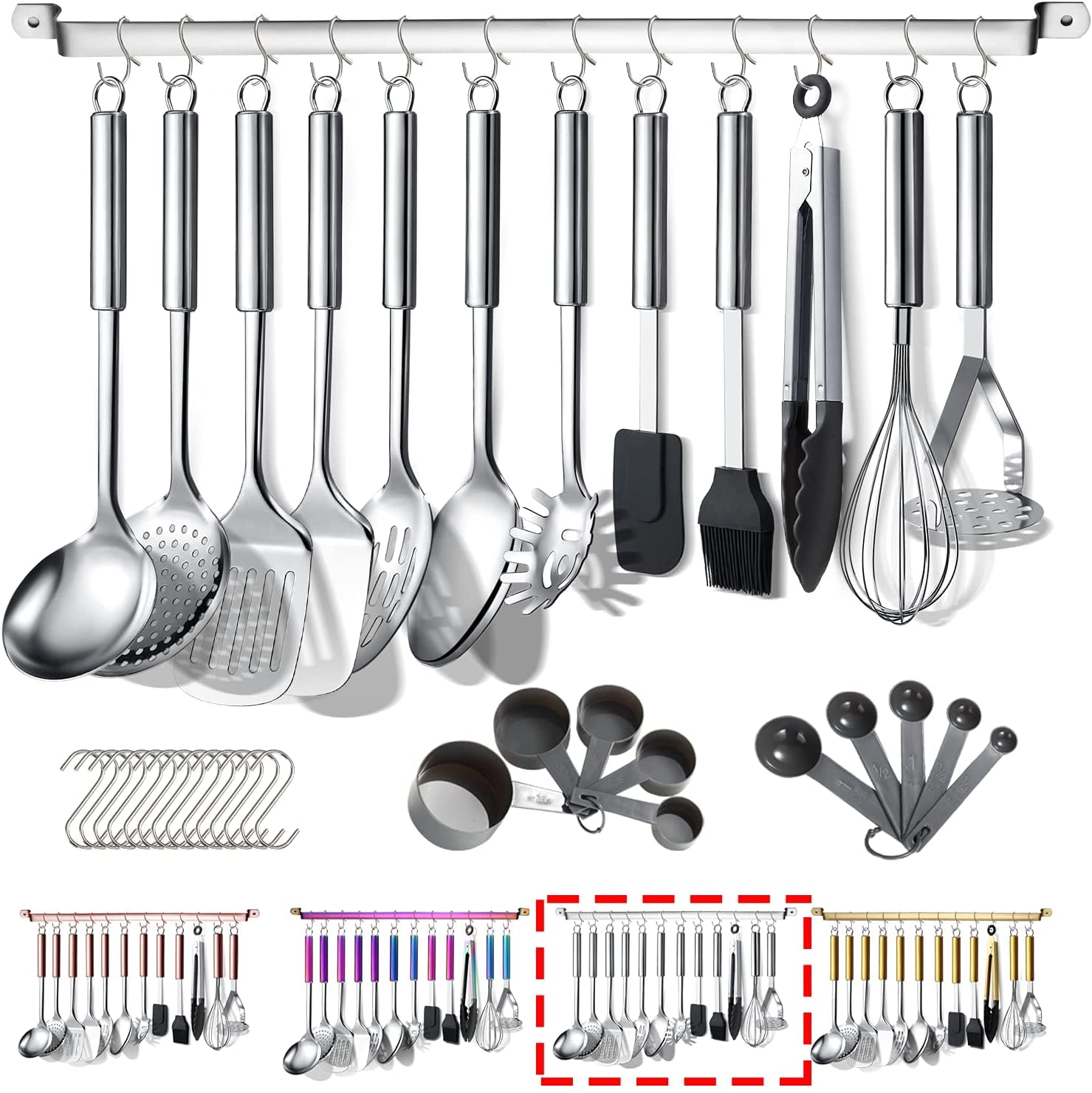
Store stainless steel utensils in a dry place. Avoid stacking them directly to prevent scratches. Use soft cloth or paper liners between items. Hang utensils when possible to save space. Proper storage keeps utensils safe and reduces wear.
Handling Techniques
Handle stainless steel with care. Avoid dropping or banging utensils. Use wooden or silicone tools to avoid scratching. Regularly inspect for damage or wear. Proper handling preserves the integrity of your cookware.
Credit: www.walmart.com
Expert Recommendations
Choosing the right utensils for stainless steel cookware enhances cooking results. Opt for wooden or silicone tools to prevent scratches and maintain surface integrity. Stainless steel utensils are also suitable, offering durability and efficient cooking experiences.
Stainless steel cookware is a popular choice in many kitchens due to its durability and sleek appearance. But, what about the utensils you use with it? Using the right cooking utensils can make a big difference in maintaining the longevity and appearance of your stainless steel cookware. In this section, we’ll dive into expert recommendations to help you make informed choices for your kitchen.Chef Insights
Professional chefs often emphasize the importance of selecting the right utensils for stainless steel cookware. They suggest using silicone or wooden utensils to avoid scratching the surface. I once watched a chef demonstrate the difference between using a metal spatula versus a silicone one on a stainless steel pan. The metal left visible scratches, while the silicone preserved the pan’s pristine look. Have you noticed any scratches on your pans? Switching to silicone or wood might just be the solution you need.Brand Preferences
Certain brands are renowned for producing utensils that pair well with stainless steel cookware. OXO and KitchenAid are two popular choices among home cooks and professionals alike. These brands offer a range of silicone-tipped and wooden utensils specifically designed to minimize damage to stainless steel surfaces. Their products are not only effective but also stylish, adding a touch of elegance to your kitchen. Do you have a favorite brand that you trust for your kitchen tools?Usage Tips
Using the right utensils is just the start; how you use them is equally important. Avoid using excessive force when stirring or flipping food, as this can increase wear on your pans. Instead, use gentle, controlled movements. Another tip is to keep your utensils clean and free of residue that might cause abrasions over time. Regularly inspect your cookware and utensils for any signs of wear and adjust your cooking techniques accordingly. What small changes can you make to prolong the life of your cookware? By following these expert recommendations, you can maintain the quality of your stainless steel cookware and enjoy cooking with confidence.
Credit: www.amazon.com
Frequently Asked Questions
What Cooking Utensils Are Safe For Stainless Steel?
Silicone, wood, and plastic utensils are safe for stainless steel cookware. These materials prevent scratches and maintain the cookware’s surface. Opt for high-quality options to ensure durability and safety during cooking. Avoid metal utensils to protect your stainless steel from damage.
What Type Of Utensils Should I Use On Stainless Steel Pans?
Use wooden, silicone, or plastic utensils on stainless steel pans to prevent scratches and maintain their finish. These materials are gentle on the surface and won’t damage the pan. Avoid metal utensils as they can cause permanent marks or scratches on the stainless steel.
What Not To Use On Stainless Steel Cookware?
Avoid using abrasive cleaners or steel wool on stainless steel cookware. These can scratch and damage the surface. Use gentle cleaning products and soft cloths for maintaining the cookware’s shine and durability. Avoid chlorine-based cleaners as they can cause discoloration.
Regular maintenance ensures long-lasting performance and appearance.
What Is Best To Cook On Stainless Steel?
Stainless steel pans are perfect for searing meats, sautéing vegetables, and making sauces. They distribute heat evenly, ensuring thorough cooking. Use them for tasks requiring high heat and precision. Avoid acidic foods for prolonged periods to maintain their quality. Stainless steel is versatile and durable for most cooking needs.
Conclusion
Choosing the right cooking utensils for stainless steel is crucial. Non-abrasive tools prevent scratches and preserve the pan’s look. Silicone, wood, or nylon are great options. They keep your stainless steel cookware beautiful and efficient. Remember, proper care extends your cookware’s life.
Avoid metal tools to protect the surface. Clean gently and store properly. Your kitchen deserves the best care. Enjoy cooking with the right utensils and maintain your stainless steel’s shine. Happy cooking and keep your cookware safe!

Hi, I’m Daniel Brooks—a food lover and kitchen gear enthusiast. I enjoy testing cookware, utensils, and gadgets to see what really works in everyday cooking. At PlugChef.com, I share honest reviews, comparisons, and simple guides to help you choose the best tools for a safer, smarter, and more enjoyable kitchen.
Related posts:
 What Type of Cooking Utensils are Safe: Expert Picks
 What Innovations Could Blenders Make: Unleashing Future Tech
 Smart Strategies to Organize a Small Kitchen: Maximize Space
 How to Organize a Kitchen Cabinet: Expert Tips & Tricks
 How to Organize Kitchen Drawers: Expert Tips and Tricks
 How to Organize a Corner Kitchen Cupboard: Expert Tips