
Have you ever wondered why some baking recipes turn out perfectly while others fall flat? The secret often lies in precision.
Baking is not just about combining ingredients; it’s a science that requires accuracy. That’s where measuring tools come in. These tools are your best friends in the kitchen, helping you achieve that perfect balance of flavors and textures in every bite.
By understanding and using the right measuring tools, you can elevate your baking skills and ensure consistent results every time. Curious to know more? Let’s dive deeper into the world of measuring tools in baking and discover how they can transform your culinary creations.
Importance Of Measuring Tools
In the world of baking, precision is key. The right balance of ingredients can make the difference between a delicious dessert and a kitchen disaster. This is where measuring tools come into play. They ensure that you add just the right amount of each ingredient, maintaining consistency and quality in every bake. Without these tools, even the most skilled bakers can face unpredictable results. So, why are measuring tools so crucial in baking?
Why Precision Matters
Imagine baking a cake without any measuring cups or spoons. Eyeballing ingredients might work for a seasoned baker at times, but it risks altering the cake’s texture and taste. A little too much flour can make your cake dense, while too much sugar may cause it to collapse. Measuring tools eliminate these guesswork errors, allowing you to replicate successful recipes time and again.
Consistency In Every Bite
Consistency is not just about taste; it’s about presentation too. When you bake, you want each cookie to look the same, each muffin to rise evenly. Measuring tools help achieve this uniformity. Whether you’re baking for a party or a bake sale, the last thing you want is for your treats to look uneven or inconsistent.
Saving Time And Ingredients
How often have you had to start over because something was off? Measuring tools save you time by reducing the chance of errors. They also prevent wastage of ingredients. A cup too much or too little can mean tossing out a whole batch. With accurate tools, you make sure every ingredient is used optimally.
Building Confidence In Baking
As a beginner, you might find baking daunting. Precise measurements can boost your confidence. Knowing that you’ve added the exact amount required empowers you to try new recipes. This confidence can turn baking from a stressful task into a joyful hobby.
The Importance Of Calibration
Even measuring tools need checks. Over time, scales might lose their accuracy or cups might wear. Regular calibration ensures they continue to provide precise measurements. Consider marking your tools if they’re prone to fading or wear. This small step keeps your baking results reliable.
Next time you bake, think about the role each tool plays. Are you maximizing their potential? Do you have a favorite measuring tool that never lets you down? Share your experiences and discover the difference precision can make in your baking adventures.
Credit: www.ifyougiveablondeakitchen.com
Types Of Measuring Cups
Measuring tools in baking include different types of measuring cups. These cups can be made of plastic, glass, or metal. Each type serves a specific purpose, helping bakers achieve accurate ingredient measurements.
When diving into the delightful world of baking, understanding the types of measuring cups is crucial. These tools can make or break your recipe. They ensure accuracy and consistency, transforming your baking from a hit-or-miss affair into a culinary success.Dry Measuring Cups
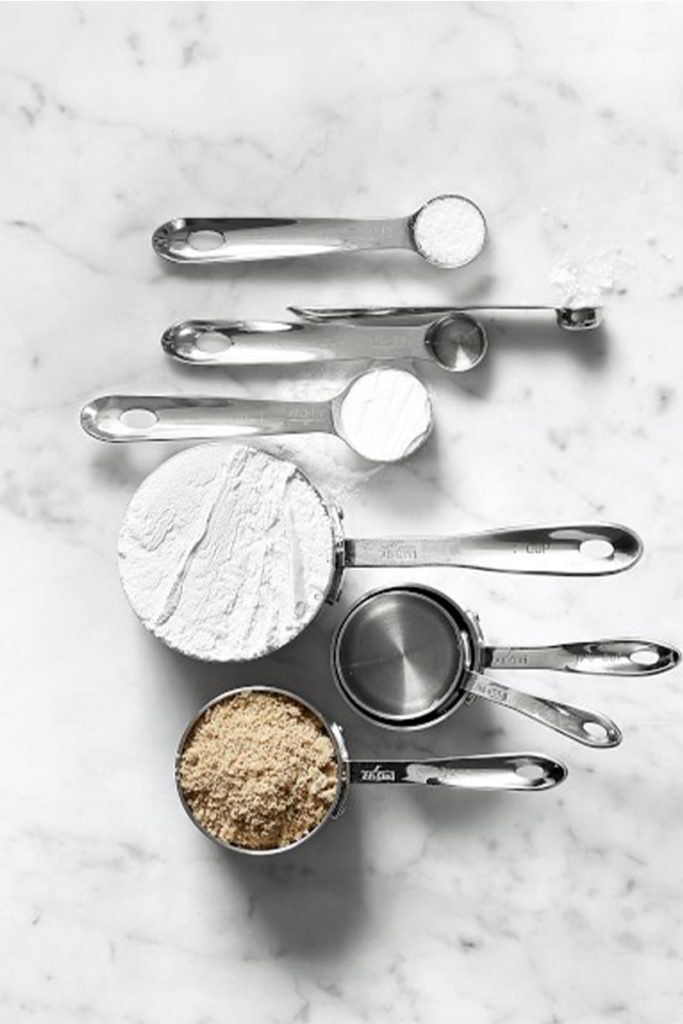
Dry measuring cups are essential for ingredients like flour, sugar, and cocoa powder. They typically come in a set, including sizes like 1 cup, 1/2 cup, 1/3 cup, and 1/4 cup. These cups allow you to scoop and level off ingredients, ensuring precise measurements. Have you ever tried measuring flour with a liquid measuring cup and ended up with a dense cake? It’s because dry ingredients need to be leveled off. A dry measuring cup helps you achieve that perfect balance by letting you scrape off the excess with a knife.Liquid Measuring Cups
Liquid measuring cups are designed for ingredients like water, milk, and oil. They usually have a spout for easy pouring and measurement lines to help you see the volume from the side. When using a liquid measuring cup, place it on a flat surface and check the measurement at eye level. This small step can prevent you from accidentally adding too much or too little. Have you ever had a recipe turn out too dry or too wet? It might be due to inaccurate liquid measurements. Using the right measuring cup for liquids can save you from these common baking mishaps. Understanding the difference between these cups can drastically change your baking outcomes. Next time you’re in the kitchen, think about which type of measuring cup you’re using. It could be the key to your next baking triumph.Precision With Measuring Spoons
Precision in baking is crucial for achieving the perfect texture and flavor in your culinary creations. One of the most essential tools in your kitchen arsenal is the measuring spoon. You might think measuring spoons are simple, but the precision they offer can make a significant difference in your baking results. Have you ever wondered why your cookies sometimes come out too salty or your cake too sweet? It could be as simple as using the wrong spoon size.
Choosing The Right Measuring Spoon Set
Choosing a measuring spoon set that includes a range of sizes is important. Look for sets that have spoons for 1/8 teaspoon, 1/4 teaspoon, 1/2 teaspoon, 1 teaspoon, and 1 tablespoon. Having these specific measurements will allow you to follow recipes accurately. Stainless steel sets are durable and long-lasting, while plastic ones are lightweight and often more affordable. Consider what works best for your kitchen.
Understanding Spoon Measurements
It’s easy to overlook the importance of understanding spoon measurements. A teaspoon is not just a small spoon; it holds a specific volume that can affect your recipe’s outcome. One tablespoon equals three teaspoons, and knowing this conversion can save you time and effort. Next time you’re baking, try measuring out your ingredients with care and watch how it transforms your dish.
The Art Of Leveling Off
Leveling off your measuring spoons ensures you’re using the exact amount of an ingredient. Use a knife or a flat edge to scrape off excess, so you have a flat surface. This technique prevents over-measuring, which can lead to unbalanced flavors. If you’ve ever had muffins that were too dense or bread that didn’t rise properly, leveling could be your solution.
Common Mistakes With Measuring Spoons
Rushing through the measuring process is a common mistake. It may seem trivial to spend extra seconds leveling or choosing the right spoon, but these moments matter. Another mistake is using a wet spoon for dry ingredients, which can cause sticking and inaccurate measurements. Take a moment to dry your spoons and enjoy the improved results.
Personal Story: Learning The Hard Way
I once mixed up my teaspoon and tablespoon while baking cookies, ending up with a salty surprise. From that day, I learned to double-check my spoons before pouring. This small habit has since saved me from similar mishaps. It’s a simple yet effective way to boost your baking precision. Have you had a similar experience?
Embrace the precision of measuring spoons in your baking adventures. They are your secret weapon for achieving consistency and delicious results. Next time you bake, pay attention to your spoons and witness the magic they bring to your creations.
Using Kitchen Scales
Using kitchen scales is crucial for accurate baking. Unlike measuring cups, scales ensure precision. They measure ingredients by weight, not volume. This leads to better results and consistency. Let’s explore two types of kitchen scales.
Digital Scales
Digital scales offer high precision. They display weight on a digital screen. This makes reading measurements easy. They are quick and user-friendly. Many digital scales have a tare function. It resets the scale to zero, allowing you to measure only the ingredient. This is useful for measuring multiple ingredients in one bowl.
Analog Scales
Analog scales have a classic look. They use a needle and dial to show weight. They do not need batteries. This makes them reliable and long-lasting. Though less precise than digital, they are simple and effective. Many bakers prefer their traditional feel. They can be a charming addition to any kitchen.
Thermometers For Baking
Thermometers for baking are indispensable tools for any baker aiming for precision and consistency. These tools help ensure that your oven temperature is accurate and your baked goods are cooked to perfection. Whether you’re baking a loaf of bread or a delicate soufflé, knowing the exact temperature can make all the difference. Let’s dive into two essential types of thermometers that can elevate your baking game.
Oven Thermometers
Have you ever noticed your cookies baking unevenly? The culprit could be your oven’s temperature. Oven thermometers are crucial for verifying that your oven is heating to the set temperature. Many ovens can be off by as much as 25 degrees, affecting your baking outcomes.
Place an oven thermometer inside your oven to get an accurate reading of the temperature. This simple step can help you avoid undercooked centers or overly crispy edges. Are you sure your oven is telling the truth? An oven thermometer will give you peace of mind.
Instant-read Thermometers
Instant-read thermometers are a baker’s best friend when it comes to checking the internal temperature of your baked goods. These thermometers provide quick readings, ensuring your bread or cakes are cooked just right. Think of the last time you cut into a loaf of bread only to find it doughy inside. An instant-read thermometer can prevent that.
These thermometers are handy for checking meat temperatures too, making them versatile in any kitchen. Simply insert the probe into your baked item for an instant reading. Why guess when you can know? An instant-read thermometer can save your baking from uncertainty.
Benefits Of Accurate Measurements
Precise measurements are essential in baking for perfect results. Measuring tools like cups, spoons, and scales ensure ingredient accuracy. Consistency in measurements leads to better taste and texture, eliminating guesswork.
Accurate measurements in baking are more than just a recipe requirement; they are the key to achieving consistent, delicious results. Baking is a science, where each ingredient plays a specific role in the chemistry of creating that perfect cake, cookie, or bread. Precise measurements ensure that your baked goods rise properly, have the right texture, and taste as intended.Enhancing Consistency And Quality
Using precise measurements guarantees that your baked goods come out the same every time. If you’ve ever baked a cake that was too dry or cookies that spread too much, you might have experienced the pitfalls of guesswork. Accurate measurements eliminate these issues, allowing you to bake with confidence.Improving Taste And Texture
The balance of flavors and textures in baking is delicate. A little too much flour can make your bread dense, while too little sugar can leave your cookies bland. By measuring ingredients precisely, you ensure that each bite is as delicious as the last, pleasing both your taste buds and those of your family and friends.Saving Time And Reducing Waste
Accurate measurements can also save you time and money. How often have you had to start over because something went wrong? By getting your measurements right the first time, you reduce the chances of errors that lead to wasted ingredients and effort. This makes your baking process more efficient and enjoyable.Boosting Your Confidence And Skills
Precision in measurements can transform your baking experience from frustrating to fulfilling. Each successful bake boosts your confidence and encourages you to try more complex recipes. As you become more adept, you’ll find yourself experimenting with new ingredients and techniques, expanding your baking repertoire.Building Trust With Your Audience
If you often bake for others, precision is key to building trust. Whether you’re baking for a family gathering or selling your goods, consistency is crucial. When people know they can expect the same delicious results every time, your reputation as a skilled baker grows. Have you ever noticed the difference in your bakes when you measure accurately versus when you eyeball it? These small adjustments can lead to big improvements in the quality and enjoyment of your baked goods. As you embrace the benefits of accurate measurements, you’ll discover that baking becomes more of an art and less of a guessing game.Tips For Effective Measuring
Measuring accurately is key in baking. It ensures your recipes turn out right. Small mistakes can cause big problems. Here are some tips to help you measure effectively. Simple steps can lead to delicious results.
Leveling Ingredients
Use a flat-edged tool to level dry ingredients. A knife or spatula works well. This removes excess and gives an accurate measurement. Scooping flour directly from the bag can pack it down. This leads to too much flour. Instead, spoon it into the cup and level it off. This ensures you use the right amount every time. Precise measurements make a big difference in baking.
Measuring Sticky Ingredients
Sticky ingredients can be tricky to measure. Use a little spray oil on your measuring cup. This helps sticky ingredients slide out easily. Honey, molasses, and peanut butter won’t stick. You get an accurate measurement and less mess. Another tip is to use warm water. Dip your spoon in warm water before measuring sticky items. This also helps them slide off easily. Simple tricks make baking easier and more fun.

Credit: www.facebook.com
Common Measuring Mistakes
Baking is an art and a science, where precision is key. Even a small mistake in measuring ingredients can turn your masterpiece into a disaster. Let’s dive into some common measuring mistakes that can sabotage your baking efforts.
Inaccurate Dry Ingredient Measurements
Ever wondered why your cakes turn out dense or dry? It could be due to how you measure flour or sugar. Many people scoop directly from the bag with the measuring cup, packing the flour tightly, which leads to using more than the recipe calls for.
Try spooning flour into your measuring cup and leveling it with a knife. This simple trick can make your cakes fluffy and moist.
Ignoring Liquid Measuring Cups
Using the wrong type of measuring cup for liquids can lead to inaccuracies. You might grab a dry measuring cup, thinking it will do the job, but liquid measuring cups are designed with a spout for a reason.
Next time, pick the right tool, and check the measurement at eye level. You’ll notice a difference in how your recipes turn out.
Misjudging Small Quantities
Underestimating the importance of small quantities can throw off the balance of flavors. It’s easy to eyeball a teaspoon of salt or baking soda, but precision matters, especially with potent ingredients.
Use a set of measuring spoons to ensure accuracy. This attention to detail can elevate the taste of your baked goods.
Overlooking Temperature’s Impact
Temperature affects ingredient measurements more than you might think. Ever measured sticky honey on a cold day? It flows differently than when warm, impacting how much ends up in your bowl.
Consider the temperature of your kitchen and ingredients. It’s a small detail that can make a big difference.
Do these mistakes sound familiar? Remember, baking is both an art and a science. What other baking challenges have you faced due to measuring errors? Share your stories, and let’s learn together!
Care And Maintenance Of Tools
Baking requires precision, and measuring tools are vital. Keeping them in good shape is essential. Proper care ensures accurate measurements every time. Regular maintenance extends the life of your tools.
Cleaning Your Measuring Tools
Wash tools after each use. Use warm soapy water. Avoid abrasive cleaners. Dry thoroughly to prevent rust. For plastic tools, use gentle cleansers.
Storing Measuring Tools Properly
Store tools in a dry place. Use a dedicated drawer or container. Avoid overcrowding. Keep tools separate to prevent damage. Organize by type for easy access.
Inspecting For Wear And Tear
Check tools regularly for cracks. Replace damaged items promptly. Inspect markings for clarity. Ensure they remain readable. A worn tool can lead to inaccurate measurements.
Calibrating Your Measuring Tools
Test tools for accuracy. Use a standard measure for comparison. Calibrate scales periodically. Follow manufacturer instructions. Accurate tools make better baked goods.

Credit: www.pinterest.com
Frequently Asked Questions
What Is A Measuring Tool In Baking?
A measuring tool in baking ensures precise ingredient quantities. Common tools include measuring cups, spoons, and kitchen scales. Accurate measurements enhance recipe consistency and baking success. Proper use of these tools guarantees the desired texture and flavor in baked goods.
What Is The Definition Of Measuring Tools?
Measuring tools are devices used to determine dimensions, quantities, or capacity. They ensure accuracy in measurements. Examples include rulers, calipers, and scales. These tools are essential in various fields like construction, engineering, and manufacturing. Proper use of measuring tools leads to precision and efficiency in tasks.
What Are 5 Examples Of Measuring Tools?
1. Rulers measure length in inches or centimeters. 2. Measuring tapes provide flexible length measurements. 3. Calipers measure internal and external dimensions accurately. 4. Protractors measure angles in degrees. 5. Thermometers measure temperature in Celsius or Fahrenheit.
What Are Some Measuring Tools For Cooking?
Popular cooking measuring tools include measuring cups, measuring spoons, digital kitchen scales, and liquid measuring cups. These tools ensure precise ingredient amounts for recipes, enhancing cooking accuracy and consistency. Investing in quality measuring tools can improve your culinary results, making them essential for both amateur and professional chefs.
Conclusion
Understanding baking tools makes a big difference in your results. Accurate measurements ensure delicious treats every time. Use cups for dry ingredients and spoons for small quantities. A kitchen scale helps with precision. Liquid measuring cups are vital for wet ingredients.
Practice improves your skill with each bake. Pay attention to detail for the best outcomes. Keep your tools clean and organized. This saves time and avoids errors. Baking becomes more fun and rewarding with proper tools. Experiment with confidence and enjoy your tasty creations.
Happy baking!

I’m Abby Lu, a passionate home cook who loves simplifying everyday meals. At PlugChef.com, I share product reviews and cooking guides to help you find the best tools for your kitchen.
Related posts:
 What Type of Cooking Utensils are Safe: Expert Picks
 What Innovations Could Blenders Make: Unleashing Future Tech
 Smart Strategies to Organize a Small Kitchen: Maximize Space
 How to Organize a Kitchen Cabinet: Expert Tips & Tricks
 How to Organize Kitchen Drawers: Expert Tips and Tricks
 How to Organize a Corner Kitchen Cupboard: Expert Tips