
Ever wondered why your cakes sometimes don’t rise or why your cookies turn out a bit too crunchy? It might not be your ingredients or even your oven.
The secret could be in how you measure them. Measuring tools in baking are more than just spoons and cups; they are the unsung heroes that ensure your recipes are consistent and delicious every time. Imagine the joy of slicing into a perfectly baked loaf or biting into a cookie that’s just the right texture.
It all starts with precision. We’re diving into the world of measuring tools in baking, showing you how they can transform your baking from unpredictable to spot-on. Ready to take your baking to the next level? Let’s get started!

Credit: www.pinterest.com
Importance Of Accurate Measurements
Accurate measurements are the backbone of successful baking. Whether you’re crafting a simple batch of cookies or an intricate layer cake, precision is your best friend. Without it, you risk a disappointing outcome. Ever had a cake that turned out flat or cookies that spread too much? This is often due to incorrect measurements. Let’s dive into why getting those measurements right is so important.
Accuracy in baking isn’t just a suggestion; it’s a necessity. Each ingredient plays a specific role. Flour gives structure, sugar adds sweetness, and baking powder helps with rise. If you don’t measure these precisely, your balance is thrown off.
Consider flour. Too much can make your cake dry and dense. Too little can leave it crumbly. When you measure flour by scooping directly from the bag, you might pack in more than needed. Instead, spoon it into your measuring cup and level it off.
Think about sugar. It not only sweetens but also affects texture. Too much sugar can make your cookies spread too thin. Using a scale can help you get the precise amount needed.
Using Measuring Cups And Spoons
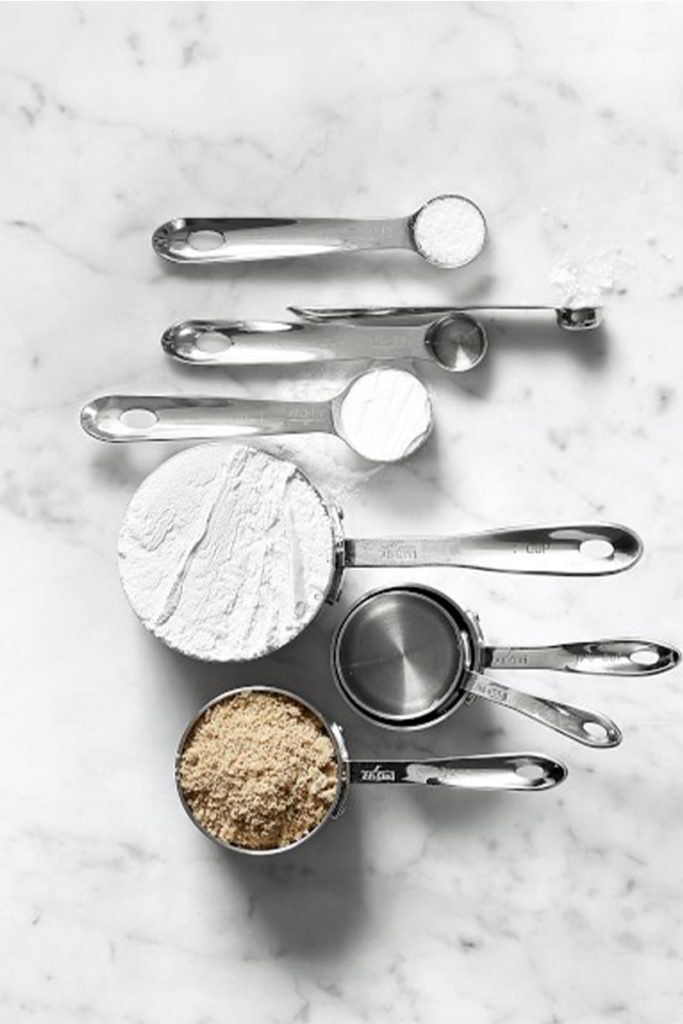
Measuring cups and spoons are essential tools. They’re designed to give you exact quantities. But are you using them correctly? Dry ingredients should be leveled off with a knife for accuracy. For liquids, check at eye level to ensure precision.
Ever notice the difference between liquid and dry measuring cups? Liquid cups have a spout for easy pouring. Dry cups are meant to be filled to the brim. Mixing them up can lead to inaccuracies.
The Role Of Kitchen Scales
Kitchen scales are a game-changer. They provide exact measurements every time. Unlike cups, scales don’t care about how packed your flour is or the air pockets in your sugar. They give you a precise weight.
Using a scale means fewer dishes to wash. Weigh directly into your mixing bowl and save time and effort. Plus, they’re especially handy when scaling up recipes or trying new ones from other countries.
Common Mistakes And How To Avoid Them
One common mistake is measuring brown sugar incorrectly. It’s meant to be packed into the cup. If you skip this step, you might end up with less than needed, affecting taste and texture.
Another pitfall is eyeballing ingredients. This is a recipe for disaster. Always take the extra time to measure. It ensures consistency and reliability in your results.
What baking blunders have you encountered due to incorrect measurements? Share your stories and learn from others. Baking is both a science and an art, and precision is key.
Credit: www.ifyougiveablondeakitchen.com
Types Of Measuring Tools
Measuring tools in baking include cups, spoons, and scales. Each tool ensures accurate ingredient quantities. Precise measurements improve baking results, creating consistent flavors and textures.
When baking, accuracy ensures success. Different measuring tools help achieve this. Each tool serves a unique purpose. Understanding these tools improves your baking results.Scales
Scales provide precise weight measurements. They are essential for consistent results. Digital scales are easy to use. They display accurate readings quickly. Analog scales can be a bit trickier but still useful.Measuring Cups
Measuring cups are vital for liquids and dry ingredients. They come in various sizes. Some are made of plastic, others metal or glass. Liquid measuring cups have a spout for easy pouring. Dry measuring cups are meant for scooping.Measuring Spoons
Measuring spoons ensure small amounts are exact. They are perfect for baking powder, spices, and extracts. Usually, they come in sets of different sizes. Using them avoids over or under seasoning.Thermometers
Thermometers check temperature accuracy. They ensure baked goods are cooked right. Oven thermometers verify your oven’s internal temperature. Food thermometers gauge the doneness of items like bread and cakes.Choosing The Right Tool
Choosing the right tool for baking ensures accurate measurements. Precision is key in baking. The tools you use can greatly influence your results. Whether measuring dry ingredients or liquids, selecting the correct tool is essential. Consider aspects like material, size, and capacity.
Material Considerations
Measuring tools come in different materials. Plastic, glass, and metal are common choices. Plastic tools are lightweight and affordable. Glass is durable and easy to clean. Metal tools are sturdy and long-lasting. Each material has its pros and cons. Choose based on your needs and preferences.
Size And Capacity
Size and capacity matter in measuring tools. Cups and spoons vary in size. Some are designed for small amounts; others hold more. Consider what you bake frequently. Larger tools suit bulk recipes. Smaller ones are perfect for precise measurements. Ensure the tool fits your baking style and needs.
Tips For Effective Measurement
Baking is an art. Precise measurements are crucial for delicious results. Effective measurement can make or break your baking experience. Knowing the right techniques helps you achieve consistency. Avoiding common mistakes ensures the best taste and texture. Let’s explore how to measure accurately and avoid pitfalls.
Proper Technique
Use dry measuring cups for ingredients like flour. Level off with a straight edge for accuracy. Use liquid measuring cups for liquids. Check at eye level to ensure precision. Always use a kitchen scale for ingredients like chocolate or nuts. A scale provides the most accurate measurement.
Keep spoons for small quantities like baking soda or salt. Use the back of a knife to level. Stir flour before measuring to avoid packing. Spoon it lightly into the cup. This prevents excess flour, ensuring perfect baked goods.
Common Mistakes To Avoid
Avoid measuring over the mixing bowl. Spills can alter the recipe. Don’t pack flour into the cup. It leads to dense cakes. Never estimate ingredients like baking powder. Exact amounts are essential for rising.
Using the wrong cup for liquids can cause errors. Dry cups aren’t meant for liquids. Always double-check measurements. A small mistake can ruin the batch. Remember, precision is key in baking.
Maintaining Your Measuring Tools
Measuring tools in baking, such as cups, spoons, and scales, ensure precise ingredient amounts. Accurate measurements are crucial for baking success, affecting texture and flavor. Keeping these tools clean and well-maintained preserves their accuracy, helping achieve consistent results in every recipe.
Maintaining your measuring tools is essential for consistent and delicious baking results. You rely on these tools to ensure accuracy, and keeping them in top condition is crucial. A well-maintained set of measuring tools not only enhances your baking but also adds a touch of professionalism to your kitchen. Have you ever found yourself frustrated when your cookies turn out flat or your cake doesn’t rise as expected? The culprit might just be inaccurate measurements due to poorly maintained tools. Let’s dive into how you can care for and store your measuring tools to ensure they serve you well for years.Cleaning And Care
Proper cleaning is the first step in maintaining your measuring tools. After each use, wash them with warm, soapy water. This prevents residue build-up that can affect future measurements. Dry them thoroughly to avoid rust, especially if you have metal measuring cups or spoons. You might be surprised how quickly damp tools can deteriorate. Consider using a soft brush to clean the crevices of your tools. This ensures every nook is free from any leftover ingredients.Storage Solutions
Storing your measuring tools properly is just as important as cleaning them. Find a dedicated space in your kitchen for these tools. A drawer organizer can keep everything neat and accessible. Avoid tossing them in a crowded drawer where they can get damaged or lost. A clutter-free space helps you grab what you need quickly, saving you time during baking. Think about hanging your measuring spoons on a hook or pegboard. It’s a simple solution that keeps them in sight and within reach. By taking care of your measuring tools, you’re not just preserving their life; you’re ensuring your baking creations turn out exactly as planned every time. Have you thought about how much easier your baking routine could be with perfectly maintained tools? Start today and enjoy the sweet rewards of precision and care in your kitchen.Innovations In Baking Tools
Baking requires precise measurements for success. Measuring cups and spoons help ensure accuracy in recipes. Digital scales provide exact weight for ingredients.
Innovations in baking tools are changing how we approach this delicious craft. Gone are the days when a simple set of measuring cups and spoons sufficed. Modern technology is making baking more accurate, fun, and accessible. Have you ever wondered how digital tools could transform your baking experience? Let’s dive into the latest innovations that are reshaping the art of baking.Digital Options
Digital measuring tools are a game-changer for precision in baking. They offer exact measurements in grams or ounces, ensuring your recipes turn out perfectly every time. Imagine baking a cake and having it rise just right because you used a digital scale. This tool eliminates the guesswork, allowing you to focus on creativity and flavor. Many digital tools come with a tare function, letting you subtract the container’s weight. This feature simplifies the process, making it quick and efficient. Investing in a digital scale could be the smartest decision for your baking endeavors.Smart Devices
Smart devices are taking baking to the next level. These gadgets connect to your smartphone and provide real-time data. Ever tried a new recipe and wished you had guidance at every step? Smart scales can help by offering recipe instructions and ingredient adjustments based on your input. Some smart ovens even allow you to control temperature and timing through an app. Picture baking cookies and receiving a notification when they’re perfectly golden. These devices are like having a personal assistant in your kitchen, enhancing your baking experience. By embracing these innovations, you can elevate your baking skills and enjoy a more streamlined process. Have you tried any of these advanced tools? What impact did they have on your baking?
Credit: www.facebook.com
Frequently Asked Questions
What Is A Measuring Tool In Baking?
A measuring tool in baking ensures precise ingredient quantities. Common tools include measuring cups, spoons, and scales. Accurate measurements are crucial for consistent results, texture, and flavor. Using the right measuring tools helps prevent baking mishaps and achieves perfect baked goods every time.
Always measure dry and liquid ingredients separately for best outcomes.
What Is The Definition Of Measuring Tools?
Measuring tools are devices used to quantify physical quantities like length, weight, temperature, or time. They ensure accuracy and precision in various tasks. Common examples include rulers, scales, thermometers, and clocks. These tools are essential in industries, laboratories, and everyday life for accurate measurements.
What Are 5 Examples Of Measuring Tools?
Common measuring tools include rulers, tape measures, calipers, micrometers, and protractors. Rulers are used for length measurements. Tape measures are handy for quick length assessments. Calipers offer precise diameter readings. Micrometers are perfect for small dimensions. Protractors measure angles accurately, essential for geometry tasks.
What Are Some Measuring Tools For Cooking?
Essential measuring tools for cooking include measuring cups, measuring spoons, and kitchen scales. Liquid measuring cups are great for fluids, while dry measuring cups work for solids. Measuring spoons handle small quantities of ingredients. Kitchen scales provide precise weight measurements for accuracy in recipes.
These tools ensure perfect proportions in cooking.
Conclusion
Measuring tools are vital for baking success. They ensure precise ingredient amounts. Accuracy leads to better flavor and texture. Cups, spoons, and scales aid in achieving perfect results. Choosing quality tools makes baking easier. Practice with these tools boosts confidence.
Mistakes decrease as precision increases. Baking becomes enjoyable, not frustrating. Understanding measuring tools transforms homemade treats. Share your baking experiences. Inspire others to try these techniques. Happy baking awaits with the right tools. Start today and enjoy delicious creations.

I’m Abby Lu, a passionate home cook who loves simplifying everyday meals. At PlugChef.com, I share product reviews and cooking guides to help you find the best tools for your kitchen.
Related posts:
 What Type of Cooking Utensils are Safe: Expert Picks
 What Innovations Could Blenders Make: Unleashing Future Tech
 Smart Strategies to Organize a Small Kitchen: Maximize Space
 How to Organize a Kitchen Cabinet: Expert Tips & Tricks
 How to Organize Kitchen Drawers: Expert Tips and Tricks
 How to Organize a Corner Kitchen Cupboard: Expert Tips