
Have you ever paused to consider the materials behind your trusty spatula or favorite frying pan? The world of cooking utensils is more fascinating than you might think.
Understanding what these everyday kitchen tools are made of can transform your cooking experience. From the gleaming stainless steel of your whisk to the heat-resistant silicone of your spatula, each material offers unique benefits that can enhance your culinary creations.
Discovering the secrets behind your utensils can help you choose the right tools for your kitchen, making cooking easier, safer, and more enjoyable. Dive into this article to unravel the mysteries of your kitchen companions, and unlock the full potential of your cooking adventures.
Credit: www.personalizationmall.com
Metal Utensils
Metal utensils are essential tools in every kitchen. They offer durability and efficiency, making cooking easier. Each type of metal has unique properties that affect performance. Below, explore different types of metal used in cooking utensils.
Stainless Steel
Stainless steel is strong and resistant to rust. It is ideal for cooking utensils that face frequent use. This metal does not react with food, keeping flavors intact. Many chefs prefer stainless steel for its reliability.
Aluminum
Aluminum is lightweight and conducts heat well. It’s used in utensils that require quick heating. Aluminum is affordable and widely available. Though it can react with acidic foods, anodized versions prevent this.
Cast Iron
Cast iron is heavy and retains heat for long periods. It is perfect for slow cooking techniques. This metal adds a unique taste to dishes over time. Regular seasoning of cast iron enhances its non-stick properties.
Copper
Copper is an excellent heat conductor, ensuring even cooking. It is favored for its aesthetic appeal and performance. Copper requires regular maintenance to prevent tarnishing. A lining of stainless steel or tin protects food from reacting with copper.
Credit: jingsourcing.com
Wooden Utensils
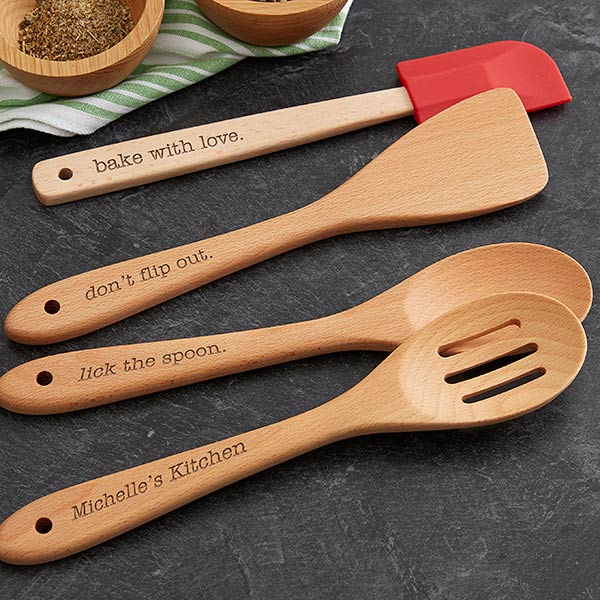
Wooden utensils are a staple in many kitchens. They offer natural beauty and functionality. These tools are gentle on cookware surfaces. Many home cooks prefer wooden spoons, spatulas, and ladles. Their durability and eco-friendly nature make them popular choices. Wooden utensils have a timeless appeal. Their warm, earthy tones add charm to cooking spaces.
Hardwoods
Hardwoods like maple and cherry are often used for utensils. They provide strength and durability. These woods resist warping and cracking. Their dense structure ensures longevity. Hardwoods are less porous, reducing bacteria build-up. They offer a smooth finish, making them easy to clean. Maple and cherry utensils have a refined look. They enhance the aesthetic of any kitchen.
Bamboo
Bamboo is a sustainable option for kitchen tools. It grows quickly and replenishes easily. Bamboo utensils are lightweight yet strong. They resist moisture and stains. Their natural resistance to bacteria is a plus. Bamboo has a sleek appearance, fitting modern kitchens well. It is an eco-friendly alternative to traditional woods. Bamboo utensils are gentle on non-stick surfaces.
Plastic Utensils
Plastic utensils are popular in kitchens worldwide. They are lightweight and affordable, making them a practical choice for everyday cooking. Many cooks appreciate their non-scratch nature, ideal for non-stick surfaces. Several types of plastic are used in kitchen utensils, each with its unique benefits.
Nylon
Nylon utensils are durable and heat-resistant. They can withstand temperatures up to 400°F without melting. This makes them suitable for high-heat cooking. Nylon is also gentle on non-stick cookware, preventing scratches. Its smooth surface makes cleaning easy. Many home cooks choose nylon for these reasons.
Silicone
Silicone utensils are flexible and versatile. They can handle high heat and cold temperatures. Silicone is known for its non-stick properties. It doesn’t absorb odors or stains, keeping utensils fresh. Many choose silicone for its flexibility and ease of use. It bends without breaking, ideal for flipping and stirring.

Credit: www.amazon.com
Ceramic And Glass Utensils
Ceramic and glass utensils offer unique cooking experiences. Ceramic is known for even heat distribution, while glass allows easy monitoring of food. Both materials are non-reactive, ensuring flavors remain pure and ingredients safe. Ideal choices for health-conscious cooking.
Ceramic and glass utensils add a touch of elegance and functionality to your kitchen. They are known for their unique properties that make them stand out from other materials. Whether you’re baking a delicious casserole or serving a colorful salad, these utensils can enhance your cooking and dining experience.Heat Resistance
Ceramic and glass utensils are popular for their excellent heat resistance. They can withstand high temperatures, making them ideal for baking and roasting. You can take that lasagna dish straight from the oven to the table without worrying about it breaking or cracking. This heat resistance also makes them perfect for microwave use. Forget about those melted plastic containers; ceramic and glass handle the heat with ease. Do you enjoy watching your food bubble and cook right before your eyes?Non-reactivity
Ceramic and glass utensils are non-reactive, meaning they won’t interact with your food. This is important for maintaining the flavor and color of your dishes. Have you ever noticed how some metal utensils can leave a metallic taste in your food? With ceramic and glass, you can cook acidic foods like tomatoes and citrus without altering their taste. This quality also ensures that your utensils won’t stain easily, keeping them looking beautiful over time. Choosing non-reactive utensils can elevate your cooking experience. In your kitchen, both ceramic and glass utensils can be your best allies. They not only offer durability and style but also preserve the integrity of your meals. Why not try incorporating them into your cooking routine and see the difference for yourself?Composite Materials
Cooking utensils are crafted from various materials, each offering unique benefits. Composite materials stand out for their versatile and durable nature. They blend different materials to enhance cooking performance. This section explores composites in cooking utensils.
Advantages Of Composites
Composite materials offer several benefits. They combine strength and flexibility. This ensures utensils withstand high temperatures. Composites resist corrosion, maintaining their quality over time. Their lightweight nature makes them easy to handle. They also provide a non-stick surface for easy cleaning. These advantages make composites a popular choice.
Common Composite Types
Several composite types are used in cooking utensils. Fiberglass is a common choice. It provides excellent heat resistance. Carbon fiber composites are also popular. They offer high strength and low weight. Another type is ceramic composites. They provide a smooth surface and enhance durability. Each type offers unique benefits for cooking. Composites are essential in modern kitchenware.
Choosing The Right Material
Choosing the right material for cooking utensils is crucial. It affects durability, safety, and ease of maintenance. With numerous options available, understanding each material’s qualities helps in making an informed choice. The right material enhances cooking efficiency and safety.
Durability Considerations
Durability varies across cooking utensil materials. Stainless steel is strong and resistant to rust. It lasts for years without losing quality. Cast iron also offers high durability. It withstands high temperatures and rough use. Plastic and silicone are less durable. They might wear out faster with frequent use.
Health And Safety
Health and safety are vital in choosing utensil materials. Stainless steel is non-reactive, keeping food safe. Cast iron adds iron to food, which is beneficial. Non-stick coatings can release harmful fumes if overheated. Silicone is generally safe and heat-resistant. Wood is non-toxic but can harbor bacteria if not cleaned properly.
Maintenance Requirements
Maintenance varies for different materials. Stainless steel is easy to clean and dishwasher safe. Cast iron needs seasoning to prevent rust. It requires gentle cleaning methods. Non-stick coatings need careful handling to avoid scratches. Silicone and plastic are easy to clean. They are often dishwasher safe. Wood requires hand washing and regular oiling to maintain its quality.
Frequently Asked Questions
What Are The Cooking Utensils Made Of?
Cooking utensils are commonly made of stainless steel, cast iron, copper, silicone, and wood. These materials offer durability, heat resistance, and ease of cleaning. Each material provides different benefits, catering to various cooking needs and preferences. Choose utensils based on your cooking style and maintenance requirements.
What Is The Best Material For Cooking Utensils?
Stainless steel is the best material for cooking utensils. It’s durable, non-reactive, and easy to clean. Cast iron is excellent for heat retention and even cooking. Silicone offers flexibility and is heat-resistant, perfect for non-stick cookware. Choose based on your cooking needs and preferences for optimal results.
What Materials Are Used For Making Cooking Utensils?
Cooking utensils are crafted from materials like stainless steel, aluminum, copper, cast iron, and non-stick coatings. Silicone, wood, and plastic are also used for specific tools. Each material has unique properties, offering durability, heat resistance, and ease of use, catering to diverse culinary needs.
Choose based on cooking style and preference.
What Are Toxic Free Cooking Utensils?
Toxic-free cooking utensils are made from safe materials like stainless steel, glass, or silicone. These materials avoid harmful chemicals found in plastics and non-stick coatings, ensuring healthier cooking. Opt for brands that prioritize non-toxic ingredients and sustainable manufacturing practices for the best results.
Conclusion
Cooking utensils come in many materials. Each offers unique benefits. Stainless steel is durable and rust-resistant. Wood is gentle on non-stick surfaces. Silicone withstands high temperatures. Plastic is lightweight and budget-friendly. Copper conducts heat efficiently. Choosing the right material depends on your cooking style.
Consider how you cook and clean. Focus on what meets your needs best. Explore different options in stores. Feel the weight and texture in your hand. Find what suits your kitchen routine. Remember, the right utensil enhances your cooking experience.
Make informed decisions for better meals. Happy cooking!

Hi, I’m Daniel Brooks—a food lover and kitchen gear enthusiast. I enjoy testing cookware, utensils, and gadgets to see what really works in everyday cooking. At PlugChef.com, I share honest reviews, comparisons, and simple guides to help you choose the best tools for a safer, smarter, and more enjoyable kitchen.
Related posts:
 What Type of Cooking Utensils are Safe: Expert Picks
 What Innovations Could Blenders Make: Unleashing Future Tech
 Smart Strategies to Organize a Small Kitchen: Maximize Space
 How to Organize a Kitchen Cabinet: Expert Tips & Tricks
 How to Organize Kitchen Drawers: Expert Tips and Tricks
 How to Organize a Corner Kitchen Cupboard: Expert Tips