
Have you ever stood in the grocery store wondering just how much a head of cabbage should weigh? Whether you’re planning a recipe, tracking your grocery budget, or curious about the right size to buy, knowing the weight of a head of cabbage can make a big difference.
You’ll discover the typical weight ranges, how to choose the perfect cabbage for your needs, and tips to get the most out of every leafy bite. Keep reading, and you’ll never second-guess your cabbage choice again!
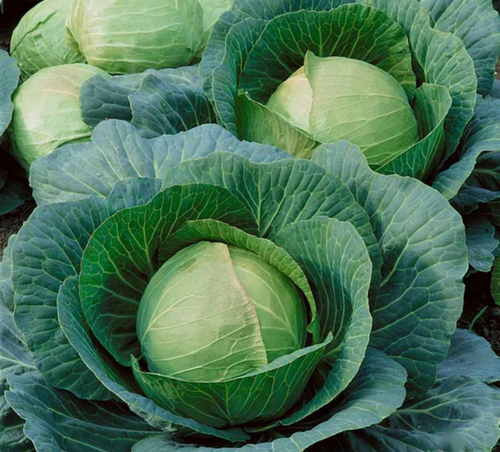
Credit: www.holmesseed.com
Average Weight Of Cabbage Heads
Understanding the average weight of cabbage heads can help you plan meals, manage portions, and even budget your grocery shopping better. Cabbages come in various sizes, and their weight varies accordingly. Knowing these differences allows you to select the right size for your needs without guesswork.
Small
Small cabbage heads usually weigh between 1 to 2 pounds (0.45 to 0.9 kg). These are perfect for individuals or small families who want to avoid waste. I once bought a small cabbage for a salad and found it just right—no leftovers, no extra chopping.
These sizes are often more tender and easier to handle. If you want something quick to cook or snack on, small cabbages are a great pick.
Medium
Medium-sized cabbage heads typically weigh between 3 to 4 pounds (1.36 to 1.81 kg). They work well for families or when you’re preparing multiple dishes. A medium cabbage fits nicely in most standard kitchen sinks for washing and provides enough leaves for wraps or stews.
Have you noticed how medium cabbages tend to have a better balance of density and moisture? This makes them versatile for both raw and cooked recipes.
Large Sizes
Large cabbage heads can weigh 5 pounds (2.27 kg) or more. These are ideal if you’re cooking for a crowd or making preserved foods like sauerkraut. However, handling large cabbages requires more effort in terms of cutting and storage.
Think about whether you have the space to store a large cabbage before buying one. Sometimes, less is more, especially if you want to keep your kitchen organized.
Factors Influencing Weight
Several factors affect how much a cabbage head weighs. The variety of cabbage plays a major role; for example, Savoy cabbages often weigh less than green or red varieties.
Growing conditions matter too. Cabbages grown in nutrient-rich soil with adequate water tend to be heavier. I once grew my own cabbages and noticed the ones in well-fertilized spots weighed nearly twice as much.
Harvest time also influences weight. Younger cabbages are lighter and more tender, while those left to mature fully gain weight but may become tougher. Have you ever picked a cabbage too early or too late and noticed a big difference in texture and weight?
Types Of Cabbage And Their Weights
Cabbage comes in many types, each with a unique look and weight. Knowing the weight helps in cooking, shopping, and storing. Some cabbages are round and dense. Others have loose, crinkly leaves. The weight varies from small heads to large ones. Here is a look at popular types of cabbage and their typical weights.
Green Cabbage
Green cabbage is the most common type. It has smooth, tightly packed leaves. A typical green cabbage head weighs between 2 to 4 pounds. Some can grow even bigger, up to 5 pounds. It is firm and crunchy, perfect for salads and slaws.
Red Cabbage
Red cabbage has deep purple-red leaves. It is similar in shape to green cabbage. The weight usually ranges from 2 to 3.5 pounds. It adds color and a slightly peppery taste to dishes. Red cabbage also holds well when cooked.
Savoy Cabbage
Savoy cabbage has wrinkled, curly leaves. It looks lighter and less dense than green cabbage. Savoy heads weigh about 1.5 to 3 pounds. The leaves are tender and mild, great for wraps and soups. It cooks faster because it is less compact.
Napa Cabbage
Napa cabbage is long and oval-shaped. Its leaves are soft and pale green. The weight varies from 1 to 3 pounds. Napa cabbage is common in Asian dishes. It has a mild flavor and a crisp texture. It is often used in stir-fries and kimchi.
How To Weigh A Cabbage Head
Place the cabbage head on a kitchen scale to find its weight. For accuracy, use a scale that measures in grams or pounds. This helps in cooking or selling with the right portion size.
Weighing a cabbage head might seem trivial, but it can make a significant difference in your cooking and meal planning. Have you ever wondered whether you’re getting the right amount of cabbage for your recipe? Knowing the exact weight can help ensure consistency, especially when you’re aiming for that perfect coleslaw or stir-fry. Let’s dive into some practical methods to weigh a cabbage head, with or without a kitchen scale.Using Kitchen Scales
A kitchen scale is a straightforward tool that provides accurate results. To weigh a cabbage head using a kitchen scale, simply follow these steps: 1. Prepare the Scale: Place the kitchen scale on a flat, stable surface. Ensure it’s set to zero before you start weighing. 2. Weigh the Cabbage: Gently place the cabbage head on the scale. Wait for the digital or analog readout to stabilize. 3. Record the Weight: Note the weight displayed. This will help you adjust your recipe measurements accordingly. Using a kitchen scale ensures precision. It’s especially useful if you’re following a recipe that requires exact quantities.Estimating Weight Without Scales
No scale? No problem! You can still estimate the weight of a cabbage head with a few handy tricks. – Visual Comparison: Compare the cabbage head with a known item. A medium-sized cabbage is roughly the size of a basketball and typically weighs about 2 to 3 pounds. – Feel the Weight: Lift the cabbage and get a sense of its weight. With practice, your hands can become pretty accurate in guessing the weight range. – Volume Method: Estimate by size and density. A dense, tightly packed cabbage will weigh more than a loosely packed one of the same size. This approach might not be as precise as using a scale, but it’s surprisingly effective. It encourages you to rely on your senses, making cooking a more intuitive and enjoyable experience. Have you ever tried weighing a cabbage head without scales? What was your method? Share your tips and tricks in the comments!
Credit: soonhuatseeds.com
Portion Sizes For Different Recipes
Knowing the right portion size of cabbage helps in cooking perfectly balanced meals. Different recipes require different amounts of cabbage for best results. Using the right portion keeps flavors balanced and prevents waste.
Portion sizes vary with the type of dish. Some dishes need shredded cabbage, others need whole leaves. Understanding these differences helps plan your cooking better.
Salads And Slaws
Salads and slaws need fresh, crisp cabbage in smaller amounts. Use about one-quarter to one-half of a medium head for four servings. Shredded or finely chopped cabbage blends well with other vegetables. This portion keeps the salad light and crunchy.
Soups And Stews
Soups and stews use cabbage in chunks or strips. Half to a whole medium head works for a pot serving six to eight people. Cabbage adds texture and absorbs flavors well. It cooks down but still adds volume to the dish.
Stuffed Cabbage Rolls
Stuffed cabbage rolls need whole cabbage leaves. One medium head provides about 12 to 16 large leaves. Leaves should be soft but firm enough to hold filling. This portion size is enough for a family meal of six to eight rolls.
Buying Tips For Perfect Portions
Buying the right weight of a head of cabbage can save you from food waste and ensure your meals come out just right. Knowing how to pick fresh, seasonal cabbage and how to store it can make all the difference. Let’s dive into practical tips that help you choose the perfect portions every time you shop.
Selecting Fresh Cabbage
Look for cabbage heads that feel dense and firm when you press them gently. Avoid those with soft spots, cracks, or discoloration, as they may spoil faster.
Check the outer leaves; they should be vibrant and crisp, not wilted or yellowing. A fresh cabbage often has a slight sheen on its leaves, which shows it’s still packed with moisture.
Seasonal Availability
Cabbage tastes best and lasts longer when bought in season. Typically, it’s freshest in late fall and early winter, but some varieties grow year-round in cooler climates.
Ask your grocer or farmer about the cabbage’s harvest time. Buying in season not only ensures better flavor but often means you get a better price.
Storage Considerations
Once home, keep your cabbage in the crisper drawer of your fridge, wrapped loosely in a plastic bag to retain moisture.
Whole heads can last up to two weeks when stored properly, but once cut, use the cabbage within a few days for the best texture and taste.
Have you ever noticed how a cabbage left out too long loses its crunch? Storing it right can keep that satisfying snap in your salads and slaws.

Credit: feasterneurope.com
Weight Loss And Nutrition
Cabbage is a popular vegetable for those who want to lose weight and eat healthy. It is low in calories and full of nutrients. Eating cabbage can help control hunger without adding many calories. It is easy to include in meals and fits well in many diets focused on weight loss and nutrition.
Caloric Value Per Weight
A typical head of cabbage weighs about 1.5 to 2 pounds (680 to 900 grams). Per 100 grams, cabbage contains only about 25 calories. This low calorie count means you can eat a large portion without gaining many calories. The calories mainly come from carbohydrates and a small amount of protein. Cabbage has almost no fat, making it ideal for calorie-conscious eating.
Serving Size Recommendations
A healthy serving size of cabbage is about one cup of chopped cabbage, roughly 89 grams. This serving has about 22 calories and provides vitamins C and K, fiber, and antioxidants. Eating cabbage raw or cooked retains most of its nutrients. For weight loss, aim to include one to two servings daily. This helps keep calories low and supports digestion and fullness.
Common Weight Myths About Cabbage
Cabbage weight often causes confusion. Many people believe bigger heads always weigh more. Others think cooking time depends only on size. These common myths can lead to cooking mistakes and waste.
Misconceptions On Size And Weight
People often assume a large cabbage head weighs much more than a smaller one. Size does not always match weight. Some cabbages are dense and heavy, while others are light and airy. The moisture content also changes the weight. A compact cabbage may weigh more than a loose, leafy one.
Weight varies by cabbage type too. Green, red, and savoy cabbages differ in density. The outer leaves add bulk but not always extra weight. Don’t judge weight by size alone.
Impact On Cooking Time
Cooking time depends on more than just cabbage weight. The shape and density affect how heat passes through. A dense head takes longer to cook than a loose one of the same weight. Cutting cabbage into smaller pieces shortens cooking time.
Overestimating cooking time can make cabbage mushy. Underestimating leaves it crunchy. Understanding true weight and density helps cook cabbage just right. Use a kitchen scale for accuracy instead of guessing by size.
Frequently Asked Questions
What Is The Average Weight Of A Head Of Cabbage?
The average weight of a head of cabbage ranges from 1. 5 to 3 pounds. This varies by variety and growing conditions. Smaller cabbages weigh less, while larger ones can exceed 4 pounds. Knowing the weight helps with recipe planning and portion control.
How Does Cabbage Weight Vary By Type?
Different cabbage types weigh differently. Green and red cabbages typically weigh between 2 to 3 pounds. Savoy cabbages are lighter, usually under 2 pounds. Napa cabbage tends to be longer and lighter. Weight differences affect cooking time and storage.
Can Cabbage Weight Affect Nutritional Content?
Yes, cabbage weight influences portion size, which impacts nutrient intake. Larger heads provide more vitamins and fiber if consumed fully. However, nutrient density per 100 grams remains consistent across sizes. Accurate weight helps track dietary intake effectively.
How To Estimate Cabbage Weight Without A Scale?
Estimate cabbage weight by size and feel. A medium cabbage head fits in two hands and weighs about 2 pounds. Larger heads require more effort to hold and usually exceed 3 pounds. This helps in cooking when scales aren’t available.
Conclusion
Knowing the weight of a head of cabbage helps with cooking and shopping. It lets you plan meals and buy just the right amount. Different cabbages can vary in size and weight. Freshness also affects how heavy they feel. Keep this in mind for better kitchen results.
A simple fact, but very useful for everyday life. Understanding cabbage weight makes your cooking easier and more precise.

I’m Abby Lu, a passionate home cook who loves simplifying everyday meals. At PlugChef.com, I share product reviews and cooking guides to help you find the best tools for your kitchen.
Related posts:
 What Type of Cooking Utensils are Safe: Expert Picks
 What Innovations Could Blenders Make: Unleashing Future Tech
 Smart Strategies to Organize a Small Kitchen: Maximize Space
 How to Organize a Kitchen Cabinet: Expert Tips & Tricks
 How to Organize Kitchen Drawers: Expert Tips and Tricks
 How to Organize a Corner Kitchen Cupboard: Expert Tips