
Are you struggling to keep your stainless steel surfaces shiny and spotless? You might be surprised to learn that WD-40, a product you probably already have at home, can be a powerful tool to clean and protect your stainless steel.
You’ll discover simple steps to make your stainless steel look brand new without harsh chemicals. Ready to transform your cleaning routine and save time? Keep reading to find out how WD-40 can work wonders for your stainless steel items.
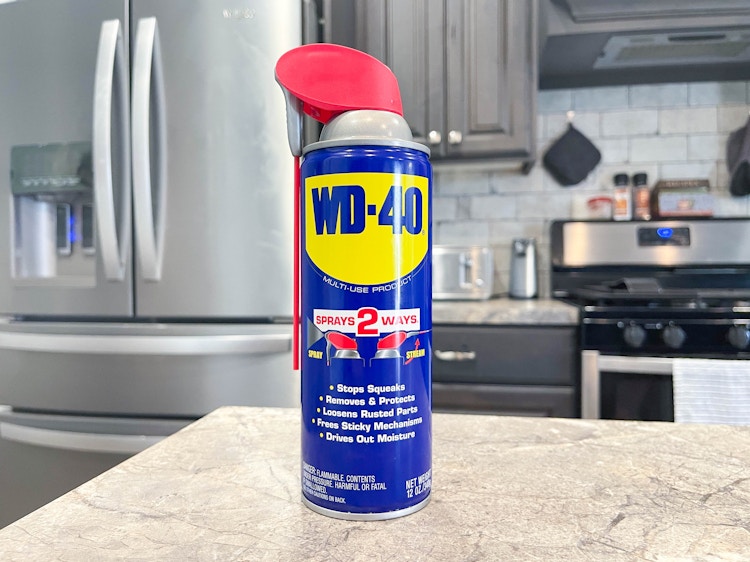
Credit: thekrazycouponlady.com
Why Use Wd40 On Stainless Steel
Stainless steel is a popular choice for many household and industrial items due to its durability and sleek look. But keeping it clean and shiny can sometimes be a challenge. Using WD40 on stainless steel might seem unusual, yet it offers practical benefits that go beyond simple cleaning.
Properties That Make Wd40 Effective
WD40 is a versatile product known for its unique combination of properties. It acts as a lubricant, water repellent, and rust preventative all in one. These qualities help protect stainless steel from moisture and corrosion while restoring its shine.
WD40’s ability to break down grease and grime makes it great for removing stubborn stains without harsh scrubbing. It also leaves a thin protective layer that prevents fingerprints and smudges, making your stainless steel surfaces easier to maintain. Have you noticed how some cleaners leave streaks? WD40 often avoids that issue.
Common Uses On Stainless Steel
Many people use WD40 to tackle common problems on stainless steel appliances and fixtures. It’s excellent for removing water spots and mineral deposits that can dull the surface. Simply spray a small amount and wipe it off with a soft cloth to see immediate results.
- Polishing and restoring shine on sinks, refrigerators, and cookware
- Loosening stuck parts like handles or hinges on stainless steel equipment
- Preventing rust on outdoor stainless steel tools and furniture
- Removing adhesive residues from stickers or labels without damaging the metal
Using WD40 in these ways can save you time and effort compared to traditional cleaning methods. Have you ever struggled to clean your stainless steel appliances? WD40 might be the simple solution you haven’t tried yet.

Credit: www.reliance-foundry.com
Preparing Stainless Steel For Cleaning
Preparing stainless steel for cleaning helps achieve the best results. Proper preparation removes loose dirt and protects the surface. This step ensures WD-40 works effectively without causing damage.
Gathering Necessary Materials
Collect all items before starting the cleaning process. This saves time and keeps the work area organized.
- WD-40 spray
- Soft microfiber cloths
- Mild dish soap
- Warm water
- Non-abrasive sponge
- Gloves
- Paper towels
Having these materials ready makes cleaning easier and safer.
Safety Precautions To Take
Wear gloves to protect your skin from chemicals. Work in a well-ventilated area to avoid inhaling fumes. Avoid using WD-40 near open flames. Keep children and pets away from the cleaning space. Test WD-40 on a small hidden spot first. This prevents damage or discoloration.
Step-by-step Cleaning Process
Cleaning stainless steel with WD-40 is straightforward once you know the right process. The key is to apply the product properly, tackle dirt and grime carefully, and finish with a buff that brings out the metal’s natural shine. This step-by-step guide breaks down each phase so you get the best results without damaging your stainless steel surfaces.
Applying Wd40 Correctly
Start by spraying a small amount of WD-40 directly onto the stainless steel surface. Avoid soaking the area; a light mist is enough to loosen dirt without leaving excess residue.
Use a soft cloth or microfiber towel to spread the WD-40 evenly. This prevents streaks and ensures every inch gets covered. Have you noticed how WD-40 seems to glide smoothly over tough spots?
Removing Dirt And Grime
After applying WD-40, gently wipe the surface with the cloth in circular motions. This action lifts away fingerprints, smudges, and stuck-on grime.
If some spots feel stubborn, add a bit more WD-40 and let it sit for a minute. This allows the product to break down tougher residue without harsh scrubbing.
Buffing To Achieve Shine
Once the dirt is removed, take a clean, dry cloth and buff the stainless steel surface. This step removes any leftover WD-40 and reveals a smooth, polished finish.
Buffing also helps protect the surface by leaving a thin, invisible layer that resists future smudges. Have you ever wondered why some stainless steel appliances stay cleaner longer? It’s often because of this final shine step.
Removing Rust With Wd40
Removing rust from stainless steel surfaces can restore their shine and extend their life. WD40 works well to break down rust and loosen it from the metal. It penetrates the rust, making it easier to clean without harsh scrubbing.
This section shows how to identify rust spots, remove rust safely, and keep your stainless steel rust-free.
Identifying Rust Spots
Look for small orange or brown patches on the stainless steel surface. These spots often feel rough to the touch. Rust can appear near edges, joints, or areas exposed to moisture. Regular checks help spot rust early before it spreads.
Techniques For Rust Removal
- Spray WD40 directly on the rust spots.
- Let it sit for 10 to 15 minutes to penetrate the rust.
- Use a soft cloth or sponge to gently wipe the rust away.
- For tougher rust, use a non-abrasive scrubbing pad carefully.
- Rinse the area with water and dry it completely.
Preventing Future Rust
Keep stainless steel clean and dry to prevent rust. Apply a thin layer of WD40 to form a protective barrier. Avoid leaving water or chemicals on the surface. Regular maintenance with WD40 can stop rust from returning.
Maintaining Stainless Steel Shine
Maintaining stainless steel shine keeps surfaces looking clean and fresh. Regular care helps prevent stains and dullness. Using the right products and techniques ensures long-lasting brilliance. WD-40 can be a helpful tool in this process. It removes grime and protects without damaging the surface.
Regular Cleaning Tips
- Wipe stainless steel with a soft cloth daily.
- Use mild soap and warm water for regular cleaning.
- Dry immediately to avoid water spots and streaks.
- Apply WD-40 lightly to remove stubborn marks.
- Buff with a microfiber cloth for extra shine.
- Clean along the grain of the steel for best results.
Avoiding Common Mistakes
- Do not use abrasive pads or steel wool; they scratch surfaces.
- Avoid bleach or chlorine cleaners that damage stainless steel.
- Never let water sit on the surface for too long.
- Don’t apply WD-40 in large amounts; a small spray is enough.
- Avoid mixing cleaning products that can cause discoloration.
- Do not ignore regular cleaning; dirt buildup dulls the finish.
Alternative Cleaners Compared
Cleaning stainless steel requires the right product to keep its shine and prevent damage. Many cleaners promise great results, but they work differently. Comparing alternative cleaners helps you choose the best for your needs. This section looks at WD40 and other options, including natural cleaners.
Wd40 Vs. Commercial Stainless Steel Cleaners
WD40 is a versatile product often used for cleaning stainless steel. It removes stains and protects against rust. Commercial stainless steel cleaners are made specifically for this metal. They usually contain polishing agents and protectants.
WD40 works well for light stains and smudges. It leaves a thin protective layer. Commercial cleaners often clean deeper and restore shine faster. They may also remove fingerprints and water spots better.
Some commercial cleaners include chemicals that can be harsh. WD40 is less abrasive but not designed solely for stainless steel. Both products need to be wiped off properly to avoid streaks.
Natural Cleaning Options
Natural cleaners offer a gentle way to clean stainless steel. They use simple household ingredients. Vinegar and baking soda are popular choices.
- Vinegar helps dissolve grease and remove fingerprints.
- Baking soda acts as a mild abrasive to remove stains.
- Lemon juice adds a fresh scent and cuts through grime.
Natural cleaners are safe and eco-friendly. They do not leave chemical residues. They may require more effort to remove tough stains. Still, they keep your stainless steel looking clean without harsh chemicals.
Faqs About Wd40 And Stainless Steel
WD40 has become a household name, celebrated for its versatility and effectiveness. But when it comes to using it on stainless steel, questions often arise. Is it safe? How frequently should it be applied? If you’re seeking clarity on using WD40 for cleaning stainless steel, you’re in the right place. Let’s tackle some of the most frequently asked questions.
Is Wd40 Safe For All Stainless Steel?
WD40 is generally safe for most stainless steel surfaces. It’s a great cleaner and adds a protective layer, preventing smudges and fingerprints. However, always test it on a small, hidden area first, especially on appliances with special coatings.
One reader shared that they used WD40 on their stainless steel refrigerator, which had a brushed finish. It worked wonders, leaving a gleaming surface. But remember, not all stainless steel is created equal, so proceed with caution.
How Often Should Wd40 Be Used?
Frequency depends on the amount of use and exposure your stainless steel surfaces get. For high-touch areas like kitchen appliances, using WD40 once a month can keep them looking pristine.
In less trafficked areas, you might find that every couple of months suffices. Pay attention to how quickly fingerprints and smudges return. If they appear rapidly, a more frequent application might be necessary.
Ask yourself: Does your stainless steel need a touch-up or a full clean? You might be surprised at how a quick spray and wipe of WD40 can make a significant difference.
Credit: www.amazon.ae
Frequently Asked Questions
Can Wd40 Safely Clean Stainless Steel Surfaces?
Yes, WD40 can clean stainless steel safely. It removes grime, fingerprints, and light stains effectively without damaging the surface. Always apply a small amount and wipe with a soft cloth for best results.
Does Wd40 Leave Residue On Stainless Steel?
WD40 may leave a slight oily residue. Wipe the surface thoroughly with a clean cloth after application. For a streak-free shine, follow up with a stainless steel cleaner or mild soap and water.
How Often Should I Use Wd40 On Stainless Steel?
Use WD40 sparingly, only when needed to remove tough stains or rust spots. Frequent use isn’t necessary and can cause buildup. Regular cleaning with mild detergent is better for maintenance.
Can Wd40 Remove Rust From Stainless Steel?
Yes, WD40 can help loosen and remove light rust on stainless steel. Spray on affected areas, let it sit briefly, then scrub gently with a soft brush or cloth. Rinse and dry thoroughly afterward.
Conclusion
WD-40 works well to clean and protect stainless steel surfaces. It removes fingerprints, smudges, and light rust easily. Use a soft cloth to apply and polish for best results. Avoid using too much spray to prevent streaks. This simple method keeps your stainless steel shiny and smooth.
Try it on kitchen appliances, tools, or outdoor furniture. A quick, easy way to maintain your stainless steel’s look. Clean and shine without harsh chemicals or extra effort.

Hi, I’m Daniel Brooks—a food lover and kitchen gear enthusiast. I enjoy testing cookware, utensils, and gadgets to see what really works in everyday cooking. At PlugChef.com, I share honest reviews, comparisons, and simple guides to help you choose the best tools for a safer, smarter, and more enjoyable kitchen.
Related posts:
 What Type of Cooking Utensils are Safe: Expert Picks
 What Innovations Could Blenders Make: Unleashing Future Tech
 Smart Strategies to Organize a Small Kitchen: Maximize Space
 How to Organize a Kitchen Cabinet: Expert Tips & Tricks
 How to Organize Kitchen Drawers: Expert Tips and Tricks
 How to Organize a Corner Kitchen Cupboard: Expert Tips