
If you’ve ever struggled to get your stainless steel surfaces looking spotless, you’re not alone. Fingerprints, smudges, and stubborn stains can make your shiny appliances and fixtures look dull and tired.
But what if the solution was already sitting in your garage or kitchen cabinet? WD-40 isn’t just for fixing squeaky hinges—it can be a powerful tool to clean and restore your stainless steel’s shine. You’ll discover how WD-40 can make cleaning easier, faster, and more effective, so your stainless steel looks as good as new.
Keep reading to learn the simple steps you can take today!
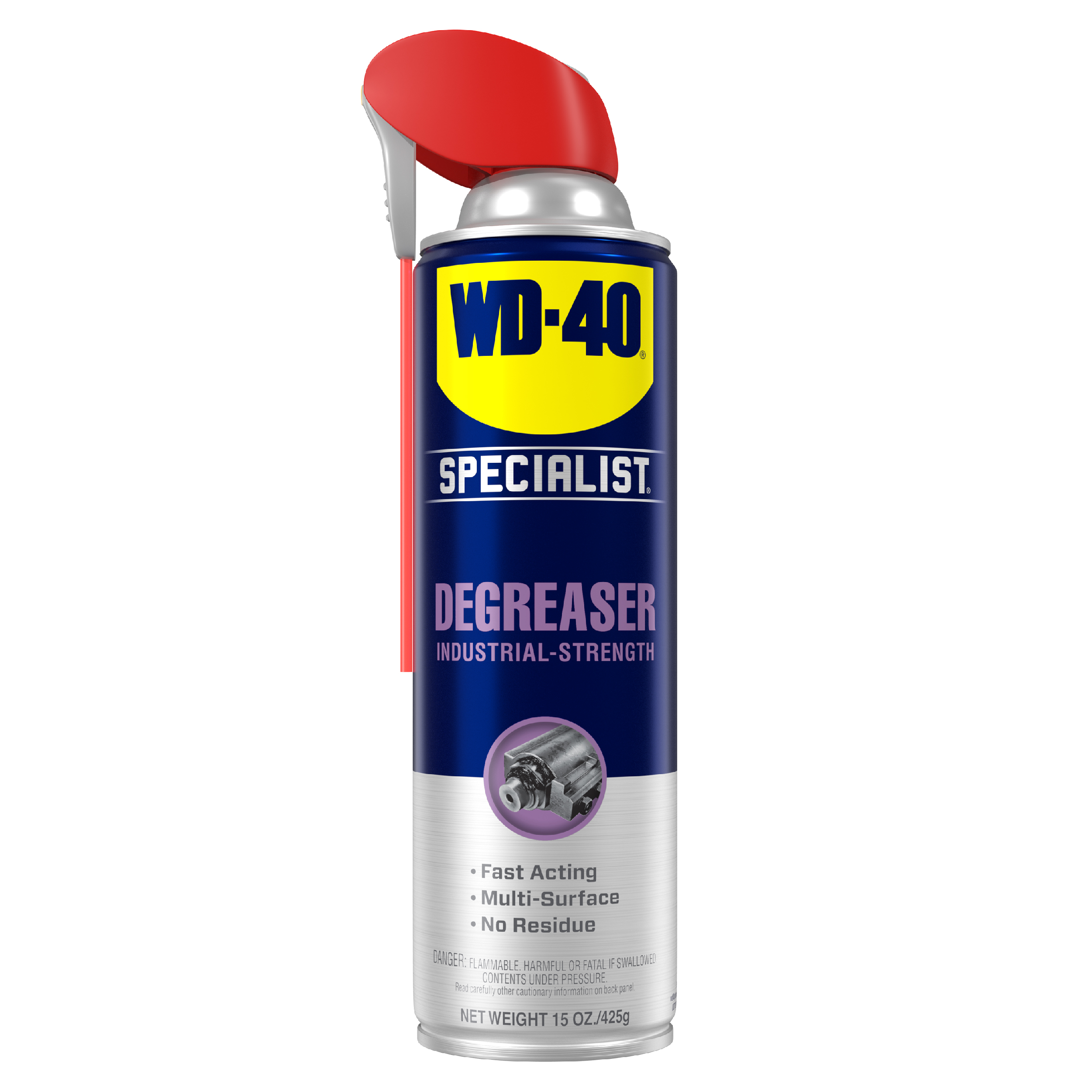
Credit: www.walmart.com
Benefits Of Wd40 On Stainless Steel
WD40 is a versatile product that offers many benefits for stainless steel surfaces. It cleans, protects, and restores the metal’s natural look. Using WD40 on stainless steel helps maintain its beauty and durability over time.
Enhancing Shine
WD40 adds a bright shine to dull stainless steel. It removes fingerprints, smudges, and dust easily. The surface looks smooth and polished without harsh scrubbing. This quick shine boost makes stainless steel look new again.
Preventing Rust
Stainless steel can still rust in harsh conditions. WD40 forms a thin protective layer on the surface. This barrier stops moisture and air from causing rust. It helps keep stainless steel safe in kitchens, outdoors, and other humid places.
Removing Stubborn Stains
WD40 dissolves tough stains and marks on stainless steel. It works on grease, adhesive residues, and water spots. Spray WD40, wait a moment, then wipe gently. The stains lift away without scratching the metal.
Preparing Stainless Steel For Cleaning
Preparing stainless steel for cleaning is a crucial step to ensure you get the best results with WD-40. Before applying any product, your surface needs to be free of loose dirt and grime. This helps the WD-40 work more effectively and prevents scratches during cleaning.
Gathering Necessary Tools
Start by collecting everything you need for the job. You’ll want a soft microfiber cloth to avoid scratching the steel surface. A gentle brush can help remove stubborn dirt from crevices.
- WD-40 spray
- Microfiber cloths
- Soft-bristled brush
- Mild dish soap and water
- Gloves to protect your hands
Having these ready saves time and keeps the process smooth. Have you ever started cleaning only to realize you’re missing a key item? Avoid that frustration by setting up your cleaning station first.
Safety Precautions
WD-40 is safe when used properly, but you still need to handle it carefully. Make sure you work in a well-ventilated area to avoid inhaling fumes. Wearing gloves protects your skin from irritation.
Avoid spraying WD-40 near open flames or heat sources, as it is flammable. Also, test the product on a small, hidden spot first to ensure it doesn’t affect the finish. Taking these precautions helps you clean confidently and safely.
Step-by-step Cleaning Process
Cleaning stainless steel surfaces with WD40 can make them shine. Following a proper cleaning process ensures the best results. Let’s dive into a simple step-by-step guide to clean stainless steel using WD40.
Applying Wd40 Correctly
Start by shaking the WD40 can well. This ensures even distribution of the product. Hold the can about six inches from the surface. Spray lightly and evenly over the stainless steel. Avoid over-spraying to prevent wasting the product. Ensure that the entire surface gets a light coat.
Wiping And Polishing Techniques
Use a clean, soft cloth for wiping. Microfiber cloths work best. Wipe the surface gently in the direction of the grain. This technique avoids streaks and scratches. After wiping, use a dry cloth to polish. Buff in circular motions for a shiny finish. This enhances the stainless steel’s natural luster.
Handling Tough Rust Spots
Rust spots need extra attention. Apply a bit more WD40 directly on the spot. Let it sit for a minute. This helps in breaking down the rust. Use a soft-bristled brush to scrub gently. Avoid using harsh materials that can scratch the surface. After removing rust, wipe with a cloth to remove residue. Finish with a final polish for a clean look.
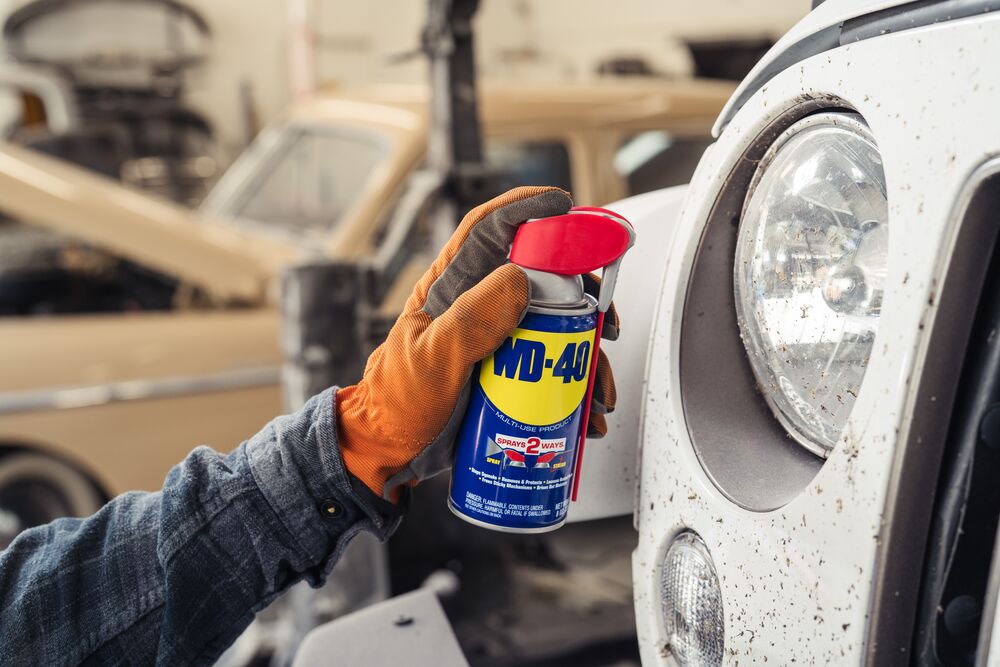
Credit: www.wd40.com
Alternative Cleaning Methods
WD-40 is a popular choice for cleaning stainless steel, but there are other effective ways to keep your surfaces shiny and spotless. Alternative cleaning methods can offer you different benefits, such as being eco-friendly or specially formulated for stainless steel care. Have you ever wondered if natural ingredients or commercial products might work better for your specific cleaning needs?
Natural Cleaners
Natural cleaners use simple ingredients you likely already have at home. Lemon juice and baking soda make a powerful duo to remove stains and restore shine. Just mix a small amount of baking soda with lemon juice to form a paste, then gently rub it on the stainless steel surface.
Vinegar is another excellent option. Spray it directly on the surface, let it sit for a few minutes, then wipe with a soft cloth. This method not only cleans but also disinfects, which is perfect for kitchen appliances.
Using natural cleaners can save money and reduce exposure to harsh chemicals. Have you tried any of these around your house?
Commercial Stainless Steel Cleaners
Commercial cleaners are designed specifically for stainless steel and often include ingredients that protect against fingerprints and smudges. Products like Weiman Stainless Steel Cleaner or Bar Keepers Friend can make your cleaning routine quicker and more efficient.
These cleaners usually come with easy-to-follow instructions and can be found at most grocery or hardware stores. They often contain protective elements that create a barrier, helping your stainless steel stay cleaner longer.
While commercial options can be convenient, it’s important to test them on a small, hidden area first to avoid any damage. Which commercial cleaner have you found most effective for your stainless steel surfaces?
Maintaining Stainless Steel Shine
Maintaining the shine of stainless steel keeps surfaces looking fresh and new. WD-40 can help protect and clean these surfaces effectively. Using it correctly ensures a lasting shine and prevents damage. Proper care makes your stainless steel stand out and last longer.
Regular Cleaning Routine
Wipe stainless steel with a soft cloth daily. Use WD-40 to remove smudges and fingerprints gently. Spray a small amount on a cloth, then rub the surface in the direction of the grain. This method restores shine without scratching.
Regular cleaning stops dirt buildup and water spots. It also protects against rust and corrosion. Repeat this routine weekly for best results. Always dry the surface well after cleaning to avoid streaks.
Avoiding Common Mistakes
Do not use abrasive cleaners or scrub pads on stainless steel. These can scratch and dull the surface. Avoid applying WD-40 directly on large areas; use a cloth instead. Do not mix WD-40 with other cleaning chemicals to prevent reactions.
Never leave WD-40 on the surface for too long. Wipe off excess to avoid oily residue. Avoid harsh chemicals like bleach or ammonia, which damage stainless steel. Careful use ensures the finish stays bright and smooth.

Credit: www.walmart.com
Common Myths About Wd40 And Stainless Steel
WD40 is often misunderstood when used on stainless steel. Many people believe it can damage or stain the metal. Myths about WD40’s effects on stainless steel cause confusion.
Understanding these myths helps use WD40 safely and effectively. Let’s clear up common misconceptions.
Wd40 Will Rust Stainless Steel
Stainless steel resists rust by design. WD40 creates a thin protective layer. It actually helps prevent rust and corrosion.
Wd40 Leaves A Sticky Residue
Some think WD40 stays sticky on stainless steel surfaces. It evaporates quickly, leaving a clean, smooth finish. Proper wiping removes any excess.
Wd40 Damages Stainless Steel’s Shine
People worry WD40 dulls the steel’s polish. It actually enhances shine by cleaning dirt and grime. Use a soft cloth to buff after application.
Wd40 Is Not Safe For Food-grade Stainless Steel
WD40 is not a food-safe lubricant. Avoid using it on surfaces that contact food directly. For cleaning, rinse thoroughly after use to remove residues.
Wd40 Can Replace Specialized Stainless Steel Cleaners
WD40 works well for light cleaning and rust prevention. Specialized cleaners remove tough stains and restore finish better. Use WD40 as a quick fix, not a full treatment.
Frequently Asked Questions
Can Wd-40 Safely Clean Stainless Steel Surfaces?
Yes, WD-40 can clean stainless steel safely. It removes grime, fingerprints, and water spots without damaging the finish. Always test a small area first and wipe off excess to avoid residue buildup.
Does Wd-40 Protect Stainless Steel From Rust?
WD-40 provides a thin protective layer that helps prevent rust on stainless steel. It displaces moisture and inhibits oxidation. Regular application can maintain the steel’s shine and rust resistance effectively.
How To Use Wd-40 For Stainless Steel Cleaning?
Spray WD-40 lightly on the stainless steel surface. Use a soft cloth to wipe in the grain direction. Buff gently until the surface shines without streaks or residue.
Is Wd-40 Better Than Traditional Stainless Steel Cleaners?
WD-40 is versatile and effective but not always better than dedicated cleaners. It cleans and protects but may leave oily residue. Traditional cleaners often offer streak-free finishes without oiliness.
Conclusion
WD-40 cleans stainless steel quickly and easily. It removes grime and protects the surface. Use a soft cloth to avoid scratches. Always test on a small area first. Regular cleaning keeps stainless steel shiny and new. WD-40 can help with tough stains and smudges.
It also prevents rust and corrosion. Keep your stainless steel looking great with simple care. A little effort goes a long way. Try WD-40 for a clean, polished finish today.

Hi, I’m Daniel Brooks—a food lover and kitchen gear enthusiast. I enjoy testing cookware, utensils, and gadgets to see what really works in everyday cooking. At PlugChef.com, I share honest reviews, comparisons, and simple guides to help you choose the best tools for a safer, smarter, and more enjoyable kitchen.
Related posts:
 What Type of Cooking Utensils are Safe: Expert Picks
 What Innovations Could Blenders Make: Unleashing Future Tech
 Smart Strategies to Organize a Small Kitchen: Maximize Space
 How to Organize a Kitchen Cabinet: Expert Tips & Tricks
 How to Organize Kitchen Drawers: Expert Tips and Tricks
 How to Organize a Corner Kitchen Cupboard: Expert Tips