
Are you wondering if WD-40 is safe to use on your stainless steel surfaces? You might be surprised by how this common product can help keep your stainless steel looking shiny and new.
But before you spray, it’s important to know exactly what WD-40 does—and what it doesn’t do—when it comes to stainless steel. Keep reading to discover the best way to protect and clean your stainless steel with WD-40, so you can avoid damage and get the results you want every time.
Benefits Of Wd-40 For Stainless Steel
WD-40 offers several benefits for stainless steel surfaces. It cleans, protects, and restores shine effectively. Using WD-40 helps maintain the metal’s look and durability.
Removes Stains And Fingerprints
WD-40 easily removes stains and fingerprints from stainless steel. It dissolves oils and dirt without harming the surface. This keeps the metal looking clean and smooth.
Prevents Rust And Corrosion
Applying WD-40 forms a protective barrier against moisture. This barrier stops rust and corrosion from forming on stainless steel. It extends the life of your metal items.
Restores Shine And Luster
WD-40 brings back the natural shine of stainless steel. It smooths out dull spots and enhances the metal’s brightness. This makes surfaces look new and polished.
Lubricates Moving Parts
WD-40 lubricates hinges, locks, and other stainless steel parts. This reduces squeaks and friction, allowing smooth movement. It also prevents wear and tear over time.
Easy To Use And Versatile
WD-40 sprays on easily and dries quickly. It works on many stainless steel items like appliances, tools, and furniture. This makes it a handy product for various cleaning tasks.
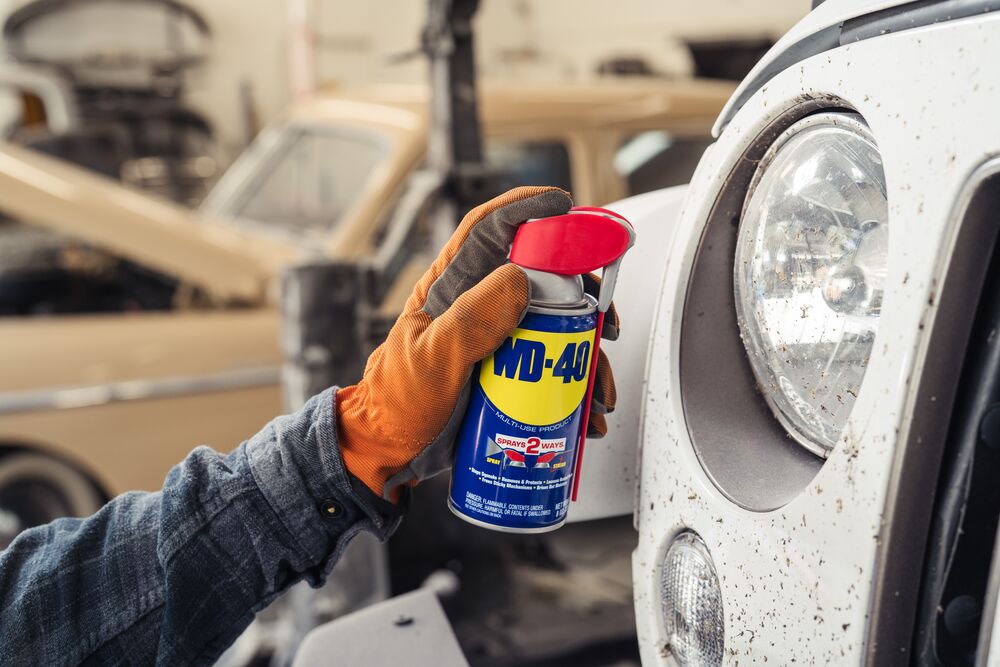
Credit: www.wd40.com
How Wd-40 Works On Stainless Steel
WD-40 is a popular product for maintaining stainless steel surfaces. It works by creating a thin, protective layer that prevents rust and corrosion. This layer also helps to remove dirt and grime easily, restoring shine to dull surfaces.
The formula of WD-40 includes lubricants and solvents. These ingredients loosen stuck particles and prevent moisture from causing damage. It also displaces water, which helps to keep stainless steel dry and clean.
Penetrates Rust And Corrosion
WD-40 seeps into tiny cracks and crevices on stainless steel. This action breaks down rust and corrosion. It softens these unwanted deposits so they can be wiped away quickly.
Creates A Protective Barrier
After cleaning, WD-40 leaves a thin coating on the steel surface. This barrier repels water and air. It stops rust from forming and keeps the surface shiny longer.
Lubricates Moving Parts
Stainless steel often has hinges or sliding parts. WD-40 lubricates these parts to reduce friction. This prevents wear and tear and extends the life of the item.
Removes Stains And Fingerprints
WD-40 dissolves oily stains and fingerprints on stainless steel. It makes cleaning easier and restores a smooth, polished look. This helps maintain a clean and attractive surface.
Step-by-step Cleaning Process
Cleaning stainless steel can be a daunting task. But using WD-40 simplifies it. Follow this step-by-step guide to clean stainless steel surfaces effectively. The process involves preparing the surface, applying WD-40, and removing residue. Let’s dive in.
Preparing The Surface
Begin by clearing the area of any items. This ensures unhindered cleaning. Dust the surface using a soft cloth. Remove loose dirt and particles. This prevents scratches during cleaning. Make sure the area is dry and free of moisture. A clean surface enhances the effectiveness of WD-40.
Applying Wd-40
Shake the WD-40 can well. Hold it about six inches from the surface. Spray a light, even layer. Ensure you cover the entire area. Use a clean, soft cloth to spread the product. Rub in the direction of the grain. This helps maintain the stainless steel’s finish.
Removing Residue
Allow the WD-40 to sit for a few minutes. This loosens grime and residue. Use another clean cloth to wipe away the excess. Buff the surface gently. This reveals a clean, shiny finish. Ensure no oily residue remains. Your stainless steel should now look spotless and gleaming.
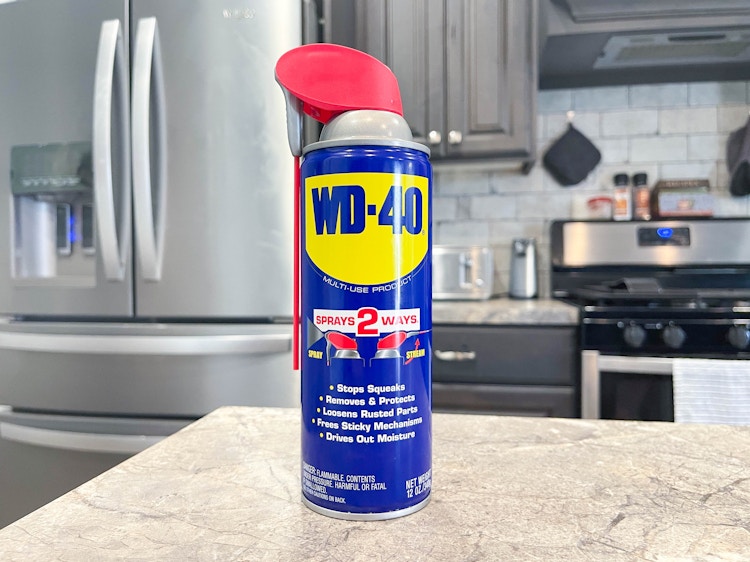
Credit: thekrazycouponlady.com
Maintaining Stainless Steel With Wd-40
Maintaining stainless steel surfaces keeps them shiny and durable. WD-40 is a versatile product that helps protect and clean stainless steel. It removes dirt, grime, and fingerprints easily. It also adds a thin protective layer that prevents damage over time. Using WD-40 regularly can extend the life of stainless steel items.
Regular Cleaning Schedule
Set a regular cleaning routine for stainless steel surfaces. Use a soft cloth and spray WD-40 directly on the surface. Wipe gently in the direction of the grain. This removes smudges and light stains without scratching. Clean weekly or biweekly to maintain the shine and cleanliness. Consistency helps prevent buildup and keeps surfaces looking new.
Preventing Rust And Corrosion
WD-40 creates a protective barrier that repels moisture. This barrier helps prevent rust and corrosion on stainless steel. Apply WD-40 after cleaning to seal the surface. Focus on edges and corners where rust often starts. Regular application reduces the chance of rust spots. It also makes future cleaning easier and faster.
Safety Tips And Precautions
Using WD-40 on stainless steel can be very effective, but it’s important to keep safety in mind. This product contains chemicals that require careful handling to protect your health and your surfaces. Let’s look at practical tips that help you work safely and get the best results.
Wear Protective Gloves And Work In A Ventilated Area
Your skin can easily absorb chemicals from WD-40, which might cause irritation. Wearing gloves shields your hands during application. Additionally, spraying WD-40 in a well-ventilated room prevents inhaling fumes that could lead to headaches or dizziness.
Test On A Small Hidden Area First
Before applying WD-40 on the entire stainless steel surface, try it on a small, hidden spot. This quick test helps you avoid unwanted discoloration or damage. Have you ever cleaned something only to find it looks worse? Testing saves you from that frustration.
Avoid Contact With Food And Drinking Surfaces
Stainless steel is often used in kitchens, so be cautious. WD-40 is not food-safe and should never touch utensils, plates, or areas where food is prepared. After use, clean the surface thoroughly with warm soapy water to remove any residue.
Keep Away From Heat And Open Flames
WD-40 is flammable. Never spray it near hot surfaces, open flames, or sparks. If you’re working around a stove or grill, wait until everything has cooled down completely to prevent accidents.
Store Wd-40 Properly
After you finish, store the can in a cool, dry place out of reach of children and pets. Make sure the cap is secure to avoid accidental sprays. Have you checked your storage areas lately? Proper storage reduces risks and keeps your home safer.
Common Mistakes To Avoid
Using WD-40 on stainless steel can be helpful but also risky if done wrong. Many people make simple mistakes that damage the metal or reduce the product’s effect. Avoiding these errors saves time and keeps your stainless steel shiny and safe.
Applying Wd-40 On Dirty Stainless Steel
Do not spray WD-40 directly on dirty surfaces. Dust and grime can trap dirt under the oil. Always clean the stainless steel first with a mild soap and water. Dry it well before applying WD-40.
Using Too Much Wd-40
Excess WD-40 creates a sticky layer that attracts more dirt. A thin, even coat is enough to protect and shine. Wipe off any extra oil with a soft cloth after spraying.
Leaving Wd-40 On Without Wiping
Leaving WD-40 on stainless steel without wiping can cause buildup. This buildup may dull the surface and cause stains. Always buff the surface gently after applying WD-40.
Using Wd-40 As A Cleaner
WD-40 is not a cleaner. It removes rust and protects but does not clean grease or heavy stains. Use a proper stainless steel cleaner for tough dirt before applying WD-40.
Ignoring Safety Precautions
WD-40 is flammable. Avoid using it near flames or heat sources. Use in a well-ventilated area to prevent inhaling fumes. Wear gloves if you have sensitive skin.
Alternatives To Wd-40 For Stainless Steel
WD-40 is a popular choice for many cleaning and lubricating tasks, but when it comes to stainless steel, you might want to consider other options. WD-40 can leave a residue that attracts dust and dirt, which is not ideal for the sleek look of stainless steel surfaces. If you’re aiming for a cleaner finish without compromising the metal’s shine, exploring alternatives can be a smart move.
Olive Oil and Vinegar MixThis simple homemade solution is gentle yet effective on stainless steel. Olive oil adds a protective shine, while vinegar cuts through grime and fingerprints.
- Mix equal parts olive oil and white vinegar in a spray bottle.
- Spray lightly on the surface, then wipe with a microfiber cloth.
- The vinegar helps remove stains, and the oil restores the luster.
Try this combo next time you want a natural, affordable cleaner that won’t leave sticky residues.
Commercial Stainless Steel Cleaners
There are many products made specifically for stainless steel care. These cleaners often contain ingredients that lift dirt and polish the surface without harming the finish.
- Look for brands like Weiman or Bar Keepers Friend.
- They remove fingerprints, smudges, and even rust spots.
- Always follow the instructions to avoid streaking.
These cleaners can save you time and give professional results if you want a no-fuss option.
Rubbing Alcohol
Rubbing alcohol is a quick, effective cleaner for stainless steel surfaces. It evaporates fast, leaving behind a streak-free shine.
- Dampen a cloth with isopropyl alcohol.
- Wipe down the stainless steel, focusing on spots and fingerprints.
- Buff with a dry cloth to enhance the shine.
This is a great option when you need a fast touch-up without extra residue.
Baby Oil
Baby oil is another surprising alternative that works well on stainless steel. It not only cleans but also helps prevent smudging.
- Apply a small amount to a soft cloth.
- Gently rub the surface in the direction of the grain.
- Buff to remove excess oil and reveal a polished finish.
It’s inexpensive and widely available, making it a handy choice for regular maintenance.
Have you ever tried any of these alternatives on your stainless steel appliances or fixtures? What results did you notice? Sometimes, the best cleaner is the one you already have at home.

Credit: www.youtube.com
Frequently Asked Questions
Can Wd-40 Damage Stainless Steel Surfaces?
No, WD-40 is safe for stainless steel. It cleans, protects, and prevents rust without causing damage or discoloration.
How Does Wd-40 Protect Stainless Steel?
WD-40 forms a thin protective layer that repels moisture. This prevents rust and corrosion on stainless steel surfaces effectively.
Is Wd-40 Suitable For Polishing Stainless Steel?
WD-40 can enhance shine but is not a dedicated polish. Use a stainless steel polish for a better finish.
Can Wd-40 Remove Stains From Stainless Steel?
Yes, WD-40 helps lift grease, grime, and some stains. Wipe with a clean cloth afterward for best results.
Conclusion
WD-40 can help clean and protect stainless steel surfaces. It removes rust and stops corrosion quickly. Always test on a small area first. Use a soft cloth to avoid scratches. Regular care keeps stainless steel shiny and new. Simple steps lead to better results.
Try WD-40 carefully for best maintenance. Stainless steel lasts longer with proper cleaning. Keep it looking great with easy treatments. A little effort goes a long way.

Hi, I’m Daniel Brooks—a food lover and kitchen gear enthusiast. I enjoy testing cookware, utensils, and gadgets to see what really works in everyday cooking. At PlugChef.com, I share honest reviews, comparisons, and simple guides to help you choose the best tools for a safer, smarter, and more enjoyable kitchen.
Related posts:
 What Type of Cooking Utensils are Safe: Expert Picks
 What Innovations Could Blenders Make: Unleashing Future Tech
 Smart Strategies to Organize a Small Kitchen: Maximize Space
 How to Organize a Kitchen Cabinet: Expert Tips & Tricks
 How to Organize Kitchen Drawers: Expert Tips and Tricks
 How to Organize a Corner Kitchen Cupboard: Expert Tips