

Imagine having a Vintage Military First Aid Kit right at your fingertips. This isn’t just any old box of bandages—it’s a piece of history packed with practical tools that saved lives in tough situations.
Whether you’re a collector, an outdoor enthusiast, or someone who values preparedness, understanding what’s inside and how it was used can give you a new appreciation for these classic kits. Ready to uncover the secrets and surprises hidden inside a Vintage Military First Aid Kit?
Let’s dive in and explore how this timeless gear can inspire your own readiness today.

Credit: www.ebay.com
Origins Of Military First Aid Kits
Vintage military first aid kits date back to early wars, designed to treat wounds quickly on the battlefield. These kits included basic supplies like bandages, antiseptics, and tools to save lives during combat. Their simple design reflects the urgent need for fast medical care in harsh conditions.
The origins of military first aid kits lie in the need for quick medical assistance on the battlefield. Soldiers faced injuries from weapons and harsh conditions. These kits emerged as essential tools to treat wounds and prevent infections. Their development was influenced by the challenges soldiers faced during combat.Early Designs And Materials
Military first aid kits began with simple designs. Early kits included basic items like bandages, gauze, and antiseptics. These materials were chosen for their effectiveness and portability. Soldiers needed lightweight kits that they could carry easily. Canvas and metal boxes were common materials used for these kits. They provided durability and protection for the contents inside.Evolution Through Wars
As wars progressed, so did the complexity of first aid kits. Each conflict brought new challenges and injuries. This led to the inclusion of more specialized items. World War I saw the introduction of morphine syringes for pain relief. During World War II, kits included sulfa drugs to combat infections. The Vietnam War introduced the use of compression bandages for severe wounds. These changes reflected the evolving needs of soldiers in different environments.Influence On Civilian Kits
Military first aid kits have greatly influenced civilian versions. Many items in modern kits trace back to military innovations. Morphine syringes and compression bandages are now common in civilian kits. The focus on portability and durability has shaped civilian first aid designs. This influence ensures effective emergency care for everyone, not just soldiers. Civilian kits often include items tested in military settings, guaranteeing reliability.
Credit: www.ebay.ca
Key Components Inside Vintage Kits
Vintage military first aid kits hold a unique charm. They reveal how soldiers managed injuries in tough conditions. Each kit contained carefully chosen items to treat wounds effectively.
These kits focused on basic but essential supplies. Every piece had a clear purpose. Understanding the key components gives insight into past medical practices and battlefield care.
Bandages And Dressings
Bandages and dressings formed the core of these kits. They helped stop bleeding and protect wounds from dirt. Common types included:
- Gauze pads for covering open wounds
- Roller bandages to secure dressings
- Triangular bandages for slings or wraps
- Adhesive strips for small cuts
These materials were simple but vital for initial wound care.
Antiseptics And Ointments
Preventing infection was crucial in the field. Kits contained antiseptics like iodine or alcohol swabs. Ointments helped soothe wounds and speed healing. Typical items included:
- Iodine solution to kill germs
- Alcohol wipes for cleaning skin
- Antibiotic ointments to reduce infection risk
- Burn creams for minor burns
These substances minimized complications from injuries.
Tools And Instruments
Tools in vintage kits supported wound treatment and care. They were basic but effective. Common instruments were:
- Small scissors for cutting bandages
- Tweezers to remove debris from wounds
- Metal pins or clips to fasten dressings
- Safety pins for securing slings
These tools made first aid practical and manageable in any situation.
Materials And Packaging
The materials and packaging of vintage military first aid kits reveal a lot about their design priorities and practical use in the field. Every component was chosen not only for functionality but also for durability and ease of use under pressure. Understanding these aspects helps you appreciate the kit’s reliability and how it served soldiers in critical moments.
Durable Containers
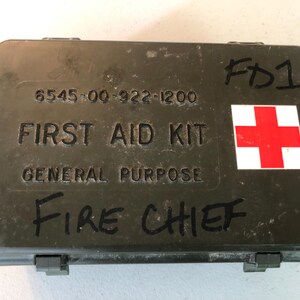
Vintage military first aid kits often came in sturdy metal or hard plastic containers designed to withstand harsh environments. These containers resisted impacts, moisture, and dirt, ensuring the medical supplies inside stayed intact. Have you noticed how some kits still hold up perfectly today, decades after their manufacture? That’s a testament to the quality of the materials used.
Labeling And Instructions
Clear labeling and simple instructions were vital for quick access and effective treatment during emergencies. Many kits featured bold, easy-to-read labels printed directly on the container or on waterproof paper inside. This helped soldiers identify supplies fast, even in low-light or stressful situations. Would you trust a first aid kit that left you guessing what each item was?
Storage Solutions
The internal layout of these kits was thoughtfully organized to keep items secure and accessible. Compartments and elastic loops held bandages, ointments, and tools in place, preventing damage or loss. If you’ve ever rummaged through a disorganized kit, you’ll understand why this mattered so much when seconds counted.
Field Use And Practicality
The vintage military first aid kit shows a strong focus on field use and practicality. Designed for tough environments, it balances simplicity and usefulness. Every item inside aims to aid quick response and basic care in emergencies. Its design reflects real battlefield needs, making it a reliable choice even today.
Ease Of Access
The kit features a compact design for easy carrying. Items are organized for quick retrieval. Clear compartments and labels help users find tools fast. This layout reduces confusion during stressful situations. Soldiers could open the kit and start treatment immediately.
Effectiveness In Emergencies
Contents suit common battlefield injuries like cuts and burns. Bandages, antiseptics, and pain relief supplies cover essential needs. The materials are durable and reliable under harsh conditions. The kit supports basic life-saving steps until further help arrives. Its proven design helped save many lives.
Adaptability To Conditions
The kit works well in various weather and terrain. Water-resistant cases protect supplies from moisture and dirt. Compact size fits easily in backpacks or belts. Its rugged build withstands rough handling and impacts. This adaptability ensures readiness in any field condition.
Collecting And Preserving Vintage Kits
Collecting and preserving vintage military first aid kits is more than just a hobby—it’s a way to hold a piece of history in your hands. These kits tell stories of bravery and care during challenging times. If you want to keep these artifacts in good shape, understanding how to identify, restore, and display them matters a lot.
Identifying Authentic Kits
Authenticity is key when collecting vintage military first aid kits. Look for official markings such as government stamps, manufacturer labels, and date codes. Materials like canvas or metal cases often indicate genuine kits from specific eras.
Check the contents carefully. Original bandages, ointment tins, and scissors usually carry period-specific designs. If you notice modern replacements or inconsistent wear, it might be a reproduction or altered kit.
Ask yourself: does the kit’s condition match its age? Patina, rust, or faded text often reveal the true story behind the item. Authentic kits usually show signs of use, which adds to their historical value.
Restoration Tips
Restoring vintage kits requires a gentle touch. Avoid harsh chemicals that can damage fabric or metal. Instead, use mild soap and water to clean surfaces carefully.
When dealing with rust on metal parts, apply a rust remover sparingly and wipe it off immediately. For leather components, condition them with a leather balm to prevent cracking.
Replace missing or damaged parts only if you can find authentic vintage pieces. Using modern substitutes can reduce the kit’s value. Keep detailed notes of any restoration work you do, so future collectors understand the kit’s history.
Display And Storage Ideas
How you store and display your vintage first aid kit affects its preservation. Keep kits in a cool, dry place away from direct sunlight to prevent fading and deterioration.
Use display cases with UV-protective glass to showcase your collection while shielding it from dust and light. Mounting kits on shadow boxes or stands can highlight their unique features.
Consider rotating items if you have multiple kits to minimize exposure. Adding silica gel packets to storage containers helps control humidity and prevent mold growth. Would you rather keep your kit safely stored or proudly displayed for daily inspiration?
Timeless Lessons From Vintage Kits
Vintage military first aid kits offer more than old supplies. They hold lessons that stay important today. These kits show how to prepare and act in tough situations. The wisdom inside them guides survival and care even now.
Survival Mindset
These kits teach calm and focus under pressure. The tools inside are simple but effective. Soldiers learned to stay alert and use what they had. This mindset helps anyone handle emergencies with clear thinking. Staying ready and resourceful is key to survival.
Essential Items That Never Change
Some items in vintage kits remain vital today. Clean bandages, antiseptics, and pain relief never go out of style. These basics help stop bleeding and prevent infection. The kits also include scissors, tweezers, and gloves. These tools form the core of all first aid kits.
Inspiration For Modern Kits
Old kits inspire simple, practical design in today’s first aid sets. Compact and organized, they make finding supplies fast. Modern kits borrow the idea of including only what is necessary. This keeps them light and easy to carry. Vintage kits remind us that good preparation saves lives.
Credit: www.etsy.com
Frequently Asked Questions
What Is Included In A Vintage Military First Aid Kit?
A vintage military first aid kit typically contains bandages, antiseptic wipes, gauze, scissors, and pain relief tablets. It also includes tourniquets and medical tape designed for battlefield injuries. These kits were compact and durable for quick emergency use in combat situations.
How Effective Are Vintage Military First Aid Kits Today?
Vintage military first aid kits can still offer basic emergency supplies. However, some materials may have expired or degraded over time. For modern use, it’s best to supplement with updated medical items and sterilize equipment when possible.
Where Can I Buy An Authentic Vintage Military First Aid Kit?
Authentic vintage military first aid kits can be found on online marketplaces, military surplus stores, and auction sites. Verify seller authenticity and item condition before purchasing. Collectors often seek these kits for historical value and display purposes.
Are Vintage Military First Aid Kits Collectible Items?
Yes, vintage military first aid kits are popular collectibles. Their historical significance and rarity increase their value. Collectors appreciate original packaging and intact contents. Condition and provenance heavily influence kit value in the collector’s market.
Conclusion
Vintage military first aid kits show history and care in one box. They remind us how soldiers stayed safe in tough times. Collectors and history fans find these kits special and useful. Each item tells a story of courage and survival.
Owning one connects you to the past in a real way. These kits also teach us the value of simple, ready help. They are more than just old medical supplies. They are a piece of history you can hold.

I’m Abby Lu, a passionate home cook who loves simplifying everyday meals. At PlugChef.com, I share product reviews and cooking guides to help you find the best tools for your kitchen.
Related posts:
 What Type of Cooking Utensils are Safe: Expert Picks
 What Innovations Could Blenders Make: Unleashing Future Tech
 Smart Strategies to Organize a Small Kitchen: Maximize Space
 How to Organize a Kitchen Cabinet: Expert Tips & Tricks
 How to Organize Kitchen Drawers: Expert Tips and Tricks
 How to Organize a Corner Kitchen Cupboard: Expert Tips

